Public Ground That Sees Fewer Hunters
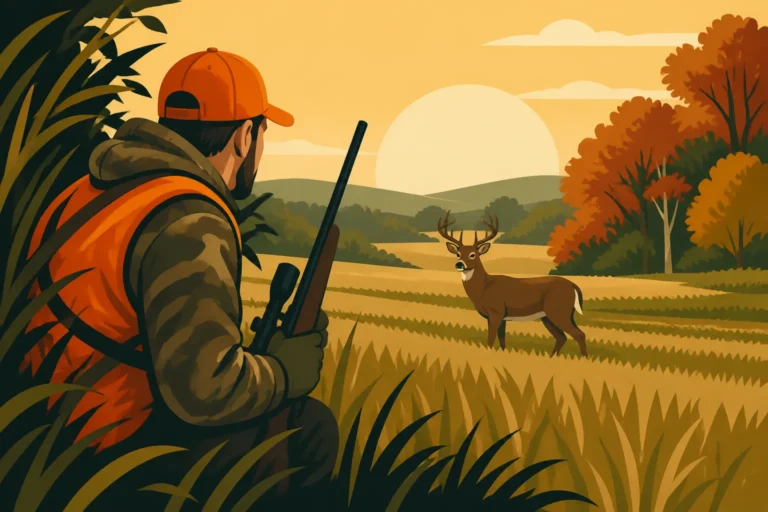
It’s a tale as old as time, isn't it? You get all fired up for an early morning hunt on what you thought was a prime piece of Iowa public land, only to arrive in the dark and find a dozen other trucks already parked. The air goes out of your sails faster than a popped inner tube. We've all been there, wondering if there’s any public ground left in this state where a hunter can actually find some peace and, more importantly, unpressured deer. This guide is all about helping you uncover those overlooked gems and strategize to hunt spots that see fewer boots on the ground.
The Reality of Hunting Pressure in Iowa
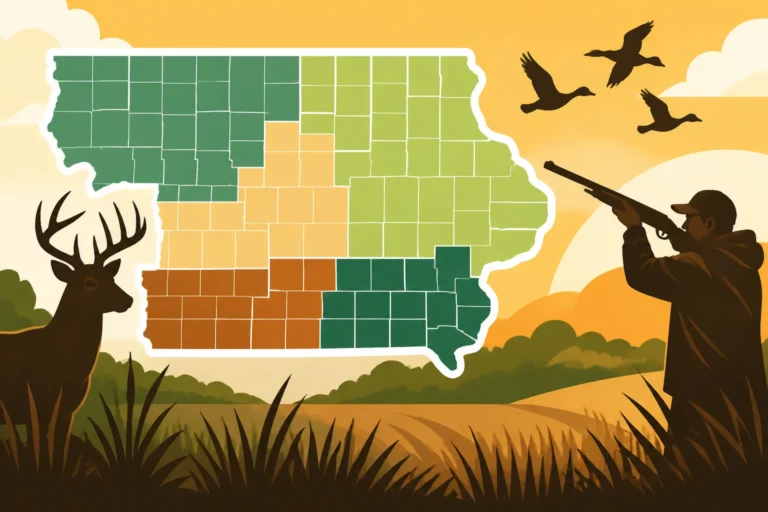
Let's be honest, Iowa has a reputation, and for good reason. It’s known for producing some truly exceptional whitetails, and that draw is a magnet for hunters, both residents and non-residents alike. This popularity, while great for our hunting heritage, creates a very real challenge: competition. Public land, especially the well-known tracts, can feel more like a communal park than a wilderness pursuit once the seasons open.
Why Iowa's Prime Public Spots Get Hit Hard
Several factors contribute to the heavy pressure we often see. First, accessibility is a huge one. Any public parcel with a well-maintained parking lot and obvious trails is going to be the first choice for many. People appreciate convenience, and it’s natural to gravitate towards what's easy. These spots might be close to major towns, or simply have a long-standing reputation as "the place to go." Social media and hunting forums, while fantastic for sharing information, can also inadvertently highlight specific areas, leading to a surge of interest in what were once local secrets.
Think about opening day of shotgun season. You’ll find party hunters doing drives on every major timber block, and for good reason—it’s effective! But it also means those accessible timber points and creek bottoms get pounded. Hunting Pressure Patterns on Iowa Public Land are very real, and they largely dictate deer movement and behavior. When deer are constantly pushed, they become nocturnal, wary, and quickly abandon areas with high human activity, making them incredibly difficult to hunt. This isn't just a frustration; it's a fundamental shift in how the game behaves, forcing us to adapt or go home empty-handed.
Recognizing the Signs of Overtaxed Areas
So, how do you know if you're in a high-pressure zone, even if you don't see another hunter? The deer themselves will tell you. In pressured areas, you'll often find trails that look more like hiking paths than deer runs, worn smooth by countless boots. You might see old, dilapidated treestands that have been left up for years, sometimes even with remnants of flagging tape or discarded energy drink cans. This kind of human sign screams "high traffic."
Furthermore, the deer sign itself will be telling. Instead of fresh rubs and scrapes, you might find older, abandoned sign from weeks past, or very little fresh activity during daylight hours. Deer in these spots often move very little before dawn and after dusk, leaving few fresh tracks or droppings during huntable hours. If you're scouting before the season, look for these indicators. Are the "easy" access points heavily worn? Are there numerous obvious stand locations already picked over? Is there trash or obvious human disturbance? These are all red flags that this particular piece of public ground likely sees a lot of attention.
Strategies for Uncovering Low-Pressure Sanctuaries
Finding those hidden pockets of less-pressured ground isn't about magic; it's about smart strategy and a willingness to put in a little extra effort. It requires thinking differently than the average hunter and often embracing methods that might seem less convenient.
Embrace the Walk: Beyond the Beaten Path
This is perhaps the simplest, yet most effective, strategy. Most hunters, on average, are only willing to walk a certain distance from their vehicle. This "comfort zone" typically means anything within a quarter to a half-mile of a parking area gets the most attention. To find less-pressured ground, you need to go beyond that. Get comfortable with a mile-long hike, or even more, into a property. Look for parcels that are long and narrow, or have odd shapes that create deep pockets far from roads. These areas might seem daunting to access, but that's precisely why deer feel safer there.
Carrying a mobile setup, like a treestand and climbing sticks, or even better, a saddle hunting setup, becomes essential when you're walking in deep. A lighter pack allows you to cover more ground efficiently. Remember, deer are inherently lazy and will often stick to areas where they feel secure, even if those areas are smaller or less "ideal" on a map. By putting in the legwork, you're entering their sanctuary. Learning about Access Routes That Do Not Bump Deer is critical here; your long walk in shouldn't be advertised by the path you leave or the noise you make.
Timing is Everything: When to Hunt the Uncrowded
Beyond where you hunt, when you hunt makes a massive difference. The vast majority of hunters are weekend warriors, hitting the woods hard on Saturdays and Sundays. This means that if you can swing it, hunting during the week—especially Tuesday through Thursday—will dramatically reduce the competition you face. Even on weekends, hunting during less "prime" times, like midday, can yield results if you're willing to commit. Many hunters are only out for the first few hours of light or the last few, leaving the middle of the day relatively quiet.
Furthermore, consider hunting during adverse weather. A cold, steady rain, a heavy snow, or even unusually warm weather for the season often deters many hunters, clearing out the woods. While it might be less comfortable for you, the deer will be moving, and you'll have the advantage of less human disturbance. The late season, particularly after Christmas and into January, also sees a significant drop-off in hunter numbers, yet deer are still highly active, driven by the need for food. Don't underestimate the power of simply choosing to hunt when others won't. Weekday Versus Weekend Public Land truly highlights this disparity.
Leveraging Technology for Hidden Opportunities
In today's hunting world, mapping apps like onX Hunt are absolute game-changers for identifying less-pressured spots. These tools provide an incredible amount of detail right at your fingertips. You can scrutinize aerial imagery for subtle features that might not be obvious on a topo map: a small, isolated patch of timber deep within a cornfield, a thick CRP field bordered by a dense creek bottom, or a finger of cover that extends further into open ground than appears at first glance.
Use these apps to identify potential access points that are not marked as official parking areas. Maybe there’s a forgotten easement, a public road that dead-ends into a corner of a property, or even river access if you're hunting bottomland. Look for terrain features that naturally funnel deer or block human access, like steep ravines, dense multiflora rose thickets, or areas that are prone to seasonal flooding. These "undesirable" features to a human can be a deer's safe haven. E-Scouting Iowa Farm Country From Home is a skill you absolutely must develop, and onX Hunt is an invaluable tool for it. Being able to pinpoint Finding Property Lines in Iowa with precision also ensures you’re staying legal while venturing into less-traveled areas adjacent to private ground.
Types of Iowa Public Ground That See Fewer Hunters
Iowa's public lands aren't all sprawling state forests or massive wildlife management areas. There's a surprising diversity, and often, the less obvious choices are where you'll find the quietest hunts.
| Public Land Type | Typical Size | Access Difficulty (Human) | Deer Pressure Likelihood | Best Hunting Strategy |
|---|---|---|---|---|
| Small WMA / County Park | Small-Medium | Easy-Moderate | Moderate-High | Deep penetration, off-peak |
| River Bottoms / Floodplain | Large (linear) | Moderate-High (wet/brushy) | Moderate | Mobile, wind/thermals |
| IHAP Lands (specific rules) | Variable | Moderate (walk-in only) | Low-Moderate | Check rules, deep walk-in |
| Fragmented State Forest | Medium-Large | Moderate-High (rugged) | Low-Moderate | E-scout for isolated blocks |
| CRP/Prairie Habitat | Small-Medium | Easy-Moderate | Low-Moderate | Edge hunting, patience |
The Allure of Smaller, Disconnected Parcels
Don't dismiss the smaller public land tracts managed by your local county conservation board or smaller state wildlife management areas (WMAs). While they might not show up on many "best of" lists, their fragmented nature can actually work in your favor. Many hunters overlook these parcels because they seem too small to hold significant numbers of deer, or they’re simply not as well-known as the big state parks or forests.
However, these smaller parcels often act as critical travel corridors or bedding areas, especially if they are surrounded by private agricultural land. Deer will use these small islands of cover for security during the day, venturing out into surrounding fields at night. The trick is to identify the thickest, most difficult-to-access portions of these smaller tracts. These might be dense brush piles, cedar thickets, or swampy areas that most hunters wouldn't bother with. A careful review of Iowa County Conservation Board Hunting Rules is a must, as regulations can sometimes differ slightly from state-managed lands. Often, the lack of widespread knowledge about these tiny spots keeps the pressure low.
Navigating River Bottoms and Floodplain Timber
River bottoms are Iowa's natural highways and sanctuaries for deer. The dense timber, oxbows, sloughs, and often rugged terrain make these areas challenging to hunt, which is precisely why they see less pressure. Think about the physical effort involved: crossing creeks, navigating thick tangles of multiflora rose, dealing with mud and potential flooding. Many hunters shy away from this kind of exertion.
But for the dedicated hunter, river bottoms can be incredibly productive. Deer feel secure in the dense cover, and the linear nature of these areas funnels movement. Bucks often cruise these corridors during the rut, scent-checking for does. Focus on identifying pinch points, subtle elevation changes, or dry stretches of timber within the wet ground. Accessing these areas can sometimes involve wading or using a small boat, which immediately eliminates a large percentage of other hunters. Understanding River Oxbows and Deer Movement is key, as these natural features often concentrate deer activity away from common trails.
Utilizing Iowa's Habitat and Access Program (IHAP) Lands
The Iowa Habitat and Access Program (IHAP) is a fantastic resource that often gets overlooked by hunters, or simply not understood. These are private lands where landowners voluntarily open their property to public hunting for specific seasons, and they are marked with distinctive yellow signs. Crucially, many IHAP tracts are "walk-in only," meaning no vehicles are allowed beyond the designated parking area. This "walk-in" requirement inherently filters out many hunters who prefer easier access.
The key to IHAP lands is research and respectful use. While some IHAP tracts might be highly visible and get some pressure, many are smaller, less obvious, or simply located in areas that don't draw massive crowds. By thoroughly scouting these areas on a map, checking the specific access rules, and being willing to walk a considerable distance from the road, you can often find fantastic, unpressured hunting. It's truly a hidden gem program for those willing to do their homework. Understanding Iowa Habitat and Access Program Explained and especially the nuances of Walk-In Only Access on IHAP Ground can make all the difference in your hunt plan.
Overlooked Habitat Types Within Larger Areas
Even within larger, well-known public hunting areas, there are often specific habitat types that draw less attention from hunters but are heavily used by deer. Consider dense CRP (Conservation Reserve Program) fields. While they might look like featureless grasslands from a distance, CRP Grass and Where Bucks Bed can be incredibly dense, providing perfect security cover for mature bucks. Most hunters focus on the timber edges or obvious food plots, ignoring the "big grass." Learning to read the subtle changes in grass height, thickness, or hidden draws within a CRP field can reveal bedding areas that rarely see human disturbance.
Similarly, dense cedar thickets, multiflora rose patches, or areas with extremely heavy brush are often avoided by hunters due to the difficulty of navigating them. However, these are precisely the places deer feel safest. They provide thermal cover in winter and visual security year-round. Don't be afraid to put on some tough briar pants and bust through these areas. You might just find the unpressured sanctuary you've been looking for.
Tactics for Success in Unpressured Environments
Finding less-pressured public ground is only half the battle. Once you're there, your hunting tactics need to adapt to the environment and the deer you're pursuing. These deer, while less wary of humans generally, are still wild animals and require a strategic approach.
In-Depth E-Scouting and Ground Truthing
Your journey to these unpressured spots should always begin with extensive e-scouting from home. Utilize your mapping apps like onX Hunt to pour over satellite imagery, topo maps, and land ownership layers. Look for those hidden pockets, the thickest cover, the most remote corners, and subtle terrain features like benches, saddles, or drainages that might funnel deer. Identify potential bedding areas, travel corridors, and overlooked food sources. Reading Aerial Imagery for Bedding Cover is a skill you can hone year-round, looking for the tell-tale signs of dense canopy, thick undergrowth, or water sources.
Once you have identified a few promising areas, it’s time for "ground truthing." This means putting boots on the ground, ideally outside of hunting season, to confirm your e-scouting observations. Walk the property, identify deer trails, rubs, scrapes, and bedding sites. Look for actual access routes that might be tough to spot on a map. Pay attention to how the wind and thermals will interact with the terrain. This scouting, done well before opening day, is crucial for developing a solid hunt plan. Remember, Scouting Iowa Public Land Before the Opener gives you an unparalleled advantage, letting you find those pristine spots before anyone else.
Adapt Your Approach: Mobile Hunting and Stealth
Since you're likely walking further and possibly into more rugged terrain, a mobile hunting approach is often the most effective. This means using lightweight climbing sticks and a hang-on stand, or even better, a saddle hunting setup. Being mobile allows you to adapt to new information, such as fresh sign or unexpected deer movement, without having to commit to a permanent stand location. You can quickly set up in a new spot that day, taking advantage of current conditions. Mobile Saddle Hunting in Iowa is an excellent strategy for reaching those hard-to-get-to spots and moving silently within them.
Stealth is paramount. These deer might be less pressured by humans, but they are still highly attuned to their environment. Minimizing noise, wearing quiet clothing, and paying meticulous attention to wind direction are always crucial, but even more so when you've invested significant effort into reaching a prime, unpressured spot. Your access and exit routes must be planned to avoid bumping deer.
Playing the Wind and Thermals
In any deer hunting scenario, understanding the wind is crucial. But in less-pressured areas, where deer might not be as constantly harassed, they can still be incredibly sensitive to scent. A slight shift in wind can blow your cover. Always, always, always hunt with the wind in your favor, especially when approaching a suspected bedding area or travel corridor.
In hilly or timbered terrain, especially in river breaks, thermals come into play. Thermals are air currents that rise as the air warms in the morning and fall as it cools in the evening. This means your scent can be carried uphill in the morning and downhill in the evening, regardless of the prevailing wind. Learning to understand and predict these thermal shifts is a nuanced skill that can give you a significant advantage, particularly when you're hunting those remote, rugged river bottoms. Always be mindful of how your scent is traveling, and position yourself accordingly.
Disclaimer
This article is for general informational purposes only and does not constitute professional advice. Laws, prices and regulations vary by location and change over time. Consult a qualified professional for guidance on your specific situation.