Late Muzzleloader Food Source Hunting
As the late muzzleloader season descends upon Iowa, many hunters find themselves staring across frozen fields and into bare timber, wondering where all the deer have gone. The vibrant activity of the rut is a distant memory, and the deer seem to have vanished, becoming ghosts in the cold, stark landscape. This guide will walk you through the critical strategies for successfully hunting deer during Iowa's late muzzleloader season, specifically by focusing on their most vital need: food.
Understanding Late Muzzleloader Season Deer Behavior
Hunting in the late season is a completely different ballgame than the early archery days or the chaos of the shotgun seasons. By the time Iowa's late muzzleloader season rolls around, usually spanning from mid-December into early January, deer have endured months of hunting pressure and the brutal onset of winter. Their priorities shift dramatically, and understanding this change is the key to unlocking success.
The Impact of Cold Weather and Snow
Imagine trying to survive a bitter Iowa winter with nothing but the calories you can forage. That's the deer's reality. As temperatures plummet, their metabolic rates demand significantly more energy to simply stay warm. This isn't just a minor adjustment; it's a fundamental biological imperative. They need high-calorie, easily digestible food sources more than ever, especially during the Iowa's two segments of the Late Muzzleloader Season Dates. A heavy snow cover can exacerbate this challenge, burying preferred forage and forcing deer to expend even more energy to find a meal. You'll often see them yarded up, conserving precious calories, and only moving when absolutely necessary. The old adage that deer move better in the cold is true to an extent, but it's specifically cold fronts and the promise of a brief reprieve or a fresh dump of snow that really gets them on their feet, driven by the intense need for sustenance before the next big freeze.
This relentless demand for calories also changes their daily patterns. Instead of cruising aimlessly like they might during the rut, late-season deer become incredibly efficient. They'll spend more time bedded, often in the thickest cover available, and make shorter, more direct trips to and from food. These movements are typically concentrated during low-light hours – dawn and dusk – or, if the weather is truly extreme, they might feed intermittently throughout the day to keep their internal furnaces burning. It's a delicate balance between conserving energy and consuming enough to survive, and a savvy hunter understands that their activity is almost solely dictated by this equation.
Deer Movement After Heavy Pressure
By the late muzzleloader season, deer, particularly mature bucks, have faced relentless pressure from archery, early muzzleloader, and two shotgun seasons. They are incredibly wary, cautious, and often nocturnal. They've learned exactly what human presence means, and they've adapted their routines to avoid it. This "pressure cook" environment means the deer you're hunting aren't the same relaxed animals you saw in September. They've become masters of evasion, utilizing every scrap of cover and every thermal advantage to stay hidden.
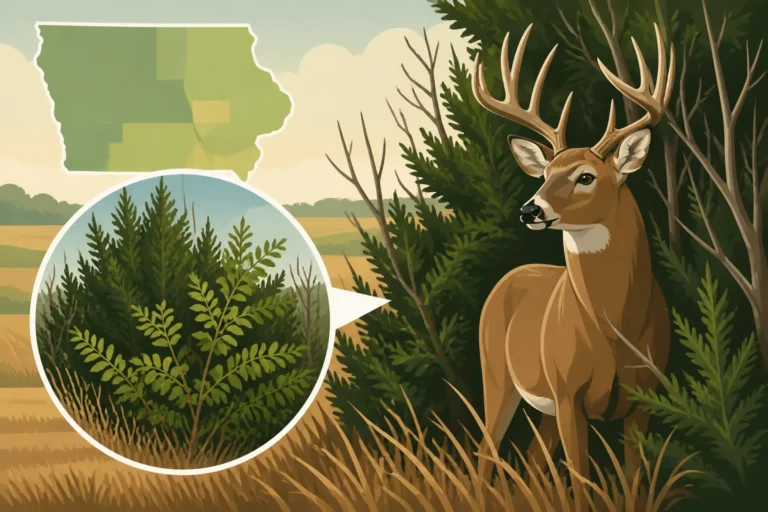
This heightened sense of self-preservation dictates their choices of bedding areas and travel corridors. They'll gravitate towards the thickest, nastiest cover they can find – dense cedar thickets, multiflora rose patches, deep river bottoms, or the most remote corners of timber blocks. These areas offer both physical concealment and a sense of security from human intrusion. When they do move, it's typically along routes that offer maximum cover, avoiding open areas until the absolute last moment, usually under the cloak of darkness. It's a frustrating reality for many hunters, seeing nothing but tracks and hearing rumors of nocturnal giants. Understanding Hunting Pressure Patterns on Iowa Public Land is paramount, as deer on pressured ground will act very differently than those on private, low-pressure parcels.
Identifying Key Late-Season Food Sources in Iowa
Given the deer's intense need for calories, locating their primary food sources becomes your number one priority. Forget about chasing scrapes or rubs; those are long past their prime. Now, it's all about finding the buffet that offers the most bang for their buck, nutritionally speaking.
Standing Row Crops and Agricultural Fields
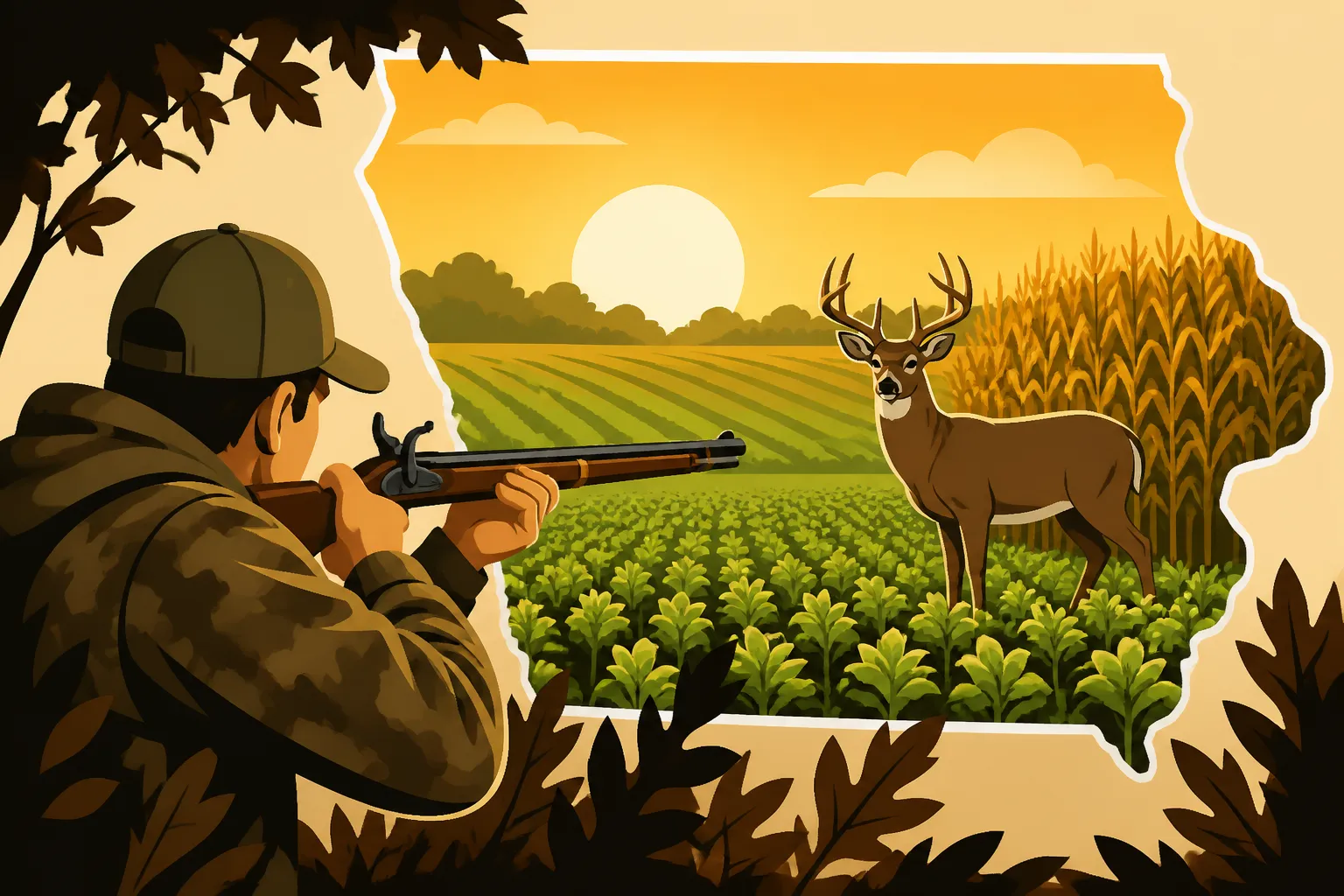
In Iowa, the king of late-season food is almost always corn. There's a reason Iowa is known for its cornfields, and for deer, those golden kernels represent a high-energy, high-carbohydrate lifeline through the winter. Even after harvest, many fields will have "waste grain" – corn dropped by the combine or left standing in small patches – and deer will meticulously work these fields, often under the cover of darkness. Finding a standing cornfield, especially one adjacent to thick bedding cover, is like hitting the jackpot. It provides both food and a sense of security, allowing deer to feed closer to their daytime sanctuaries. When you're trying to figure out how to best position yourself, remember that Standing Corn Late in the Iowa Season is a magnetic force for deer.
Soybeans, while less common as a primary late-season draw once they're fully harvested, can still offer some residual appeal if they're still standing or if a significant amount of beans were dropped. The protein content can still be attractive, though not as calorie-dense as corn. Beyond these major crops, don't overlook cut hayfields or even areas where winter wheat might be planted as a cover crop. While these might not offer the same concentrated energy as corn, they can provide a green forage option when other natural browse is limited or buried under snow. When you’re Scouting Iowa Timber and River Bottoms, always keep an eye out for these agricultural edges and the transitions they create.
Brassicas, Winter Wheat, and Food Plots
Many private landowners, and even some public areas, plant dedicated food plots designed specifically for late-season attraction. Brassicas – think turnips, radishes, and rape – are phenomenal late-season options. These plants sweeten up after a hard frost, making them incredibly palatable and nutritious for deer. The leaves provide forage, and the bulbs, if they mature well, offer a dense, carbohydrate-rich snack that deer will dig through snow to get at. A well-maintained brassica plot is often a late-season deer magnet.
Winter wheat, clover, and other cool-season annuals or perennials also play a crucial role. These "green" options provide much-needed protein and nutrients that deer might be lacking from other sources. While not as high in calories as corn, they are easily digestible and provide a valuable supplement. If you're hunting private land, or a public area known for food plot efforts, these locations are absolute must-scouts. Tools like GoHunt can often help identify agricultural patterns and land use, giving you a head start in pinpointing these critical food zones without having to put boots on the ground everywhere.
Native Browse and Acorns
While not as glamorous as a standing cornfield, natural browse remains an important part of a deer's late-season diet. Don't underestimate the value of woody browse – the tender shoots and twigs of plants like honeysuckle, multiflora rose, privet, and various saplings. These are often accessible even under moderate snow and provide essential nutrients and fiber. Deer will methodically work through thickets and brushy areas, nipping off every edible morsel.
Acorns, particularly from white oaks, are incredibly nutritious and highly preferred. If you had a good mast crop and some acorns are still on the ground, perhaps buried under a light dusting of snow or protected by leaf litter in an oak flat, deer will actively seek them out. Red oak acorns tend to be less preferred due to their higher tannin content, but if other food is scarce, deer will consume them too. Often, you'll find deer pawing through snow and leaves under oak trees, searching for these hidden treasures. Observing these subtle feeding patterns is a crucial part of Late-Season Food Source Hunting in Iowa.
Strategic Hunting Tactics for Late Muzzleloader Food Sources
Finding the food is only half the battle. The other half is figuring out how to effectively hunt it without spooking these ultra-wary, late-season deer. This requires a meticulous approach to scouting, stand placement, and timing.
Scouting and E-Scouting for Food
Late-season scouting is about confirming current conditions. Don't rely on intel from October; fields might have been harvested, or deer patterns changed entirely. Start with E-Scouting Iowa Farm Country From Home. Use online mapping tools like GoHunt or OnX to identify likely food sources (standing corn, food plots) and connect them to potential bedding cover (thick timber, river bottoms, CRP fields). Look for pinch points or funnels that deer might use to travel between these two crucial areas.
Once you have a few promising spots, it's time for boots-on-the-ground scouting, ideally after a fresh snowfall. Snow acts as nature's tracking tool, revealing exactly where deer are moving, bedding, and feeding. Look for fresh tracks leading into and out of food sources. Pay attention to how many tracks, their size, and their direction. Identify specific trails, browse lines, and feeding craters. Don't be afraid to walk the edges of cornfields, checking for where deer are entering and exiting. Remember, late-season deer are incredibly sensitive to disturbance, so scout intelligently and minimize your footprint.
Setting Up for Success Near Late-Season Food
Once you've identified an active food source, your setup becomes paramount. The primary goal is to remain undetected entering, hunting, and exiting. This means choosing a stand location that offers a clear shot at the food source while providing ample cover for yourself and a discreet access route. Consider prevailing wind directions meticulously, as a single whiff of human scent can blow your hunt. Often, this means hunting a transition area just off the primary food source, like a timber edge or a brushy finger that extends into a field. This allows deer to feel safer entering the open, giving you a better chance.
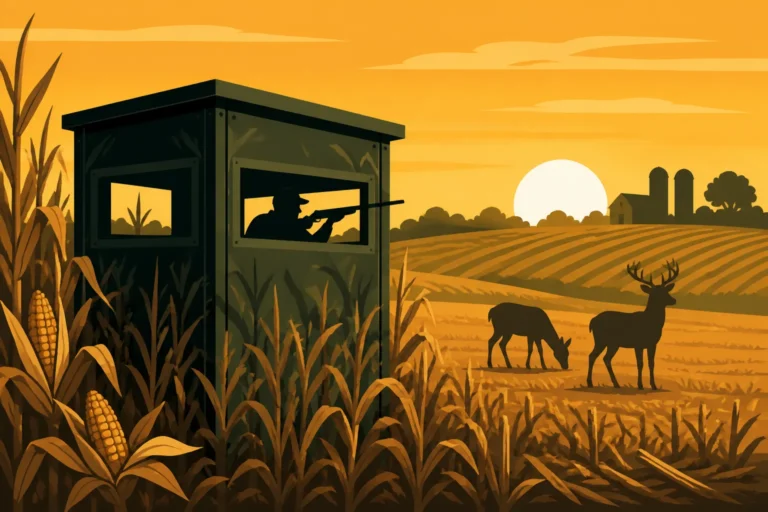
Ground blinds can be incredibly effective in late-season, especially when hunting field edges where natural cover is scarce. A well-brushed-in blind can provide excellent concealment and warmth, allowing you to endure long, cold sits. If you're considering Ground Blinds in Iowa Farm Country, make sure it's set up well in advance, so deer become accustomed to its presence. For elevated stands, look for trees that offer natural back cover and position yourself with the sun at your back during prime hunting hours. Always prioritize a safe and quiet entry and exit path, even if it means walking a little further. Access Routes That Do Not Bump Deer are not just a suggestion; they are a necessity for late-season success.
Hunting the Right Time and Conditions
Late-season deer hunting is often a game of patience, played out during specific windows. The most productive times are typically the last hour or two of daylight and the first hour after dawn. However, don't rule out midday movement, especially on extremely cold or snowy days when deer are forced to feed more frequently to survive. A cold front, particularly one that brings fresh snow, can trigger significant deer movement as they know they need to fill up before conditions worsen. This is where December Cold Front Deer Movement becomes so important to understand.
Dress warmly in layers to combat the cold. You'll be sitting for extended periods in brutal temperatures, and being uncomfortable will shorten your sit and reduce your focus. Pay attention to the forecast, looking for those critical drops in temperature or snowfall events that might just get a big buck on his feet during daylight. Also, remember the unique challenges of hunting with a muzzleloader in these conditions. Keeping your powder dry is critical, and you’ll need to put effort into Keeping a Muzzleloader Dry in December to prevent misfires.
Muzzleloader-Specific Considerations for Food Source Hunts
Hunting with a muzzleloader adds its own layer of considerations, particularly in the biting cold of Iowa's late season. The unique mechanics of these firearms demand extra attention to detail for successful and ethical hunting.
Ballistics and Shot Placement in Cold Weather
Muzzleloaders, by their nature, have different ballistic characteristics than modern centerfire rifles. While straight-wall cartridge rifles have gained popularity, many still rely on traditional muzzleloaders. Your effective range will likely be shorter than with other firearms, and precise shot placement is always critical, but especially so on cold, weary deer that are often moving quickly to and from food. Practice extensively with your chosen load and projectile to understand its trajectory at various distances. Many muzzleloaders are incredibly accurate, but only if you know your gun and your load. For many hunters, getting a deer at 100 yards with a muzzleloader is a stretch, and closer shots are ideal, so understand your Muzzleloader Accuracy at 100 Yards.
When a deer presents itself, wait for a broadside or slightly quartering-away shot. Aim for the vital triangle behind the shoulder, slightly lower than you might with a faster bullet. The goal is to hit both lungs and, ideally, the heart. In the cold, deer can often travel further after a poor hit, and a blood trail in snow can be deceptive. Emphasize ethical shots and ensure you are confident in your ability to make the shot count. Always be thinking about Shot Placement on a Whitetail at Twenty Yards, and how that changes with your chosen weapon.
Maintaining Your Muzzleloader in Frigid Conditions
The Achilles' heel of a muzzleloader in late season is moisture. Black powder and most substitutes are hygroscopic, meaning they readily absorb moisture. A damp charge will result in a misfire, and nothing is more frustrating than having a trophy buck in your sights only to hear a click instead of a bang. Invest in waterproof caps for your percussion nipple or primer, and ensure your powder and primers are stored in sealed, waterproof containers until you're ready to load. Some hunters even carry their powder charges in pre-measured, sealed tubes to minimize exposure to humidity.
When loading in the cold, your fingers might be stiff and less dexterous. Practice the loading process with gloves on before you ever hit the field. Ensure your ramrod is easily accessible and moves freely. After each hunt, even if you didn't fire, it's wise to clean your muzzleloader thoroughly. The cold, damp air can promote rust, and residual powder fouling can absorb moisture, leading to problems on your next sit. Regular, diligent maintenance is crucial for reliable performance throughout the late muzzleloader season.
| Late-Season Food Source | Deer Appeal | Ideal Hunting Conditions | Notes for Hunters |
|---|---|---|---|
| Standing Corn | High | Cold, snowy, overcast days | Deer often bed nearby; hunt edges carefully. Look for trails leading into fields. |
| Brassica Food Plots | High | Post-hard-frost, cold | Sweetens after frost. Excellent draw in late season. |
| Winter Wheat/Clover | Moderate | Moderate cold, snow | Provides green forage. Often secondary to corn/brassicas but still valuable. |
| Waste Grain (Cut Fields) | Moderate | Cold, snowy | Deer meticulously work fields for dropped kernels. Often nocturnal feeding. |
| Acorns (Oak Flats) | Moderate | Light snow cover | If available, deer will paw through snow. Focus on white oaks first. |
| Native Woody Browse | Consistent | Anytime | Deer constantly nibble on twigs and buds in thickets. Good for midday. |
Late muzzleloader food source hunting in Iowa is a challenging but incredibly rewarding pursuit. By understanding deer behavior, meticulously scouting for key food sources, employing smart hunting tactics, and taking care of your equipment, you can punch your tag on a cold-weather whitetail. Remember, the deer are driven by survival at this point in the season, and you, as the hunter, need to adapt to their focused, efficient routines. GoHunt can be a valuable tool to help identify and analyze potential food sources and bedding areas, making your scouting efforts more efficient and your time in the stand more productive.
Disclaimer
Please remember that hunting regulations can change. Always consult the most current Iowa Department of Natural Resources (DNR) regulations booklet before heading afield to ensure you are in compliance with all state laws. This guide is for informational purposes only and does not substitute for official regulations.