Iowa Public Land With the Most Timber
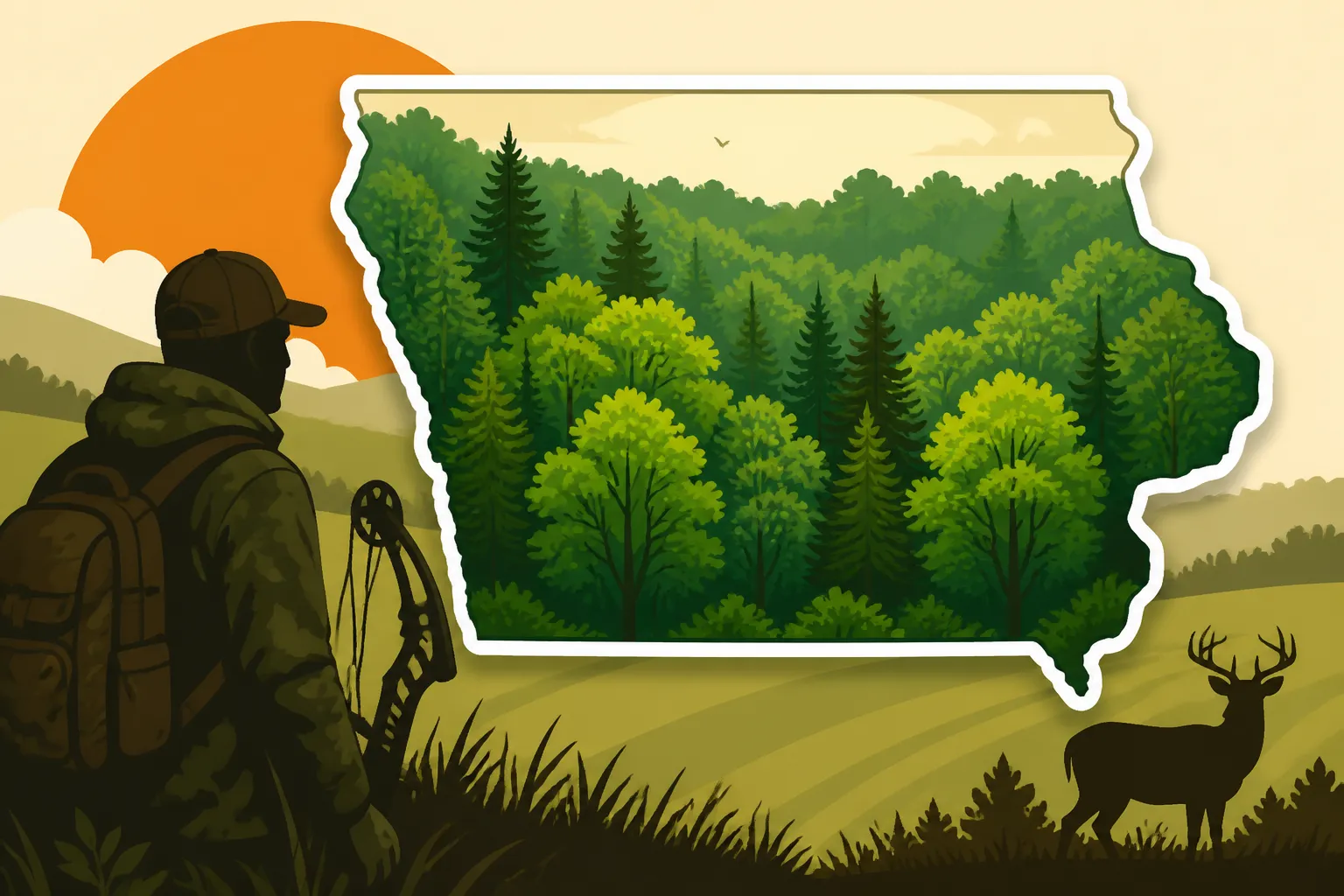
For many hunters, the image of Iowa conjures up vast corn and soybean fields, with tiny islands of timber scattered about. While that’s often the reality, it can be incredibly frustrating for those of us who dream of hunting big woods, sprawling tracts of mature timber where deer feel truly secure. Trying to pinpoint those larger, continuous blocks of trees on public ground in a state so dominated by agriculture can feel like searching for a needle in a haystack. This guide is here to help you understand where these timbered havens exist on Iowa public land and how to approach hunting them effectively.
The Elusive Timber: Why Finding Big Woods in Iowa Public Land is a Challenge
It’s no secret that Iowa is a powerhouse in agricultural production. Our rich soil and relatively flat terrain make for incredible crop yields, which is fantastic for the economy and often for our deer herd, providing abundant food sources. However, this agricultural dominance means that truly extensive, uninterrupted timber stands on public land are a rarity compared to states with more rugged, less farmed landscapes. You often find yourself looking at public land maps and seeing small, isolated woodlots, or narrow timber strips along creeks, which can feel limiting if you’re hoping to immerse yourself in a true timber hunt.
This fragmentation of timber creates unique challenges. Deer in these smaller woodlots are often hyper-pressured, blowing out of cover at the slightest disturbance. It also means you might spend a lot of time "e-scouting" and driving only to find a public parcel with a nice-looking timber block on the map that turns out to be a mere five acres, surrounded by fields, offering little sanctuary. Hunters frequently express frustration with the sheer amount of agricultural ground they have to navigate to find anything resembling a "forest," and the effort required to scout these smaller, often linear timber pieces can be immense. It requires a different mindset than hunting vast national forests or large wilderness areas.
Understanding Iowa's Timber Landscape
Iowa's timber isn't uniform. In some areas, you'll find mature oak and hickory stands, perfect for deer and turkey. In others, it might be younger mixed hardwoods, dense cedar thickets, or floodplain timber dominated by silver maples and cottonwoods along river systems. Each type of timber presents different challenges and opportunities. For instance, a dense cedar swamp might be an impenetrable bedding area but offer little in the way of food, while an oak flat might be a prime feeding spot during the acorn drop but provide less thermal cover in deep winter.
What many hunters yearn for is that sense of wildness that comes with truly expansive timber, where you can get lost (figuratively, of course!) and feel like you're hunting deer on their terms, deep in their sanctuary. The reality in much of Iowa is that deer are constantly interacting with agricultural fields, even in the "timbered" areas. This means your approach to Iowa Whitetail Hunting Tactics Through the Rut or even just general scouting needs to account for this constant edge effect. The deer are rarely far from a food source, even when bedded in heavy timber.
Northeast Iowa's Driftless Region: Ancient Timber and Rugged Terrain
When Iowans talk about "big timber" on public land, the conversation almost always turns to the northeastern corner of the state, particularly the Driftless Area. This region famously escaped the last glacial advance, leaving behind a rugged landscape of steep bluffs, deep valleys, and extensive timber that feels drastically different from the rest of Iowa. Here, you'll find some of the most continuous forest cover in the state on public ground.
The terrain itself is a hunter's challenge and a deer's advantage. Imagine steep ridges dropping into tight creek bottoms, with timber that can feel almost impenetrable in places. This is not flat-ground hunting, and it demands excellent physical conditioning and a solid understanding of how deer use elevation and cover. For those willing to put in the work, however, it offers a truly unique Iowa hunting experience and some of the best opportunities to get away from crowds.
Yellow River State Forest: A Gem of Northeast Iowa
The crown jewel of timbered public land in the Driftless Area is arguably Yellow River State Forest. Located in Allamakee County, it boasts thousands of acres of contiguous timber, making it a true anomaly in Iowa. When you look at an aerial map, it's a vast expanse of green, a stark contrast to the patchwork quilt of fields and woodlots elsewhere. The steep hillsides are covered in mature hardwoods, providing excellent cover and food for deer, as well as prime habitat for turkeys.
Hunting Yellow River State Forest Hunting requires a different approach. You'll be climbing, descending, and navigating dense timber. Finding remote pockets means putting in the miles, often far from roads or obvious access points. This type of terrain naturally funnels deer into draws and along benches, and understanding how to read these subtle shifts in elevation is key. It's a place where you can find genuine solitude and feel like you're hunting in a different state altogether. The deer here are accustomed to relying on the terrain for safety, often bedding on steep slopes or in dense thickets, making traditional flat-land tactics less effective.
Other Driftless Timbered Tracts
Beyond Yellow River, other state forests and wildlife management areas (WMAs) in the Driftless Region offer significant timbered acreage. Places like Effigy Mounds National Monument (with specific hunting regulations, so always check first) and various county conservation board areas in counties like Clayton, Dubuque, and Fayette often have sizable timber blocks. While not always as expansive as Yellow River, these areas still offer a more timber-centric hunting experience than central or western Iowa.
These smaller, though still significant, timber tracts often feature similar challenging topography, with a mix of oak, maple, and basswood. Hunters need to be diligent in scouting, using contour maps to identify subtle changes in elevation that might serve as deer travel corridors or bedding locations. Don't overlook the importance of small water sources in these rugged areas; hidden springs or tiny seepages can be magnets for deer, especially during dry spells. When you’re Scouting Iowa Timber and River Bottoms, paying close attention to these micro-features can make all the difference.
Southern Iowa's Rolling Hills: Dense Woods and Creek Bottoms
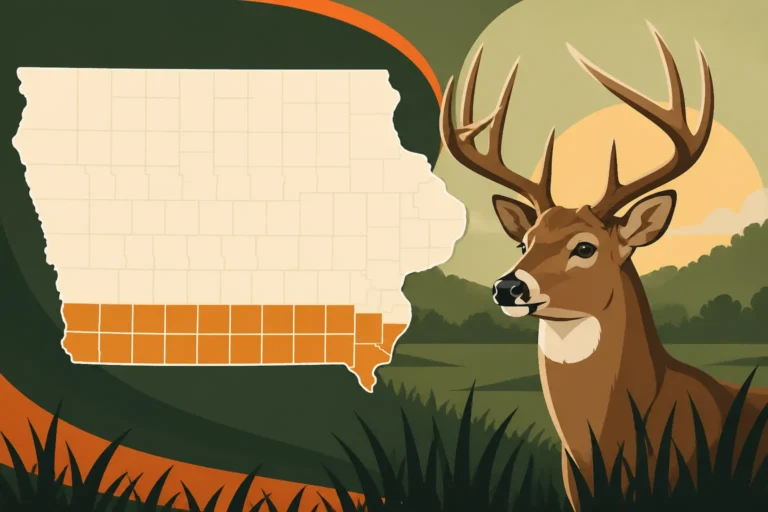
Moving south, the landscape changes again, but southern Iowa still holds some of the state's best timbered public land, particularly in its extensive state forests. This region is characterized by rolling hills, deeper creek and river drainages, and generally poorer agricultural soils, which historically allowed more timber to remain intact. While not as rugged as the Driftless, the timber here can be incredibly dense and widespread, often forming larger blocks than what you'd find in central Iowa.
The timber in southern Iowa often consists of a mix of oak, hickory, walnut, and sometimes dense cedar thickets, particularly on south-facing slopes. These areas provide excellent mast crops for deer and turkeys, and the dense undergrowth offers fantastic bedding and thermal cover. The rolling terrain creates natural funnels and pinch points, making it prime habitat for mature bucks. The challenge here is often the sheer density of the timber and the difficulty of navigating it quietly and efficiently.
Stephens State Forest: South Central Iowa's Timber Haven
Stephens State Forest is another major player in Iowa's timbered public land offerings, spanning multiple counties in south-central Iowa. Comprising thousands of acres spread across various units, it provides a crucial refuge for deer and other wildlife. Much like Yellow River, Stephens is dominated by mature timber, primarily oak and hickory, providing abundant mast crops. The rolling hills and deep draws offer diverse habitat and plenty of cover.
Hunting Stephens State Forest Hunting means you'll encounter a varied landscape, from relatively open timber flats to thick, brushy draws. Access can be a challenge, with many interior areas requiring significant hikes to reach. This helps reduce pressure in some of the deeper woods. The key to success often lies in finding those unpressured pockets, often by hiking further than most are willing to go. Look for subtle ridges and saddles where deer might cross between bedding and feeding areas, especially during the rut. Hunting Saddles and Pinch Points in Rolling Timber can be incredibly effective here.
Shimek State Forest and Other Southern Tracts
Further to the southeast, Shimek State Forest in Lee and Van Buren counties offers similar expansive timber hunting opportunities. Known for its challenging terrain and dense cover, Shimek is another excellent option for hunters seeking that big woods experience. Like Stephens, it's dominated by mature hardwoods, providing a rich ecosystem for deer, turkeys, and even some quail.
Many other wildlife management areas and county conservation board lands across southern Iowa, while smaller, collectively offer substantial timbered acreage. Counties like Appanoose, Lucas, Monroe, and Wayne are known for their high deer densities and significant timber cover, even if it's not always in massive, singular blocks. When looking at maps, seek out areas near larger river systems, as their floodplains and adjacent bluffs often host continuous timber. These areas are also great for Quail Coveys in Southern Iowa Brush and other small game.
River Corridors and Floodplain Forests: Ribbon of Green in the Farmland
Beyond the large state forests, Iowa's extensive river systems provide critical corridors of timber, often stretching for miles through otherwise agricultural landscapes. These river bottoms and adjacent bluffs are vital arteries for wildlife, providing cover, travel routes, and diverse habitat. While not always as geographically expansive as a state forest, these linear timber features can feel incredibly wild and remote, especially when you get away from easy access points.
The timber in river bottoms is typically composed of flood-tolerant species like silver maple, cottonwood, and willow, though adjacent uplands often feature oaks and other hardwoods. These areas are dynamic, influenced by seasonal flooding, which can create unique challenges but also present opportunities, as deer adapt their movements to the fluctuating water levels. They are crucial for deer movement, especially during the rut when bucks are cruising for does, and offer fantastic opportunities for late-season food source hunting along the edges of standing crops.
The Mississippi and Missouri River Systems
The mighty Mississippi River, forming Iowa's eastern border, is flanked by vast expanses of timber, particularly in its backwaters, islands, and floodplains. Much of this land falls under various federal or state management, such as the Upper Mississippi River National Wildlife and Fish Refuge. While some areas are focused on waterfowl, many islands and floodplain timber tracts are open to deer hunting. This unique environment requires knowledge of boat access, fluctuating water levels, and navigation skills, but it offers incredible opportunities for solitude and hunting mature bucks that utilize the dense cover.
Similarly, the Missouri River along Iowa's western border, though less forested than the Mississippi, still offers significant timbered areas, especially in places like DeSoto Bend National Wildlife Refuge (with specific managed hunts) and other Corps of Engineers lands. These river bottom timber stands are crucial for Iowa Whitetail Body and Antler Size as they provide rich browse and cover year-round. Don't overlook these linear features; deer often travel miles along these timbered strips, using them as natural highways.
Smaller River and Creek Systems
Even Iowa's smaller rivers and their tributaries—like the Skunk, Des Moines, Iowa, Cedar, and Maquoketa Rivers—host significant timbered public land. These riparian corridors, often managed as wildlife management areas or county parks, provide essential travel routes and bedding cover for deer. Hunters often overlook the hunting potential of narrow creek corridors, assuming they're too small to hold deer. However, these areas can act as vital pinch points and natural funnels, especially where they intersect with agricultural fields or connect larger timber blocks.
Accessing these areas sometimes involves wading or using small boats, which can deter other hunters and create unpressured pockets. Look for oxbows, old river bends that have been cut off, as these often form dense, neglected patches of timber that can hold deer. Understanding River Oxbows and Deer Movement can give you a significant edge. When scouting, pay attention to subtle elevation changes along river bluffs; deer will often bed on higher ground overlooking the floodplain, using the river as a natural barrier.
Tools and Strategies for Locating Timbered Public Ground
Finding these timbered havens in Iowa requires more than just glancing at a paper map. We're in the digital age, and leveraging modern mapping applications is crucial for identifying promising areas, understanding access, and interpreting the landscape before you ever set foot in the woods. These tools empower you to virtually scout vast areas, saving you time and fuel, and helping you focus your efforts on the most productive spots.
Without these digital aids, you'd spend countless hours driving county roads, hoping to stumble upon a public access sign, only to find a small, unappealing patch of cover. The frustrations of dealing with scattered, small public parcels in an agricultural state are real, but technology can significantly mitigate them by helping you quickly discern the diamonds in the rough from the marginal areas.
Using Digital Mapping Applications
Mapping apps like onX Hunt and GoHunt have revolutionized how hunters approach scouting and navigation. These platforms offer detailed aerial imagery, topographical maps, and clearly delineate public and private land boundaries, which is absolutely essential in a state with so much mixed ownership like Iowa. With a premium subscription, you can layer various maps, mark waypoints, measure distances, and track your movements in real-time, even without cell service.
For identifying timbered public land, the aerial imagery is your best friend. Look for contiguous blocks of dark green. Zoom in to identify timber density, tree species (e.g., distinguishing evergreens from hardwoods), and underlying terrain features like ridges, draws, and creek beds. Use the topography layer to find steep elevation changes that might indicate unpressured areas. With onX Hunt, for example, you can toggle between satellite views from different times of the year, which can reveal bedding areas that are only visible when leaves are off the trees. E-Scouting Iowa Farm Country From Home becomes a much more effective strategy with these tools.
Iowa DNR Hunter Atlas and Public Land Resources
The Iowa Department of Natural Resources (DNR) also provides valuable resources, most notably the Iowa Hunting Atlas. This online tool allows you to view all public hunting lands, including state forests, wildlife management areas, county conservation lands, and especially the increasingly important Iowa Habitat and Access Program (IHAP) tracts. IHAP land, marked with distinctive yellow signs, provides walk-in access to private land for hunting, often encompassing valuable timbered parcels.
While the DNR atlas might not have the same detailed layers as onX Hunt or GoHunt, it's the definitive source for official public access points and rules. Always cross-reference what you find on commercial apps with the DNR atlas to ensure you're on legal hunting ground. Pay close attention to any special regulations for specific WMAs or state forests, as rules can vary regarding things like ATV use, camping, or stand placement. When you’re Using the Iowa DNR Hunter Atlas, make sure you understand the nuances of each land designation.
Interpreting Aerial Imagery for Timber Features
Beyond simply identifying "green" areas, learning to interpret aerial imagery for specific timber features will greatly enhance your success. Look for:
- Dense, dark green areas: These often indicate mature, closed-canopy timber, which can be excellent bedding cover, especially on north-facing slopes for thermal regulation.
- Irregular edges: Timber with irregular edges, especially bordering agricultural fields, creates more "edge habitat," which deer love for browsing and security. Look for inside corners of crop fields where timber pushes out.
- Finger ridges and draws: In rolling or hilly timber, these features are natural travel corridors. Deer will often walk just below a ridge top or in the bottom of a draw.
- Cedar or pine thickets: These show up as a slightly different shade of green, often denser and more uniform. They are invaluable for thermal cover in late season. Cedar and Locust Thickets as Bedding Cover are gold mines.
- Water sources: Small ponds, creek bends, or marshy areas within or adjacent to timber are critical, especially in drier years.
Learning to read these clues from your computer screen can give you a massive advantage, helping you pinpoint potential stand locations and strategic access routes long before you ever step into the woods.
Hunting the Timber: Tactics for Success and Pressure Management
Once you've identified those coveted timbered public land parcels, the next challenge is actually hunting them effectively. Unlike field-edge hunting, where you might focus heavily on specific feeding times, timber hunting requires a deeper understanding of deer movement within the woods, how they use different cover types, and perhaps most importantly, how they react to hunting pressure. It’s about being observant, adapting, and often, being willing to go where others aren't.
Iowa's timbered public land, while fantastic, still sees its fair share of hunters. Managing your approach to minimize your impact and avoid bumping deer is paramount, especially on parcels that are not as vast as Yellow River State Forest. A single hunter walking carelessly through a prime bedding area can ruin the hunting for days, if not longer.
Scouting and Stand Placement in Dense Timber
Thorough, quiet scouting is the foundation of successful timber hunting. When you're in the woods, look for key sign: heavily used deer trails, rub lines, scrapes, and bedding areas. In dense timber, deer often have a vast network of trails. Focus on those that show fresh activity, especially those connecting different habitat types, such as a bedding thicket to a known food source. Pay close attention to changes in topography, like saddles, benches, or finger ridges, as these naturally funnel deer movement.
When it comes to stand placement, concealment is key. In big timber, deer often feel more secure, but they are also incredibly vigilant. Choose trees that offer ample cover from multiple directions. Consider the prevailing wind direction for both your approach and the hunt itself. For mobile hunters, a saddle hunting setup can be invaluable in timber, allowing you to quickly adapt to changing conditions and slip into spots with minimal disturbance. For more permanent sets, Hanging Stands on Iowa Public Ground means ensuring they can be removed after the season, or if allowed, maintained discretely.
| Stand Type | Pros | Cons | Ideal Use in Iowa Timber |
|---|---|---|---|
| Hang-on Stand | Lightweight, versatile, good for mobile hunting | Requires climbing sticks, can be tiring to set up | Scouting new areas, hunting specific sign, quick changes |
| Climbing Stand | Self-contained, quiet to set, good mobility | Limited to straight trees, can be noisy | Mid-range mobility, hunting new areas with ideal trees |
| Ladder Stand | Comfortable, stable, easy access | Heavy, bulky, less mobile, conspicuous | Fixed locations, established food plots, low-pressure areas |
| Hunting Saddle | Ultra-mobile, lightweight, all-angle shots | Learning curve, less comfortable for long sits | Deep timber, highly pressured areas, dynamic hunting |
Dealing with Hunting Pressure
Public land in Iowa, even timbered tracts, can experience significant hunting pressure. Understanding Hunting Pressure Patterns on Iowa Public Land is vital. Opening weekends of shotgun seasons, for instance, can see an influx of hunters, often leading to deer becoming nocturnal or moving to private land refuges. During these periods, focus your efforts on the thickest, nastiest cover that other hunters are less willing to penetrate. Deer will often seek refuge in dense cedar swamps, multiflora rose thickets, or deep creek bottoms where human access is difficult.
Consider hunting during weekdays, especially after the initial weekend rush, when pressure often subsides. Pay attention to how access points are used. If a parking lot is consistently full, consider walking in from a less obvious spot, even if it means a longer hike. Your access route is just as important as your stand location; ensure you're using Access Routes That Do Not Bump Deer on your way in and out. Being the hunter who goes further, deeper, and is more willing to endure tough conditions will often be rewarded with sightings of less pressured deer.
Beyond Deer: Other Game in Iowa's Big Woods
While whitetail deer are undoubtedly the main attraction for many Iowa hunters, the state's timbered public lands offer fantastic opportunities for a variety of other game species. These areas provide diverse ecosystems that support everything from thunderous gobblers to elusive squirrels, offering a full spectrum of hunting experiences throughout the year. Don't overlook the chance to extend your hunting season or simply enjoy a different kind of challenge in these rich habitats.
Exploring these other opportunities not only makes you a more versatile hunter but also allows you to learn the land in different ways. What you observe during a spring turkey hunt can inform your fall deer strategies, and vice-versa. Understanding how these various species interact within the timber provides a deeper appreciation for the complex ecosystems Iowa's public lands support.
Wild Turkeys in Timbered Public Land
Iowa's timbered public lands are prime habitat for Eastern wild turkeys, especially the sprawling state forests in the Driftless and southern regions. Yellow River and Stephens State Forests, with their extensive oak-hickory stands, are renowned for their robust turkey populations. Spring turkey season offers an incredible experience, listening to gobblers echo across the timbered ridges as the woods come alive.
Hunting turkeys in these areas often means covering a lot of ground, listening for gobbling activity, and trying to get ahead of birds as they move off the roost. Iowa Turkey Hunting Tactics for Spring Gobblers involves understanding their daily patterns, from fly-down to feeding and loafing areas. Learning to call effectively, especially locator calls to pinpoint gobblers, is crucial. These big timber areas also offer great opportunities for Roosting Iowa Turkeys the Night Before, giving you a significant advantage for an early morning setup. The steep terrain and dense cover can make getting into position quietly a challenge, but the rewards of calling in a big tom in the big woods are well worth the effort.
Small Game and Predators in the Woods
Beyond the big game, Iowa's timbered public lands are teeming with smaller game animals. Squirrels (fox and gray) are abundant in oak and hickory stands, providing excellent opportunities for a relaxed hunt, often with a .22 rifle or shotgun. Rabbit hunting is also popular, especially in areas with thick briar patches, brush piles, and fallen timber edges within or adjacent to the main woods. These hunts can be a great way to introduce new hunters to the sport or to simply enjoy a day afield without the intensity of a deer hunt.
These timbered environments also support a healthy population of predators and furbearers. Coyotes are common throughout Iowa's timber and adjacent farmlands, offering year-round hunting opportunities. Bobcat populations have been expanding in southern Iowa, and while their harvest is highly regulated, the chance to spot one in its natural timbered habitat is a thrill. Understanding these smaller animal movements and sign can often shed light on the larger patterns of deer and turkey, as all species share and interact within the same environment.
Disclaimer
This article is for general informational purposes only and does not constitute professional advice. Laws, prices and regulations vary by location and change over time. Consult a qualified professional for guidance on your specific situation.