Layering for Iowa December Sits
The biting cold of an Iowa December can truly test a hunter's resolve, turning what should be an exciting sit into a shiver-filled ordeal if you're not prepared. There’s nothing worse than having to pack up early because your teeth are chattering too loudly to even think about taking a shot. This guide is all about equipping you with the knowledge to layer up effectively, ensuring you stay warm, comfortable, and focused during those crucial late-season hunts for Iowa whitetails.
Understanding the Core Principles of Layering
When the mercury drops and the wind howls across those vast Iowa fields, simply piling on one thick garment after another often leads to discomfort rather than warmth. The real magic happens when you embrace the art of layering. It’s not just about wearing more clothes; it's about strategically combining different types of garments to create a highly adaptable system that insulates, wicks moisture, and blocks the elements. This approach allows you to regulate your body temperature much more effectively, whether you're breaking a sweat dragging a stand in or sitting motionless for hours on a frigid morning.
The Science Behind Trapped Air
Think of layering like building a tiny, personal microclimate around your body. Each layer of clothing, especially those designed for insulation, traps a thin pocket of air. Air, when still, is a fantastic insulator. The more still air you can trap close to your body, the better protected you are from the cold trying to sneak in. This is why a puffy jacket works so well – it's mostly air, held in place by down or synthetic fibers. When you wear multiple thinner layers, you're essentially creating multiple air pockets, each contributing to your overall warmth. This multi-layer system also provides flexibility; if you get too warm, you can shed a layer; if the temperature drops, you can add one back. It’s a dynamic system, much like how animals adapt their fur thickness or feather puffiness to the conditions.
We've all had those mornings where the walk to the stand feels like a furnace, only for the sit to turn into an ice bath as soon as you stop moving. This is precisely where layering shines. By starting with lighter layers for your walk in, then adding insulation once you're settled, you prevent that clammy, cold sweat that chills you to the bone. This adaptability is key to success when Staying Warm on a December Sit.
The Importance of Versatility
Iowa weather in December can be notoriously unpredictable. One day you might have a crisp, sunny afternoon in the low 30s, perfect for a long sit near a Late-Season Food Source Hunting in Iowa. The next, a brutal cold front could blow in, bringing single-digit temperatures and a biting northwest wind. A versatile layering system means you're prepared for anything. Instead of having one "heavy coat" that's either too much or not enough, you have components that can be mixed and matched.
Imagine you're scouting out a new section of public land on a brisk December morning, trying to locate fresh deer sign. You’re hiking through timber, climbing over downed logs, and pushing through thick briar patches. Your activity level is high, and you're generating a lot of body heat. If you're wearing one monolithic, super-heavy jacket, you'll quickly overheat and start sweating. That sweat, once you stop moving, will chill you to the bone. With a versatile layering system, you might start your hike with just a base layer and a wind-resistant shell, carrying your heavier insulation in your pack. Once you reach your vantage point and settle in to glass, you can quickly don that puffy mid-layer and be perfectly comfortable. This flexibility ensures you're always operating at your optimal temperature, which in turn helps with focus and patience – two crucial elements for success.
Building Your Layering System from the Inside Out
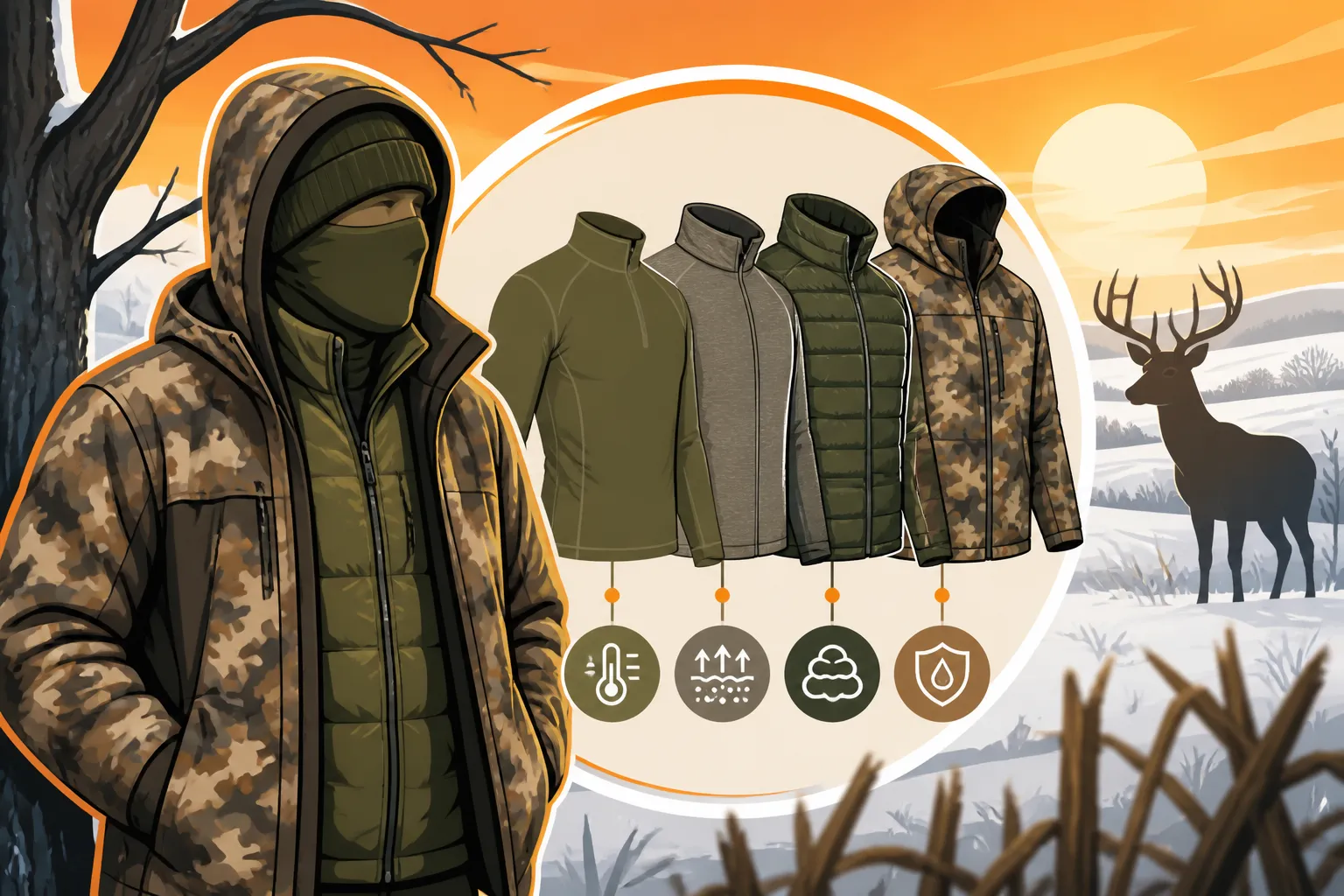
A well-constructed layering system is like a perfectly tuned engine: each part has a specific job, and they all work together seamlessly. When it comes to hunting in Iowa’s December chill, you really want to pay attention to these three core components: the base layer, the mid-insulation layer, and the outer shell. Skipping one or choosing the wrong material for any of these can throw the whole system off, leaving you cold and miserable.
The Base Layer: Your Second Skin
The base layer is arguably the most critical component because it sits directly against your skin. Its primary job isn't to make you warm, but to manage moisture. When you're walking to your stand, dragging a deer, or even just climbing into your treestand, you'll sweat. If that sweat stays on your skin, it will rapidly cool you down once your activity level decreases, leading to hypothermia, even in relatively mild cold.
The best materials for base layers are merino wool and synthetic fabrics. Merino wool is an absolute superstar; it's soft, incredibly warm for its weight, and naturally wicks moisture away from your skin while retaining its insulating properties even when damp. Plus, it has natural antimicrobial properties, which means it resists odor buildup – a huge bonus on multi-day hunts or when you’re trying to stay scent-free. Synthetics, on the other hand, are often more budget-friendly, excellent at wicking, and quick to dry. They might not have the same natural odor resistance as wool, but modern synthetics have come a long way. Whatever you do, avoid cotton like the plague for any layer that touches your skin. Cotton absorbs moisture and holds it, turning into a cold, wet rag against your body the moment you stop moving. I learned this the hard way many years ago during a brutally cold late December sit for Iowa January Antlerless Hunts, and trust me, it’s a mistake you only make once.
Mid-Insulation Layers: The Warmth Providers
This is where you pile on the warmth, trapping all that precious air we talked about. Your mid-layers are designed purely for insulation. Common materials include fleece, down, and synthetic puffy insulation. Fleece is a fantastic and versatile option, coming in various weights from thin micro-fleece to thick, high-loft versions. It's relatively inexpensive, breathes well, and performs decently even when a bit damp.
Down insulation, often seen in lightweight puffy jackets, offers an incredible warmth-to-weight ratio. It's incredibly compressible, making it easy to pack, but its major drawback is that it loses most of its insulating properties when wet. If you're hunting in particularly damp conditions, or if there's a chance of heavy snow or freezing rain, you might think twice about relying solely on down. Synthetic puffy insulation, like that found in jackets from companies like Sitka or First Lite, attempts to mimic down's properties. It doesn't compress quite as small and can be a bit heavier, but it retains warmth much better when wet, which is a huge advantage for unpredictable Iowa weather. For those long, stationary periods, perhaps during Late Muzzleloader Deer Hunting in Iowa, a high-loft synthetic mid-layer under a good shell can be a game-changer. These layers are crucial for creating that deep pocket of warmth that protects you from the deep cold of a December Cold Front Deer Movement.
Outer Shell: The Shield Against the Elements
Your outer shell is your first line of defense against the biting Iowa wind, rain, and snow. It doesn't necessarily provide much insulation on its own, but it protects your insulating layers from getting wet and prevents wind from robbing your body heat. The key properties here are wind resistance, water resistance (or outright waterproofness), and quietness.
There's a trade-off to consider: waterproof materials are typically less breathable than highly water-resistant ones. If you're hiking a lot, breathability helps prevent sweat buildup. If you're primarily sitting in a stand, absolute waterproofness might be more critical, especially if you get caught in a freezing rain shower. Look for fabrics that are soft, flexible, and don't make a lot of noise when you move – rattling fabrics will spook deer every time, especially in quiet timber. Pay attention to features like adjustable cuffs, hoods that fit over your headwear, and strategically placed pockets. For serious late-season hunting, a quality outer shell is not a place to skimp. It protects all your efforts in creating warmth. It also needs to be quiet enough that when you move to draw your bow or shoulder your shotgun, it doesn't give you away. Quiet Fabrics for Treestand Hunting are non-negotiable for success.
| Layer Type | Primary Function | Recommended Materials | Avoid | Key Benefits |
|---|---|---|---|---|
| Base Layer | Moisture Management | Merino Wool, Synthetics | Cotton | Wicks sweat, prevents chilling, odor control |
| Mid-Layer | Insulation | Fleece, Down, Synthetic Puffs | — | Traps warm air, provides bulk warmth, packable |
| Outer Shell | Weather Protection | Water/Windproof Membranes | Noisy fabrics | Blocks wind, repels rain/snow, protects layers |
Special Considerations for Iowa December Hunting
December hunting in Iowa isn't just about cold temperatures; it's about a unique combination of factors that demand specific gear choices and layering strategies. From the persistent wind to the often-wet environment, being truly prepared means thinking beyond just the thermometer reading. We've all been there, underdressed for the wind chill or soaking wet from melting snow, and it's a quick way to end a hunt early.
Battling the Biting Wind and Moisture
The wind in Iowa in December is often a major factor. It feels like it just rips right through your clothes, stealing your body heat faster than anything. Even if the air temperature isn't brutally low, a strong 15-20 mph wind can make it feel 10-20 degrees colder due to the wind chill effect. This is where the windproof qualities of your outer shell become paramount. A shell that merely resists wind isn't enough; you need one that absolutely blocks it. Look for garments with Gore-Tex or similar wind-blocking membranes. Without proper wind protection, all those fantastic insulating layers underneath are rendered much less effective as the wind strips away the warm air you've worked so hard to trap.
Beyond wind, moisture is another huge enemy. December can bring anything from freezing rain to heavy, wet snow, or even just melting frost. Your boots, especially, need to be up to the task. Boots for Wet Iowa Timber should be insulated and completely waterproof. Nothing ruins a hunt faster than cold, wet feet. Consider waterproof gloves or mittens as well, or at least have a backup pair. Even if it's not actively raining or snowing, walking through tall, damp grass or brushing against frost-covered branches can quickly soak through non-waterproof gear. I always carry an extra pair of socks and a small pack towel in my Packs for a Day in an Iowa Stand just in case my feet get wet.
Protecting Your Extremities
Your head, hands, and feet are often the first parts of your body to get cold because your body prioritizes sending warm blood to your core. Protecting these extremities is crucial for overall comfort and safety. For your head, a warm beanie or a balaclava made of merino wool or fleece is essential. On truly frigid days, a hooded outer shell pulled over your headwear can make a world of difference.
When it comes to hands, a layering approach works best here too. Start with a thin pair of merino wool or synthetic liner gloves that allow for dexterity. Over these, wear a heavier, insulated glove or a mitten. Mittens are generally warmer than gloves because your fingers share warmth, but they do limit dexterity. Many hunters opt for fingerless gloves with a fold-over mitten flap for maximum versatility. For your feet, choose insulated, waterproof boots that are comfortable and fit well. Don't size up too much, as too much empty space can actually make your feet colder. Again, avoid cotton socks; go for wool or synthetic blends. Consider using Hand and Toe Warmers That Last on the coldest days. They are a small investment that can make a huge difference in your comfort and ability to stay on stand.
Adapting Layers for Activity and Scent Control
Iowa hunting often involves a mix of high-activity moments (like a quick hike to a new spot or field dressing a deer) and prolonged periods of stillness (sitting in a treestand or ground blind). Your layering system needs to be flexible enough to handle these shifts without leaving you overheated and sweaty, or conversely, freezing cold. On top of that, maintaining a low-scent profile is critical, especially when deer are pressured in the late season.
Managing Layers During Movement and Stillness
This is where the true art of layering comes into play. Before you start your walk in, shed any unnecessary insulation. I often leave my heavy mid-layer and outer jacket off, carrying them in my pack. I’ll walk to my stand in just my base layer and maybe a light fleece, or even my outer shell if it’s a quiet, cold morning. This prevents overheating and sweating, which is your biggest enemy. Once you arrive at your stand or blind, wait a few minutes for your body to cool down and your breathing to regulate, then put on your additional layers. This simple practice can make a world of difference. It's much easier to add layers than to dry out sweaty ones in freezing temperatures.
If you’re doing a small deer drive with a buddy or two, perhaps when Party Hunting Rules and Safe Drives are in play, you'll be on the move quite a bit. Dress lighter for the active pushing, knowing you'll warm up quickly. The person standing on post might need to layer up more heavily. This dynamic adjustment is why a system of individual layers is far superior to one single heavy coat. Always err on the side of underdressing slightly for active periods and adding layers once stationary.
Integrating Scent Control into Your System
Scent control is a big deal in Iowa, especially when the deer have been pressured after the shotgun seasons. Late-season deer are incredibly wary, and any foreign scent can send them packing. Thankfully, many hunting apparel companies now integrate scent-control technologies directly into their base layers and mid-layers. These typically involve silver ion treatments or activated carbon, designed to absorb or neutralize human odor.
While no scent control system is foolproof, combining these specialized layers with strict scent discipline (showering with scent-free soap, washing clothes in scent-free detergent, storing them in airtight bags, and playing the wind) can give you an edge. Many hunters swear by products that claim to eliminate odor entirely, though most veteran hunters will tell you that playing the wind correctly is still your number one defense. Brands like GoHunt often have resources or community forums where hunters discuss their preferred scent control strategies and gear, which can be invaluable for figuring out what works best in specific Iowa conditions. Remember, you want to minimize your scent at every layer, not just the outer shell, because as you warm up, odor will permeate your clothing.
Packing and Maintenance for December Layers
Once you've assembled your ideal layering system, the next step is knowing how to pack it efficiently and maintain it properly. It's not just about getting dressed; it's about being prepared for changing conditions, keeping your gear in top shape, and ensuring longevity. A little planning goes a long way, especially when you might be hiking into public land areas like those found when Scouting Iowa Public Land Before the Opener.
Efficient Packing and Organization
When you're carrying multiple layers, especially bulky mid-layers, efficient packing is essential. Use compression sacks for your puffy jackets or sleeping bags if you're doing an overnight hunt. For a day hunt, simply rolling your extra layers tightly can save space in your pack. I like to keep my core outer layers easily accessible at the top of my pack so I can quickly grab them once I reach my stand. Having a dedicated spot for each type of layer – base, mid, outer, and accessories – helps keep things organized. This way, when you’re shivering and trying to add a layer in the dark, you’re not fumbling through a disorganized mess.
Consider using waterproof stuff sacks for individual layers, especially your critical base and mid-layers. If you slip and fall in a creek or get caught in a downpour, keeping your core insulating layers dry is paramount. You can find lightweight, compressible dry bags that add minimal weight but provide immense peace of mind. For longer sits, sometimes I'll even carry a small insulated seat pad in my pack – it seems like a minor detail, but keeping your backside warm and dry from a cold metal stand or damp ground can drastically improve comfort.
Cleaning and Caring for Specialized Fabrics
Specialized hunting fabrics, especially those with scent-control treatments or waterproof membranes, require specific care to maintain their performance. Always read the manufacturer’s care labels. For most scent-control garments, it means washing with scent-free detergents. High-tech waterproof/breathable membranes, like Gore-Tex, can lose their effectiveness if washed with regular detergents that contain softeners or brighteners. There are specific technical wash products designed for these fabrics that help restore their water repellency and breathability.
Avoid harsh chemicals, excessive heat in dryers (which can damage membranes and synthetic fibers), and fabric softeners. Proper care extends the life of your expensive hunting gear and ensures it continues to perform when you need it most. After a dirty or bloody hunt, clean your layers promptly. Allowing blood to dry and set can make it much harder to remove later. Taking the time to properly clean and store your gear at the end of the season ensures it’s ready for you next December, allowing you to focus on the hunt, not your equipment.
Disclaimer
This article is for general informational purposes only and does not constitute professional advice. Laws, prices and regulations vary by location and change over time. Consult a qualified professional for guidance on your specific situation.