Quiet Fabrics for Treestand Hunting
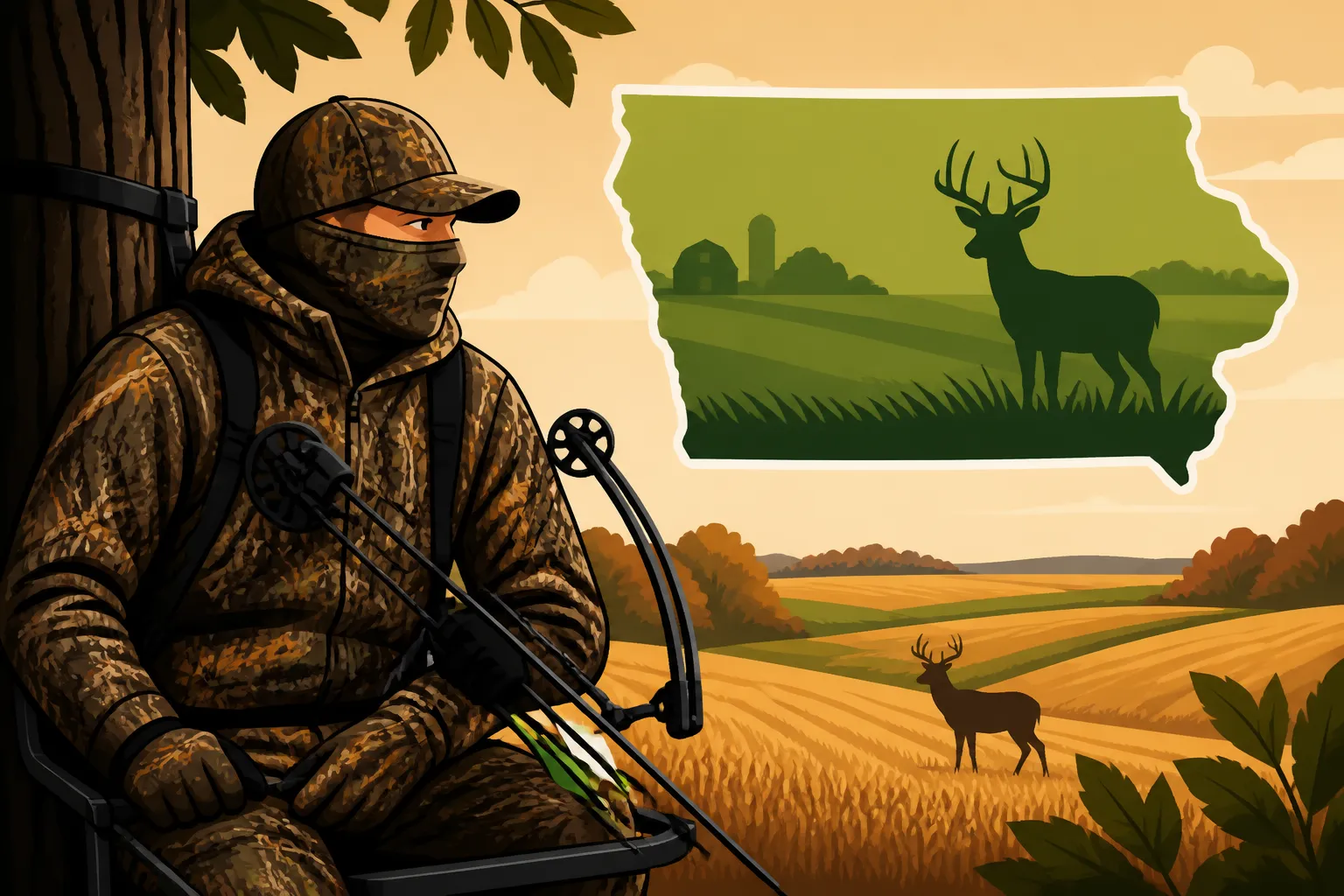
There's nothing quite like that heart-stopping moment when a big Iowa whitetail steps into your shooting lane, completely unaware of your presence. But many of us know the crushing disappointment when that perfect opportunity vanishes because of a tiny, unexpected sound – a rustle of clothing, a stiff jacket sleeve brushing against a treestand rail. This guide is all about tackling that common frustration head-on, diving deep into the world of quiet fabrics so you can stay undetected when it matters most.
The Frustration of Noise: Why Fabric Matters So Much
We've all been there. You're nestled high in a treestand, the cold air biting at your exposed skin, when suddenly a branch snaps in the distance. Your heart rate jumps. You carefully turn your head, maybe shift a boot, and crinkle. The sound, so insignificant in your living room, feels like a thunderclap in the silent timber. The whitetail, still a hundred yards out, throws its head up, staring intently in your direction. It's a gut punch, and it happens far too often because we underestimate just how well deer hear, and how much our gear can betray us.
The Silent Killer: How Sound Travels in the Woods
Imagine the woods on a calm morning. Every rustle of leaves, every distant crow, every subtle sound carries so much further than it would in a noisy urban environment. Deer, especially mature bucks and vigilant does, are masters of discerning unusual sounds. Their ears are like natural satellite dishes, swiveling independently to pinpoint the origin of even the slightest disturbance. That soft hiss of nylon, the brushing of a stiff shell against itself, or the subtle squeak of a zipper might seem negligible to us, but to a deer, it’s an alarm bell ringing in their incredibly sensitive auditory world.
We, as hunters, are often so focused on visual concealment and scent control that we sometimes overlook the "silent killer" of sound. The problem is compounded in a treestand. You're elevated, often shifting weight, adjusting your position, or even just reaching for your grunt tube. Any movement, however small, creates friction, and friction creates noise. That noise, amplified by the still air and the receptive ears of a deer below, can instantly turn a promising hunt into a frustrating memory. This is why the material of your outer layers isn't just about warmth or waterproofing; it's about staying in the game.
Common Noise Culprits in Hunting Gear
If you've ever bought a piece of hunting clothing that felt great in the store but sounded like a bag of potato chips in the stand, you know exactly what I'm talking about. Many synthetic fabrics, particularly those designed for extreme waterproofing or durability, can be incredibly noisy. Think about those stiff, crinkly rain shells or jackets with a tough, abrasive outer layer. While they might shed water like a duck, they also announce your presence with every breath.
Beyond the main fabric, little details can sabotage your silence. Stiff nylon zippers on pockets, hard plastic buckles on straps, or even the way two different layers of clothing rub together can create a cacophony. I remember one crisp November morning in the Iowa timber, trying to slowly draw my bow on a cruising buck, only to have my elbow brush the side of my chest, creating a distinct "shhhhhhkkk" sound from my stiff jacket. The buck, which had been trotting confidently, slammed on the brakes and bolted. It was a lesson hard-learned: every component of your gear needs to be considered for its noise potential. This is especially true when you're trying to perform delicate actions like drawing a bow or slowly bringing a rifle to your shoulder in close quarters.
Understanding Quiet Fabrics: What Makes Them Effective
The good news is that hunting apparel manufacturers are acutely aware of these challenges. Over the years, advancements in textile technology have given us an incredible array of fabrics designed specifically to minimize noise. It's not magic; it's smart engineering that understands the unique demands of a silent hunter.
The Science of Sound Dampening in Textiles
At its core, quiet fabric works by absorbing or dampening sound rather than reflecting it. Think about the difference between shouting in an empty gym versus shouting into a thick blanket. The blanket absorbs the sound waves. Similarly, quiet hunting fabrics typically achieve this through a combination of factors:
- Fabric Weave and Texture: Tightly woven but soft fabrics, often with a brushed or napped surface, are excellent at trapping air and diffusing sound waves. This creates a "dead" sound, preventing the sharp, crinkly noises associated with smoother, harder materials. Fleece, for example, has a deep pile that's incredibly good at this.
- Density and Loft: Thicker fabrics, or those with more loft (like insulated jackets), naturally absorb more sound. The extra material simply has more mass to soak up vibrations.
- Material Composition: Natural fibers like wool are inherently quieter due to their complex structure, which naturally dampens sound. Many modern synthetics mimic these properties, often blending soft microfibers into unique weaves.
When you feel a truly quiet hunting fabric, it often has a soft, almost velvety touch, even if it's a durable outer shell. It feels supple and moves with you rather than resisting, which further reduces friction-induced noise. This isn't just about the fabric itself, but how it interacts with movement and other surfaces.
Top Fabric Choices for Silent Movement
When you're outfitting yourself for an Iowa whitetail hunt, particularly if you're Bowhunting Iowa Deer From October to January or still-hunting through timber, choosing the right outer layer fabric is paramount. Here's a look at some of the best options:
| Fabric Type | Quietness Level | Warmth | Water Resistance | Common Use Cases |
|---|---|---|---|---|
| Wool (Merino/Felted) | Excellent | High | Moderate | Base layers, mid-layers, outer jackets, beanies |
| Fleece (Microfleece/Heavy) | Excellent | High | Low | Mid-layers, outer jackets in dry conditions |
| Brushed Tricot | Very Good | Moderate | Low to Moderate | Outer shells, pant fronts, glove material |
| Softshell (Quiet Blends) | Good to Very Good | Moderate | Moderate (DWR) | Outer jackets, pants, versatile layers |
| Suede/Brushed Cotton | Very Good | Moderate | Low | Classic hunting jackets, vests |
Let's break these down a bit:
- Wool: My absolute favorite for silent hunting. Whether it's a fine merino base layer or a thick felted wool outer jacket, wool is incredibly quiet, even when wet. It breathes well, retains warmth, and naturally dampens sound. It's a classic for a reason. While some might think of wool as scratchy, modern blends, especially merino, are incredibly soft. This material makes a huge difference, especially when you're making slight adjustments or drawing your bow.
- Fleece: Another phenomenal option for silence. Microfleece base layers are practically silent, and heavier fleece jackets provide excellent warmth and noise suppression. The soft, napped surface is fantastic at absorbing sound. The main drawback is its susceptibility to wind and rain, so it's often best used as a mid-layer or an outer layer in dry, calm conditions. If you're going to be Staying Warm on a December Sit, fleece can be a crucial part of your layering system.
- Brushed Tricot: This is a popular synthetic fabric for hunting outerwear. It's often found on the exterior of insulated jackets or pants. The key is the "brushed" finish, which creates a soft, almost fuzzy texture that significantly reduces noise compared to smooth nylon or polyester. It's usually durable and can be treated with a DWR (Durable Water Repellent) finish for light moisture protection.
- Softshell Fabrics: Modern softshell jackets and pants often incorporate quiet blends. These are designed to be breathable, stretchy, and offer some weather resistance, all while minimizing noise. Look for those with a very soft, quiet face fabric, as some can still be a bit stiff. They are incredibly versatile for active hunting or when you need a balance of protection and quietness. Many contemporary hunting brands, including those featured on platforms like GoHunt, offer softshell systems specifically engineered for silent movement in various conditions.
- Suede or Brushed Cotton: While less common in high-performance technical gear today, traditional materials like brushed cotton canvas or actual suede are incredibly quiet. They can be heavy and absorb water, but for purely silent movement in certain conditions, they are hard to beat.
Ultimately, the best fabric will depend on the specific conditions of your hunt in Iowa, whether it's a warm October morning or a frigid December afternoon. But prioritizing materials known for their inherent quietness will always give you an advantage.
Practical Application: Choosing and Using Quiet Gear for Iowa
Knowing about quiet fabrics is one thing; applying that knowledge to your actual hunting setup is another. It's not just about buying a quiet jacket; it's about building a system that allows for silent movement from the moment you leave your truck until you return with a deer.
Layering Strategies for Silent Mobility
Layering is crucial for warmth and adaptability in Iowa's unpredictable weather, but it's equally important for noise control. The goal is to ensure that every layer, especially the outer shell, contributes to silence, and that your layers work together without creating friction noise.
When you're putting together your Cold Weather Stand Clothing, start with a moisture-wicking base layer, ideally merino wool or a soft synthetic that won't make noise when it rubs against your skin. Your mid-layers, often fleece or puffy insulation, should also be soft and pliable. The outer layer is where quietness becomes absolutely critical. This is the fabric that will brush against tree bark, your bow, your treestand, or even itself as you move. A stiff, crinkly outer shell will nullify the quietness of all your inner layers.
Consider a scenario: you're climbing into your stand before legal shooting light. You're bundled up for a frigid morning. As you ascend your climbing sticks, your jacket or pants might scrape against the tree. If your outer layer is a quiet, brushed tricot or soft wool blend, these sounds will be significantly muffled. If it's a stiff nylon, every step could send sound waves echoing through the timber, alerting every deer within a hundred yards that something is amiss. Even when you're settled in, simply turning to check a different shooting lane or reaching for a snack can create noise if your layers are stiff and abrasive. Thinking about your One-Stick Method for Mobile Hunting or just climbing into a fixed stand, consider how much movement is involved and choose your layers accordingly.
Beyond Fabric: Other Noise Reduction Tips
While fabric is a major player, many other aspects of your gear can make or break your silent approach. It's about a holistic approach to noise reduction.
- Silent Zippers and Closures: Pay attention to zipper pulls. Many aftermarket paracord or rubber pulls are much quieter than metal ones. Some high-end hunting apparel features magnetic closures or silent snaps, which are a godsend when you need to access a pocket quietly. For main zippers, sometimes a bit of zipper wax can help them run smoother and quieter.
- Buckles and Straps: Hard plastic buckles can clink together or against your stand. Consider wrapping critical buckles in fleece or moleskin, or opting for packs and stands that use quieter materials or designs. Make sure all straps on your backpack or harness are cinched tight so they don't flap or rub loudly. If you're using a pack for a Packs for a Day in an Iowa Stand, ensure it's not overloaded to the point where items rattle, and choose one with a quiet exterior fabric.
- Footwear: Your boots can be noisy, too. Hard soles can click on rocks or frozen ground. Choose boots with softer rubber soles, and practice walking quietly. The way your pants brush against your boots can also create sound.
- Gear Organization: Rummaging through a backpack can be surprisingly loud. Organize your gear so that frequently used items are easily accessible in quiet pouches. Secure loose items like rangefinders, calls, or binoculars to prevent them from swinging or clanging. Using a binocular harness instead of letting them swing free, for example, is a simple but effective noise-reduction tactic. Brands like GoHunt often advocate for minimalist and organized gear setups to ensure maximum stealth and efficiency in the field.
- Stand and Bow Prep: Don't forget your stand itself. Lubricate any squeaky parts before the season. Wrap critical contact points with camouflaged cloth tape or moleskin. Similarly, check your bow for any loose accessories or limbs that might squeak under tension. A quiet bow is just as important as quiet clothing. These small details are often the difference between success and failure when that Iowa bruiser finally steps out.
Maintaining Your Silent Edge: Care and Longevity
Even the best quiet fabrics won't stay silent if they aren't cared for properly. Just like a finely tuned instrument, your hunting gear needs regular attention to perform at its peak. Neglecting your gear can lead to stiff, noisy fabrics and compromised performance.
Proper Washing and Storage of Quiet Fabrics
This might sound mundane, but how you wash and store your hunting clothing directly impacts its quietness.
- Scent-Free Detergents: Always use scent-free detergents specifically designed for hunting apparel. Regular detergents often contain brighteners, perfumes, and other chemicals that can leave a residue, which can stiffen fabric fibers over time and attract deer's attention through scent. Follow the garment's care instructions, but generally, cold water and a gentle cycle are best.
- Avoid Fabric Softeners and Dryer Sheets: This is critical. Fabric softeners and dryer sheets contain chemicals that can coat and stiffen fabric, negating its sound-dampening properties. They also leave behind powerful scents that will alert deer. Skip them entirely for all your hunting clothing.
- Air Drying: Whenever possible, air dry your hunting clothes. High heat in a dryer can be harsh on delicate fibers and can contribute to premature wear and stiffening. If you must use a dryer, use a low heat or tumble-dry setting, again, without dryer sheets.
- Storage: Store your clean, dry hunting clothes in airtight containers or scent-control bags, away from household odors. This not only helps with scent control but also prevents the fabrics from absorbing dust or other particles that could make them stiffer or less quiet when you put them on. When pulling gear out of storage to Scouting Iowa Public Land Before the Opener, always give it a quick check for quietness.
By paying attention to these simple care steps, you'll extend the life and performance of your quiet hunting gear, ensuring it's ready to perform silently season after season.
Field Repairs and Emergency Silence Hacks
Sometimes, despite your best efforts, things happen in the field. A snag on a multiflora rose bush or a zipper pull that breaks can compromise your silence. Being prepared with a few emergency hacks can save a hunt.
- Dealing with Snags and Tears: Small snags in brushed fabrics can sometimes be gently "fluffed" back into place. For small tears, a piece of quiet, heavy-duty fabric tape (like Tenacious Tape) can temporarily mend the hole and prevent it from becoming a noisy flap. While it might not be the prettiest fix, it can get you through a crucial sit.
- Noisy Zippers or Buckles: If a zipper starts to squeak or a buckle clinks, try to minimize its movement. A small piece of tape or even a fabric tie-wrap can secure a noisy buckle against the fabric. For zippers, a bit of chapstick or a graphite pencil rubbed on the teeth can sometimes provide enough lubrication to quiet it down in a pinch.
- Rubbing Layers: If two layers are rubbing and creating too much noise, sometimes a minor adjustment in how they're worn can help. If you're wearing Bibs and Parkas for Iowa December, ensure the bib straps aren't rubbing loudly against your jacket. A soft bandana or neck gaiter can sometimes be used to provide a temporary, quiet barrier between two noisy points of contact.
- Backpack Noise: If items in your pack are rattling, strategically place soft clothing around them to absorb vibrations. Empty water bottles can be particularly noisy; if you have one, fill it up or stuff it with a sock.
Having a small, silent repair kit in your pack, perhaps with some tape, cordage, and a multi-tool, can be incredibly useful for these unexpected situations. The proactive approach is always best, but a bit of ingenuity in the field can often salvage a hunt that's threatened by unwanted noise.
Disclaimer
This article is for general informational purposes only and does not constitute professional advice. Laws, prices and regulations vary by location and change over time. Consult a qualified professional for guidance on your specific situation.