Lineman’s Belt and Tether Basics
The sheer verticality of setting up a treestand, especially on public land where you might be moving frequently, can feel daunting. The constant worry about a slip, a broken stick, or just losing your balance is a real and legitimate fear for many Iowa hunters. This guide is dedicated to demystifying the essential safety equipment that acts as your lifeline: the lineman's belt and tether, helping you climb with confidence and focus on the hunt, not the fall.
Understanding the Essentials: What are Lineman's Belts and Tethers?
When we talk about treestand hunting, especially mobile setups or saddle hunting, two pieces of gear are absolutely non-negotiable for safety: the lineman's belt and the tree tether. These aren't just accessories; they are fundamental components of a safe ascent, descent, and time in the tree. Many hunters, particularly those new to mobile setups or going it alone, find the terminology a bit confusing, but the principles are straightforward and incredibly effective.
The Lineman's Belt: Your Climbing Companion
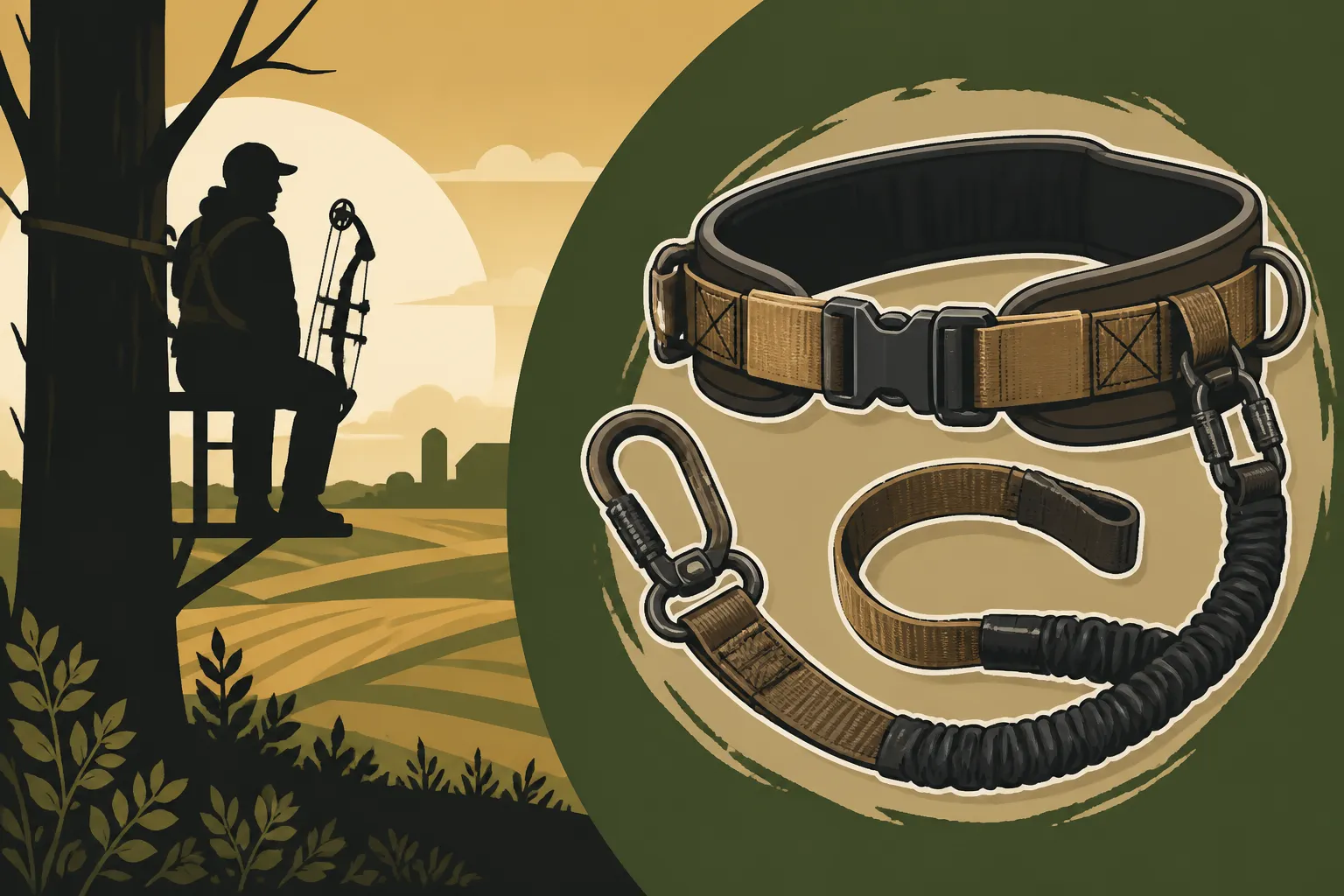
Imagine needing both hands free to work, but also needing to be securely attached to the tree. That's precisely what a lineman's belt is designed for. It's a stout strap, often made from durable materials like nylon or polyester webbing, with a sturdy buckle or closure system and a series of attachment points. The magic of a lineman's belt lies in its adjustability and its ability to wrap around the tree trunk, securing you hands-free. You clip each end of the belt to D-rings or loops on your full-body safety harness, then cinch the rope or strap portion around the tree. This creates a secure, hands-free connection, allowing you to focus on placing climbing sticks, clearing branches, or even Hanging Stands on Iowa Public Ground.
This piece of equipment gets its name from utility linemen who use similar systems to work on utility poles, showcasing its robust, industrial-strength origins. For a hunter, this means you can climb a stick, reach up to set the next one, and still be firmly connected to the tree, preventing any accidental falls. It’s crucial to understand that a lineman’s belt isn’t designed to be your primary fall arrest device if you were to completely slip; that’s the job of your full-body harness and tree tether. Instead, it’s a positioning device, allowing you to maintain three points of contact while working, significantly reducing the chance of a fall ever occurring during the climb.
The Tree Tether: Your Anchor in the Air
Once you reach your desired hunting height, the lineman's belt comes off (or at least, its tree-wrapping function ceases), and the tree tether takes over. The tree tether is another piece of robust rope or webbing, but specifically designed to connect your safety harness to the tree above your stand or saddle platform. It usually has a carabiner or prusik knot system for attachment and adjustment. The tether provides a secure, flexible link that allows you to move around your stand or platform without ever being unclipped from the tree.
The primary function of the tree tether is to arrest a fall if you were to slip off your stand or saddle. It should be set up so that if you fall, you don't hit the ground. For saddle hunters, the tether is their main connection point for the entire hunt, allowing them to lean out around the tree for shots. For traditional treestand hunters, it's what keeps you safely connected once you're on the platform. Adjusting the length of your tether is key to both comfort and safety, ensuring you have enough slack to shoot, but not so much that a fall would result in dangerous pendulum swings or hitting the platform below. Learning about Safety Harness Fit and Suspension Relief is a natural extension of understanding the tether's role.
Why Safety Matters: The Critical Role of Belts and Tethers
Hunting in Iowa's diverse terrain, from the rolling timber of the south to the river breaks, often means climbing trees. Whether you're chasing that elusive trophy buck during the First Week of November Stand Choice or just trying to get above a deer's line of sight, getting into a tree always carries inherent risks. Ignoring proper safety protocols isn't just irresponsible; it can lead to serious injury, paralysis, or even death. The peace of mind that comes with knowing you're securely attached is invaluable, allowing you to focus on the nuances of the hunt itself.
Preventing Falls: The Primary Objective
The single most important reason to use a lineman's belt and tree tether, in conjunction with a full-body harness, is to prevent falls from height. Falls from treestands are a leading cause of serious hunting injuries. It's not always a dramatic collapse; often, it's a simple slip on a wet climbing stick, a rotten branch giving way, or a moment of inattention. The beauty of these systems is that they proactively mitigate these risks. When you're constantly connected, either by your lineman's belt during the climb or your tree tether once in position, a slip doesn't become a fall. It becomes a moment of recovery, a reminder to be careful, and a testament to your gear doing its job.
Many seasoned hunters will tell you stories of close calls – a foot slipping on a frosty stick or a handhold breaking. The difference between a "close call" and a trip to the emergency room (or worse) often boils down to whether they were tied in. Imagine trying the One-Stick Method for Mobile Hunting or adjusting your climbing sticks without the security of a lineman's belt. It would be incredibly dangerous, if not impossible, to do safely and efficiently. These tools aren't just for beginners; they're for every hunter who steps off the ground.
Building Confidence and Enhancing the Hunt
Beyond pure physical safety, using a lineman's belt and tree tether builds tremendous confidence. When you know you're secure, you're less likely to rush, less prone to making mistakes due to fear, and more capable of performing complex tasks while elevated. This confidence translates directly into a more enjoyable and ultimately, more successful hunt. You can take your time placing your sticks just right, brush in your stand discreetly, or adjust your shooting lanes without a nagging fear in the back of your mind.
For those who embrace mobile hunting, especially with a saddle, the tether is integral to the entire hunting experience. It’s not just a safety device; it’s a functional part of the system that allows for comfortable, ergonomic positioning around the tree. Being able to pivot, lean, and shoot comfortably from different angles, all while being safely suspended by your tether, is a game-changer. This kind of setup can open up new hunting opportunities in timber that might be difficult to hunt with traditional stands, offering flexibility to adapt to changing deer patterns or wind directions. When you’re able to focus on the deer and not on your precarious position, you’re simply a better hunter.
Choosing Your Gear: Key Features to Look For
Navigating the world of hunting gear can be overwhelming, with countless brands and features vying for your attention. When it comes to lineman's belts and tree tethers, the core function is safety, so quality, durability, and ease of use should be your top priorities. Don't cheap out on these critical items; they are literally life-saving devices. Many reputable hunting brands offer excellent options, and a resource like GoHunt might offer reviews or comparisons to help you decide.
Material and Durability
The construction material is paramount. Look for high-strength synthetic fibers like polyester or nylon webbing for the straps and ropes. These materials are incredibly strong, resistant to abrasion, UV degradation, and moisture, which is crucial when your gear is exposed to Iowa's varied weather. Metal components, such as carabiners and buckles, should be made from aircraft-grade aluminum or steel, rated for significant weight. Always check for certifications (like ASTM or TMA standards, if applicable) on any harness component.
Consider the thickness and width of the webbing or rope. Thicker materials generally distribute weight better and resist cutting or fraying more effectively. Stitching is another critical detail; look for heavy-duty, reinforced stitching, often in contrasting colors, which allows you to visually inspect for wear or damage. This attention to detail in material and construction is what gives you the peace of mind that your gear will hold up when it counts most. For a full breakdown of what to look for, checking out A First-Year Iowa Hunter's Gear List might give you more context on overall durability needs.
Adjustability and Length
Both your lineman's belt and tree tether need to be highly adjustable to fit different tree diameters and your personal preference for positioning.
- Lineman's Belt: Look for a system that allows for smooth, one-handed adjustment. This is vital when you're already in the tree and need to quickly tighten or loosen your connection. A common feature is a prusik knot on a rope, or a cam-buckle system on a webbing strap. The length should be generous enough to comfortably go around large trees you might encounter in Iowa's river bottoms, while also cinching down small enough for smaller diameter trees.
- Tree Tether: Tethers typically use a prusik knot for adjustment. This knot grips the main rope when weighted but slides easily when unweighted, allowing you to fine-tune your height and lean. Ensure the tether length allows you enough freedom of movement to shoot from various angles around the tree, but not so much slack that a fall would result in a hard impact or dangerous swing. Some tethers come with integrated ropes for connecting to your saddle or harness, while others are separate components. When evaluating options, consider how well they integrate with your full-body harness and other Saddle Gear for Mobile Iowa Hunting.
Weight Rating and Safety Standards
Every piece of safety equipment, including lineman's belts and tethers, will have a weight rating. Always ensure that the total weight of yourself, your clothing, and your gear falls well within the specified limits. Exceeding these limits compromises the integrity of the equipment and your safety.
Additionally, familiarize yourself with relevant safety standards. Organizations like the Treestand Manufacturers Association (TMA) set voluntary standards for treestands and safety harnesses, though specific standards for lineman's belts and tethers might fall under broader industrial safety guidelines. While direct hunter-specific certifications for these individual components might vary, reputable brands will often build their products to exceed minimum safety requirements and will clearly state load ratings. Never use gear that looks flimsy, is unlabeled, or shows signs of wear and tear. Regular inspection of your gear is just as important as choosing quality items from the start.
Proper Usage: Step-by-Step Guide and Best Practices
Having the right gear is only half the battle; knowing how to use it correctly and consistently is what truly keeps you safe. Many hunters learn bits and pieces from friends or online videos, but taking the time to understand the fundamentals and practice in a controlled environment is invaluable.
Using the Lineman's Belt During Ascent and Descent
The lineman's belt is your primary safety connection while you're actively climbing or descending. It allows you to ascend or descend safely and efficiently, leaving both hands free to manage your climbing sticks and weapon.
- Preparation: Before you even leave the ground, attach your lineman's belt to the D-rings or loops on the sides of your full-body harness. Make sure it's untangled and easily accessible.
- Initial Connection: Once you've placed your first climbing stick and are ready to leave the ground, wrap the lineman's belt around the tree at chest height. Clip the free end back to your harness, creating a snug loop around the tree. Adjust the length so you can lean back slightly, with your hands free.
- Ascending: As you climb each stick, you'll "leapfrog" your lineman's belt. Climb one or two sticks, then, while still secured, loosen the belt, slide it up the tree, and re-tighten it at your new height. This ensures you are always connected to the tree above your current standing position. The belt should always be above your waist so that if you slip, you lean into the belt, not fall past it. You'll move your sticks up as you go, with the belt providing continuous attachment.
- Descending: The process is essentially reversed. Once you're ready to come down, remove your tree tether and connect your lineman's belt to your harness. Lower your climbing sticks one by one, constantly moving your lineman's belt down the tree ahead of you, ensuring you're always secured. Keep the belt above your waist, using it to lean into as you step down each stick.
It’s a rhythm you’ll develop with practice. Think of it as always having a redundant connection. For more mobile hunters, a site like GoHunt might offer video tutorials that demonstrate these techniques visually, which can be incredibly helpful.
Setting and Adjusting Your Tree Tether for the Hunt
Once you've reached your desired hunting height and are on your stand platform or in your saddle, the tree tether becomes your constant safety connection.
- Connecting the Tether: With your lineman's belt still attached and securing you, reach above your stand or saddle platform and wrap your tree tether around the tree. Secure it to your full-body harness, typically to the primary loop or carabiner point.
- Adjusting for Safety: Adjust the length of the tether so that if you were to slip off your platform, you would not hit the ground or the stand platform below. The goal is to allow a slight sag, enabling comfortable movement and shooting, but to keep the fall distance minimal. For saddle hunting, this means adjusting for the perfect lean and angle to shoot comfortably around the tree.
- Transferring Connection: Once your tree tether is properly set and connected, and you've double-checked its security, you can then disconnect your lineman's belt from the tree. You should never be unclipped from the tree at any point from the moment you leave the ground until your feet are back on solid earth.
- During the Hunt: The tether provides the freedom of movement you need to make ethical shots. Remember, whether you're using a treestand or a Mobile Saddle Hunting in Iowa setup, the tether is your constant connection. Even if you're just shifting your weight or reaching for your bow, the tether is there, doing its job. Regular checks throughout your sit, especially if you're shifting positions frequently, ensure it remains secure and properly adjusted.
| Feature | Lineman's Belt | Tree Tether |
|---|---|---|
| Primary Use | Hands-free positioning during climbing/descending | Fall arrest and positioning during the hunt |
| Attachment | Connects to side D-rings on harness | Connects to front/rear harness loop/carabiner |
| Tree Position | Moves up/down tree with climber, always above waist | Remains stationary above stand/saddle while hunting |
| Key Function | Prevents falls during ascent/descent | Prevents falls while in hunting position |
| Adjustability | Crucial for varying tree diameters and height | Crucial for comfortable shooting angles and minimal fall distance |
| Typical Length | 8-12 feet | 8-10 feet |
Common Mistakes and How to Avoid Them
Even with the best gear, mistakes can happen. Being aware of common pitfalls can help you avoid them.
- Not Staying Connected: This is the cardinal sin. Never, ever unclip yourself from the tree until both feet are firmly on the ground. The brief moment you think you're safe to adjust something without being tied in is often when an accident occurs. Always maintain a connection, whether it's your lineman's belt or your tree tether.
- Improper Adjustment: A lineman's belt that's too loose won't provide stability. A tether that's too long creates excessive fall distance or pendulum swing. Practice adjusting both until they are snug, secure, and comfortable, allowing movement but minimizing risk. Remember to account for the tree tapering as you climb; you'll often need to adjust the length as you move up or down.
- Ignoring Wear and Tear: Ropes and webbing degrade over time due to UV exposure, abrasion, and weather. Regularly inspect your equipment for fraying, cuts, sun damage, or damaged stitching. Check metal hardware for cracks, bends, or corrosion. If anything looks compromised, replace it immediately. These items have a finite lifespan. When you're Scouting Iowa Timber and River Bottoms, you might expose your gear to rough conditions, so inspection after each use is vital.
- Lack of Practice: Don't wait until opening day to use your new gear for the first time. Practice climbing and descending safely in your backyard or a non-hunting area. Get comfortable with the feel, the adjustments, and the rhythm of using both your lineman's belt and your tether. Knowing your gear instinctively will make you faster, safer, and more confident in the field. This also helps you figure out optimal setup and positioning for Best Stand Locations in Rolling Timber.
- Overlooking Public Land Rules: While safety gear is about personal well-being, remember that some areas might have rules about how you can attach to trees or what gear is allowed. Always check portable stand rules on Iowa public ground before you go.
By understanding these basics, investing in quality gear, and committing to proper usage, you'll make every treestand hunt safer and more enjoyable.
Disclaimer
This article is for general informational purposes only and does not constitute professional advice. Laws, prices and regulations vary by location and change over time. Consult a qualified professional for guidance on your specific situation.