A First-Year Iowa Hunter’s Gear List
Stepping into the world of hunting in Iowa for the first time can feel like diving into the deep end without a paddle. You're probably looking at endless gear lists online, reading about the latest gadgets, and wondering if you need to take out a second mortgage just to get started. It's easy to get overwhelmed by all the choices and the perceived necessity of high-end equipment. This guide is here to cut through the noise, providing a realistic, no-nonsense gear list tailored specifically for the first-year Iowa hunter, focusing on what you genuinely need to be safe, ethical, and successful without breaking the bank.
The Absolute Essentials: What You Cannot Go Without
When you're just starting, it's crucial to distinguish between what's nice to have and what's absolutely necessary. Iowa hunting, much like anywhere else, has its core requirements, and cutting corners on these can lead to frustration, danger, or even legal trouble. Let's make sure your foundation is solid.
Licensing and Legal Gear
Before you even think about setting foot in the timber or a picked cornfield, your paperwork needs to be in order. This isn't just a suggestion; it's the law, and it ensures you're contributing to conservation efforts in our great state.
First and foremost, you'll need a valid Iowa hunting license, often referred to as a "base license," and a habitat fee. These are your entry tickets. Then, depending on what you're hunting, you'll need the specific tags or stamps for that species. For deer, which many first-timers pursue, this means applying for a deer tag, whether it's an archery, shotgun, or muzzleloader tag. The process is straightforward, but it has deadlines. You can usually apply online through the state's Go Outdoors Iowa system. Don't wait until the last minute, because some tags, particularly antlerless tags in popular counties, can sell out quickly. Make sure to double-check the current regulations for your chosen season. There’s a lot to learn about Iowa Hunter Education Requirements and what it takes to get licensed.
Beyond the licenses, your hunting weapon itself needs to meet Iowa's legal requirements for the season you're hunting. For shotgun season, this means certain gauges and slug types. For archery, there are rules about draw weight and broadhead specifications. Muzzleloaders also have specific projectile and caliber requirements. Knowing these details is paramount; showing up with the wrong gear isn't just ineffective, it's illegal. A quick read of the annual Iowa hunting regulations booklet is your best friend here. It literally contains all the answers to these specific questions.
Safety First: Harnesses, Blaze Orange, and First Aid
Hunting is an incredible experience, but it carries inherent risks, especially when hunting from an elevated position or in groups. Prioritizing safety isn't just about protecting yourself; it's about respecting the outdoors and your fellow hunters.
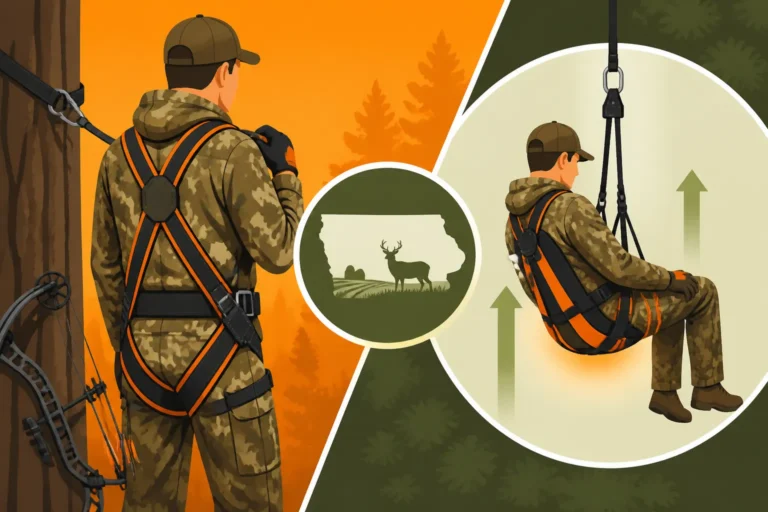
If you plan on hunting from a treestand—and let's be honest, many of Iowa's best deer hunting spots involve getting off the ground—a full-body safety harness is non-negotiable. I can't stress this enough. Even if you're only going up ten feet, a fall can be catastrophic. Think of it like a seatbelt in a car; you hope you never need it, but you're a fool if you don't wear it. Get one that fits comfortably and practice putting it on at home. A lifeline is also a fantastic addition, allowing you to stay tethered to the tree from the moment your feet leave the ground until you're back down. Don't let complacency lead to tragedy.
Blaze orange is another critical safety item, particularly during Iowa's gun seasons. The rules are clear: a certain amount of visible orange clothing is required to ensure you're seen by other hunters. This isn't just a suggestion; it's a legal requirement designed to prevent accidents. Even when it's not legally mandated, such as during archery season, wearing a blaze orange hat or vest when walking to and from your stand, or when quartering a deer, is a smart move. Understand the specific Blaze Orange Rules During Iowa Gun Season for the season you plan to hunt.
Finally, a basic first-aid kit, a whistle, and a way to communicate are essential. A small kit with bandages, antiseptic wipes, pain relievers, and any personal medications should always be in your pack. A whistle is great for signaling for help if you're injured or disoriented. And always, always let someone know where you're going, when you expect to be back, and who to call if you don't check in. Leave a detailed trip plan with someone you trust – it could be a lifesaver.
Navigation and Communication: Staying Found and Connected
Iowa's public lands, even the smaller parcels, can be disorienting, especially in dense timber or unfamiliar terrain. Getting lost or being unable to communicate is a serious concern.
A reliable method of navigation is paramount. While dedicated GPS units are still popular, many hunters these days rely on smartphone apps that feature satellite imagery, property lines, and topographic maps. Services like GoHunt are fantastic for this, allowing you to scout from home and navigate precisely in the field, even without cell service. Before heading out, make sure your phone is fully charged, and consider carrying a portable power bank. Downloading offline maps for your hunting area is a must, as cell signal can be spotty in many rural Iowa areas. Being able to access Offline Maps for Iowa Public Ground can truly save your hunt, and potentially your hide.
For communication, beyond your cell phone, two-way radios can be invaluable, especially if you're hunting with a partner or participating in a party drive during shotgun season. They allow for instant, clear communication without relying on cell towers. Just ensure everyone knows which channel to use and has charged batteries. These are simple tools that greatly enhance safety and coordination in the field.
Core Hunting Gear: Weapon, Optics, and Basic Field Tools
With your safety and legal requirements covered, it's time to think about the gear that directly contributes to the act of hunting. Again, the focus here is on functionality and reliability, not on the latest, most expensive models.
Your Chosen Weapon and Ammunition
This is the central piece of your hunting setup, and your choice will largely depend on the season you're targeting. For a first-year hunter, it's wise to pick one primary weapon and become proficient with it.
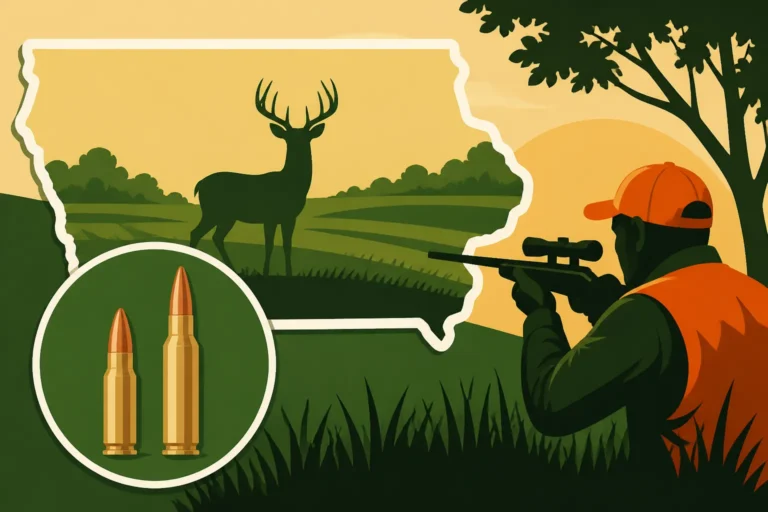
If you're hunting during Iowa's popular shotgun seasons, a good 12 or 20-gauge shotgun with a rifled barrel (if using sabot slugs) or a smoothbore (for foster slugs) is your workhorse. Don't underestimate the accuracy of modern slug guns; with practice, you can be effective out to 100 yards or more with the right setup. Practice shooting from various positions you might encounter in the field, not just from a bench. For ammunition, choose a quality slug that patterns well with your specific gun. There's a lot of helpful information on Iowa's Legal Deer Hunting Equipment by Season to guide your choice.
For archery season, a compound bow or crossbow is the typical choice. If you're going with a compound, ensure it's set to a draw weight you can comfortably and ethically hold and shoot. Practice regularly to build muscle memory and confidence. For crossbows, make sure you understand the specific rules and any disability requirements if applicable. Broadheads are crucial – choose a reputable fixed blade or mechanical head that flies true from your bow and is designed for whitetail deer. Again, practice with broadheads or practice points that mimic their flight.
Muzzleloader season offers another unique challenge. Whether you prefer a traditional flintlock or a modern inline, understanding its operation, cleaning, and projectile limitations is key. Muzzleloaders require a different kind of patience and precision, and mastering them adds another rewarding layer to your hunting experience.
Basic Optics: Binoculars and a Rangefinder
While you don't need military-grade glass, a decent pair of binoculars and a reliable rangefinder will drastically improve your hunting success and ethical shot placement.
A good pair of binoculars (8×42 or 10×42 are common choices) allows you to scan distant cover, identify deer at long ranges, and pick apart brush for hidden antlers or movement. This saves you from unnecessary movement and helps you locate deer without alerting them. You don't need to spend a fortune; there are many entry-level binoculars from reputable brands that perform admirably for basic deer hunting.
A rangefinder, for both bow and gun hunters, is invaluable. Estimating distance in the woods can be incredibly difficult, especially with varying terrain and dense cover. A rangefinder removes the guesswork, ensuring you know the exact yardage to your target. This is particularly critical for bowhunters, where even a five-yard miscalculation can mean the difference between a clean shot and a miss or, worse, a wounded animal. For gun hunters, knowing the exact range helps you account for bullet drop and make a precise shot.
Field Dressing and Recovery Tools
The moment of truth arrives, and you've harvested an Iowa deer. Now what? You'll need the right tools to field dress your animal and get it out of the woods.
A sharp, sturdy knife is perhaps the most essential tool for post-harvest. Look for a fixed-blade knife that holds an edge well and fits comfortably in your hand. Carrying a small sharpener or a few replaceable blades is also a smart idea. Some hunters prefer knives with a gut hook, while others stick to a classic drop-point or skinning blade. Whatever your preference, make sure it's clean and razor-sharp. Consider carrying a pair of rubber gloves for hygiene during the process.
Game bags are also very useful, especially if you're quartering your deer in the field, or if temperatures are warm. They protect the meat from flies, dirt, and debris, helping to keep it clean and cool. For the actual recovery, a simple drag rope or harness can make a world of difference. Dragging a mature Iowa whitetail through thick cover can be exhausting, and a good harness distributes the weight better, making the task less arduous. If you're hunting flatter ground or have longer distances to cover, a two-wheeled deer cart can be a lifesaver, allowing you to transport your animal with much less effort. Learning how to properly field dress and handle your animal, especially Field Dressing in Warm October Weather, is a skill every hunter needs to master.
Clothing and Comfort: Enduring Iowa's Weather
Iowa weather is famously unpredictable. You can start a morning hunt in crisp fall air and be sweating by midday, or experience a sudden cold front with freezing rain in December. Dressing appropriately isn't just about comfort; it's about safety and staying focused on the hunt.
Layering for Iowa's Wild Swings
The key to enduring Iowa's fluctuating temperatures is a good layering system. Forget heavy, bulky coats that restrict movement and make you overheat. Instead, think in terms of three core layers.
- Base Layer: This is worn next to your skin and is designed to wick moisture (sweat) away from your body. Synthetic materials or merino wool are excellent choices. Avoid cotton, which absorbs moisture and will make you cold once you stop moving.
- Mid Layer: This provides insulation. Fleece jackets, puffy vests, or heavier wool shirts work well here. The mid-layer traps warm air, keeping you comfortable. You can add or remove these as needed throughout the day.
- Outer Layer: This is your protective shell against the elements – wind, rain, and snow. It should be quiet, durable, and ideally waterproof or at least highly water-resistant. Many outer layers also provide additional insulation.
Having a flexible layering system allows you to adapt to whatever Iowa throws at you. You might start a morning with all three layers, shed the mid-layer during a midday still-hunt, and put it back on as the evening chill sets in. This approach helps you stay comfortable, scent-free (as much as possible), and focused on the hunt, rather than shivering or sweating. Proper planning here is essential for Cold Weather Stand Clothing.
Footwear: Keeping Your Feet Dry and Warm
Your feet are your foundation, and cold, wet feet will ruin a hunt faster than almost anything else. Investing in quality footwear is critical.
For early season hunts when it's still warm, a comfortable, breathable, yet sturdy hiking boot might suffice, especially if you're doing a lot of walking. However, as soon as things get damp or cold, you'll want waterproof boots. Many hunters swear by knee-high rubber boots for Iowa's often muddy conditions and for crossing shallow creeks. They're also excellent for scent control, as they don't hold human odor like traditional leather boots.
For colder late-season hunts, insulated waterproof boots are a must. Look for ratings that match the temperatures you expect to encounter. Paired with good quality wool or synthetic socks (again, avoid cotton!), these will keep your feet warm and dry through long hours in the stand or trudging through snow.
Backpack and Hydration
Even for a day hunt, you'll need a way to carry your gear, and proper hydration is often overlooked, especially in cooler weather.
A simple daypack, around 1500-2500 cubic inches, is perfect for carrying your extra layers, snacks, water, first-aid kit, and any other small essentials. Look for one that's quiet, comfortable, and doesn't snag on brush. Compartments for organizing gear are a bonus.
Hydration is key. Whether it's a water bottle or a hydration bladder in your pack, make sure you have enough water for the entire hunt. Even when it's cold, your body needs fluids, and dehydration can lead to fatigue and impaired judgment. A thermos with hot coffee or tea can also be a real morale booster on a frigid December morning.
Smart Gear Strategies for New Hunters
Getting started in hunting doesn't have to drain your bank account. There are smart ways to acquire quality gear without overspending, and equally important, to ensure you're confident and proficient with what you have.
Borrow, Buy Used, or Go Budget
This is perhaps the most important strategy for a first-year hunter: resist the urge to buy everything brand new and top-of-the-line.
- Borrow: Do you have friends or family who hunt? Ask if you can borrow a spare treestand, an older pair of binoculars, or even a used shotgun for a season. Most hunters are happy to help a newcomer.
- Buy Used: Check local classifieds, online forums, pawn shops, or consignment sections at sporting goods stores. You can often find perfectly functional, lightly used gear like boots, jackets, or even bows at a fraction of the cost. Just be sure to inspect items thoroughly.
- Go Budget: Many reputable brands offer excellent entry-level gear that performs well for the vast majority of hunting situations. You don't need the most advanced optics or the lightest treestand your first year. Focus on functionality, durability, and a good warranty. Sites like GoHunt often highlight deals or budget-friendly options that perform above their price point. There's plenty of Budget Gear That Works in Iowa if you know where to look. The goal is to get out there and hunt, not to win a gear fashion show.
Practice Makes Perfect: Familiarity with Your Gear
Having all the right gear means nothing if you don't know how to use it proficiently and safely. Practice is paramount.
- Weapon Proficiency: Spend time at the range with your shotgun or rifle. Practice shooting from various field positions – kneeling, standing, leaning against a tree. For bowhunters, shoot regularly at different distances and from an elevated platform if possible. Knowing your limitations and your weapon's capabilities is crucial for ethical hunting. You need to be confident in your shot placement. This includes things like Sighting In Before Shotgun Season.
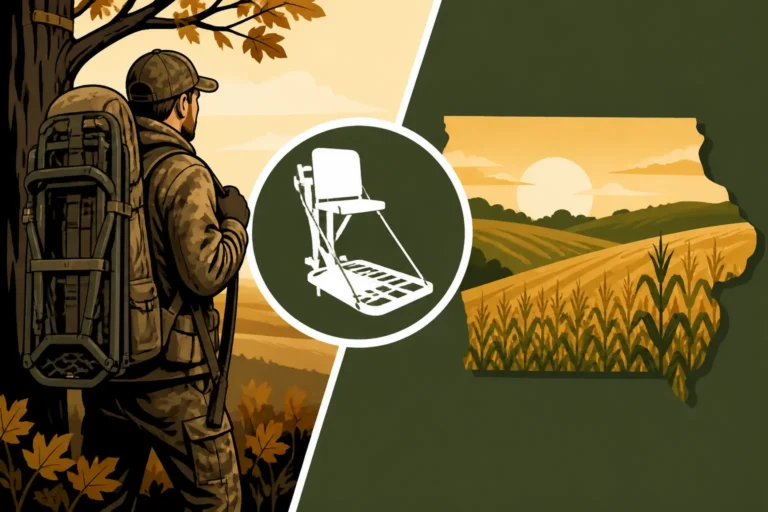
- Treestand Practice: If you're using a treestand, practice setting it up and taking it down in your backyard, well before hunting season. Get comfortable with your safety harness and lifeline. Understand how to maneuver in the stand quietly and safely.
- Navigation Practice: Take your phone or GPS unit out for walks in areas you're familiar with. Practice marking waypoints, navigating to specific locations, and understanding the map features. This builds confidence so you're not fumbling with it when a deer is walking by.
Learning the Land: Tools for Scouting
While not "hunting gear" in the traditional sense, the tools you use for scouting are invaluable for a first-year hunter, helping you understand deer movement and identify promising locations.
Aerial imagery and mapping apps are revolutionary for this. Programs like GoHunt allow you to virtually scout potential hunting spots from the comfort of your home. You can identify timber edges, pinch points, funnels, bedding areas, and potential food sources. This helps you narrow down areas to physically scout, saving you precious time and boot leather. Using these tools to plan your access routes that minimize disturbance is also critical. Effective E-Scouting Iowa Farm Country From Home and learning Reading Aerial Imagery for Bedding Cover are skills that pay dividends.
Before the season, make physical trips to the areas you've identified through e-scouting. Look for fresh deer sign, trails, rubs, and scrapes. Confirm your assumptions from the map. This combination of digital and on-the-ground scouting will build your confidence and give you a much better understanding of the land and the deer that inhabit it.
Here's a quick checklist to get you started:
| Category | Absolute Essentials (Must-Have) | Smart Additions (Highly Recommended) |
|---|---|---|
| Legal | Valid Iowa Hunting License & Tags | HIP (Harvest Information Program) registration for migratory birds |
| Safety | Full-Body Safety Harness (for elevated hunting) | Lifeline for treestand access |
| Blaze Orange Hat/Vest (gun season, or for walking in/out) | Whistle, Basic First-Aid Kit | |
| Trip Plan shared with someone | Two-way Radios (for party hunting) | |
| Navigation | Fully Charged Smartphone with Offline Maps | Portable Power Bank |
| Compass (and knowledge to use it) | Dedicated Handheld GPS Unit | |
| Weapon | Legal Firearm/Bow/Muzzleloader | Weapon Case for transport |
| Ammunition/Arrows & Broadheads | Cleaning Kit & Supplies | |
| Optics | Binoculars (8x or 10x) | Rangefinder |
| Field Tools | Sharp Fixed-Blade Knife | Game Bags, Rubber Gloves |
| Drag Rope or Harness | Deer Cart (if terrain allows) | |
| Clothing | Layering System (Base, Mid, Outer – weather dependent) | Quiet, Durable Outerwear (wind/water resistant) |
| Waterproof, Insulated Boots (weather dependent) | Wool or Synthetic Socks (multiple pairs) | |
| Hat/Beanie, Gloves/Mittens (weather dependent) | Face Mask or Neck Gaiter | |
| Miscellaneous | Day Pack (to carry essentials) | Headlamp with extra batteries |
| Snacks, Water/Hydration System | Small Saw (for shooting lanes/field dressing) |
This list should give you a fantastic starting point for your first year of Iowa hunting. Remember, the most important thing is to enjoy the experience, learn as you go, and always prioritize safety and ethical hunting practices. Welcome to the Iowa hunting community!
Disclaimer
This article is for general informational purposes only and does not constitute professional advice. Laws, prices and regulations vary by location and change over time. Consult a qualified professional for guidance on your specific situation.