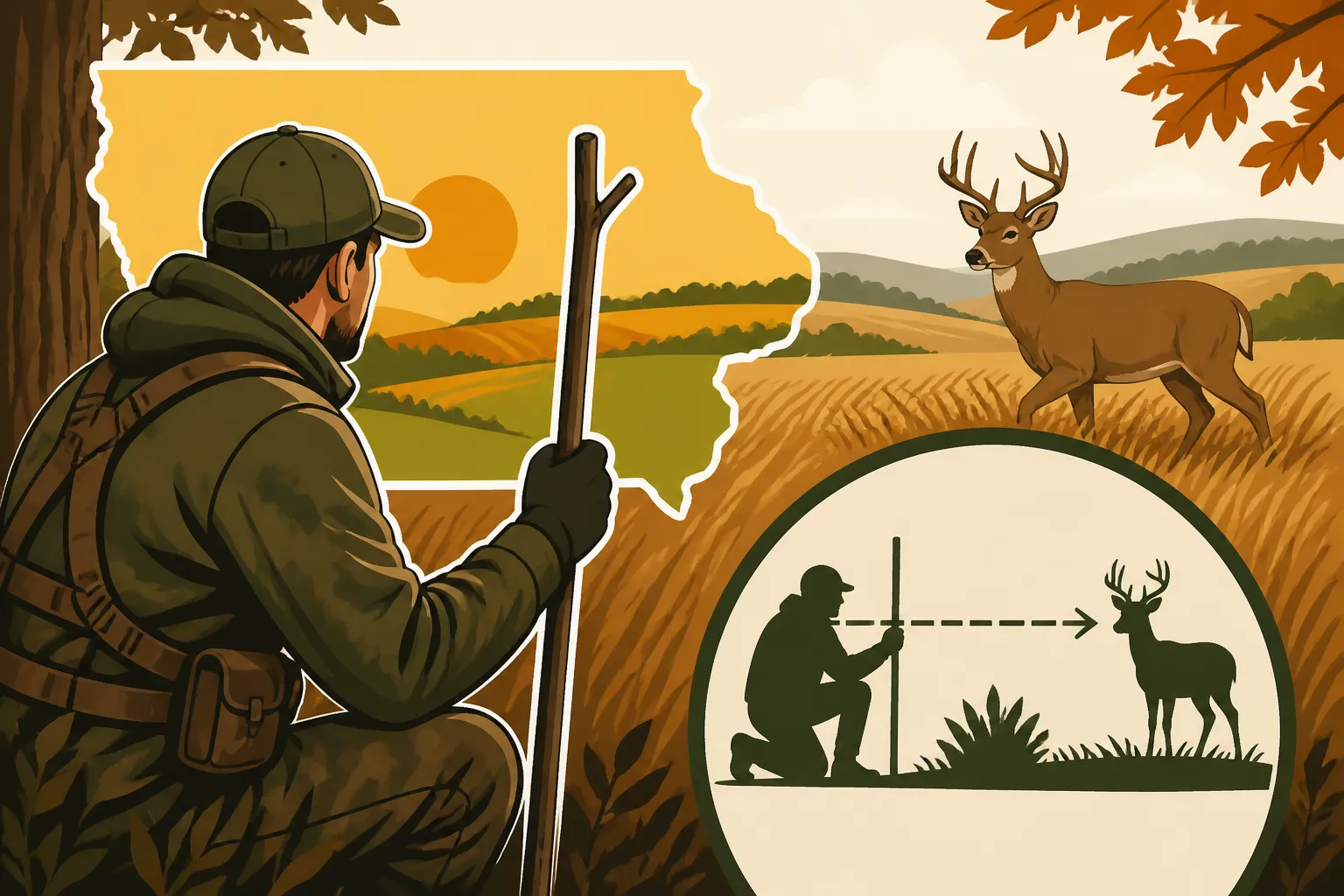
One-Stick Method for Mobile Hunting
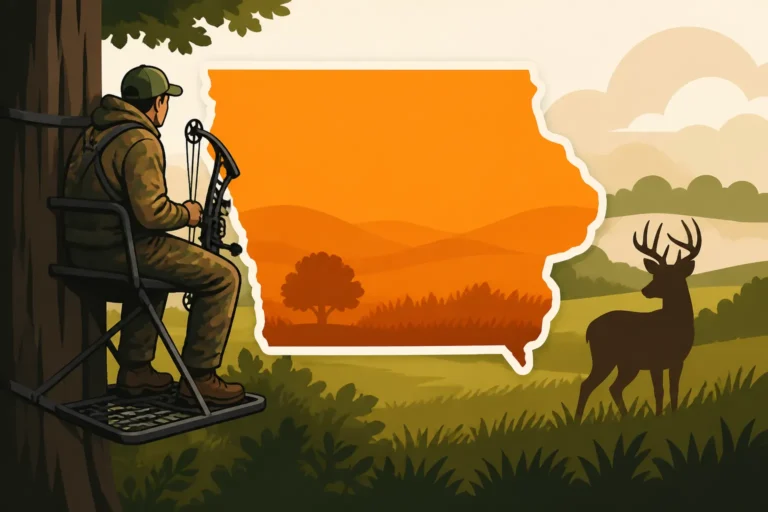
Sometimes, the biggest frustration for us dedicated deer hunters in Iowa isn't finding deer, but getting into the perfect tree, quietly and efficiently, when the moment demands it. Hauling in heavy ladder stands or cumbersome climbing stands, or even a full set of climbing sticks, can be a real pain, especially when you're trying to stay mobile and adaptable. This comprehensive guide will walk you through the one-stick method for mobile hunting, a lightweight and lightning-fast approach that can transform how you access those hard-to-reach, high-percentage spots in Iowa's diverse landscapes.
Understanding the Core Concept of One-Stick Hunting
For years, many of us, myself included, have relied on traditional treestand setups. We've lugged in sections of climbing sticks, or perhaps cursed at a heavy climbing stand that felt like a ton of bricks after a mile-long hike into a remote timber patch. The one-stick method challenges that conventional wisdom, offering a stripped-down, ultra-efficient way to gain elevation, especially when speed, stealth, and minimal gear are your top priorities. It's not just about saving weight; it's about unlocking a level of mobility that lets you truly hunt the deer, not just a pre-selected spot.
Why Choose the One-Stick Method?
Let's be real, the thought of carrying less gear into the woods already sounds appealing, right? The beauty of the one-stick method lies in its incredible efficiency. Imagine a morning where you wake up, check the wind, and realize that ideal bedding area you scouted now has a perfect exit trail if you could just get 20 feet up a specific oak on the ridge. With a traditional setup, that might be a multi-stick climb or a heavy climber that you don't even want to think about packing in.
With a single climbing stick, you're looking at a fraction of the weight and bulk. This drastically reduces the physical toll of packing in, allowing you to go deeper into public land or access those notoriously thick, overgrown creek bottoms that other hunters avoid. The reduced noise profile during setup is another huge win. Less gear means less clanking, less fumbling, and a much quieter ascent. You can literally walk right into an area, hang your one stick, climb, and be hunting within minutes, often catching deer completely off guard. This stealth and speed are critical when hunting pressured deer, which, let's face it, is a common reality on much of Iowa's public hunting land these days.
The Essential Gear for a One-Stick Setup
So, what exactly does a one-stick setup entail? At its heart, it's about minimalist efficiency. You're looking at four primary components that work in harmony:
- The Single Climbing Stick: This is your namesake piece of gear. You'll want a high-quality, lightweight stick designed for mobile hunting. Many come with built-in mini platforms or steps that allow for comfortable foot placement during the "stick hopping" process. Look for options made from lightweight aluminum or even carbon fiber from brands like Hawk, Lone Wolf Custom Gear, or Out On A Limb. The key is durability and minimal weight.
- A Reliable Saddle or Compact Platform: While some incredibly skilled hunters can manage with just a saddle and no platform, most of us will want a small, secure platform to stand on once at hunting height. This gives you a stable base for shooting and repositioning. If you're using a saddle, which is often the preferred method for one-stick hunters due to its inherent mobility and safety, your saddle platform will serve this purpose. If you’re not quite ready to commit to Mobile Saddle Hunting in Iowa, a very small, lightweight hang-on platform can also be used, but it adds a bit of bulk.
- Lineman's Belt: This is non-negotiable for safety. A lineman's belt allows you to secure yourself to the tree while you're ascending or descending, keeping your hands free to manipulate your climbing stick. You'll be unclipping and re-clipping it multiple times as you work your way up.
- Tree Tether: Once you've reached your desired hunting height and are on your platform or in your saddle, the tree tether connects you securely to the tree, allowing you to lean out, shoot, and remain safe throughout your hunt.
The beauty of this gear is its packability. A good one-stick setup, combined with a saddle, can often fit into a medium-sized hunting pack, leaving plenty of room for your other essentials. This is a far cry from strapping bulky items to the outside of your pack, constantly snagging on multiflora rose or banging against trees as you hike.
Mastering the Technique: Ascending and Descending
The one-stick method, while simple in concept, requires practice and a methodical approach. It’s not just about throwing a stick on a tree; it’s about a smooth, quiet, and safe sequence of movements that get you into hunting position efficiently. Think of it as a dance with the tree, where precision and calm are your partners.
Step-by-Step Ascent with the One-Stick Method
Your journey up the tree begins with careful planning on the ground. You’ll first attach your single climbing stick to the tree at an easily accessible height. The bottom step should be low enough to comfortably step onto from the ground. Then, using your lineman’s belt, you’ll secure yourself to the tree. This is paramount for safety – never be unattached.
Once secured, you’ll step onto the first step of your stick. Now comes the "stick hopping" or "rappel rod" technique. This involves unbuckling and re-buckling your lineman's belt higher on the tree, allowing you to move up. As you reach the top of your stick, you’ll unclip it from the tree, shift your weight, and then re-attach the stick higher up the trunk, repeating the process. It's a rhythmic motion: climb, move lineman's belt, unclip stick, re-clip stick higher, climb again. The goal is to make each movement fluid and silent. Any clanking or scraping will alert every deer in the vicinity. This is where backyard practice truly pays off, turning awkward fumbling into instinctual movements. It's a stark contrast to wrestling with a bulky ladder stand or a noisy climbing stand; you're essentially "walking" your way up the tree with minimal disturbance. It's certainly a different beast than just using Climbing Sticks Versus a Climber, where you'd just keep adding sections.
Achieving Your Hunting Height and Stand Placement
Once you've "stick-hopped" your way up and repositioned your stick as high as it can go, you still have some vertical ground to cover to reach a comfortable hunting height. This is where your chosen platform or saddle setup comes into play. If you're using a saddle, you'll clip your platform to the tree below your desired height. Then, using your feet on the stick's steps or small toe holds, you'll slowly leverage yourself upward, often using your tether and lineman's belt to inch higher. This "walking" up the tree with a saddle allows you to gain those crucial extra feet.
Selecting the right tree is a nuanced skill that becomes even more important with the one-stick method. You're looking for a tree that allows for a straight, unobstructed climb, ideally with a consistent diameter as you ascend. Avoid trees with excessive lean, heavy bark that might catch your stick, or large limbs that impede your path. The goal is always stability and silence. Before you even commit to a climb, take a moment to visualize your entire ascent and what your shot opportunities will look like. Will you be able to get a clean shot? Is there enough cover? These are crucial questions to ask when considering Best Stand Locations in Rolling Timber. Once you’re at your hunting height, make sure your platform is rock solid and your tree tether is properly adjusted for safety and comfort. Take a deep breath and let the woods settle before you even think about nocking an arrow or shouldering your firearm.
Safe and Efficient Descent
Just as critical as a quiet ascent is a safe and efficient descent. This is not the time to rush, especially after a long sit or if you're tired. Reversing the process requires the same methodical approach. Ensure your tree tether and lineman's belt are securely attached at all times. You'll carefully unclip your stick, lower it to the next position, and then descend onto it, constantly moving your lineman's belt down the tree with you.
One common mistake is trying to hurry or allowing gravity to do too much work. Every step down should be controlled. As you reach the bottom, make sure you're still securely attached until both feet are firmly on the ground. Before you pack up, scan the area. Did you drop anything? Did you leave any trash? Adhering to the "pack it in, pack it out" principle is vital, especially on public land. For those of us who prioritize leaving the woods as we found them, focusing on Leaving No Trace on Iowa Walk-In Ground is paramount, and a clean, efficient descent is part of that ethic. Ensure all your gear, including any rope or straps, is neatly packed away, leaving no trace you were ever there.
Practical Applications and Considerations in Iowa
The one-stick method isn't just a climbing technique; it's a philosophy that pairs perfectly with the demands and opportunities of hunting in Iowa. From vast public timber blocks to small, overlooked CRP corners, understanding where and how to best deploy this mobile strategy can significantly boost your success.
Ideal Scenarios for One-Stick Hunting in Iowa
Iowa presents a unique blend of hunting environments, and the one-stick method shines in several key scenarios. First and foremost, it's a game-changer for public land hunting. We all know how quickly prime spots get hunted out on public ground. Being able to quickly move and set up in less accessible areas, perhaps a steep creek bank or a tight timber pinch point, gives you a significant advantage. It allows you to avoid the crowds and find those pockets of undisturbed deer. When you’re Scouting Iowa Public Land Before the Opener, look for trees that seem impossible to reach with a traditional stand – those are often goldmines for a one-stick setup.
Another ideal situation is for those fleeting, high-impact hunts. Maybe you've seen a buck cross a field at dawn heading into a specific patch of timber, and you only have an hour or two before work. Or perhaps a sudden cold front brings deer to a specific late-season food source. The one-stick method allows for these quick, reactive setups, letting you capitalize on fresh sign or sudden shifts in deer behavior. Its minimal footprint means you can get in, hunt, and get out with minimal disturbance, leaving the area intact for future hunts. This adaptability is crucial in dealing with dynamic deer patterns, especially during the Iowa rut or when new food sources become available.
Combining One-Stick with Other Mobile Strategies
The true power of the one-stick method is unleashed when it's integrated into a broader mobile hunting strategy. For example, it pairs seamlessly with saddle hunting. A saddle, with its 360-degree shooting capability and incredible comfort, is the perfect partner for the height and flexibility offered by a single climbing stick. Together, they create an ultralight system that's unmatched in adaptability. Many saddle hunters swear by the efficiency of this combination, especially when considering Saddle Hunting on Iowa Public Land.
Furthermore, effective e-scouting is crucial. Before you even step foot in the timber, using tools like GoHunt or other mapping apps (like onX Hunt) to identify potential trees and access routes can save you invaluable time and effort. You can zoom in on aerial imagery, mark potential stand trees, and map out the quietest Access Routes That Do Not Bump Deer. This pre-hunt planning, combined with the one-stick method, allows you to walk straight to your chosen tree with a high degree of confidence, minimizing disturbance and maximizing your hunting time. Scouting from afar, marking potential bedding, feeding, and travel corridors, and then identifying that one perfect tree for a one-stick setup is how you turn theory into real-world success.
Overcoming Challenges and Advanced Tips
Like any advanced hunting technique, the one-stick method comes with a learning curve. The most important tip I can give you is to practice, practice, practice! Start in your backyard, well before hunting season. Get comfortable with the movements, the gear, and the feeling of being high in a tree. Practice at different heights, on different tree types, and in varying conditions. This builds muscle memory and confidence, making your in-the-field setups smooth and silent.
Choosing the right stick and platform for your body type and hunting style is also critical. Some hunters prefer longer sticks, while others like shorter, more packable options. Experiment to find what works best for you. Also, be mindful of Iowa’s regulations regarding stand placement and storage on public lands. Generally, you cannot leave stands, including climbing sticks, overnight on most public hunting areas. Always check current regulations to ensure you're in compliance with Portable Stand Rules on Iowa Public Ground. While the one-stick method naturally leans towards "hunt in, hunt out" with minimal trace, it's still worth being aware of any specific rules.
Finally, don't underestimate the impact of cold weather on your mobility. Trying to perform precise movements with stiff fingers and bulky clothing can be a challenge. Practice climbing in your actual hunting clothes to understand how they affect your dexterity and quietness. The one-stick method is a demanding but incredibly rewarding technique. With dedication, the right gear, and consistent practice, it can open up a whole new world of hunting opportunities in the diverse landscapes of Iowa.
| Feature | Traditional Multi-Stick/Climber Method | One-Stick Method |
|---|---|---|
| Weight | Moderate to Heavy (15-30+ lbs for sticks + stand, or 20-35+ lbs for climber) | Very Light (5-10 lbs for stick + saddle/platform) |
| Setup Time | Moderate to Long (15-30+ minutes, can be noisy) | Fast (5-15 minutes with practice, very quiet) |
| Packability | Bulky, often strapped externally, awkward to carry | Compact, often fits entirely within a backpack |
| Tree Versatility | Limited by tree diameter/straightness (climber), some sticks more versatile | High, adaptable to many tree sizes and slight leans |
| Stealth | Moderate (more gear, more potential for noise) | High (minimal gear, fewer components to manage quietly) |
| Physical Demand | Moderate to High (lugging heavy gear, repetitive climbing) | Moderate (less weight, but requires technique and body strength for ascent) |
| Ideal Use | Permanent/semi-permanent sets, less mobile hunting | Highly mobile, deep woods, pressured areas, quick morning/evening hunts |
Disclaimer
Please remember that hunting regulations can change, and it's always your responsibility to consult the most current Iowa Department of Natural Resources (DNR) hunting regulations prior to any hunting activity. Safety should be your absolute top priority in the field. Always use a safety harness and lifeline when hunting from an elevated position.