Fence Crossings Worth Hanging a Stand On
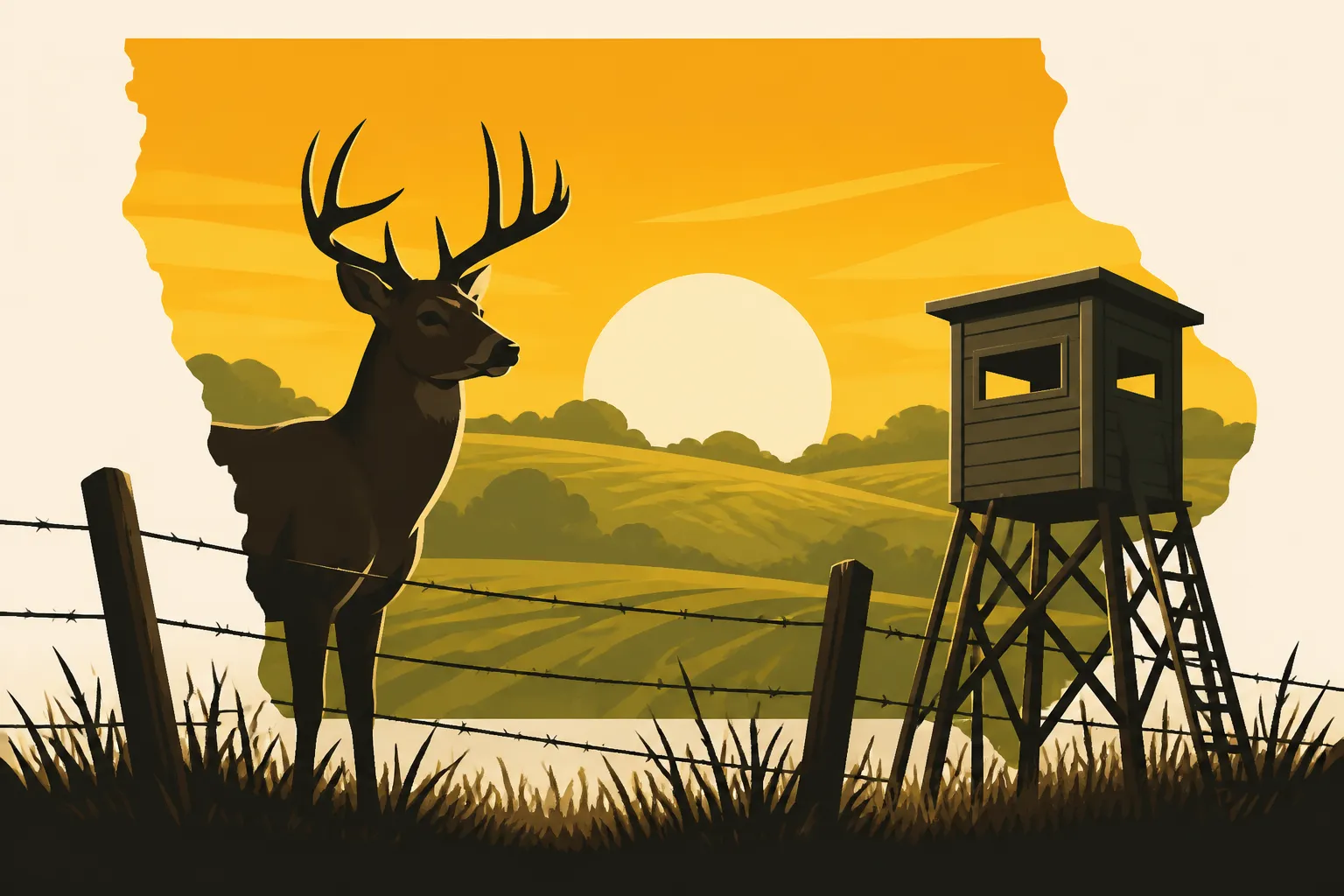
Finding that perfect stand location can feel like a never-ending puzzle, especially when you’re trying to pinpoint where deer feel safe enough to travel consistently. Many hunters overlook the subtle but significant impact of fence lines on deer movement, often dismissing them as mere property boundaries. This guide will meticulously break down why certain fence crossings become high-traffic deer highways, how to identify them, and precisely where to hang your stand for the best chance at intercepting Iowa’s whitetails.
Understanding Deer Movement Along Fences
Deer are creatures of habit and efficiency. They'll always choose the path of least resistance, and that often means finding the easiest way through or over an obstacle like a fence. But it's more than just convenience; fences can subtly dictate entire movement patterns, especially in agricultural landscapes or areas with fragmented timber.
Why Deer Use Fence Crossings
Imagine a deer needing to get from a bedding thicket to an evening food source. If there’s a fence in the way, they’re not just going to randomly jump it anywhere. They’re going to use established crossings, often because those spots offer better cover, lower visibility, or simply a consistent break in the barrier. These aren't always obvious gaps; sometimes it's just a section where the fence sags a bit, or where a downed tree has created a natural ramp. Think of it like a human path: you don't just trudge through a thorny hedge; you look for the worn-down spot where others have passed.
In many parts of Iowa, particularly where timber patches meet vast crop fields, a fence line might mark the transition. Deer will travel along the edge of the timber, using it for cover, until they reach a point where the fence is easiest to cross into the field. These areas act as natural funnels, concentrating deer movement in predictable spots. It's not just about crossing over the fence, either. Sometimes the fence line itself creates a travel corridor, especially if it runs through otherwise open country, offering a slight visual break or a subtle change in vegetation along its base.
Identifying Well-Used Crossing Points
The secret to finding a great fence crossing isn't just looking for a fence; it's looking for deer sign on or around that fence. Start by visually scanning fence lines, especially those bordering heavy cover, river bottoms, or standing crops. What you're looking for is a "worn down" look. This could be a sagging section of wire, a broken post, or even just a dirt trail leading right up to and over the fence.
Look for rubs and scrapes nearby, especially during the pre-rut and rut, as bucks will often mark their territory near these travel corridors. Fresh tracks on both sides of the fence are a dead giveaway. Also, pay close attention to the ground directly under the fence or on the wires themselves. You might find tufts of deer hair caught on the barbed wire, indicating consistent use. Muddy spots or slight depressions in the soil where deer consistently jump or crawl are also excellent indicators. Using tools like the Iowa DNR's public hunting atlas or even detailed mapping apps can help you E-Scouting Iowa Farm Country From Home If you're physically scouting, really get down and look at the fence fabric itself for signs of pushing or rubbing. These areas are goldmines.
How Fences Influence Bedding and Feeding Patterns
Fences don't just dictate travel; they can actively influence where deer choose to bed and feed, especially when they separate different types of habitat. For instance, a fence might divide a dense cedar thicket, prime bedding cover, from a lush alfalfa field, a preferred feeding ground. Deer will often bed right up against the cover side of the fence, feeling secure, and then use a specific crossing point to access the food.
Consider a fence running through a larger block of timber. Deer might use one side of the fence for bedding due to a specific thermal advantage or denser cover, and then cross to the other side to access a different part of the timber that offers a better acorn crop or browse. Understanding these patterns requires a bit of detective work and often some Reading Aerial Imagery for Bedding Cover, but once you crack the code, you'll see how consistently deer funnel through these specific fence gaps. This is where the real strategy comes into play, as you're not just hunting a random trail, but a predictable choke point influenced by the fence line.
Strategic Stand Placement at Fence Crossings
Once you've identified a promising fence crossing, the next crucial step is choosing the right tree and position for your stand. This isn't just about finding a sturdy tree; it's about maximizing your shot opportunity while minimizing your impact on the deer you're trying to hunt. Every detail, from the wind to your approach, matters immensely.
Wind Direction and Scent Control Considerations
This is arguably the most critical factor for any stand placement, and fence crossings are no exception. Deer are constantly testing the air, and their sense of smell is their primary defense. You absolutely must position your stand so that your scent cone blows away from where you expect deer to approach and cross the fence. If deer typically cross from west to east, and the prevailing wind is from the west, you might need to set your stand up on the east side, allowing your scent to blow harmlessly into an open field or away from the travel corridor.
Always have multiple stand options for different wind directions, or be prepared to hunt a different spot if the wind isn't right for your chosen fence crossing. Remember, deer will often circle downwind of a crossing point before committing, so you need to anticipate this behavior. Even with perfect scent control, playing the wind is non-negotiable. Don't rely solely on scent elimination products; they are a supplement, not a replacement, for proper wind management.
Approach and Exit Routes
An excellent stand location can be ruined by a poor approach or exit. When considering a fence crossing, think about how you will get to your stand without disturbing the area, and more importantly, how you will leave after your hunt. Your path to the stand should ideally be through cover, on a low-traffic path, or along a natural barrier that minimizes your visibility and noise. A creek bottom or a dense fencerow might offer a discreet route.
For instance, if your fence crossing is next to a creek, using the creek bed to approach and exit can be ideal, as long as it's safe and doesn't push deer already in the area. Make sure your entry and exit don't cross any major deer trails or bedding areas. If you hunt public land, finding Access Routes That Do Not Bump Deer is paramount, especially around high-traffic fence crossings. The goal is to be a ghost, appearing and disappearing without the deer ever knowing you were there.
Tree Selection and Shot Opportunity
Choosing the right tree for your stand involves a delicate balance of concealment, stability, and optimal shooting lanes. You want a tree that offers good cover to break up your silhouette, but also provides clear, unobstructed shooting lanes to the fence crossing and common travel routes around it. If the fence crossing is in a more open area, you might need to find a clump of trees or a larger single tree to provide adequate cover.
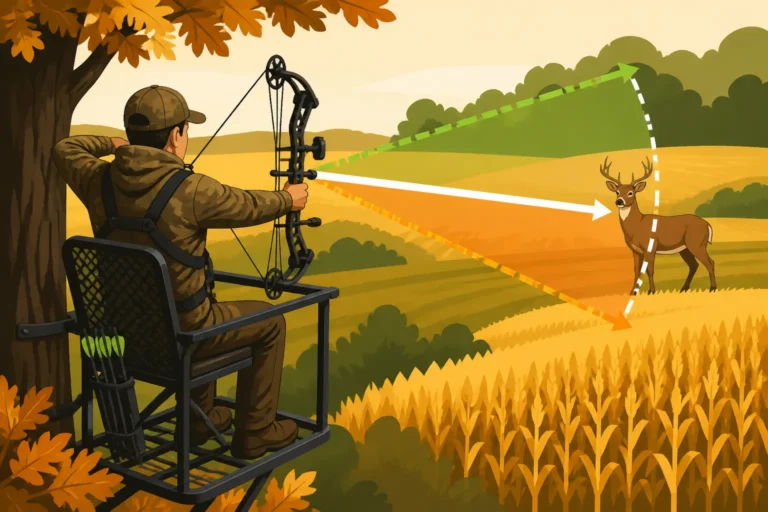
Consider the angle of your shot. Most fence crossings will involve deer jumping or stepping over. You want to be elevated enough to get a good quartering-away or broadside shot as they navigate the obstacle. Before you hang your stand, use your rangefinder to mark distances to key points around the crossing. Clear any necessary shooting lanes, but do so judiciously and well in advance of the season to avoid alerting deer. Don't over-trim; sometimes a little natural cover around your stand is your best friend. For a full-day sit in December, comfort and warmth will be key, so ensure your stand is secure and allows for minimal movement.
Adapting to Different Fence Types and Terrain
Not all fences are created equal, and deer react differently to various types of barriers. The surrounding terrain also plays a huge role in how deer interact with a fence line, influencing where they choose to cross and how frequently. Understanding these nuances can give you a significant edge in finding those prime locations.
Barbed Wire and Woven Wire Fences
These are perhaps the most common types of fences you'll encounter in Iowa's agricultural landscape. Barbed wire fences, with their sharp, thorny strands, are designed to deter livestock, but deer, especially mature bucks, are remarkably adept at navigating them. They'll often push through or jump at the lowest point, or a spot where the wires are widely spaced. Look for spots where the top strand has been bent down, or where a lower strand has been broken, creating an easier path. You might even find deer hair snagged on the barbs.
Woven wire fences, often used for sheep or smaller livestock, present a more solid barrier. Deer are less likely to push through these due to the tighter mesh. Instead, they'll seek out obvious breaks, gates, or areas where the fence sags significantly close to the ground, allowing them to crawl under. Creek crossings where the fence might wash out periodically are prime spots for deer to simply walk through. Pay extra attention to any natural depressions or rises in the terrain that make a woven wire fence easier to clear. Identifying these specific weaknesses is key to finding active crossings.
Electric Fences and Their Impact
Electric fences introduce another layer of complexity. While they are a clear deterrent, deer can and do cross them. Often, they’ll approach with caution, test the fence, and then jump it quickly at a low point. The key here is that they tend to be much more deliberate and cautious around electric fences, often pausing before crossing. This pause can sometimes give you a critical extra second for a shot opportunity, but it also means deer might be more prone to circling downwind to test the air before committing.
Look for areas where an electric fence is near the edge of heavy timber, or where it's part of a temporary enclosure around a new food plot. Deer will often try to find non-electric sections or areas where the voltage might be lower due to vegetation contact. Sometimes, they’ll use a low spot in the terrain where they can jump over more easily. These crossings might not show the same physical wear as a barbed wire fence, so scouting might require observing deer movement directly or using trail cameras positioned safely away from the current.
Natural Obstacles Near Fences
The presence of natural obstacles immediately adjacent to a fence line can dramatically increase the likelihood of a high-traffic crossing. For example, a fence running along the edge of a steep creek bank or river often forces deer to cross at specific, more accessible points. These spots might be where the creek is narrowest, or where a downed log creates a bridge. The fence simply reinforces this natural funnel. Wind and Thermals in River Breaks become incredibly important here, as deer will use the terrain to their advantage.
Similarly, if a fence runs through or alongside dense timber, deer will almost always favor crossing at timber points or natural openings rather than trying to push through thick brush. These locations offer both concealment and ease of travel. A fence that intersects with a logging road or an old field drive also creates an obvious, low-resistance crossing. When you’re scouting, always look for the intersection of a fence with any other geographical feature that naturally funnels movement, such as a ridge line, a ditch, or even a line of mature trees.
Advanced Tactics and Common Mistakes
Hunting fence crossings isn't just about identifying a spot; it's about understanding the subtle behaviors of deer and adapting your strategy. Even experienced hunters can fall into traps if they don't consider the bigger picture.
Combining Fence Crossings with Other Features
The real magic happens when a fence crossing isn't just a fence crossing, but rather a nexus point that combines multiple attractive features for deer. Think about a fence crossing that sits on a timber point between two fields, or one that's part of a narrow creek corridor. These are super-funnels. For example, a fence that runs directly into an Inside Corner of a Crop Field can be phenomenal. Deer often use the timber edge or fencerow as cover to approach the field, and that inside corner, especially if it has a fence crossing, becomes a natural staging area before they enter the open.
Consider a fence crossing that's located along a natural saddle or bench in rolling terrain. Deer are already inclined to use these topographic features for travel, and a fence crossing here simply concentrates that movement even further. When Scouting Iowa Timber and River Bottoms, pay close attention to how fence lines interact with these key terrain features. Look for areas where a fence creates an obvious choke point, forcing deer from a wide area into a narrow path before crossing. These are the spots where you have the highest probability of intercepting consistent deer movement.
Hunting Pressure and Timing
Deer react strongly to hunting pressure, and a heavily hunted fence crossing can quickly become barren. On public land, or even private land that sees a lot of activity, deer will learn to avoid obvious fence crossings during daylight hours. This means your timing becomes critical. During periods of high pressure, deer might only use these crossings at night, or during the lowest light conditions of dawn and dusk.
Consider hunting these spots mid-day during the rut, when bucks are actively cruising and might be less cautious. For example, during the peak of the Iowa rut, a buck might throw caution to the wind to scent-check a doe crossing the fence. However, if the area sees consistent pressure, you might need to hunt a bit farther away, setting up on an approach trail to the fence crossing rather than right on top of it. Always monitor Hunting Pressure Patterns on Iowa Public Land and adjust your strategy accordingly. The brand GoHunt offers robust mapping tools that can help visualize historical pressure points and ideal setup spots. Sometimes, waiting for a specific weather event, like a cold front, can increase daytime deer movement at these crossings.
Common Mistakes to Avoid
One of the biggest mistakes hunters make is choosing a stand based solely on finding fresh tracks at a fence crossing, without considering the bigger picture. Always factor in the wind, your access, and the overall deer movement patterns. Don't set up too close to the crossing if it compromises your ability to get in and out undetected. Remember, deer will often approach cautiously, so if you're directly on top of the crossing, they might bust you before they ever commit.
Another common error is failing to clear adequate shooting lanes. You might have found the perfect tree, but if you can't get a clean shot at the crossing point or the trails leading to it, it's a wasted effort. Trim wisely, focusing on lanes that give you good visibility and shot opportunities. Finally, don't rely on just one fence crossing. Scout multiple options for different wind conditions and adjust your strategy based on current deer activity and hunting pressure. A static approach will inevitably lead to frustration. Using GoHunt's detailed maps to mark several potential crossings and plan your approach routes for each can make all the difference.
| Fence Type | Deer Behavior | Ideal Crossing Signs | Stand Placement Notes |
|---|---|---|---|
| Barbed Wire | Jump or push through lowest/weakest points | Bent wires, snagged hair, worn path, fresh tracks | Position for shots on both sides as deer may pause before or after crossing. Focus on wind. |
| Woven Wire | Crawl under, use breaks, gates, or washouts | Broken sections, crawl paths under fence, gates | Look for points of obvious low resistance. Shots likely as deer crawl/step through. |
| Electric Fence | Test, then jump quickly at low points | No obvious physical sign; rely on observation/cameras | Deer may pause and be more cautious. Position to capitalize on a brief stop before or after the jump. Minimize disturbance on approach. |
| Fence + Timber Edge | Travel along timber, cross at edge of cover | Well-worn trails along edge, concentrated tracks | Excellent for concealment. Place stand within timber, watching the edge and crossing. Consider Best Stand Locations in Rolling Timber. |
| Fence + Creek/Ditch | Cross at narrowest/easiest points of water/land | Worn paths where fence meets water, logs, dry crossings | Water features create funnels. Anticipate deer using the creek bed or banks for travel near the crossing. Account for Wind and Thermals in River Breaks. |
Disclaimer
Hunting is an inherently dangerous activity. Always prioritize safety, understand and follow all Iowa hunting regulations, and ensure you have proper training and equipment. The information provided here is for educational purposes and general guidance only, and should not replace official state regulations or professional instruction. Always scout thoroughly and obtain all necessary permissions before hunting on private land.