Hunting a Picked Bean Field in October
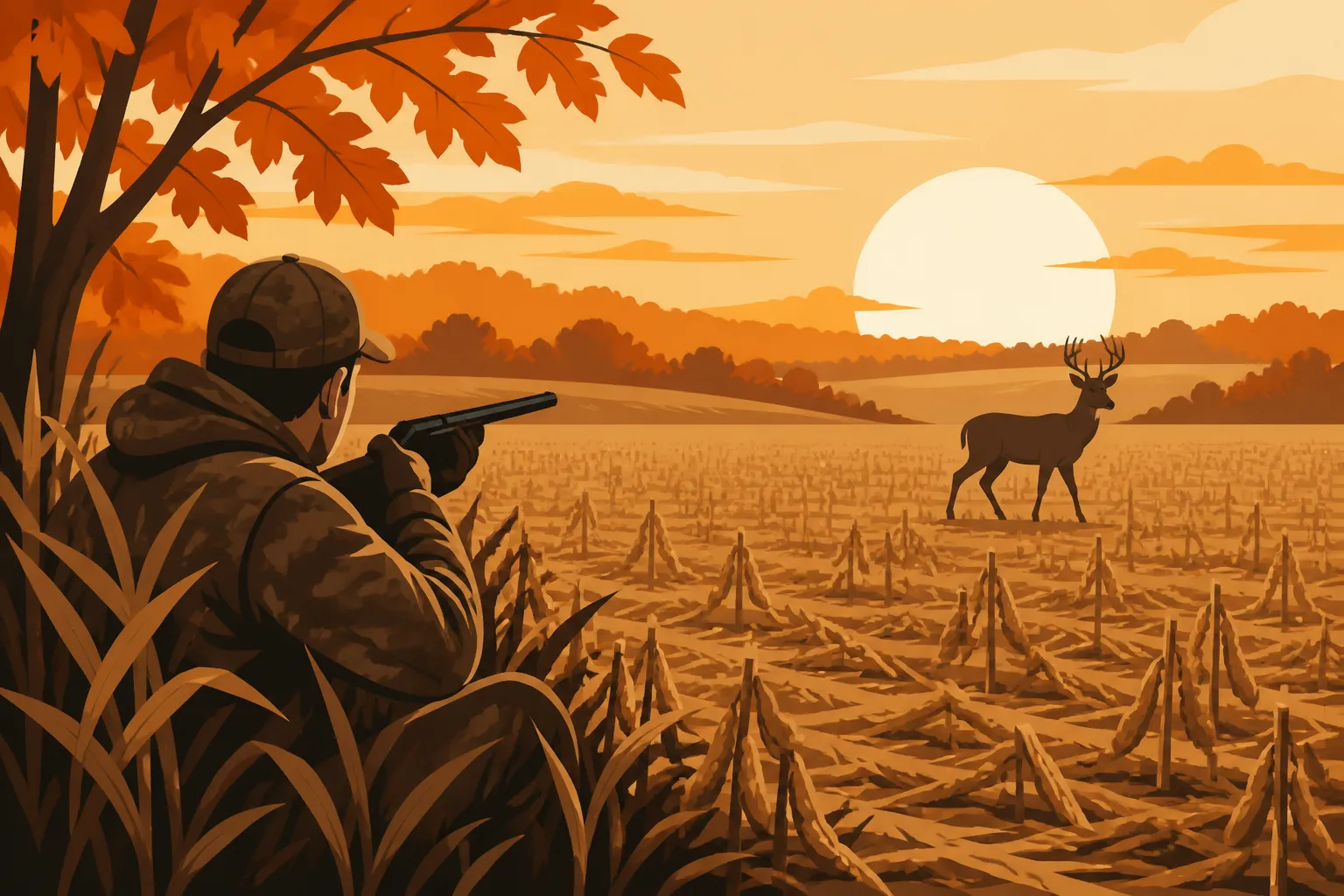
The crisp October air, the changing leaves, and the anticipation of deer season are all intoxicating. But for many Iowa hunters, there's a specific kind of dread that sets in when those combines roll through and leave a bean field stripped bare. Where did all the deer go? It feels like overnight, your prime hunting spot becomes a barren wasteland. This guide is here to help you navigate the perplexing challenge of hunting those seemingly empty picked bean fields in October, revealing how deer still use them and what you can do to find success.
Understanding Deer Behavior After Bean Harvest
It’s easy to feel defeated when you drive past a field that was just full of deer, now reduced to stubble. The reality is, deer don't just vanish; their patterns simply shift, often quite dramatically. They’re still out there, but their priorities and travel routes change, making your understanding of these shifts crucial for success.
Why Deer Relocate from Picked Bean Fields
Before the harvest, standing soybeans offer a dual threat: a high-protein food source and excellent security cover. Deer, especially mature bucks, absolutely love to bed down right in those tall, thick beans, knowing they're hidden from view while having an abundant food supply just steps away. This is why you often see deer emerge directly from the field edges at dusk, feeling incredibly secure.
Once those beans are cut, that security cover is instantly gone, and the primary food source becomes significantly diminished. While some beans are always dropped, they don't offer the same consistent, high-volume feeding opportunity. The deer that were habitually bedding and feeding in the field itself are suddenly exposed and without their primary buffet. This forces them to seek out new bedding locations and more reliable food sources, often deeper in timber, CRP, or standing corn that hasn't been harvested yet. The comfort and safety they once enjoyed are gone, and they react by moving to areas that provide both.
New Deer Movement Patterns in October
With the beans gone, deer will often revert to more traditional travel patterns between remaining cover and other available food sources. This means timber edges, creek bottoms, and hedgerows become high-traffic highways once again. They might still cross or skirt picked bean fields, but usually as a means to an end – a quick dash from one woodlot to another, or a shortcut to a different feeding area. It’s no longer a destination, but a thoroughfare.
You might notice deer moving more cautiously, too. Their sense of security is lowered in the open, so they tend to move during lower light conditions, hugging timber lines or using any available ditch or swale for concealment. They're trying to minimize their exposure, making observation and careful stand placement paramount. If you've been focused on Standing Corn and Bean Field Deer Patterns earlier in the season, this shift requires a complete re-evaluation of your strategies.
Scouting Picked Bean Fields for Residual Value
Just because a bean field looks "picked" doesn't mean it holds no value. There's often a treasure trove of overlooked opportunities if you know what to look for and how to interpret the subtle clues deer leave behind. A good scouting strategy during this time is all about finding those hidden gems.
Identifying Dropped Beans and Secondary Food Sources
Combines are incredibly efficient, but they're not perfect. Every single time, there are dropped beans that get missed, especially in wetter spots, rougher terrain, or at the end rows. These small pockets of residual beans can still attract deer, especially during times of limited other food options. It might not be a feast, but it's a snack, and deer will often sniff them out. Walk the field, particularly along the edges where combines turn, or in low spots, looking for these clusters.
Beyond the beans themselves, look at the bigger picture. What other food sources are nearby? Are there acorns dropping in adjacent timber? Is there still standing corn nearby? Are there late-season food plots? Picked bean fields often become transition zones to these other food sources. Deer might move through the picked field to get to a fresh cut alfalfa field, a patch of clover, or a stand of mast-producing oaks. Use mapping tools like GoHunt to identify these potential adjacent food sources and how deer might travel between them and the picked bean field.
Scouting for Funnels, Pinch Points, and Travel Corridors
When deer are moving across open fields, they almost always take the path of least resistance or the path of most concealment. This creates natural funnels and pinch points that become extremely valuable, even if the field itself isn't a primary draw.
Think about how deer navigate the landscape:
- Ditches and Washes: Even a small depression in a field can offer enough cover for a deer to feel more secure. Look for deer trails running along these natural contours.
- Fence Lines and Hedgerows: Deer will often follow a fence line or a brushy hedgerow that bisects a field. These offer a bit of visual obstruction and can act as guiding lines for movement.
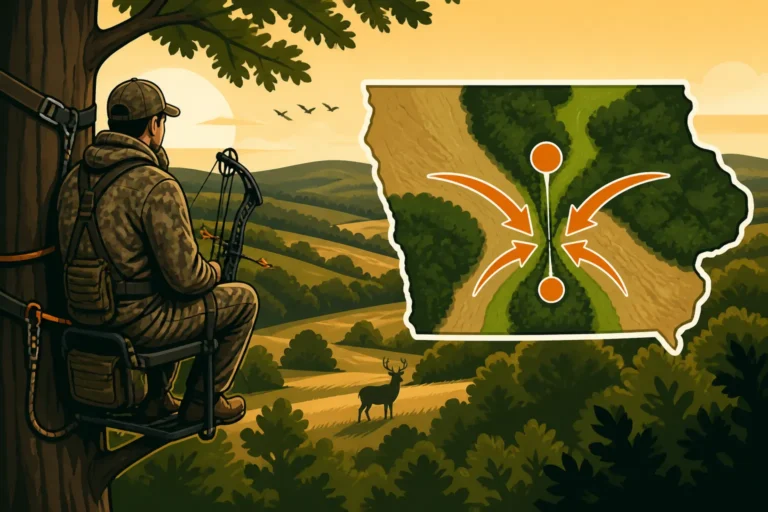
- Timber Points: Where a finger of timber extends into a field, it creates a natural bottleneck that deer will often hug as they enter or exit. This is a classic example of Hunting Inside Corners of Crop Fields.
- Creek Crossings: If a creek runs through or adjacent to a picked bean field, the spots where deer can easily cross become highly utilized travel routes. Look for worn trails leading down to and up from the water.
When you're out scouting, don't just look at the field; look through it to the adjacent cover. Observe the landscape as a deer would, seeking out the easiest or safest way to get from point A to point B. This keen observation can make all the difference.
Stand Placement and Strategy for October Bean Fields
Successfully hunting picked bean fields in October demands a shift in your thinking about stand placement. You're no longer targeting a feeding hub, but rather a travel corridor or a transition zone. This means focusing on entry/exit routes, wind, and identifying exactly when deer are most likely to use these areas.
Hunting the Edges and Transition Lines
The edges of picked bean fields become crucial. Deer often use these edges as the first line of cover before venturing into more open ground or as a staging area before hitting another food source. Look for heavy trails running parallel to the timber, or worn paths where deer are entering and exiting the woods. These transition lines are excellent spots for a stand, giving you a shot at deer moving from bedding areas to new feeding grounds.
Consider setting up where two different cover types meet – say, where a timber edge meets a thick CRP field that borders the picked beans. Deer will often stage in that thicker cover, nibbling on browse or acorns, before stepping out into the more open bean stubble to cross. Your stand should be positioned to intercept these movements, often 10-20 yards inside the timber, rather than right on the field edge. This also helps with your own concealment and entry/exit from your stand. Understanding Wind and Thermals in River Breaks or timber edges is critical here, as deer will often use these to their advantage when traveling.
Utilizing Funnels and Pinch Points within the Field
Once you've identified those funnels and pinch points during your scouting, it's time to strategize your stand placement. A key consideration is the wind. Deer almost always approach or travel into the wind, or with a crosswind, so setting up downwind of these funnels is paramount. You want your scent blowing away from where you expect the deer to come from.
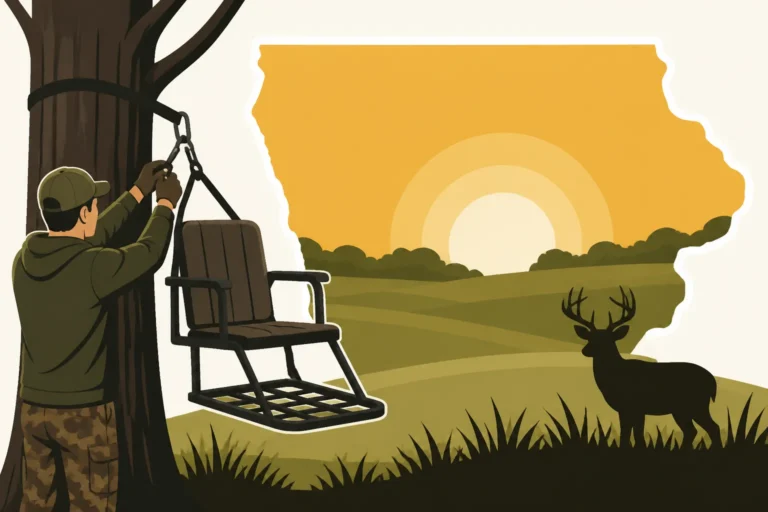
Here’s where a mobile setup, like a tree saddle or a hang-on stand with climbing sticks, really shines. You might need to be flexible, quickly moving your setup based on daily wind conditions or fresh sign. For instance, if you find a major ditch crossing a picked bean field, setting up a small ground blind brushed into a fencerow on the downwind side, or a hang-on stand in the lone tree bordering the ditch, could be highly effective. The goal is to intercept a deer that might be using that subtle topography for security as it traverses the otherwise open landscape.
Timing Your Hunts for Low Light and Specific Conditions
The "October Lull" can feel very real when the beans are gone, but it's often more about when deer are moving rather than if they're moving. After bean harvest, deer generally become more nocturnal or crepuscular (active at dawn and dusk) in open areas due to the lack of cover. This means your best chances are often during the first and last hours of daylight.
However, specific conditions can trigger daytime movement:
- Cold Fronts: A sudden drop in temperature following warm weather can get deer on their feet earlier and later.
- Rainy or Inclement Weather: Overcast, drizzly days, or even light rain, can provide excellent cover for deer movement. The reduced visibility and dampened sounds make them feel more secure.
- Rut Activity: As October progresses into the pre-rut, bucks will start cruising more, expanding their search for does. This increased movement, even across open fields, can happen at any time of day. Keep an eye on the calendar for When the Iowa Rut Peaks to anticipate this shift.
Don't abandon your picked bean fields too early. With careful observation, mobile scouting using tools like GoHunt, and strategic stand placement, these fields can still be productive, especially as transition zones.
| Aspect | Pre-Bean Harvest (September) | Post-Bean Harvest (October) |
|---|---|---|
| Primary Value | Food (high-protein beans) & Security Cover | Travel Corridor, Secondary Food (dropped beans), Staging |
| Deer Activity | Bedding, feeding, frequent field edge movement | More cautious movement, usually crossing or skirting |
| Movement Timing | Often earlier/later in daylight, more relaxed | Predominantly low light, increased nocturnal activity |
| Key Stand Locations | Directly on field edges, within standing beans | Adjacent timber edges, funnels across fields, pinch points |
| Scouting Focus | Fresh tracks in dirt roads, trail cameras on edges | Dropped beans, faint trails, ditches/washes, adjacent food |
| Hunting Strategy | Intercepting feeding deer | Intercepting traveling deer, adapting to new food sources |
Adapting Your Hunt When Beans are Gone for Good
Sometimes, a picked bean field truly is picked clean, and the deer simply aren't using it for anything more than a rare, hurried crossing. In these situations, it's essential to pivot and focus your efforts on where the deer have actually gone, rather than clinging to a spot that's no longer productive.
Shifting Focus to Alternative Food Sources
If the picked bean field isn't holding deer, they've moved on to the next best thing. Your priority now is to find that "next best thing." In Iowa, this often means:
- Acorns: If you have timber nearby, especially with mature oak trees, check for acorn drop. Deer will absolutely gorge themselves on acorns, which are high in fat and calories. A good acorn crop can pull deer away from agricultural fields entirely. Scouting Iowa Timber and River Bottoms becomes your new mission.
- Standing Corn: If there are still standing corn fields in the area, these become incredibly valuable. They offer both food and thick security cover, effectively acting as "super-beds" and feeding grounds until they're harvested. Deer will stack up in standing corn.
- Food Plots: If you or a landowner have established food plots, now is their time to shine. Late-season mixes, brassicas, or even clover plots can draw deer in.
- Forbs and Browse: Don't underestimate natural browse, especially in thick bedding areas or along CRP edges. Deer will browse on woody stems, briars, and remaining green forbs.
Use your maps, like the ones available on GoHunt, to identify these alternative food sources and the densest cover nearby. This will help you predict new travel patterns and staging areas.
Identifying New Bedding Areas and Travel Corridors
With the loss of bean cover, deer will seek out new bedding security. This typically means:
- Thick Timber: Dense hardwood forests, especially those with thick undergrowth, cedars, or multiflora rose, become prime bedding.
- CRP Grass: Tall, thick CRP fields offer excellent thermal and visual cover. Bucks, in particular, will often bed down in heavy CRP. Consider topics like CRP Grass and Where Bucks Bed.
- River Bottoms and Swamps: These low-lying, often brushy and wet areas provide great seclusion and can be overlooked by other hunters.
- Brushy Draws and Fence Rows: Even relatively narrow strips of thick brush can provide enough cover for deer to bed, especially if it's connected to a larger timber block.
Once you've identified these potential new bedding areas, you then need to find the travel corridors connecting them to the active food sources. Look for trails leading out of the bedding areas toward the new food. This might involve extensive boots-on-the-ground scouting, but it’s invaluable. Remember that deer are still going to take the path of least resistance. Scouting for these new travel patterns is key, and understanding Hunting Pressure Patterns on Iowa Public Land can help you find areas where deer feel safer moving in daylight.
Adjusting Hunting Pressure and Strategy
If your original picked bean field spot was high-pressure, consider moving to less-pressured areas. Deer become incredibly sensitive to intrusion after harvest. They've lost their security blanket, and human presence makes them even warier.
- Hunt Smarter, Not Harder: Instead of sitting in a potentially barren field, focus on glassing from a distance to confirm deer activity before committing to a stand.
- Hunt the Edges of Heavy Cover: Set up just inside heavy cover, watching the edges of open fields or clearings. This gives you better concealment and allows deer to feel more comfortable approaching.
- Employ a Mobile Strategy: Being able to quickly move your stand or set up a ground blind based on fresh sign or shifting deer patterns is a huge advantage. Don't be afraid to change your setup daily if needed. A good mobile setup is essential for Mobile Saddle Hunting in Iowa.
- Focus on the Rut: As the rut approaches, bucks will be on the move regardless of food sources, searching for does. While food is still important for does, bucks will cover more ground, offering opportunities for strategic rattling, grunting, or even decoying near these picked fields, especially if they are major travel corridors between bedding areas.
Hunting a picked bean field in October can be frustrating, but it's far from impossible. By understanding deer behavior, meticulously scouting for residual value and new travel patterns, and adapting your stand placement and timing, you can continue to find success even after the combines have rolled through. Keep your head up, stay persistent, and remember that deer are always looking for food, cover, and security—your job is to figure out where they've found it now.
Disclaimer
Hunting is an inherently dangerous activity. Always prioritize safety, adhere to all Iowa hunting regulations and laws, and obtain the necessary licenses and permits before engaging in any hunting activities. The information provided in this guide is for informational purposes only and should not replace professional advice or official regulations.