The October Lull and Whether It Is Real
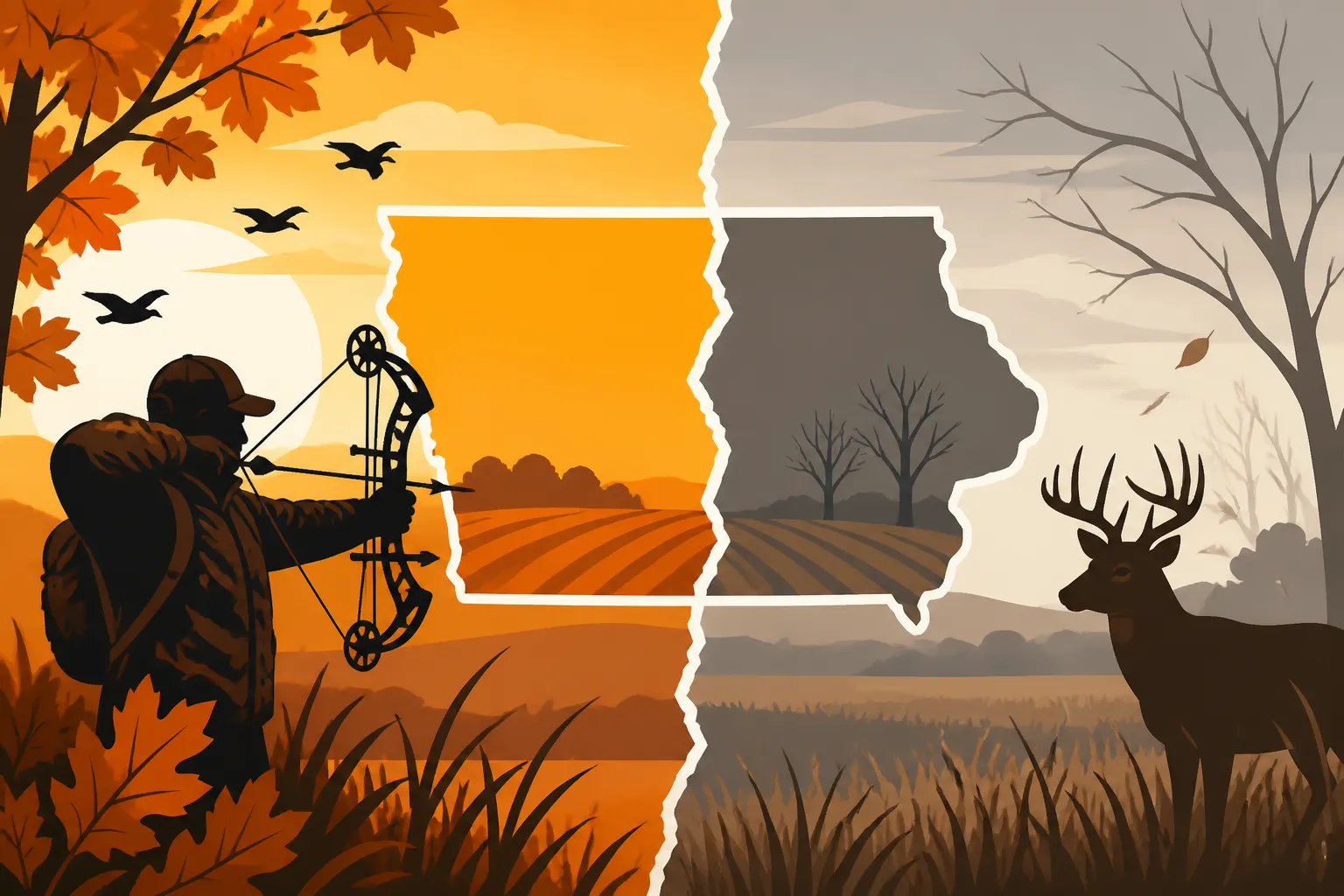
You've felt it, right? That sudden, nagging feeling around mid-October when the deer activity you saw during the early bow season seems to just… vanish. It's like flipping a switch. One day, scrapes are popping up, deer are moving, and then, boom, crickets. This mysterious slowdown is what hunters across Iowa and beyond often refer to as the "October Lull," and it can be incredibly frustrating. This guide is all about diving deep into what the October Lull is, why it happens, and most importantly, how you can adjust your hunting strategies to punch your tag during this often-misunderstood period.
The Myth and Reality of the October Lull
For years, hunters have debated whether the "October Lull" is a real phenomenon or just a figment of our collective imagination, fueled by impatience for the rut. The truth, like most things in nature, is a bit more nuanced than a simple yes or no. It's less of a complete shutdown and more of a significant shift in deer behavior, driven by a complex interplay of biological, environmental, and, let's be honest, human factors.
Hunter's Perception Versus Deer Behavior
From our perspective in the treestand, the lull feels incredibly real. We’re often seeing fewer deer, especially mature bucks, during daylight hours. Those early-season patterns of bucks cruising alfalfa fields or coming to water sources seem to dry up. This can be incredibly disheartening, making some hunters even pull out of the woods entirely, convinced it's not worth the effort. But what we perceive as a lull in activity is often just a lull in visibility to us. The deer don't stop moving or eating; they simply become far more discreet and often shift their routines to adapt to changing conditions.
Anticipation for the Rut Skews Our Perspective
Part of the reason the October Lull feels so pronounced is the immense anticipation for the peak of the rut, which is just around the corner. We spend all summer scouting, watching velvet antlers grow, and dreaming of November’s chaos. So, when late October rolls around and bucks aren't chasing does through every timber stand, the contrast feels stark. Our expectations for high-octane rut action can make the normal, necessary transition period for deer seem like a complete cessation of movement. It's like expecting a fireworks show and getting a quiet, serene sunset instead—beautiful in its own way, but not what you were geared up for. This period, before the frenzy of the full rut, is crucial for deer, and understanding their needs helps us understand their behavior.
Why Deer Behavior Shifts in Mid-October
So, if it’s not a complete shutdown, what exactly is going on with Iowa's whitetails during October? It boils down to a few key factors that change their priorities and, consequently, their daily routines. Understanding these shifts is the first step to staying effective in the woods.
Post-Summer Recovery and Energy Needs
Think about what a buck has just gone through. From spring to late summer, his body was pouring energy into growing a massive set of antlers. This is an incredibly energy-intensive process, demanding huge amounts of protein and minerals. By early October, antler growth is done, velvet is shed, and the focus shifts. Now, they're in a critical phase of replenishing those lost energy reserves. They're trying to pack on as much fat as possible to prepare for the energy-draining gauntlet of the rut and the lean winter months ahead. This means they're prioritizing high-calorie food sources and efficient feeding, often moving mostly at night to do so, especially when there's hunting pressure.
Temperature Swings and Nocturnal Patterns
Iowa Octobers are notoriously fickle. One day it's 70 degrees and sunny, the next it's dipping into the 30s. These dramatic temperature swings have a huge impact on deer activity. During warmer spells, deer, especially those big, heavily insulated bucks, will naturally become more nocturnal. They'll spend the heat of the day bedded down in thick cover, conserving energy and avoiding overheating, only venturing out to feed and move under the cool cloak of darkness. When a cold front finally pushes through, however, that's your golden ticket. The sudden drop in temperature can ignite deer movement, bringing them out to feed and travel more during daylight. Keep a close eye on the weather forecast and be ready to capitalize on these short windows.
Food Source Transitions
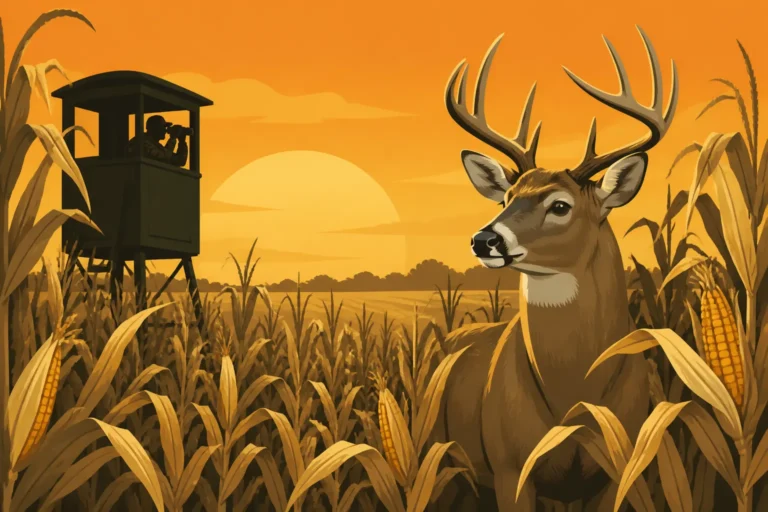
The deer's pantry changes significantly from early fall to mid-fall. In September, many deer might be hitting lush alfalfa fields, tender soybeans, or even early-dropping soft mast like apples. But by mid-October, many of those prime early-season food sources are either drying up, have been harvested, or are simply less attractive. This is when hard mast, particularly acorns, becomes king in many timbered areas. If you're hunting timber in Iowa, finding a strong acorn drop can be like finding a gold mine. Deer will often bed close to these areas and feed heavily there. Conversely, in farm country, harvested corn and soybean fields, or even standing corn late in the Iowa season, can become major attractions, especially as colder weather sets in. Deer are constantly adjusting their feeding patterns to the most abundant and nutritious food available, and your scouting needs to adapt to track these changes.
The Impact of Hunting Pressure
Let's be real: Iowa gets hunted. The early archery season, especially in popular public land spots or areas with a lot of hunting leases, can introduce significant pressure. Deer are incredibly adaptable and learn quickly. If they're being bumped or harassed during daylight hours, they'll simply become more cautious and shift their movements to nighttime. This is particularly true for mature bucks who have survived several hunting seasons. They've learned to use dense cover, travel through thick bedding areas, and move after dark. Hunting Pressure Patterns on Iowa Public Land is a very real factor during this time. This is why aggressive tactics like rattling and grunting are often less effective in the early part of October; bucks are simply not in a "seeking" phase yet. They're focused on recovery and safety.
Strategies to Beat the October Lull
Okay, so the lull is real in terms of daylight visibility, but deer are still out there. The key is adapting your approach. You can't hunt mid-October like you would early September or the peak rut. It requires patience, precise scouting, and sometimes, a little creative thinking.
Focus on Food and Water Sources
This cannot be stressed enough: deer are always going to be near food and water. The trick is identifying which food and water sources are most appealing right now. If acorns are dropping, that timbered ridge might be the hottest spot on the map. Spend time scouting for fresh acorn cuttings or deer droppings full of acorn hulls. If the acorns haven't dropped or are scarce, shift your focus to harvested crop fields or even standing corn.
In dry years or areas, a secluded water source can be a magnet. Ponds, seep springs, or small creek bottoms can concentrate deer activity, making a sit over water a viable option, just like during Early-Season Bowhunting Over Water. Use mapping tools like GoHunt to identify potential food sources and water features, then confirm them with boots on the ground scouting. Look for those hidden plots, abandoned apple trees, or small brassica fields that might not be obvious from a distance.
Adjust to Thermal Hubs and Dense Cover
When temperatures are fluctuating, deer are seeking comfort. On warm days, they'll often be bedded in the coolest, densest cover they can find – thick cedar thickets, brushy creek bottoms, or the deepest parts of a standing cornfield. Places like Cedar and Locust Thickets as Bedding Cover or even CRP Grass and Where Bucks Bed become prime daytime sanctuaries. Don't be afraid to hunt the edges of these bedding areas, especially in the afternoon as deer start to stir before heading to food.
Conversely, on colder days, they might seek out sun-drenched south-facing slopes or thick evergreens that offer thermal protection. Think about where a deer would want to be to conserve energy or soak up warmth. This requires you to put yourself in their hooves and anticipate their comfort needs.
Morning Versus Evening Hunts
During the lull, deer activity can be notoriously short-lived. This often means very specific windows for movement. Mornings can be productive if you can sneak into a stand near a bedding area before legal light and catch deer returning from their nocturnal feeding. Be mindful of your entrance and exit routes to avoid bumping deer.
Evenings are often considered more consistent during the lull, but only if you are set up directly on a hot food source that deer feel safe visiting before dark. The challenge is getting in and out without spooking deer from their bedding. Consider stand locations that allow for a quiet approach and exit, minimizing intrusion. Sometimes, an all-day sit is required, but typically you’ll be waiting for that brief period when deer shift from bed to food.
Scouting Must Continue
Just because the season is open doesn't mean scouting stops. In fact, mid-October might be one of the most critical times to be aggressively scouting. This isn't necessarily about walking through bedding areas; it's about checking new food sources, looking for fresh rub lines indicating a buck is beginning to feel frisky, and monitoring water sources. Pay attention to fence crossings, ditch crossings, and other subtle travel corridors. Use trail cameras to help you pinpoint when and where deer are moving. Tools like GoHunt can be invaluable for e-scouting new areas or identifying potential funnels you might have overlooked. If you're on public land, Scouting Iowa Public Land Before the Opener is vital, but don't stop once the season starts. You need to adapt to what the deer are telling you now.
Making the Most of Mid-October
Don't let the "lull" become an excuse for staying home. This period offers unique opportunities for the patient and adaptable hunter. It's a chance to refine your skills, learn more about deer behavior, and position yourself for success when the rut kicks into high gear.
Don't Burn Out Your Prime Rut Locations
One of the biggest mistakes hunters make during the lull is over-hunting their best stands. Your "rut stands"—those prime pinch points, saddles, or funnel locations that will be absolutely dynamite when bucks are cruising for does—should often be saved. Mid-October isn't the time for aggressive hunting of those core areas. Instead, focus on peripheral spots, food source edges, or travel corridors leading to bedding. If you go too hard on your best spots now, you risk educating those mature bucks, making them even more nocturnal and harder to kill when the real action starts. Think strategically about conserving your pressure.
Patience and Persistence Pay Off
The October Lull demands a different kind of patience. You might not see many deer, and those you do see might be does and fawns. It's easy to get discouraged. But remember, those mature bucks are still out there, moving, feeding, and occasionally making a mistake. It might be a quick, unexpected daylight appearance as they shift between bedding and a newly discovered food source. Being in the stand, quietly observing, and remaining persistent greatly increases your odds of encountering that one fleeting opportunity. Sometimes, it's just about being there when everything aligns for a few crucial minutes.
Utilizing Cold Fronts and Weather Changes
As mentioned, cold fronts are your best friends during the October Lull. A significant drop in temperature, especially after a period of warm weather, can spur deer activity almost immediately. Plan your hunts around these fronts. The first day or two after a strong cold front moves through can be incredibly productive, as deer respond to the more comfortable temperatures by extending their daylight movements to feed. Look for associated wind shifts too, and use them to your advantage when planning your approach and stand selection. It's about knowing when to be aggressive and when to sit back and wait.
The Subtle Build-up to the Pre-Rut
While the peak rut is still weeks away, late October does see the very beginning of pre-rut activity. Bucks start to feel the urge to breed, although not yet intensely. You might notice an increase in rubbing and scraping activity, or bucks scent-checking fields from a distance. This is when vocalizations, like a soft grunt, might start to pique a buck's curiosity. Grunt Calls That Work in the Pre-Rut can be effective, but don't overdo it. The key is to acknowledge that deer are slowly transitioning. You might not see full-blown chasing, but there's an underlying shift in their focus from purely food-driven to a mix of food and breeding preparation. This transition period sets the stage for Iowa Whitetail Hunting Tactics Through the Rut.
Here's a quick comparison of common beliefs versus the reality of the October Lull:
| Hunter's Common Belief About the Lull | Actual Deer Behavior During the Lull | Recommended Hunter Strategy |
|---|---|---|
| Deer disappear or stop moving. | Deer shift to more nocturnal patterns, especially mature bucks. | Focus on early mornings near bedding, late evenings near food. |
| It's not worth hunting. | Deer are still moving to feed, just more cautiously and discreetly. | Hunt smart, scout continually, adapt to new food sources. |
| Bucks are completely uninterested in does. | Bucks are recovering energy, but beginning subtle pre-rut preparations. | Conserve prime rut spots, use subtle grunts if active. |
| My best stands aren't producing. | Old food sources might be depleted; new ones are key. | Relocate to new, active food sources like acorns or standing corn. |
| The deer are "smart" and know I'm there. | Deer are highly pressured and prioritize safety and thick cover. | Minimize intrusion, hunt edges of thick bedding, use mobile tactics. |
Using mobile hunting tactics like Mobile Saddle Hunting in Iowa can be incredibly effective during this time, allowing you to adapt quickly to fresh sign or changing food sources without committing to a permanent setup. Remember, the lull isn't a wall, it's a phase. If you understand it, you can hunt it. Eventually, the shift happens, and before you know it, it'll be When the Iowa Rut Peaks, and all this quiet patience will pay off.
Disclaimer
Hunting is an inherently dangerous activity. Always prioritize safety, follow all local and state regulations, and ensure you have the proper training and equipment. The information provided in this guide is for informational purposes only and should not replace proper instruction or adherence to official hunting guidelines.