Iowa Pheasant Population Cycles
There’s nothing quite as frustrating as heading out to your favorite public hunting ground or a trusted farm field, expecting to hear the cackle of roosters exploding from cover, only to find the fields eerily quiet. We’ve all been there, scratching our heads and wondering where all the pheasants went. Understanding what makes Iowa's pheasant numbers ebb and flow is key to more successful hunts, and this guide will peel back the layers on those population cycles, helping you make sense of the good years and the tough ones.
Understanding the Rhythmic Dance of Iowa Pheasant Numbers
Pheasant hunting in Iowa is more than just a pastime; it's a tradition deeply woven into the fabric of our state's outdoor heritage. However, unlike deer or turkeys, which tend to have more stable populations year-to-year, pheasant numbers can feel like they're on a roller coaster. One season, you’re flushing birds almost every step, and the next, it feels like you're walking across a barren landscape. This isn't just bad luck; it's the nature of upland bird populations.
The Inherent Volatility of Upland Bird Populations
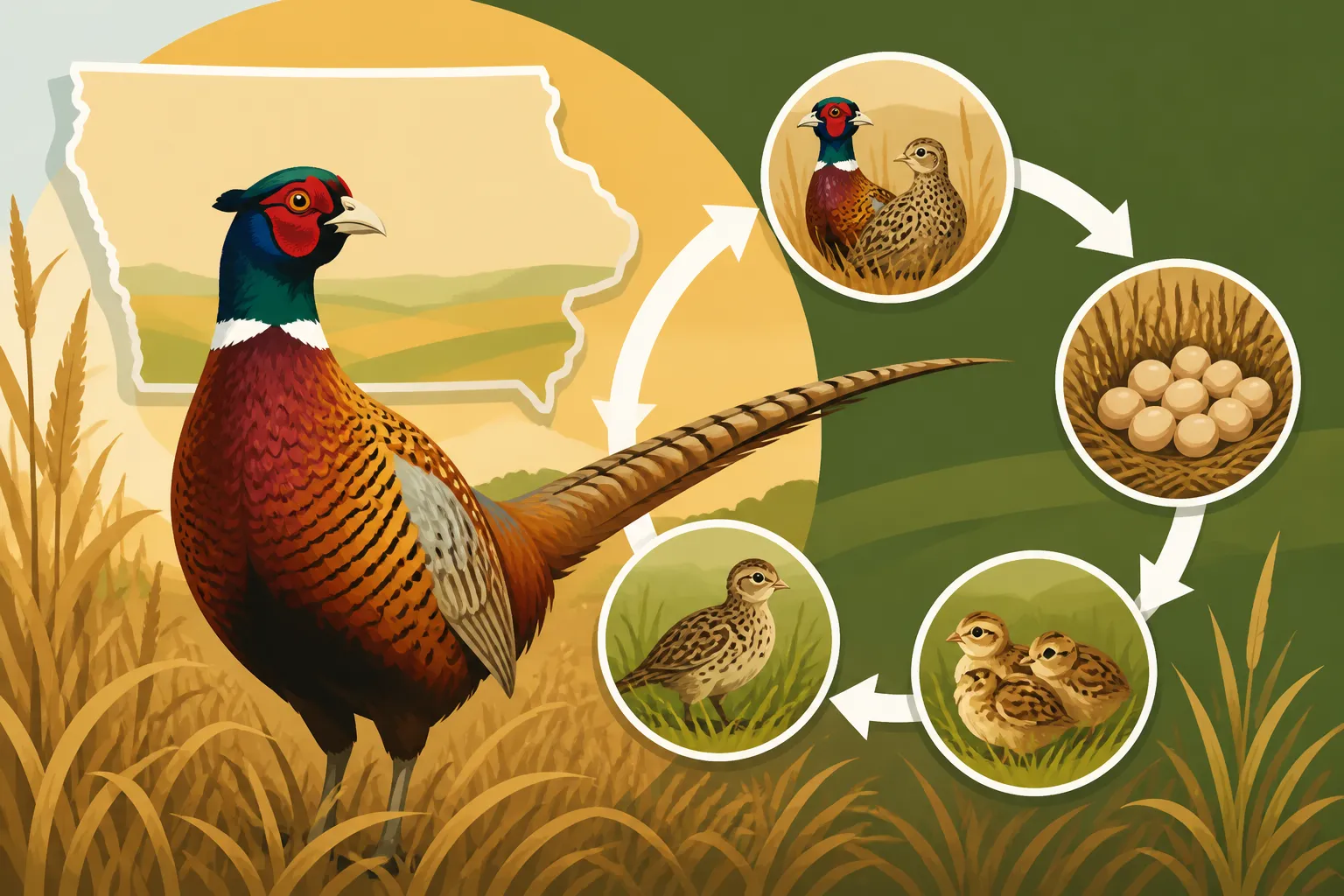
Pheasants, being prolific breeders, can rebound incredibly quickly from low numbers if conditions are right. Conversely, a string of bad breaks can send their populations plummeting just as fast. They're often referred to as "boom and bust" species for a reason. Their entire life cycle, from nesting success to chick survival, is incredibly vulnerable to environmental factors. For example, a single severe weather event during nesting season can wipe out an entire brood crop, and those impacts ripple through the population for years. It’s a stark reminder that as hunters, we're guests in a wild system that Mother Nature ultimately controls.
Why Hunters Feel the Swings So Acutely
When you spend your hard-earned vacation days or precious weekends walking miles through CRP fields and ditch banks, you want to see birds. So, when the Iowa Pheasant Roadside Survey Results come out showing a significant dip, it hits home. We feel these swings so acutely because our hunting success is directly tied to the number of birds on the landscape. If there are fewer birds, we have to work harder, walk further, and often come home with lighter game vests. It can be disheartening, making you question your scouting, your dog's ability, or even your favorite hunting spot. The reality is, sometimes the birds just aren't there in the numbers we'd hope for, regardless of how good a hunter you are.
The "Boom and Bust" Phenomenon
The "boom and bust" cycle isn't just a catchy phrase; it's a scientific reality for many upland game species, including our beloved pheasants. A "boom" year is characterized by an explosion in numbers, often following a mild winter and a perfect spring nesting season – not too wet, not too cold. This leads to high poult survival, and suddenly, the ditches are alive with cackles. A "bust" year, however, comes when factors align against the birds: brutal winters with deep, prolonged snow cover, followed by cold, wet springs that drown nests or chill vulnerable chicks. These consecutive negative events can dramatically reduce the breeding stock and recruitment, leading to a noticeable drop in birds by fall. This natural oscillation means that as hunters, we learn to appreciate the good years and adapt our expectations and tactics during the lean ones.
Critical Environmental Factors Shaping Pheasant Success
While it might feel like a mystery, the primary drivers behind these pheasant population cycles are actually quite well understood. They mostly boil down to three big categories: weather, habitat, and to a lesser extent, predation and disease. Over the long haul, these environmental factors are far more influential than hunting pressure.
The Overriding Impact of Weather Patterns
Anyone who's chased pheasants for more than a couple of seasons knows that weather is king. A harsh winter can be devastating. Think about it: deep snow cover for weeks on end makes it incredibly hard for pheasants to find food. They burn through their fat reserves just to stay warm, and if they can't access grain or grit, they weaken quickly. This is where Winter Weather and Hen Survival becomes a critical factor. Hens need to make it through winter in good condition to be able to lay a healthy clutch of eggs in the spring.
Then there's the spring and summer weather. A cold, wet spring can literally wash out nests or lead to hypothermia in newly hatched chicks. Young pheasants are particularly vulnerable to cold and damp conditions, and continuous heavy rains can decimate a brood. On the flip side, a warm, relatively dry spring and early summer often lead to excellent nesting success and high poult survival, setting the stage for a banner hunting season. These subtle shifts in seasonal conditions can have profound effects on the number of pheasants you'll encounter come October.
Habitat Quality and Quantity as the Foundation
You can have perfect weather, but without robust, diverse habitat, pheasant numbers will struggle. Pheasants need a patchwork of different covers throughout the year. In spring, they need secure nesting cover, often dense grasses or undisturbed field edges, to lay their eggs safely away from predators and farm machinery. Throughout the summer, broods require brood-rearing cover – areas with insect-rich forbs and protective overhead cover, like ungrazed pastures or specific conservation program plantings.
As fall approaches and winter sets in, dense thermal cover becomes paramount. Think tall switchgrass, cattail sloughs, or thickets of multiflora rose and cedar trees. This dense cover provides shelter from blizzards and strong winds, protecting them from the elements and aerial predators. The sheer quantity and interconnectedness of these habitat types dictate how many pheasants an area can support. Programs like the Conservation Reserve Program (CRP) are vital. When CRP acres are high and well-managed, you generally see better pheasant numbers. Conversely, losses of diverse habitat directly correlate with declining pheasant populations. That's why understanding Pheasant Hunting Iowa Grass and Crop Edges is so important, because those varied habitats are where the birds live.
Predation and Disease: Subtle but Significant Pressures
While weather and habitat are the loudest voices in the pheasant population conversation, predation and disease play their own, often more subtle, roles. A healthy pheasant population, especially one with abundant escape cover, can generally handle typical predator pressure from foxes, coyotes, raccoons, and raptors. However, in areas with fragmented or poor habitat, predation can become a much more significant limiting factor, especially on nests and young poults. For example, a nest placed in sparse cover is far more susceptible to a passing coyote.
Disease outbreaks are less common with pheasants compared to some other game species, but they can still occur, particularly in years where birds are stressed due to poor conditions or habitat. Avian influenza, for instance, has occasionally shown up in wild bird populations, though its direct impact on overall pheasant numbers is usually localized. The key takeaway here is that good habitat helps pheasants evade predators and maintain their health, acting as a buffer against these pressures.
The Iowa DNR's Monitoring Efforts and the Roadside Survey
To get a handle on these fluctuating populations, wildlife biologists and conservationists don't just guess; they conduct systematic surveys. The Iowa Department of Natural Resources (DNR) is committed to tracking these trends, and one of their most valuable tools is the annual roadside survey, providing crucial insights into pheasant numbers across the state. Using tools like those from GoHunt can help you understand these trends geographically and plan accordingly.
How the Annual Roadside Survey Works
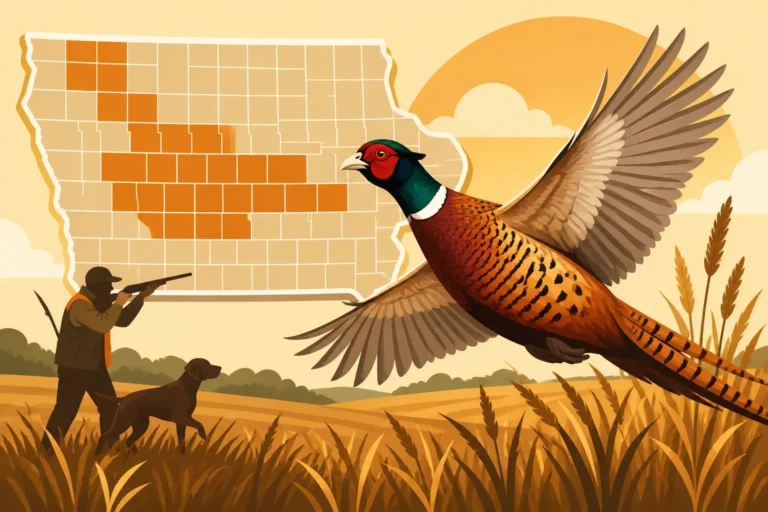
Every August, when crops are tall enough to give pheasants cover but before harvest scatters them, Iowa DNR staff and volunteers drive designated routes across the state. These routes are usually 30 miles long and are driven early in the morning, right after sunrise. The crews drive slowly, counting all the pheasants they see – adults, poults, and even broods. They repeat these surveys on the same routes year after year, under similar conditions, which allows for a consistent comparison of data over time. This standardized method, detailed in articles like How the Iowa Roadside Survey Is Run, provides a reliable index of population changes, not an exact count of every bird in Iowa, but a strong indication of overall trends. It's a massive undertaking, covering numerous routes throughout Iowa.
Interpreting the "Birds Per Route" Data
The most commonly cited metric from the roadside survey is "birds per route." This number represents the average number of pheasants observed per 30-mile route. It's a simple, yet powerful indicator. If the "birds per route" number is up from the previous year, it generally suggests a healthy increase in the overall pheasant population. Conversely, a decrease often signals a tougher year for the birds. Looking at the Birds Per Route in the Iowa Survey over several years helps reveal those "boom and bust" cycles we discussed earlier. It’s important to remember that this is an average, so while one route might show few birds, another might be loaded. The value lies in the statewide and regional trends it highlights, giving hunters a solid expectation for the upcoming season.
| Year | Average Birds Per Route | General Outlook for Hunters | Key Contributing Factors (Example) |
|---|---|---|---|
| 22-23 | 25.0 | Excellent | Mild Winter, Dry Spring, High CRP |
| 21-22 | 20.5 | Good | Average Winter, Good Spring |
| 20-21 | 18.0 | Moderate | Harsh Winter, Wet Spring |
| 19-20 | 22.0 | Very Good | Mild Winter, Ideal Nesting |
| 18-19 | 15.5 | Challenging | Prolonged Deep Snow, Cold Spring |
Note: This table uses hypothetical data to illustrate the concept.
Beyond the Numbers: Other Data Sources
While the roadside survey is the flagship monitoring tool, it's not the only data point the DNR considers. They also look at things like hunter harvest reports, which indicate how many pheasants were actually taken by hunters during the season. This provides an additional layer of verification. Weather station data, specifically regarding winter snowfall, duration of snow cover, and spring precipitation and temperatures, is heavily scrutinized to understand the "why" behind population changes. Furthermore, habitat managers on state and county lands are constantly observing and reporting on local conditions, nesting success, and brood sightings. These combined efforts create a comprehensive picture, helping the DNR and hunters alike understand the health of Iowa's pheasant resource. It’s this blend of scientific data and on-the-ground observations that helps shape hunting regulations and management strategies.
Strategies for Hunting Pheasants Through Lean and Lush Years
Whether the pheasant population is peaking or hitting a low, hunters still head to the field. The key to consistent success, and more importantly, consistent enjoyment, lies in adapting your approach to the conditions you face. There's nothing more disheartening than hunting with tactics suited for a bumper crop year when birds are scarce.
Adjusting Tactics to Population Levels
In years when the roadside survey indicates robust pheasant numbers – maybe the Iowa's Twenty-Year Pheasant High – you might find birds in more marginal cover, like thinner CRP strips, brushy fencerows, or even small patches of weeds along crop fields. These are the years you can sometimes get away with less intensive scouting or work smaller pieces of public land. You might find success with a more relaxed approach, perhaps even trying some Working Pheasant Cover Without a Dog in smaller, isolated pockets.
However, in lean years, when birds per route numbers are low, you absolutely must adjust. Birds will be concentrated in the thickest, most secure cover available. Forget those sparse fencerows; focus your efforts on large blocks of dense CRP, cattail sloughs, heavy timber edges, or robust stands of switchgrass. This means more intensive scouting, paying close attention to aerial maps for the densest cover, and being prepared for longer walks. You’ll need to target prime habitat, especially when it's integrated with food sources. The birds that survive tough years are often the ones tucked away in nearly impenetrable sanctuaries.
Finding Consistent Action Even When Numbers Are Down
Don't let a low survey number keep you indoors. You can still have great hunts even in a "bust" year; it just requires smarter strategies. The biggest secret is to seek out areas that consistently hold high-quality winter cover and food sources, regardless of the overall trend. These are often larger public hunting areas, IHAP (Iowa Habitat and Access Program) tracts with diverse plantings, or specific county conservation areas that are known for their dense cover. These spots act as refuges for pheasants when conditions are tough, concentrating the remaining birds. Using a platform like GoHunt to scout these areas for specific habitat types can be invaluable.
You might also consider Late-Season Pheasants in Heavy Cover, when colder weather pushes birds even deeper into the thickest stuff. This means adjusting your walking strategy – slowing down, pushing through tangled multiflora rose, and being prepared for birds to flush closer than usual. Also, consider the impact of hunting pressure. On heavily hunted public areas, birds become much wilder, flushing farther out. Seek out less-pressured corners or walk deeper into tracts that deter other hunters.
Maximizing Opportunities in Peak Years
When Iowa experiences a "boom" year, it's time to make the most of it! This is when you can explore new areas, try out different tactics, and potentially fill your daily bag limit more consistently. In these years, pheasants are often found in places you might typically overlook during lean times. Consider focusing on areas with extensive Nesting Cover and Pheasant Broods that did well during the spring.
You can really lean into group hunts during peak years, making drives more effective when Blocking and Driving Iowa Grass Strips or larger fields. The increased density of birds often means more flushes and more shooting opportunities for everyone in the hunting party. This is also a fantastic time to introduce new hunters, especially youth, to the sport, as the increased bird contact makes for a much more exciting and rewarding experience. Just remember to still respect the resource, practice safe shooting, and be mindful of your Iowa Pheasant Daily Bag Limit.
The Hunter's Role in Supporting Healthy Pheasant Cycles
As hunters, we're more than just participants; we're also stewards of the land and its wildlife. Our actions and advocacy play a significant role in ensuring healthy pheasant populations for future generations, regardless of where they are in their natural cycle. We have a responsibility to give back to the resource that provides us with so much joy.
Habitat Preservation and Restoration Efforts
This is arguably the most crucial role for hunters. Understanding that habitat is the bedrock of pheasant populations means actively supporting efforts to preserve and restore it. This could mean enrolling your own land in conservation programs like CRP, or advocating for public policies that support such programs. Groups like Pheasants Forever are instrumental in this work, implementing habitat projects on private and public lands across Iowa, from planting diverse native grasses to creating food plots and wetland restorations.
Even if you don't own land, you can contribute by supporting organizations that do the work, volunteering your time for habitat projects, or simply making conscious choices when voting or discussing land use. Every acre of quality nesting, brood-rearing, and winter cover makes a difference, buffering pheasant populations against the inevitable "bust" years and amplifying the "boom" years. When we protect and enhance habitat, we're investing directly in the future of pheasant hunting.
Ethical Harvest and Respect for the Resource
While hunting pressure isn't typically the primary driver of population cycles, responsible harvest is still vital. Knowing your Iowa Pheasant Season Dates and adhering to bag limits helps ensure that enough birds, particularly breeding hens, are left to reproduce the following spring. It’s about more than just legal compliance; it’s about a deep respect for the resource.
This also extends to how we hunt. Efficient shooting to minimize crippled birds, thorough searching for downed game, and avoiding excessive pressure on small, isolated cover patches are all part of ethical hunting. Being a responsible hunter means leaving the land better than you found it, picking up spent shells, and respecting private property boundaries. By demonstrating this commitment to ethical behavior, we reinforce a positive image of hunting and contribute to the overall conservation ethic that benefits all wildlife.
Advocating for Upland Game Programs
Hunters are a powerful voice for conservation. We pay for much of the wildlife management through license fees and excise taxes on hunting equipment (the Pittman-Robertson Act). Beyond that, we need to actively advocate for programs and funding that benefit upland game. This means staying informed about legislative issues, contacting your representatives, and participating in public comment periods when new regulations or land management plans are being discussed.
Supporting organizations like Pheasants Forever, Ducks Unlimited, and other conservation groups, whether through membership, donations, or volunteer work, helps amplify these efforts. These organizations work tirelessly to influence policy, secure funding, and implement on-the-ground habitat projects that directly benefit pheasants and other upland species. By being engaged and vocal, hunters ensure that the future of Iowa's pheasant hunting remains bright, helping to mitigate the impacts of lean years and capitalize on the good ones.
Disclaimer
Please remember that hunting regulations, seasons, and public land access rules can change. Always consult the most current Iowa DNR hunting regulations booklet before planning any hunt to ensure compliance. This guide is for informational purposes and should not be considered legal advice.