Recovering From an EHD Year
Experiencing an EHD (Epizootic Hemorrhagic Disease) outbreak in your favorite Iowa hunting area can be absolutely heartbreaking, watching the deer herd you've nurtured and observed seemingly vanish overnight. That gut-wrenching feeling of finding deceased deer, or simply not seeing any sign where they once thrived, can make you wonder if the woods will ever be the same. This guide is here to help you understand the natural resilience of Iowa's whitetail deer population and what to expect as the herd begins the long, but often surprisingly swift, journey of recovering from an EHD year, along with strategies to adapt your hunting approach during this challenging time.
Understanding EHD and Its Devastating Impact on Iowa Deer Herds
For many Iowa hunters, EHD isn't just a clinical term; it's a stark, painful reality that plays out in the fields and timber. Epizootic Hemorrhagic Disease is a virus transmitted by biting midges, often called no-see-ums or gnats. When an outbreak hits, it can be absolutely devastating, leading to rapid and widespread deer deaths, especially in localized areas. The symptoms are often severe: deer become lethargic, lose their appetite, develop high fevers, and frequently seek water sources to cool down. This is why you often find deceased deer near creeks, ponds, or muddy areas. Their bodies may show signs of swelling in the head, neck, or tongue, and their hooves might slough off. It's a tough sight, and it leaves a lasting impression on anyone who cares about the health of the local deer.
Why are some years worse than others? It often comes down to environmental conditions. Drought-like summers followed by a warm, lingering fall create ideal breeding grounds for the midges in stagnant water. Pockets of standing water, even small ones, become midge nurseries, and if these are also critical water sources for deer, the disease can spread like wildfire. A late, hard frost usually kills off the midges, halting the spread, but by then, significant damage might already be done. Hunters who spend countless hours in the woods feel this impact acutely; a season that once promised abundant deer might suddenly feel eerily empty. It's not just a drop in numbers; it's a fundamental shift in the entire ecosystem you've come to know.
The immediate aftermath of an EHD outbreak is often characterized by a noticeable absence of deer, particularly mature bucks, which seem to be hit harder or at least are more conspicuous when they disappear. You might go from seeing multiple deer on every sit to only catching glimpses of a few does and fawns, or nothing at all. This drastic reduction in visible deer can be incredibly disheartening, leading to concerns about the long-term viability of the local herd. The feeling of loss is real, and the worry that the deer you've invested so much time and effort into scouting, patterning, and ethically pursuing are simply gone can be hard to shake. It's a natural reaction to a very real problem that impacts both the wildlife and the hunting experience.
The Natural Recovery Process for Whitetail Deer
Despite the initial despair, it's crucial to remember the incredible resilience of whitetail deer. These animals are survivors, and their populations are specifically designed by nature to rebound. One of the primary reasons for this rapid recovery is their high reproductive rate. A healthy doe can, under good conditions, produce twin fawns, sometimes even triplets, year after year. Even if an EHD outbreak decimates a significant portion of the adult population, the surviving does become the foundation for the next generation, quickly helping to replenish numbers. It's a testament to the biological efficiency of the species that they can bounce back from such dramatic population setbacks.
Several key factors influence just how quickly a herd recovers. Foremost among them is the number of surviving does. If the outbreak was extremely severe and impacted does heavily, recovery might be slower. However, if a decent number of does survive, their consistent fawn production will drive the rebound. Fawn survival rates in the years following the outbreak also play a massive role; good habitat, mild winters, and reduced predator pressure can all contribute to more fawns reaching maturity. Furthermore, the overall health and quality of the habitat are vital. Areas with abundant food sources and diverse cover allow the remaining deer to thrive and reproduce more successfully. Understanding this can help hunters appreciate the long-term prospects, even when the immediate picture looks bleak. The natural mechanisms are in place for the herd to heal itself.
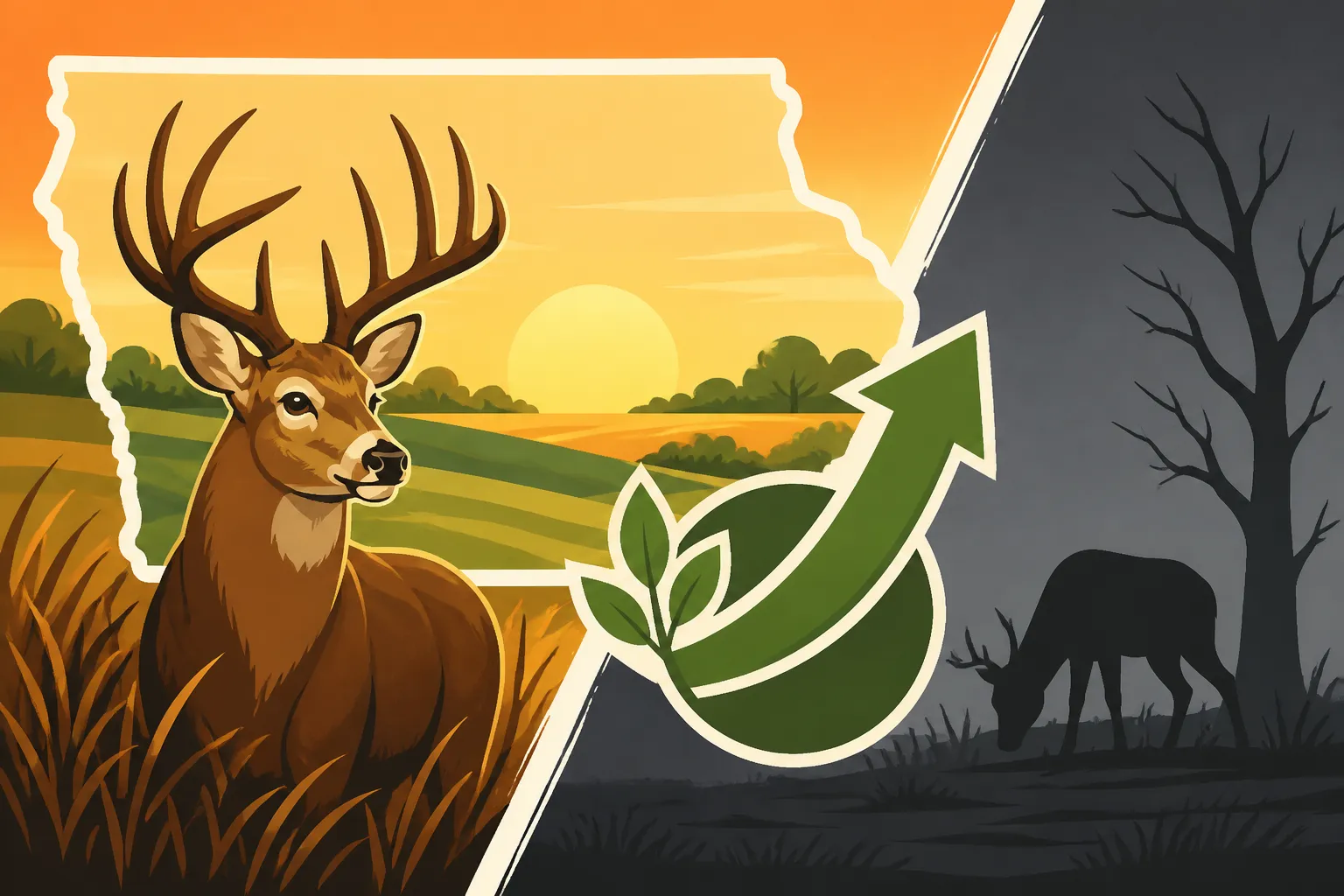
While it might feel like an eternity, noticeable improvements in deer numbers can often be seen within one to three years after a major EHD event. The first year might still feel sparse, but by the second year, if fawn crops are strong, you'll start to see more deer, particularly younger animals. By the third year, many areas will show significant signs of recovery, with increasing numbers of yearlings and two-year-old deer. It’s not an overnight fix, but it's often faster than many hunters initially anticipate. Patience becomes a virtue during these recovery periods. Hunters often track Iowa Deer Population Estimate and Iowa Deer Herd Numbers by County to understand specific local impacts and recovery trajectories. The most reliable barometer will be your own observations in the field, year after year, watching the fawns grow.
Adjusting Your Hunting Strategy After an EHD Event
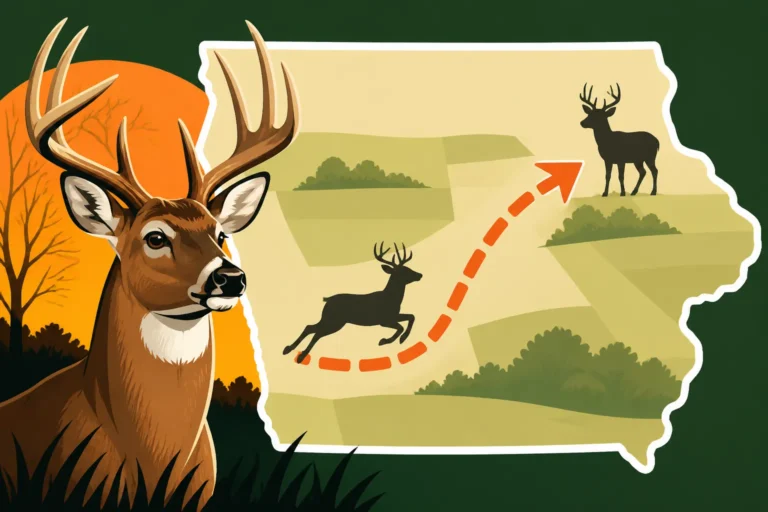
When your hunting grounds have been hit hard by EHD, it’s not just about lamenting the loss; it's about adapting your strategy for the coming seasons. The first and most critical adjustment is to shift your focus from simply hunting known hotspots to intense scouting for surviving pockets of deer. Deer may have abandoned traditional areas if those spots were ground zero for the outbreak. You'll need to hit the timber, walk creek bottoms, and check field edges with a fresh set of eyes, looking for new trails, fresh rubs, and concentrated droppings – any sign that deer are currently utilizing an area. This is where detailed Scouting Iowa Timber and River Bottoms becomes more crucial than ever. Look for areas that may have been less impacted by the conditions that fostered the midge population, perhaps higher, drier ground with consistent food sources.
One of the most responsible actions a hunter can take after a significant EHD event is to voluntarily reduce harvest pressure, especially on does, in heavily affected areas. While the DNR may adjust Iowa Antlerless Harvest Numbers and How Iowa Sets County Doe Quotas in response, individual hunters can make a difference. The more does that survive and successfully breed, the faster the herd will recover. This might mean foregoing an antlerless tag in a county that was hit hard, even if it's still available. The long-term health of the herd depends on those reproductive foundations. It's about prioritizing recovery over immediate harvest opportunities, which can be a tough but necessary decision for dedicated deer managers.
In a recovering landscape, understanding and targeting food and water sources that were less impacted by the EHD event becomes paramount. If specific water sources were stagnant and midge-laden, deer might shift to different ones, or rely more heavily on dew and browse. Similarly, if specific food plots or agricultural fields were heavily used during the outbreak, deer might be wary of them. Focus on diverse food sources, especially those offering high nutrition for recovery, and less obvious water sources that may have been overlooked. Late-Season Food Source Hunting in Iowa can become a critical strategy, as surviving deer will inevitably concentrate around available nutrition, especially as colder weather sets in. Tools like GoHunt can be invaluable here, offering mapping layers that highlight various habitat features and public land boundaries, allowing you to analyze patterns and identify potential new hot zones based on elevation, water features, and vegetation. This detailed topographical and land-use data can help you find those overlooked pockets of surviving deer.
Finally, managing your own expectations and making a mental adjustment is key. Hunting after an EHD year will likely mean lower deer sightings and fewer opportunities. It's not the year to expect a parade of bucks, but rather to appreciate every deer you see and to focus on the experience of being in nature and witnessing the recovery firsthand. This might mean adjusting your goals from harvesting a specific buck to simply enjoying the process and contributing to the herd's comeback. Even with lower numbers, the challenge of finding and patterning the remaining deer can be incredibly rewarding.
Long-Term Observations and Herd Management
The process of herd recovery isn't just a waiting game; it's also a period of vital observation and management. Biologists constantly monitor recovery through various means, including harvest data provided by hunters and through programs like the Iowa Bowhunter Observation Survey. Every deer you harvest and report, and every observation you submit, contributes to a clearer picture of how the herd is faring. This data helps the Iowa DNR make informed decisions about future tag allocations and management strategies, ensuring that hunting seasons align with the health and recovery needs of the deer population. Understanding that your actions as a hunter directly contribute to this broader understanding is crucial.
Hunters play a crucial role as the eyes and ears in the field. Reporting observations of deer, particularly fawns, and any signs of lingering disease symptoms, can provide invaluable real-time data to wildlife managers. If you find additional deceased deer, especially months after an initial outbreak, it's worth noting their location and condition. This active participation in wildlife monitoring helps everyone involved understand the extent of recovery and any ongoing challenges. When planning your hunting trips, remember that pressure can influence recovery. Understanding Hunting Pressure Patterns on Iowa Public Land and choosing less-pressured areas might aid in the survival of younger deer.
It's also important to understand that EHD is part of the natural cycle for whitetails in many parts of the country, including Iowa. While devastating, outbreaks tend to be localized, and herds have evolved to cope with them. We can expect EHD to reappear in varying degrees in future years, especially during specific environmental conditions. Learning to recognize the signs and understanding the recovery process helps hunters become more informed and resilient. As the herd begins to rebound, hunters might consider selective harvest practices, potentially focusing on older, mature bucks rather than young, up-and-coming deer, if the local population allows. This nuanced approach helps promote a healthy age structure as the herd rebuilds.
| Recovery Stage | Deer Population Level (Relative) | Buck-to-Doe Ratio (Observed) | Hunting Opportunity | Management Focus |
|---|---|---|---|---|
| Pre-EHD Outbreak | High / Stable | Balanced (e.g., 1:3-4) | Good / Excellent | Selective harvest, quality deer management |
| Immediately Post-EHD | Significantly Reduced | Skewed (e.g., 1:5-7+) | Very Low / Sparse | Observation, reduced doe harvest, finding survivors |
| 1st Year Post-EHD | Low but showing fawn increase | Slowly improving | Low / Challenging | Prioritize doe survival, focus on specific areas, GoHunt |
| 2nd-3rd Year Post-EHD | Moderate / Recovering rapidly | Gradually rebalancing | Improving / Fair | Careful harvest planning, monitor Fawn Recruitment Rates in Iowa |
| Fully Recovered | Near Pre-EHD Levels | Balanced again | Good / Excellent | Resume normal management goals, enjoy the hunt |
As the herd recovers, you'll start to see more fawns, then yearlings, and eventually, the younger bucks will begin to fill out. The long-term health and impressive genetics that make Why Iowa Produces Big Whitetail Bucks will reassert themselves. Your role in patient observation and responsible hunting during this period helps ensure that future generations of Iowa hunters will continue to enjoy the incredible deer resource that our state is known for. Keep an eye on the Iowa DNR Hunter Atlas for updated information on local conditions and harvest trends, which can provide a broader picture of how the statewide herd is managing.
Disclaimer
This article is for general informational purposes only and does not constitute professional advice. Laws, prices and regulations vary by location and change over time. Consult a qualified professional for guidance on your specific situation.