Iowa Quail Numbers and Recent Gains
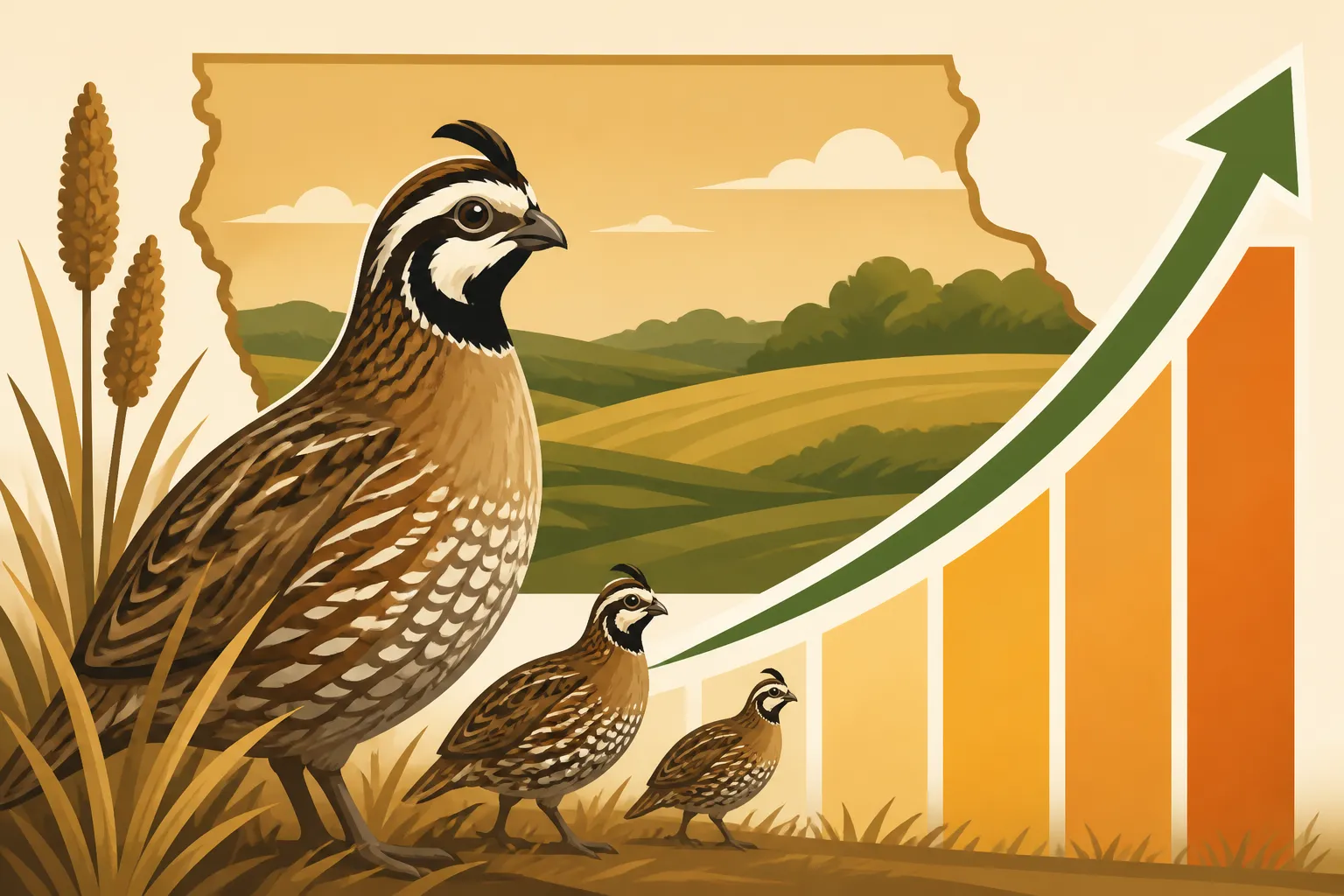
For years, many of us who cherish chasing coveys through the Iowa countryside have felt the sting of dwindling numbers, wondering if the classic bobwhite whistle was becoming a ghost of the past. It's a real disappointment when you work promising cover only to find empty fields. But there's good news on the horizon, with recent gains showing that the dedicated efforts of landowners and conservationists, coupled with some favorable weather, are starting to pay off for Iowa quail. This guide will dive into the rollercoaster history of Iowa's quail populations, explore the reasons behind the recent upswing, and outline how we can all contribute to keeping this momentum going for these incredible upland birds.
A Look Back: The Ebbs and Flows of Iowa Quail Populations
The story of the bobwhite quail in Iowa is one of dramatic peaks and valleys, a direct reflection of changes in our landscape and climate. Back in the mid-20th century, Iowa was a quail hunter's paradise. Picture fence rows thick with multiflora rose and osage orange, small woodlots dotting the countryside, and diverse farming practices that left plenty of cover and food. These conditions provided everything a quail covey needed: nesting cover in grass, brood-rearing habitat with plenty of insects and forbs, and crucial escape cover from predators and harsh weather. Hunters remember flushing covey after covey, the air erupting with their explosive flush.
However, as agriculture intensified and farming practices became more efficient, many of these vital components of quail habitat began to disappear. Fence rows were cleared to make way for larger fields, woodlots were sometimes removed, and vast monocultures of corn and soybeans replaced the patchwork of diverse crops and fallow ground. This massive habitat loss meant fewer places for quail to nest, raise their young, and hide from predators. Severe winters, often following years of habitat degradation, would then deliver crushing blows to already struggling populations. It became disheartening to scout areas that once held birds, only to find them silent. The general sentiment among hunters was one of decline, and the excitement of a covey flush became a rarer and rarer experience for many of us.
The impact wasn't uniform across the state. While quail were once found statewide, their stronghold gradually retreated to southern Iowa, where more timber, pasture, and diverse habitat remained. This regional concentration made sense, as these areas simply offered more of what the birds needed to survive. Understanding this historical context helps us truly appreciate the flicker of hope offered by more recent improvements in Quail Numbers and CRP Acres.
Understanding the Factors Behind Recent Quail Gains
So, what's been happening in the last few years that has given us reason to be optimistic about Iowa's bobwhite quail? It’s rarely one single factor, but rather a combination of elements working in their favor. The recent gains we've seen are largely attributable to a series of milder winters, an increased focus on specific habitat improvements, and the continued enrollment of private lands in conservation programs.
Mild winters are incredibly important for overwintering survival. Unlike pheasants, which are hardy northern birds, bobwhite quail are more susceptible to prolonged cold, deep snow, and ice. When temperatures stay above freezing and snow accumulation is minimal, quail don't have to expend as much energy simply trying to stay warm and find food. This means more birds survive the lean months, which translates directly to a larger breeding population in the spring. A few consecutive mild winters can allow populations to rebound significantly, proving just how resilient these birds can be when given a chance.
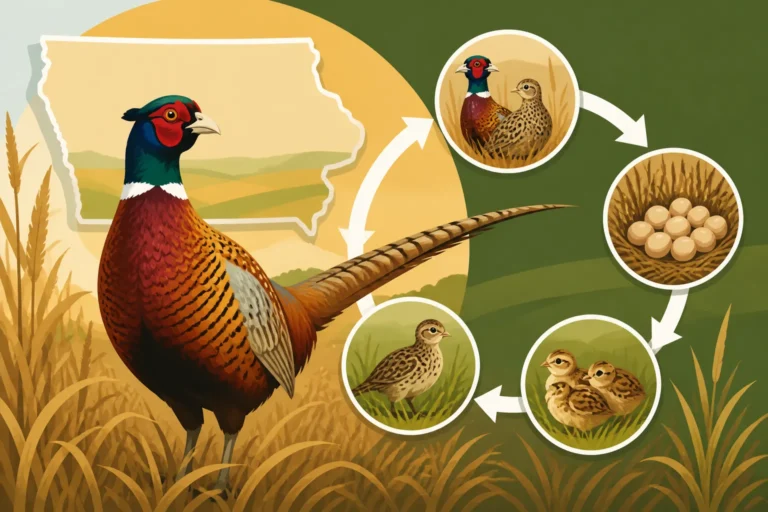
Beyond the weather, targeted habitat initiatives have played a crucial role. Programs like the Conservation Reserve Program (CRP) have brought significant acres of native grasses and forbs back into the landscape. This isn't just random grass; it's often carefully managed cover that provides excellent nesting and brood-rearing habitat. The establishment of dedicated early succession habitat projects, often a mix of native grasses, legumes, and scattered shrubs, offers the crucial mosaic of cover types that quail require throughout their life cycle. These are the "safe zones" where quail can thrive. Conservation organizations and even individual landowners, sometimes with assistance from services like GoHunt for mapping and planning, are focusing on creating these critical habitat components. This dedicated effort is about more than just putting land into grass; it's about putting the right kind of habitat in the right places. Bobwhite Quail in Southern Iowa outlines why this region is so important for these birds.
What Quail Need: Essential Habitat Components for Sustained Growth
To truly understand how to foster continued quail recovery, we need to delve into the specific habitat components that are non-negotiable for their survival and reproduction. Quail have fairly specific needs, and it's the availability of these interconnected habitat elements that dictates their success. It's like a finely tuned ecosystem; if one piece is missing, the whole thing suffers.
First and foremost, quail need diverse cover. This isn't just one big block of timber or a giant prairie field; it's a mix of different cover types in close proximity. Think about a covey moving through its day: it needs dense, low-growing cover for nesting, more open but still protective cover for foraging with chicks, and extremely dense, thorny escape cover to evade predators or find refuge from severe weather. Without this "edge habitat" where different cover types meet, quail struggle. CRP Grass and Where Bucks Bed touches on how beneficial these areas can be for a variety of game.
Here’s a breakdown of what makes ideal quail habitat:
- Nesting Cover: This typically consists of native warm-season grasses and a mix of cool-season grasses, sometimes with scattered forbs. Hens prefer to nest in residual cover from the previous year, offering concealment from predators during the crucial nesting period. Think about clumps of big bluestem or switchgrass that provide an overhead canopy but are open enough at ground level for the hen to move.
- Brood-Rearing Cover: Once the chicks hatch, they need areas rich in insects for protein, along with an open understory for easy movement. This is where forbs (broadleaf plants) come into play, as they attract a variety of insects. A good brood-rearing field might have clover, ragweed, and other weeds mixed in with sparse grasses, allowing chicks to move freely and find food without getting soaked by dew or tangled in dense thatch.
- Escape/Winter Cover: This is arguably the most critical component, especially in a state like Iowa with harsh winters. Dense, thorny thickets are paramount. Think about brushy draws, plum thickets, multiflora rose patches, osage orange hedgerows, or even small, dense cedar stands. These provide overhead protection from avian predators like hawks and owls, and a physical barrier against mammalian predators like coyotes and foxes. Crucially, they also offer thermal cover, insulating birds from wind, snow, and extreme cold. Without these refuges, even a mild winter can be deadly if birds are exposed.
GoHunt resources, often accessible through state DNR mapping tools, can help identify areas with these diverse habitat types, allowing hunters to pinpoint likely covey locations and conservationists to prioritize restoration efforts. Knowing what to look for when Scouting Iowa Timber and River Bottoms can translate into better understanding quail potential in an area.
How Hunters Can Support Iowa's Quail Recovery
For those of us who cherish the tradition of hunting bobwhite quail, we have a vital role to play in supporting their continued recovery and ensuring these birds remain a part of Iowa's natural heritage. Our actions, both in the field and through our conservation efforts, can make a real difference.
One of the most direct ways hunters contribute is through supporting conservation organizations. Groups like Quail Forever or state-level conservation groups are on the front lines, working with landowners to implement habitat projects, fund research, and advocate for policies that benefit upland birds. A portion of every hunting license and habitat stamp also goes directly to fund these types of programs, so simply buying your necessary licenses is a contribution. When you look up Iowa Upland Bird and Waterfowl Seasons, remember that your purchase directly supports the wildlife you love to pursue.
Ethical harvest practices are also key. While quail hunting typically doesn't have a significant impact on overall populations in areas with good habitat, being mindful of bag limits and observing covey dynamics can be beneficial. Many hunters practice leaving a certain percentage of a covey, especially larger ones, to ensure there are enough birds left to reproduce and overwinter. The goal is to sustainably enjoy the resource, not to decimate it. Knowing Iowa Quail Bag Limits is a fundamental part of responsible hunting.
Furthermore, getting involved in habitat work, even on a small scale, can be incredibly rewarding. This might mean volunteering for a habitat project on public land, or if you're a landowner, exploring options for planting native grasses, creating brush piles, or letting fence rows grow wild. Even simply observing and reporting quail sightings to the Iowa DNR can contribute valuable data that helps inform management decisions. Tools like GoHunt can help you find areas where habitat work is already underway or identify potential spots for improvement, whether you're working on private land or scouting areas for future hunts like those described in Finding Quail Coveys in Southern Iowa.
| Habitat Component | Importance for Quail | Examples of Cover/Food |
|---|---|---|
| Nesting Cover | Crucial for successful incubation and camouflaging nests. | Native warm-season grasses (big bluestem, switchgrass), cool-season grasses, prairie forbs. |
| Brood-Rearing Cover | Provides insects for chick growth and open ground for movement. | Broadleaf weeds (ragweed, smartweed), clover, sparse grasses. |
| Escape/Winter Cover | Protection from predators, wind, snow, and extreme cold. | Dense thorny thickets (multiflora rose, plum, osage orange), cedar groves, brush piles, dense shrubby draws. |
| Food Sources | Seeds, fruits, and insects for energy and nutrition. | Waste grain, forbs (legumes), seeds from weeds and native grasses, insects. |
| Water | Essential for hydration, especially during hot, dry periods. | Dew, succulent vegetation, small puddles, farm ponds, streams. |
By understanding their needs, respecting their habitat, and actively participating in conservation, we can all play a part in fostering continued gains for Iowa's bobwhite quail, ensuring that the thrill of a covey flush remains a cherished part of our hunting heritage for generations to come. And when you're out there, remember to scout thoroughly; Working Pheasant Cover Without a Dog also means looking for quail, as these birds often share similar cover types.
Disclaimer
This article is for general informational purposes only and does not constitute professional advice. Laws, prices and regulations vary by location and change over time. Consult a qualified professional for guidance on your specific situation.