Which Shotgun Gauges Iowa Allows for Deer
It's incredibly frustrating when you're gearing up for Iowa's deer shotgun seasons, ready to chase those incredible whitetails, only to get bogged down in the minutiae of regulations. You want to make sure you're legal, ethical, and using the most effective tools for the job, but sometimes the rules feel like they're written in a language only lawyers understand. This guide is here to cut through the confusion and give you a clear, comprehensive breakdown of exactly which shotgun gauges are allowed for deer hunting in Iowa, helping you prepare with confidence.
Understanding Iowa's Shotgun Deer Hunting Regulations
Iowa's deer hunting regulations are designed with a few key principles in mind: hunter safety, effective harvest, and managing the deer population within a densely populated agricultural state. When it comes to shotguns, this often means limiting the effective range of firearms to promote safe hunting in areas with varied terrain and proximity to roads and residences. It's not about making things difficult; it's about making sure everyone gets home safe and the hunt remains fair.
The Core Rules for Shotgun Gauges
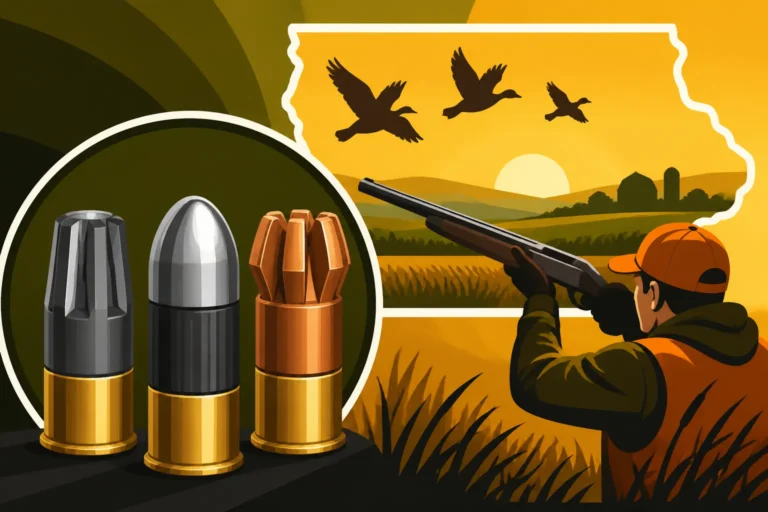
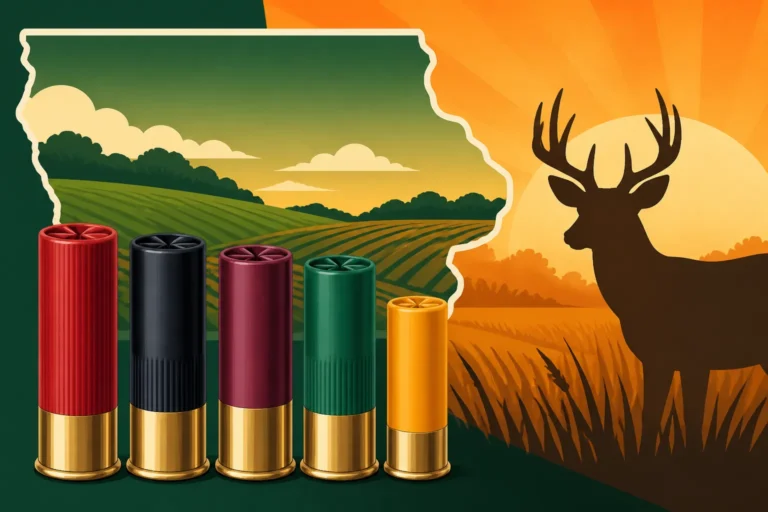
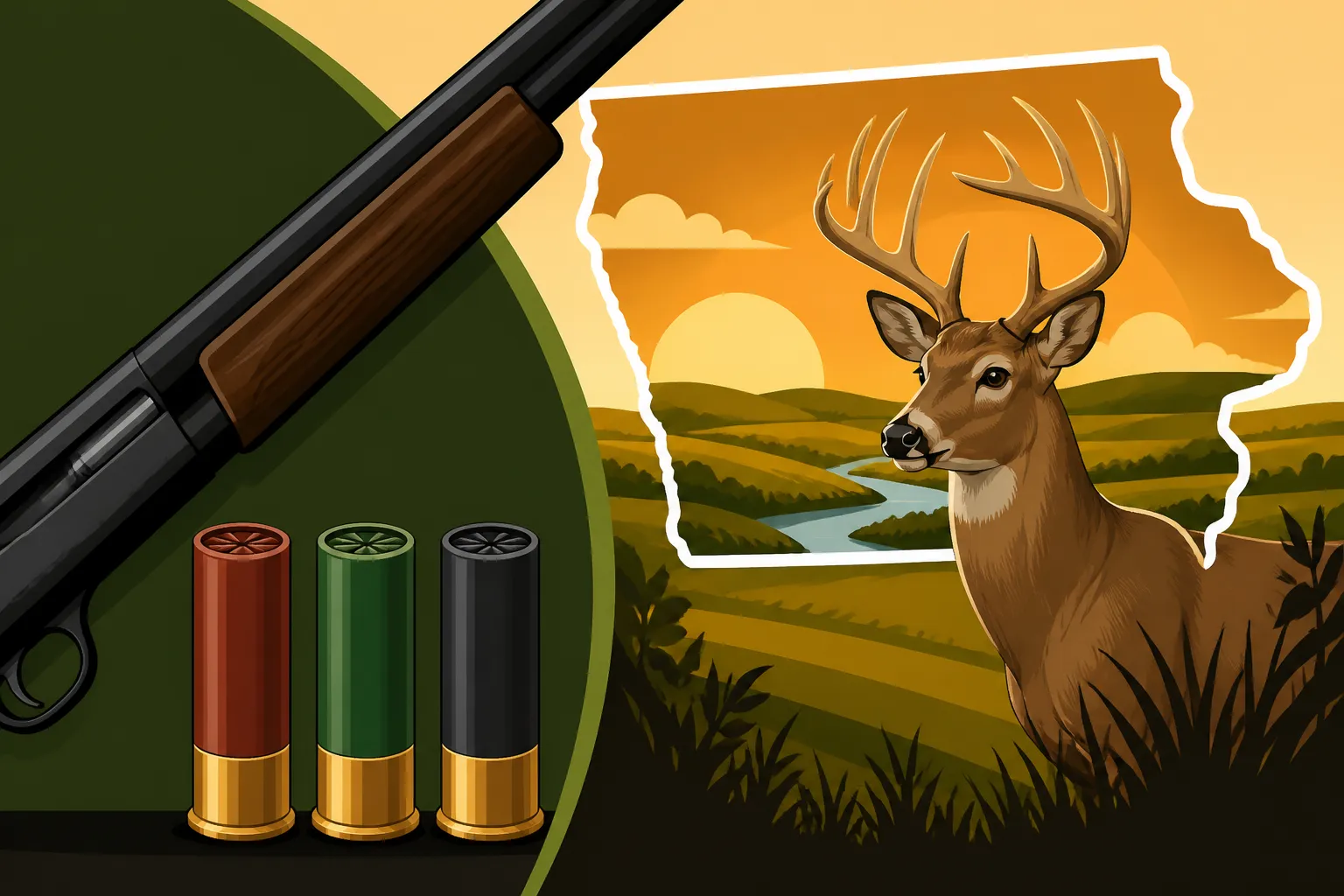
When you dive into the Iowa hunting regulations, you'll find pretty specific language about what you can and cannot use to chase down those elusive whitetails with a shotgun. For deer, the rules allow for specific gauges: 10-gauge, 12-gauge, 16-gauge, and 20-gauge shotguns. Each of these must be loaded with a single projectile, meaning a slug, not buckshot or birdshot. It’s a common misconception that if it’s a shotgun, any load works, but for deer in Iowa, it's strictly slugs.
This narrow focus on slugs for specific gauges is crucial. You might think, "Well, my .410 is a shotgun, why can't I use that?" While a .410 can certainly fire a slug, it generally falls outside the explicitly permitted gauges for deer in Iowa due to ballistic performance and ethical harvest considerations. The state wants to ensure that hunters are using firearms capable of delivering enough energy to humanely harvest a deer within reasonable ranges. It eliminates guesswork and ensures everyone is on the same page regarding the equipment required for a clean kill.
Why Specific Gauges Are Regulated
The reasoning behind these specific gauge regulations often comes down to safety and population management. Iowa is a unique state, characterized by vast tracts of agricultural land interspersed with timbered draws, river bottoms, and suburban areas. Unlike states with vast, undeveloped public lands, Iowa's landscape means hunters are often in closer proximity to other property owners, livestock, and infrastructure. Rifles, with their much longer effective range, could pose a greater risk of stray bullets traveling far beyond the intended target.
Shotguns firing slugs, by contrast, generally have a much shorter effective range – typically less than 100 yards, though modern sabot slugs in rifled barrels can certainly extend that. This reduced range helps contain hunting activities to specific parcels and minimizes the risk of projectiles traveling across property lines or into populated areas. This approach allows for vigorous deer hunting in areas that might otherwise be too risky for high-powered centerfire rifles. It’s a pragmatic solution that enables hunters to pursue deer safely and effectively, especially during the popular Iowa First and Second Shotgun Seasons when many hunters are out. The rules are there to protect both hunters and the public, creating a safer environment for everyone involved in Iowa's rich hunting tradition.
Permitted Shotgun Gauges and Their Effectiveness
Once you understand why certain gauges are allowed, the next step is to understand how they perform in the field. Each of the permitted gauges has its own characteristics, advantages, and disadvantages. Choosing the right one often comes down to personal preference, recoil tolerance, and the specific conditions of your hunt.
The Ubiquitous 12 Gauge
The 12-gauge shotgun is, without a doubt, the most popular choice for deer hunting in Iowa, and for good reason. It offers a powerful punch and a wide variety of slug options. When you talk about the 12-gauge, you're essentially talking about a versatile platform that can be adapted for different hunting scenarios.
Many hunters opt for a smoothbore barrel with Foster-style slugs for closer shots in thick cover, like those timbered creek bottoms where deer might pop out at 30 yards. These traditional slugs are designed to deform on impact and are quite effective at moderate ranges. However, if you're hunting more open terrain, perhaps an inside corner of a standing cornfield or a long field edge, you might lean towards a rifled barrel and sabot slugs. These slugs are designed to fly straighter and farther, retaining more energy at extended distances. The debate between Rifled Barrels Versus Smoothbore Slugs is a common one, and your choice will largely depend on your average shot distance and personal comfort. With a rifled barrel and quality sabot slugs, a 12-gauge can be surprisingly accurate out to 125-150 yards for some shooters, though always check your specific setup and capabilities. This power and versatility make it a reliable choice for everything from solo hunts to Iowa Shotgun Season Tactics for Party Hunting.
The Capable 20 Gauge
Don't let the smaller number fool you; the 20-gauge shotgun is a highly capable deer getter, especially with modern slugs. For many hunters, particularly those sensitive to the heavy recoil of a 12-gauge, or younger hunters just starting out, the 20-gauge offers a much more pleasant shooting experience without sacrificing ethical performance.
The reduced recoil of a 20-gauge means you can practice more comfortably, which translates to better accuracy in the field. And let's be honest, a well-placed slug from a 20-gauge is far more effective than a flinched shot from a 12-gauge. Modern 20-gauge sabot slugs are incredibly efficient and can deliver ample energy to humanely take down an Iowa whitetail. Many hunters find that within typical Iowa shotgun ranges – say, out to 75-100 yards – the 20-gauge performs just as effectively as its larger counterpart. The question of Are 20 Gauge Slugs Enough for Deer? is often met with a resounding "yes" from those who understand its capabilities and prioritize shot placement. It's an excellent choice for hunting small timber tracts, dense CRP fields, or even during late season hunts when deer might be moving through heavier cover.
Other Legal, Less Common Gauges
While 12-gauge and 20-gauge dominate the deer woods, Iowa's regulations also permit 10-gauge and 16-gauge shotguns for deer.
- 10-Gauge: This is the largest shotgun gauge allowed, and while it certainly packs a punch, its popularity for deer hunting has waned significantly. You'll primarily see 10-gauge shotguns used for waterfowl, where their massive payload of shot is an advantage. For deer, the extra recoil and often heavier, bulkier firearms tend to outweigh any perceived ballistic advantage over a 12-gauge slug. Finding a good selection of deer slugs for a 10-gauge can also be more challenging compared to the ubiquitous 12 and 20.
- 16-Gauge: The 16-gauge is a classic, often referred to as the "sweet sixteen" because it offered a good balance between the weight of a 20-gauge and the payload of a 12-gauge. While still legal for deer in Iowa, it's a less common choice today. Ammunition can be harder to find, and most hunters either opt for the readily available and powerful 12-gauge or the lighter-recoiling 20-gauge. However, if you have an heirloom 16-gauge that you love to hunt with, rest assured that with the right slugs, it's still a perfectly legal and capable deer firearm in Iowa. The key, as always, is to ensure you're using a single projectile (slug) and that your firearm is sighted in properly.
Here's a quick comparison of the common legal gauges:
| Gauge | Common Pros for Deer Hunting | Common Cons for Deer Hunting | Ideal Use Cases |
|---|---|---|---|
| 12-Gauge | Powerful, wide slug variety, excellent energy transfer, versatile | Heavier recoil, can be bulkier | All-around, open fields, longer shots (with sabot/rifled barrel) |
| 20-Gauge | Lighter recoil, easier handling, sufficient power for humane kills | Slightly less energy than 12-gauge, fewer specialty slug options | Youth/recoil-sensitive hunters, thick cover, medium range |
| 16-Gauge | Classic feel, good balance of size/power (historically) | Ammunition can be scarce, less common firearms | Nostalgia hunts, existing firearms, thick cover |
| 10-Gauge | Highest energy potential | Very heavy recoil, bulky firearms, limited slug availability | Primarily a waterfowl gun, rarely used for deer slugs |
Selecting the Right Shotgun Setup for Iowa Deer
Choosing the right shotgun gauge is just one piece of the puzzle. How you set up that shotgun, from the barrel to the optics, can dramatically impact your success and confidence in the field. Iowa's varied terrain means you need a setup that can handle everything from tight timber to sprawling crop fields.
Matching Gauge to Your Hunting Style and Location
Your hunting style and the specific areas you plan to hunt in Iowa should heavily influence your shotgun setup. Are you primarily still-hunting through dense river bottoms, hoping for a close-range encounter? Or are you hunting vast stretches of public land, glassing open fields and setting up on longer lanes?
If you're like many Iowa hunters, you might be still-hunting small timber pockets or participating in Party Hunting Rules and Safe Drives through thick multiflora rose and cedar thickets. In these scenarios, shots are often quick, close, and through cover. A smoothbore 12-gauge or 20-gauge with traditional Foster slugs can be incredibly effective. The goal isn't extreme accuracy at 100 yards, but rather quick target acquisition and reliable performance at 30-50 yards. The lighter recoil of a 20-gauge might also be a huge advantage for quick follow-up shots if needed during a drive.
However, if you're scouting out prime Standing Corn and Bean Field Deer Patterns and plan to set up on a field edge, you might anticipate longer shots. This is where a rifled barrel, combined with high-quality sabot slugs in either 12 or 20 gauge, truly shines. The enhanced accuracy and flatter trajectory will give you the confidence to take a responsible shot at 75, 100, or even 125 yards, provided you've put in the range time. Always remember to check Slug Gun Range Limits in Iowa and understand your personal maximum effective range.
Optimizing Your Shotgun for Deer Performance
Beyond the gauge itself, several components contribute to your shotgun's deer hunting performance.
- Barrels: We've touched on smoothbore versus rifled barrels, but it bears repeating: for accuracy beyond 50-60 yards, a rifled barrel designed for sabot slugs is a game-changer. These barrels have helical grooves that spin the slug, much like a rifle bullet, dramatically improving stability and accuracy. If you're using a smoothbore, make sure to try a variety of Foster slugs, as different brands and weights can pattern wildly differently in your specific barrel.
- Optics: A good optic can transform a shotgun into a much more precise deer hunting tool. For closer range, fast-action scenarios, a red dot sight is hard to beat. They offer quick target acquisition, are excellent in low light, and don't require perfect eye relief. Many hunters swear by them for close-quarters hunting. For longer shots with a rifled barrel and sabot slugs, a low-power variable scope (e.g., 1-4x or 2-7x) can be a significant advantage. This allows for more precise aiming and can make a big difference when trying to place a slug accurately at 75+ yards. Don't just slap on any scope; ensure it's rated for the heavy recoil of a slug gun. It's a common mistake to use a cheap scope that can't handle the punishment. Learning how to zero your chosen optic is critical. Whether it's a red dot or a scope, spend the time at the range to perfect your aim, especially on a specific distance like Zeroing a Slug Gun at Fifty Yards. If you're considering a Red Dot Sights on a Slug Gun, make sure it's durable and holds zero.
- Ammunition: Slug choice is paramount. There are myriad options for both 12 and 20 gauge. Experiment with different brands, weights, and styles (Foster, Brenneke, sabot) to see what your particular shotgun likes best. What shoots well in your buddy's gun might not group worth a darn in yours. This trial-and-error process at the range is crucial. You can dive deeper into this topic with resources like Slug Choices for Iowa Shotgun Season.
Staying Legal and Ethical: Beyond the Gauge
It's not just about what gauges are allowed; it's also about adhering to all the regulations surrounding ammunition, understanding alternative legal firearms, and committing to ethical hunting practices. Iowa takes its hunting heritage seriously, and that includes responsible conduct in the field.
Understanding Ammunition Restrictions
For shotgun seasons in Iowa, the rule is crystal clear: you must use a single projectile. This means slugs, and only slugs. Buckshot, birdshot, or any other multi-projectile load is strictly prohibited for deer hunting. While buckshot might be used in some states for deer, in Iowa, it's a no-go. The intent behind this is to ensure maximum energy transfer to the animal and minimize the chance of wounding a deer with insufficient stopping power or stray pellets.
It's also worth briefly noting that while we're talking about shotguns, Iowa has expanded options for certain seasons. Many hunters are now opting for straight-wall cartridge rifles, which offer rifle-like accuracy and power but adhere to similar safety principles as shotguns due to their ballistic characteristics. These are allowed during specific seasons that previously were shotgun-only. If you're curious about these alternatives, you might find Iowa's Straight-Wall Cartridge Rules very helpful. However, always remember that if you're carrying a shotgun, it must be loaded with slugs for deer.
The Importance of Practice and Safety
No matter which gauge you choose or how you set up your shotgun, nothing replaces practice and a commitment to safety. The best gear in the world won't make up for a lack of proficiency.
- Range Time: Before the season opens, dedicate ample time to the shooting range. Practice shooting from various positions – standing, kneeling, sitting – simulating real-world hunting scenarios. This isn't just about hitting a target; it's about building muscle memory, understanding your recoil, and confirming your effective range. Don't just shoot from a bench rest; practice like you'd hunt. This includes Practicing Shots From a Treestand if you plan to hunt from an elevated position. Remember, Sighting In Before Shotgun Season is non-negotiable for ethical hunting.
- Knowing Your Limits: Be honest with yourself about your maximum ethical shooting distance. Just because a slug can travel 150 yards doesn't mean you should take that shot in a hunting situation, especially if you haven't practiced it extensively. Understanding your firearm's capabilities and your own shooting proficiency is key to making responsible decisions in the field.
- Ethical Shot Placement: Always strive for a clean, humane kill. This means knowing deer anatomy and aiming for the vital organs. A well-placed slug is devastating, but a poorly placed one can lead to a long, difficult, and potentially unsuccessful tracking job. Reviewing resources on Shot Placement on a Whitetail at Twenty Yards can be beneficial, regardless of your experience level. Beyond the shot, remember to follow all safety protocols: always point the muzzle in a safe direction, keep your finger off the trigger until ready to shoot, and be absolutely sure of your target and what lies beyond it.
By understanding these regulations, optimizing your equipment, and committing to safe and ethical practices, you'll be well-prepared for a successful and rewarding deer hunting experience in Iowa.
Disclaimer
This article is for general informational purposes only and does not constitute professional advice. Laws, prices and regulations vary by location and change over time. Consult a qualified professional for guidance on your specific situation.