Coolers and Meat Care Gear for Iowa
One of the most disheartening experiences for any Iowa hunter is putting in the hard work, making an ethical shot, and then realizing the meat might spoil before it ever hits the freezer. Iowa's weather can be notoriously unpredictable, swinging from crisp autumn days to unseasonably warm spells, and this variability makes proper meat care absolutely crucial from the moment your animal hits the ground. This guide is dedicated to helping you master the art of preserving your harvest, ensuring every ounce of that hard-earned venison, turkey, or pheasant makes it to your table in prime condition, regardless of what Mother Nature throws your way.
The Critical Importance of Immediate Meat Care in Iowa
You've done the work, you've connected with your target, and now the real race against time begins. For many hunters, especially those new to the game or those facing a long haul out of a public timber block, the thought of meat care can be daunting. But understanding why it's so important is the first step to mastering it.
Why Iowa's Weather is Your Biggest Challenge
Iowa's hunting seasons stretch across a wide range of conditions. Early bow season in September and October can see daytime temperatures easily climb into the 70s or even 80s. Imagine tracking a deer on one of those warm, sunny days. Every minute that carcass sits without being field dressed and cooled is a minute where bacteria can multiply, turning prime venison into something less desirable, or worse, completely inedible. Even during the shotgun seasons in December, we can have those weird warm fronts where it feels more like late October than winter, especially if it's a calm, sunny day with no breeze. This makes knowing how to react to varying temperatures absolutely paramount.
Conversely, a bitter cold snap in late December or January can make meat care seem less urgent. While colder temperatures certainly buy you more time, they don't negate the need for proper handling. Freezing and thawing cycles can damage meat quality, and an unventilated carcass can still spoil, especially if hidden pockets of warmth develop. It’s a constant balancing act, and Iowa's climate truly tests a hunter's preparedness.
The Realities of Field Dressing Under Pressure
The adrenaline of a successful hunt can be exhilarating, but it also means you might not be thinking clearly about the immediate tasks at hand. Field dressing is often viewed as a chore, but it's the absolute first and most important step in preventing spoilage. It removes the internal organs, which are a major source of heat and bacteria, allowing the carcass to begin cooling from the inside out.
Many hunters, especially those on unfamiliar public land or a quick evening hunt, might feel rushed or hesitant. Maybe it's getting dark, or you're miles from the truck, or you simply don't have the best tools with you. But cutting those precious few minutes off the field dressing time can make all the difference, particularly if you're dealing with Field Dressing in Warm October Weather. Even if it's not perfect, getting the guts out swiftly is better than delaying. Don't let the thought of a messy job deter you; focus on the outcome: good, clean meat.
Choosing the Right Cooler for Iowa Hunting Conditions
Once the animal is field dressed, your primary goal shifts to rapid cooling and maintaining a low temperature. This is where your cooler truly becomes your best friend. But not all coolers are created equal, especially when dealing with the challenges of Iowa hunting.
Cooler Size and Capacity Considerations
The size of your cooler is perhaps the most fundamental decision. Are you primarily chasing pheasants and turkeys, or do you have your sights set on a mature Iowa whitetail? A smaller cooler that works for a couple of pheasants simply won't cut it for a quartered deer. For a whitetail, you're generally looking at something substantial. Many hunters opt for a large cooler, often 100-150 quarts or more, to accommodate a quartered deer, especially if you're planning on keeping it on ice for a day or two before processing. If you hunt with a group or target multiple animals, you might even need several coolers or one of those massive ice chests.
Consider the dimensions too. Can it fit in your truck bed or SUV? Is it too heavy to maneuver when full of ice and meat? There's a sweet spot between being large enough to do the job and being practically transportable. Thinking about Cooler Size for a Whole Iowa Deer before you head out can save a lot of headaches later.
Insulation and Ice Retention: What Really Matters
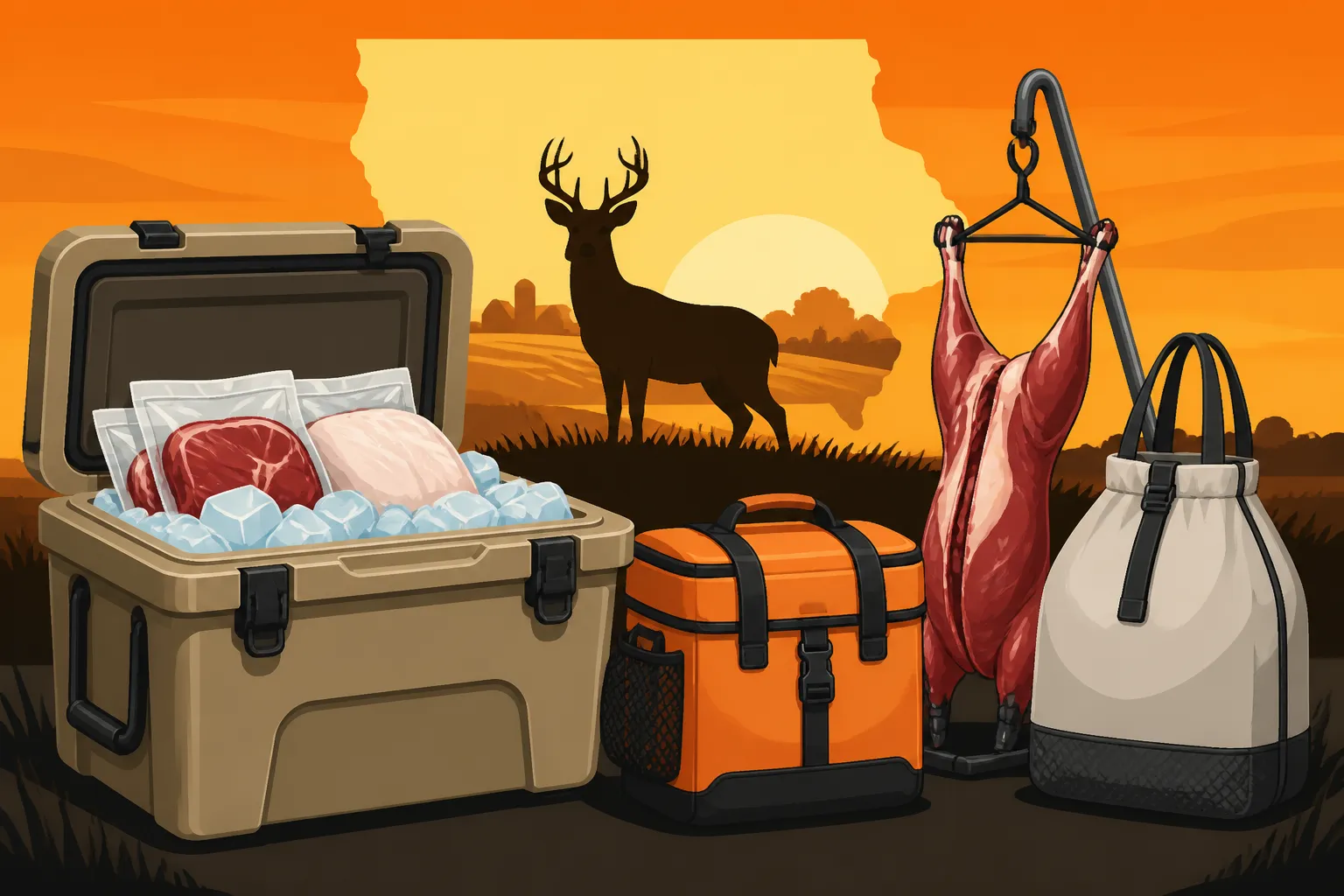
This is where the rubber meets the road. Generic picnic coolers might work for a quick trip to the grocery store, but they are absolutely insufficient for serious meat preservation, especially in Iowa's warmer early seasons. You need a high-performance cooler with thick, well-insulated walls and a tight-sealing lid. Rotomolded coolers are popular for a reason; they offer superior insulation and durability, capable of holding ice for days, even in challenging conditions.
The better the insulation, the less ice you'll need, and the longer your meat will stay cold. This is particularly important if you're hunting remotely or plan on a multi-day trip. Investing in a quality cooler like those from brands known for their rugged construction and ice retention capabilities will pay dividends in salvaged meat and peace of mind. Remember, every time you have to buy more ice or deal with thawed meat, that initial "deal" on a cheap cooler vanishes.
Portability and Durability for Iowa's Terrain
Iowa's hunting grounds can be diverse, from easily accessible farm fields to deep timber draws and creek bottoms. Your cooler needs to be able to handle the journey. If you're going to be Getting a Deer Out of an Iowa Creek Bottom, you'll appreciate a cooler with strong handles and robust wheels, or at least one that can be easily loaded onto a deer cart. Think about the abuse it will take: being tossed in the back of a truck, dragged across gravel, or left out in the elements.
A cooler's durability is also key to its longevity. You don't want a lid that warps after a season or latches that break. Many quality coolers come with a lifetime or extensive warranty, reflecting their commitment to standing up to the rigors of hunting. While a heavy, insulated cooler might feel like overkill at times, you'll be thankful for its resilience when navigating rough terrain or when it becomes a temporary seat in the field.
Essential Meat Care Gear Beyond the Cooler
While a good cooler is the centerpiece of your meat care system, it's far from the only tool you'll need. A few other items can make the difference between an efficient, clean process and a frustrating, unsanitary one.
Game Bags: Your First Line of Defense
After field dressing and perhaps quartering your animal, exposing the meat directly to the air is rarely a good idea. Dirt, dust, insects, and even curious birds can contaminate your hard-won protein. This is where quality game bags come into play. They protect the meat from external contaminants while still allowing it to breathe and cool. This breathability is crucial; plastic bags might seem like a good idea, but they trap heat and moisture, creating a perfect environment for bacterial growth.
There are various types of game bags, from lightweight synthetic options that pack small to heavy-duty canvas bags. For Iowa hunting, especially for deer, you'll want durable, breathable bags that can withstand some abuse. Having them readily accessible is a must, so you're not fumbling when it's time to protect your quarters. They are particularly useful if you have to hang the meat for a short period before it goes into the cooler or if you're packing out individual quarters from public ground. Don't underestimate the value of Game Bags for Warm Iowa Openers – they truly save meat.
Portable Processing Kits and Knives
You can't properly field dress or quarter an animal without the right tools. A sharp, reliable knife is non-negotiable. Many hunters carry a field dressing kit that includes multiple blades, a small saw for bone, and a sharpener. A quality hunting knife made with Knife Steel That Holds an Edge will make the task much easier and safer.
Consider a knife with a comfortable grip, even when wet, and a blade that's easy to clean. Some hunters prefer fixed blades for durability, while others opt for replaceable blade knives for convenience, especially if they dislike sharpening in the field. Replaceable Blade Knives for Field Work can be a game-changer, allowing you to quickly swap out a dull blade for a razor-sharp one, keeping the process smooth and efficient without needing a sharpening stone in your pack. Having a small, clean saw can also be incredibly helpful if you plan on breaking down a deer into quarters in the field, making the process much cleaner and less strenuous than trying to force a knife through joints.
Water, Wipes, and Sanitization
Hygiene is often overlooked but is absolutely paramount in meat care. Even after field dressing, there will be blood and other fluids. Carrying a gallon or two of potable water is always a good idea. It allows you to rinse off your hands, clean your knife, and even flush out the body cavity if needed. While some hunters use snow or stream water for rinsing, it's always safer to use clean, bottled water for anything that comes into contact with the meat.
Beyond water, a pack of heavy-duty wet wipes and some hand sanitizer can make a huge difference in personal cleanliness and preventing cross-contamination. You want to keep everything as sanitary as possible to minimize bacteria. A pair of rubber gloves is also a great addition, protecting your hands from blood and grime, and making cleanup easier. Having a small, dedicated "clean-up kit" in your pack is a simple step that significantly elevates your meat care routine.
Ice Management and Cooling Strategies
Getting the meat cool and keeping it cool are two sides of the same coin. How you manage your ice and apply cooling strategies can greatly impact the final quality of your venison or game birds.
The Best Types of Ice and How to Use Them
When it comes to ice, not all forms are created equal. Standard cubed ice from the gas station works, but it melts quickly, especially if the cooler isn't completely full. Block ice, on the other hand, melts much slower due to its larger mass and reduced surface area. A good strategy is to use a combination: layer block ice on the bottom, then place your bagged meat, and top it off with cubed ice to fill the voids and provide maximum contact. Frozen gallon jugs of water are another fantastic option. They offer the slow-melting benefit of block ice, and as they melt, you have clean, potable water for rinsing or drinking.
It's crucial to minimize opening the cooler. Every time you lift the lid, warm air rushes in, forcing your ice to work harder. Plan your access, get what you need, and close it quickly. And remember to drain the meltwater periodically. While cold water can help cool meat, leaving it submerged in dirty, bloody water is unsanitary and can compromise the meat's flavor and texture.
Pre-Chilling and Monitoring Temperatures
One of the most effective strategies for maximizing ice life and rapidly cooling meat is to pre-chill your cooler. The day before your hunt, fill your cooler with ice. This cools the cooler's internal temperature and insulation, so when you add your game meat, the cooler itself isn't working against you. Dump out the old ice before adding fresh ice and meat.
Once the meat is in the cooler, especially if you're looking at a multi-day trip or long haul home, consider a small, waterproof meat thermometer. This allows you to monitor the internal temperature of the meat. Your goal is to get the core temperature down to around 40°F (4°C) as quickly as possible and keep it there. Periodically checking the temperature, perhaps with a quick glance through the GoHunt app if you've marked your location, helps you stay on top of things. If you notice the temperature rising, it's a clear signal to add more ice or re-evaluate your cooling setup.
Cooling in the Field: From Gutting to Quartering
The cooling process starts the moment the animal is down. As mentioned, field dressing is step one. But what if you're miles from the truck on a warm day? This is where strategic thinking comes in. If possible, move the animal to shade immediately after field dressing. Propping the cavity open with a stick or two allows for maximum airflow, which aids in cooling. For larger animals like deer, if you have a long drag ahead, quartering in the field is often the best option. This reduces the weight you're hauling and allows you to get individual quarters into game bags and into a cooler faster. Quartering a Deer in the Field might seem like an advanced move, but it's a skill that can save meat and back pain.
When you're ready to get the meat into your cooler, make sure the individual quarters or pieces are in game bags. This keeps the meat clean and prevents it from directly touching melting ice, which can lead to "waterlogging" and affect texture. Lay the meat out so air can circulate around it within the cooler if space allows, not just pile it up.
Transporting and Temporary Storage Solutions
Once your hunt is done and the meat is packed, the journey home and the subsequent storage before processing present their own set of challenges. Proper transportation and temporary storage are just as vital as initial field care.
Securing Your Haul for the Drive Home
There's nothing worse than arriving home to find your carefully packed cooler has tipped over, spilling bloody water and potentially compromising your meat. Secure your coolers firmly in your vehicle. Ratchet straps, bungee cords, or even just wedging them tightly against other gear can prevent movement. If you're using an open truck bed, a tarp over the top of your coolers can protect them from direct sunlight, rain, or road grime, and further insulate them from external temperatures.
Consider the length of your drive. For longer hauls, especially in warmer weather, a mid-trip check of your ice supply and meat temperature might be necessary. Some hunters even plan routes that pass by stores where they can replenish ice. It’s all part of the commitment to bringing home quality meat. While your mind is probably already on Processing Your Own Deer at Home, don't forget the immediate steps that ensure it stays fresh until then.
Short-Term Storage Before Professional Processing
Not everyone has the time or setup to immediately process their deer. Many hunters rely on professional locker plants. If you plan to take your game to one of these facilities, especially during busy times like Locker Plants During Iowa Shotgun Season, call ahead to confirm their operating hours and drop-off procedures. They might have specific requirements for how the animal should be presented (whole, skinned, quartered).
Before dropping it off, the meat needs to stay cold. Keep it on ice in your cooler, draining water regularly. If you have a clean garage or shed where temperatures are consistently cool, you might be able to hang a quartered animal in game bags for a short period, provided it's protected from pests and the temperature remains well below 40°F (4°C). Ventilated air circulation around the meat is key during this holding phase to form a protective 'pellicle' on the surface, which is a desirable drying effect.
Dealing with Multiple Animals or Large Game
Iowa allows for party hunting and multiple tags, meaning you might occasionally find yourself with more than one deer to handle. This exponentially increases the challenge of meat care. Having multiple coolers, or one very large chest, becomes essential. Prioritize cooling the freshest animal first. If you have a successful group hunt, ensure everyone understands their role in immediate meat care.
For larger animals, like a hefty Iowa whitetail buck, quartering is often the most practical approach. This allows you to distribute the meat across multiple coolers if needed and makes Dragging Versus Cart Hauling much more manageable. Each quarter can be bagged individually, maximizing cooling efficiency and easing transport. Planning ahead with enough cooler space for the potential of multiple successful harvests is far better than scrambling last minute.
| Item Type | Key Use Case | Critical Feature | Why it Matters for Iowa Hunting |
|---|---|---|---|
| Cooler | Transporting field-dressed/quartered game; temporary storage | High Ice Retention & Durability | Iowa's fluctuating temperatures demand a cooler that can maintain internal cold for days, especially during early seasons or if you have a long drive. Durable construction stands up to farm country roads and timber drags. |
| Game Bags | Protecting meat from dirt, insects, and moisture | Breathable Material | Essential for keeping meat clean while allowing airflow for cooling. Prevents bacterial growth and contamination, particularly crucial when Getting a Deer Cooled in October or hanging meat in a makeshift camp. |
| Field Knife | Field dressing, skinning, quartering | Sharp, Durable Blade; Easy to Clean | A sharp knife makes efficient work of gutting and breaking down an animal, which is the first step in rapid cooling. Hygiene is paramount, so easy cleaning prevents cross-contamination. |
| Ice (Block/Jug) | Primary cooling agent | Slow Melting & Clean | Block ice or frozen water jugs last longer than cubes, reducing the need for constant replenishment. Clean ice is critical for direct contact with meat (within a bag) or for producing clean meltwater if used for rinsing. |
| Deer Cart | Transporting game from kill site to vehicle | Rugged Wheels & Sturdy Frame | For hunters on foot on public land, a cart makes Deer Carts on Iowa Walk-In Ground feasible, saving strain and time. Getting the animal out quickly reduces exposure to warm ground temperatures and pests. |
| Meat Thermometer | Monitoring internal meat temperature | Waterproof & Accurate | Crucial for verifying that the meat is indeed cooling down to a safe range (below 40°F/4°C). Provides objective data to prevent spoilage, especially if holding meat for several days. |
| Gloves/Wipes | Personal hygiene & sanitation | Durable, Nitrile Gloves; Heavy-Duty Wipes | Maintaining cleanliness during and after field dressing is critical to prevent contamination of the meat and to keep yourself clean. Important for health and safety, especially when handling blood and gut contents. |
| Headlamp/Light | Nighttime field dressing & tracking | Bright, Hands-Free Illumination | Many Iowa hunts extend into dusk or require tracking in the dark. A reliable light source is essential for safe and effective field dressing, reducing errors and ensuring thoroughness. |
Special Considerations for Different Iowa Game
The principles of rapid cooling and cleanliness apply universally, but the specifics of meat care can vary depending on what you're hunting in Iowa.
Whitetail Deer: Breaking Down a Big Game Animal
Whitetail deer are the primary big game animal in Iowa, and they represent the most significant meat care challenge due to their size and body heat. After a clean field dressing, your priority is getting that core temperature down. For many hunters, especially those on public land, quartering the deer in the field is the most practical solution. This not only lightens the load for extraction but also exposes more surface area to cooling air and allows for easier packing into coolers. Each quarter, along with the backstraps and tenderloins, should be placed in its own game bag.
If temperatures are consistently cold (below 40°F / 4°C) and you have a secure, well-ventilated place to hang the deer, you might be able to hang it whole or in halves for a day or two. However, always monitor the temperature and protect it from scavengers. For most Iowa hunters, getting that deer into a cooler with ice as soon as possible after field dressing is the safest bet. Remember, even if you’re reporting your harvest through Iowa Deer Harvest Reporting Rules, the meat still needs meticulous care.
Upland Birds and Turkeys: Smaller Game, Different Needs
For smaller game like pheasants, quail, and even wild turkeys, the process is slightly different but no less important. While field dressing a pheasant isn't as critical as a deer immediately after the shot, getting birds cooled down quickly is still important for meat quality, especially on warmer days. Many upland hunters will simply place their birds in a game vest or specialized bird bag that allows for some airflow.
However, once you're back at the truck, having a smaller cooler with ice dedicated to birds is a smart move. For turkeys, which are surprisingly large birds, plucking or skinning and then breaking them down into breast, leg, and thigh meat before chilling is often the best approach. A wild turkey left whole can retain heat for a long time. Place the cleaned meat in zip-top bags within your cooler to prevent waterlogging from melting ice. This attention to detail ensures that the delicious pheasant or turkey you worked so hard for tastes as good as possible.
Waterfowl: Dealing with Feathers and Water
Waterfowl hunting in Iowa often means dealing with wet conditions and cold temperatures. Ducks and geese are generally hardy, and the cold water they live in helps cool them down naturally. However, once you retrieve them, they still need proper care. Many hunters store their birds in mesh bags or on stringers to allow airflow, rather than piling them in a warm boat or blind.
Once the hunt is over, having a dedicated cooler for your birds is ideal. You can layer them with ice, but be mindful of the feathers and the potential for mess. Some hunters will roughly pluck their birds in the field to save time at home, which also allows for better cooling. For prolonged storage or transport, getting the birds cleaned (skinned or plucked and gutted) and into zip-top bags in a cooler with ice is the best practice to maintain meat quality, preventing that "gamey" taste that can sometimes be associated with poorly handled waterfowl.
Disclaimer
This article is for general informational purposes only and does not constitute professional advice. Laws, prices and regulations vary by location and change over time. Consult a qualified professional for guidance on your specific situation.