Iowa County Conservation Land Rules
Navigating the myriad of public hunting opportunities in Iowa can feel like trying to solve a puzzle with missing pieces, especially when it comes to county conservation land. You might find a promising piece of timber or a great marsh on a map, only to discover the rules for that specific county are completely different from what you encountered just a few miles down the road. This can be incredibly frustrating and leave you wondering if it's even worth the effort. This guide aims to clear up some of that confusion, helping you understand the unique landscape of Iowa's County Conservation Board (CCB) properties and how to hunt them successfully and legally.
Understanding the Patchwork of Iowa County Conservation Land
Iowa boasts a fantastic array of public hunting land, but it's not all managed under one umbrella. While many hunters are familiar with state-owned Wildlife Management Areas (WMAs) or federal lands, the tracts managed by individual County Conservation Boards make up a significant, yet often distinct, portion of Public Hunting Land in Iowa. These areas offer incredible opportunities, but their local governance means a localized rulebook, which can definitely throw a wrench in your planning if you're not prepared.
Why County Land Differs from State or Federal
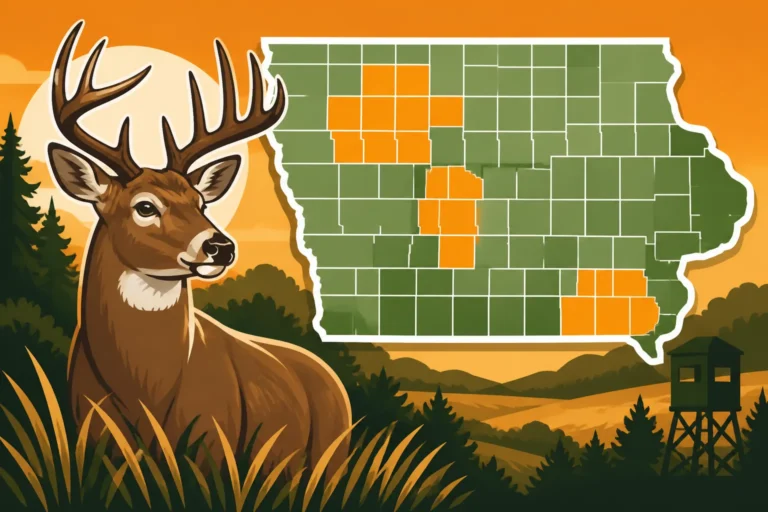
The primary reason county conservation areas have their own set of rules stems from their funding and management structure. Each of Iowa's 99 counties has its own conservation board, established by state law but funded and overseen at the local level. This means that decisions about land use, recreational activities, and, crucially, hunting regulations are made by local officials who are responding to the specific needs and desires of their constituents and the unique characteristics of their county's land.
Think about it: a county in heavily timbered southern Iowa might prioritize deer management and primitive camping, while a county in the prairie pothole region of northern Iowa might focus more on waterfowl production and accessible trails. These differing priorities naturally lead to varied rules. What's perfectly fine on a large state forest might be strictly prohibited on a smaller county park or natural area. This local control, while great for tailoring management to specific resources, is precisely why hunters often find themselves scratching their heads trying to figure out what's allowed where. It’s a classic case where "know before you go" isn't just a suggestion, it's an absolute necessity.
How to Identify County Conservation Areas
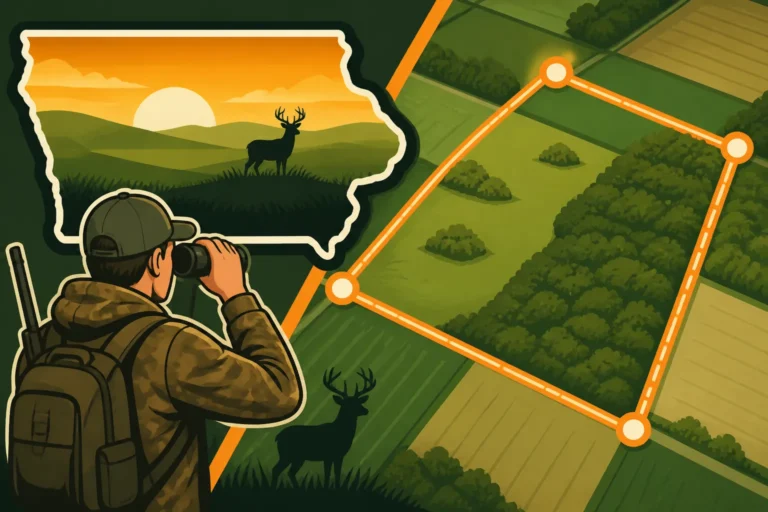
So, how do you even know if that promising patch of green on your map is county land? The first and often best step is to use mapping applications designed for hunters. Tools like onX Hunt are incredibly valuable because they overlay property lines and land ownership information, clearly showing whether a parcel is state, federal, or county-owned. Many of these apps will even color-code the different land types, making identification quick and easy. Similarly, the Iowa Department of Natural Resources (DNR) offers resources like Using the Iowa Hunting Atlas, which can also help you pinpoint these areas.
Beyond digital maps, keep an eye out for physical signage. Most County Conservation Board properties will have signs at access points, often displaying the county's name, the area's specific name (e.g., "Maple Ridge County Park"), and sometimes a quick rundown of major rules or a notice that hunting is allowed. However, don't rely solely on signs for detailed rules. They often only cover the most basic regulations. Once you've identified a potential county property, the next critical step is to go directly to that specific county's conservation board website or give them a call. Every county's website will typically list their properties and link to their specific hunting ordinances and general usage rules. It's a bit more legwork than just glancing at a map, but it's the only way to avoid unwelcome surprises.
General Hunting Regulations on County Conservation Property
While county conservation areas operate under their own specific rules, they are still nested within Iowa's overarching state hunting regulations. This means that general season dates, bag limits, and licensing requirements for species like deer, pheasant, and turkey will align with statewide regulations, but individual counties can impose additional restrictions on how you hunt or where you hunt within their boundaries. It's a delicate balance that often leaves hunters feeling like they need a legal degree just to plan a weekend trip.
Common Rules for Whitetail Deer Hunting
For whitetail deer, which are undoubtedly the most popular game animal in Iowa, most counties will follow the state's established season dates for archery, shotgun, early muzzleloader, late muzzleloader, and Iowa January Antlerless Hunts. However, where things get tricky is with weapon choices and specific zones. While the state generally allows shotguns, muzzleloaders, bows, crossbows, and straight-wall cartridge rifles during their respective seasons, a particular county might restrict certain weapons on specific tracts of land, perhaps due to proximity to residential areas or high-use recreational trails. You might find that a small timber block surrounded by housing development is archery-only, even if it's open during shotgun season elsewhere in the county.
Additionally, always remember that all statewide tagging and Iowa Deer Harvest Reporting Rules apply. Just because you're on county land doesn't exempt you from these responsibilities. You'll still need your valid Iowa deer license and any necessary antlerless tags. Some counties, particularly those with strong local deer management plans, might even have specific antlerless quotas or recommendations that, while not legally binding in the same way as state tags, are important to be aware of to help local management efforts. Always check the specific county's website for any additional weapon restrictions or designated hunting areas before heading out.
Upland Birds and Small Game Considerations
Hunting upland birds like pheasants and quail, as well as small game such as rabbits and squirrels, on county conservation land presents its own set of nuances. Many county areas contain fantastic habitat for these species, from CRP grass fields to timber patches and brushy draws. However, these areas are often multi-use, meaning hikers, birdwatchers, and dog walkers might also be enjoying the same spaces. This can lead to specific rules designed to minimize conflicts and ensure safety.
For instance, some county areas might have restrictions on dog training or off-leash dogs, even if hunting with a dog is permitted during the season. Others might have specific hours of access or designated areas where hunting is allowed versus those reserved for other recreational activities. It's also important to consider the size of the area. Small pockets of habitat might not be suitable for large pheasant drives or extensive quail hunts, and some counties might explicitly prohibit certain methods of hunting due to space constraints or public safety concerns. If you're planning a Working Pheasant Cover Without a Dog outing or looking for Quail Coveys in Southern Iowa Brush, be sure to confirm the county's specific policies on upland bird and small game hunting to ensure a safe and enjoyable experience for everyone.
Waterfowl Hunting on County Ponds and Rivers
Iowa's County Conservation Boards manage a surprising number of small lakes, ponds, and river access points that can offer fantastic waterfowl hunting opportunities. These might not be the sprawling wetlands of a large WMA, but they can be hidden gems for ducks and geese. However, just like with other game, specific rules often apply. You might find restrictions on the type or size of boat allowed, if any, or limitations on when and where you can set up permanent blinds.
Many county areas are day-use only, meaning you can't leave decoys or blinds out overnight. Some might restrict the use of motorized boats to protect fragile ecosystems or to maintain a quiet atmosphere for other users. If you're considering Waterfowl Hunting Iowa River Backwaters that are managed by a county, always verify their specific regulations on boat launching, blind construction, and decoy placement. These rules are usually in place to manage user conflicts and to ensure the longevity of the habitat, so understanding and adhering to them is crucial for a successful and respectful hunt.
Specific Restrictions and Unique County Bylaws
The true maze of county conservation land rules often lies in the detailed operational restrictions that govern how you physically interact with the property. These aren't about what you can hunt, but how you can hunt it, and they vary wildly from one county to the next, creating headaches for traveling hunters.
Vehicle and Access Limitations
One of the most common restrictions you'll encounter on county conservation land revolves around vehicle access. Many properties, especially smaller tracts or those managed for wildlife habitat, are designated as "walk-in only." This means you can park at a designated lot, but beyond that, your feet are your only mode of transportation. This is often done to reduce disturbance to wildlife, prevent habitat damage from vehicle ruts, and minimize noise pollution for other users. Don't be surprised if you find a gate across a gravel road or a chain blocking an old farm lane, even if it looks like a perfect access route on your map.
Even in areas where some vehicle access is allowed, there will almost always be designated parking areas. Parking along shoulders or pulling off into undesignated spots can lead to tickets or even towing, not to mention creating unsafe conditions for others. It’s also crucial to remember that even if you can drive to a certain point, carrying your gear or a harvested deer might still involve a significant hike. These limitations mean you need to plan your entry and exit strategies carefully, especially if you anticipate getting a deer out of a creek bottom or a dense timber block. Always consult the specific county's rules regarding Access Routes That Do Not Bump Deer and vehicle use before you head out.
Stand and Blind Usage on County Land
Treestands and ground blinds are integral tools for many Iowa deer hunters, but their use on county land is frequently subject to strict regulations. The biggest point of contention is often the distinction between portable and permanent stands. While Iowa state public lands generally require stands to be portable and removed daily, county rules can vary. Some counties may allow stands to be left up for extended periods, perhaps for an entire season, as long as they are clearly marked with your DNR customer ID number. Others, however, might strictly enforce a "carry in, carry out" policy, requiring all stands and blinds to be removed at the end of each day's hunt. This can make Hanging Stands on Iowa Public Ground a real logistical challenge.
Screw-in steps are another common point of contention. While many hunters prefer them for secure access, they can damage trees, and most public land agencies, including many County Conservation Boards, prohibit them. Always check if Are Screw-In Steps Legal in Iowa? on the specific county property you intend to hunt. The damage they cause can be long-lasting and is something conservation boards strive to avoid. Even when portable stands are allowed, policies on tree modification (trimming branches, cutting shooting lanes) can differ. Always assume minimal impact is required and clarify any doubts with the county office directly. This is where a quick call can save you a big headache and a potential fine.
Prohibited Activities to Be Aware Of
Beyond specific hunting methods, there are a host of general activities that are commonly prohibited on county conservation lands, often for safety, environmental, or public relations reasons. One significant restriction for deer hunters is the statewide Iowa Baiting Ban for Deer. This applies universally across all public lands, including county properties. Don't fall into the trap of thinking a small county timber patch might be overlooked; the rules are strictly enforced.
Target shooting or sighting in firearms is another activity often restricted or outright prohibited on county land, especially in areas with other recreational uses or near residential zones. If you need to sight in your shotgun before Sighting In Before Shotgun Season, plan to do so at a designated shooting range, not on a county conservation area. Additionally, be mindful of firearm discharge safety zones, which legally prohibit shooting within certain distances of occupied buildings or recreation areas. These zones are usually clearly marked or outlined in the county regulations. Finally, camping rules can vary greatly; some areas have designated campgrounds, others allow primitive camping in specific zones, and many prohibit overnight stays entirely. Always confirm these details to avoid any unpleasant surprises or violations.
Navigating Information and Respecting Local Management
The key to successfully and ethically hunting Iowa's county conservation lands really boils down to two things: diligent research and a commitment to responsible outdoor ethics. It might feel like a lot of work to check specific rules for every parcel, but it's an essential part of being a respectful and effective hunter in Iowa.
Resources for Checking Individual County Rules
Your absolute best resource for understanding the rules of a specific county conservation area is that county's official conservation board website. A quick internet search for "[County Name] County Conservation Board Iowa" will usually get you directly to their page. On these sites, you'll typically find lists of their managed properties, detailed maps, and specific ordinances related to hunting, fishing, camping, and other recreational activities. Don't just skim these; read them thoroughly.
If the website isn't clear, or you have a very specific question, don't hesitate to pick up the phone and call the county conservation office directly. These folks are usually very helpful and are the ultimate authority on their local rules. They'd much rather answer a question beforehand than deal with a violation after the fact. Additionally, advanced mapping apps like onX Hunt and GoHunt can often provide direct links to the managing agency's website for specific parcels or at least give you enough information to easily find it. Combining these digital tools with direct communication is the most effective way to stay informed and compliant.
The Importance of "Leave No Trace" Principles
Hunting on county conservation land means you're often sharing space with a diverse group of outdoor enthusiasts. Practicing "Leave No Trace" principles is not just good etiquette; it's vital for maintaining positive public perception of hunters and for preserving these precious resources. This means packing out everything you pack in – and then some. Don't leave spent shell casings, broadhead packaging, food wrappers, or flagging tape behind. Every piece of litter detracts from the experience for others and reflects poorly on all hunters.
Minimizing your impact also extends to your physical presence. Stick to established trails or travel lightly through the woods. Avoid damaging vegetation unnecessarily, whether for shooting lanes or blind construction. If you're using a game cart to retrieve a deer, be mindful of wet conditions that could lead to deep ruts. Our goal should always be to leave the area looking as if we were never there. This dedication to conservation and respect for shared spaces, as discussed in Leaving No Trace on Iowa Walk-In Ground, helps ensure that these opportunities remain available for future generations of hunters and outdoor lovers.
How Local Rules Serve Local Conservation Goals
It's easy to get frustrated by what seems like an endless list of varying rules, especially when you're just trying to enjoy a hunt. However, understanding why these rules exist can help shift your perspective. County conservation boards are tasked with balancing multiple, sometimes competing, interests: providing recreational opportunities, protecting natural resources, managing wildlife populations, and responding to community needs. A rule that seems inconvenient to you might be vital for preventing erosion on a steep hillside, protecting a rare plant species, or ensuring the safety of hikers who regularly use a particular trail.
Many county areas are smaller than state or federal properties and are often surrounded by private land or residential areas, making specific restrictions on weapon discharge or access routes even more critical. By understanding that these local rules are a reflection of local conditions and conservation goals, we can approach our hunts with greater respect and a more cooperative spirit. Engaging with your local county conservation board, even just by reading their materials and following their rules, helps to strengthen their ability to manage these lands for the benefit of all Iowans, including hunters.
Disclaimer
This article is for general informational purposes only and does not constitute professional advice. Laws, prices and regulations vary by location and change over time. Consult a qualified professional for guidance on your specific situation.