Iowa Reservoir Wildlife Areas
For those of us who love chasing game across Iowa, it's easy to get caught up thinking about big timber tracts or vast private crop fields. But what about the incredible opportunities hiding in plain sight, especially if you're drawn to water? Iowa's reservoir wildlife areas offer a totally different, and often less pressured, kind of hunting experience that combines diverse habitats with unique access challenges and rewards. This guide is all about diving deep into these overlooked gems, helping you understand their potential and plan your next adventure.
Understanding Iowa's Reservoir Wildlife Areas
Iowa might be known for its rich farmland, but it's also home to several large flood control reservoirs, managed by the U.S. Army Corps of Engineers, which create unique ecosystems perfect for various game species. These areas aren't just about the water; they encompass vast stretches of timber, grasslands, and agricultural fields surrounding the fluctuating lake levels, offering a mosaic of habitats for deer, turkey, waterfowl, and even upland birds.
The Role of Flood Control and Habitat
The primary purpose of these reservoirs, like Coralville, Red Rock, and Saylorville, is flood control for the major rivers they're built on. This means water levels can change dramatically throughout the year, especially during spring rains or late fall drawdowns. This dynamic environment shapes the habitat, creating mudflats for migrating waterfowl one day and exposing new timber for deer browsing the next. Understanding these fluctuations is key to successful hunting.
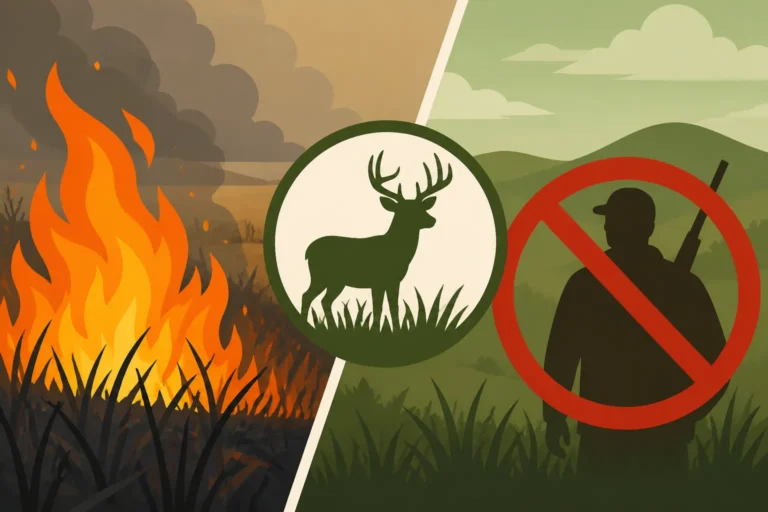
The Corps of Engineers, in cooperation with the Iowa Department of Natural Resources (DNR), actively manages the surrounding land for wildlife. This often includes planting food plots, conducting prescribed burns to enhance grasslands, and maintaining timber stands. It’s a constant dance between managing for flood control and optimizing for wildlife, and it means that hunters who pay attention to current conditions will always have an edge.
Diverse Habitats Within the Reservoir Landscape
What makes these areas so special is their incredible diversity. You'll find dense river bottom timber that holds big bucks, expansive CRP and native grass fields that pheasant and quail call home, and vast stretches of open water and backwater sloughs that are magnets for ducks and geese. This variety means you can often target multiple species within the same general area, making for a truly dynamic hunting experience. For example, you might be calling in a gobbler in the timber early in the morning, then shifting to a field edge for deer in the evening.
These land types transition rapidly as you move away from the water. The immediate shoreline is often a mix of mudflats, shallow water, and young vegetation, ideal for waterfowl. Moving inland, you'll encounter mature timber along old river channels and uplands, transitioning into restored prairies or agricultural fields. It’s a microcosm of all the best hunting Iowa has to offer, concentrated around these large water bodies.
Key Reservoir Hunting Destinations in Iowa
While there are smaller flood control structures across the state, three major reservoir systems stand out for their size and hunting potential: Saylorville Lake, Lake Red Rock, and Coralville Lake. Each has its own character, challenges, and rewards.
Saylorville Lake (North of Des Moines)
Saylorville Lake, situated on the Des Moines River, is a massive area that draws a lot of attention due to its proximity to the state capital. It offers extensive timbered river bottoms, upland fields, and plenty of waterfowl opportunities along the main lake and associated wetlands. Hunters here often focus on deer and turkey, finding solid success in the river breaks and mature timber. The sheer size of the area, stretching for miles, means you can find solitude if you're willing to walk a bit.
The land north and south of the main lake pool offers thousands of acres of public access. Areas like the Chichaqua Bottoms Greenbelt, while a bit further downstream, are influenced by the same river system and offer similar opportunities. Hunters need to be especially mindful of the changing water levels, particularly in the lower elevations, as access points can appear or disappear with little notice.
Lake Red Rock (Southeast of Des Moines)
Lake Red Rock, Iowa's largest lake, is another jewel on the Des Moines River, and it boasts an impressive array of hunting grounds. The terrain here is often more rolling and broken than Saylorville, with significant bluffs and deep timbered draws leading down to the water. This topography creates excellent travel corridors and bedding areas for deer. The lake itself is a major stopover for migratory waterfowl, making it a prime destination for duck and goose hunters, particularly in the shallow backwaters and flooded timber when conditions are right.
The expanses of land managed around Red Rock include a healthy mix of timber, old fields, and some reconstructed prairies. Reading an Iowa Timber Draw for Deer Sign is an essential skill here, as the topography can be complex. Hunters often find success pursuing deer and turkey, and the waterfowl hunting can be phenomenal, especially if you're willing to scout extensively and adapt to changing water conditions.
Coralville Lake (North of Iowa City)
Coralville Lake, located on the Iowa River, provides a slightly different flavor of reservoir hunting. While it shares many characteristics with Saylorville and Red Rock, its eastern Iowa location and distinct river system offer unique habitat nuances. There are vast timber blocks, particularly in the northern reaches and along the river corridors, which are fantastic for deer and turkey. The lake also supports a robust waterfowl migration, with hunters often targeting geese in surrounding agricultural fields and ducks in the numerous sloughs and backwater areas.
Access around Coralville can sometimes feel a bit more fragmented due to surrounding private land, but there are still thousands of accessible acres. The sheer volume of cover, combined with diverse food sources from adjacent farm fields, makes this a high-potential area for big game. As with all reservoirs, scouting is paramount, and using a good mapping tool like onX Hunt can help you distinguish public land boundaries from private holdings, which are often intermingled. E-Scouting Iowa Farm Country From Home can give you a major head start here.
| Reservoir Area | Primary Species | Dominant Terrain | Noteworthy Features |
|---|---|---|---|
| Saylorville Lake | Deer, Turkey, Waterfowl, Upland Birds | River bottoms, mature timber, uplands, wetlands | Proximity to Des Moines, extensive linear reach |
| Lake Red Rock | Deer, Turkey, Waterfowl, Upland Birds | Rolling timber, bluffs, large open water, backwaters | Iowa's largest lake, significant migratory bird stop |
| Coralville Lake | Deer, Turkey, Waterfowl, U Upland Birds | Large timber blocks, river corridors, mixed fields | Eastern Iowa location, diverse habitat zones |
Hunting Opportunities and Target Species
The beauty of Iowa's reservoir wildlife areas lies in their versatility. Whether you're a big game enthusiast, a waterfowl fanatic, or you love busting pheasants, these areas offer a chance to fill your freezer and make lasting memories.
Whitetail Deer Hunting
Deer hunting is arguably the most popular pursuit on these lands, and for good reason. The combination of dense cover, reliable water sources, and abundant food from surrounding agricultural fields creates prime whitetail habitat. Big river bottom bucks are definitely a possibility. Hunters often focus on timbered ridges, creek bottoms, and the edges where timber meets fields. The constant challenge is navigating the often-thick cover and understanding how deer use these areas in relation to human pressure.
Successful deer hunting here often means getting deep into areas others avoid. Look for bedding areas in thickets, especially along sheltered slopes or dense cedar groves, and identify funnel points where deer travel between cover and food. Reading Aerial Imagery for Bedding Cover before your hunt can help pinpoint these areas, and then an in-person scout to verify sign is crucial. During the rut, these timber corridors become major highways for cruising bucks.
Wild Turkey Opportunities
Iowa boasts a healthy population of Eastern wild turkeys, and the timbered hillsides and river bottoms of the reservoir areas are prime turkey country. Both spring and fall seasons offer fantastic hunting. In spring, gobblers are often found strutting in open timber or calling from roosts along the major river arms. The key is often locating roost trees the evening before and setting up quietly for a morning ambush.
Calling success can vary, but understanding terrain features like ridges and drainages is vital for sound to carry and for birds to approach naturally. Calling a Henned-Up Iowa Gobbler can be a challenge, but persistence pays off. Fall hunting, while different, can be incredibly rewarding, focusing on breaking up flocks and calling in lost birds. The sheer amount of timbered habitat means turkeys have plenty of room to roam, offering a truly wild hunt.
Waterfowl Hunting
For many, the reservoirs are synonymous with waterfowl. Saylorville, Red Rock, and Coralville are critical migration corridors along the Mississippi Flyway, drawing in thousands of ducks and geese. Shallow backwater sloughs, flooded timber, and mudflats exposed during drawdowns become prime feeding and resting areas. Hunters often use decoys and blinds, either portable or brushed-in, to target migrating birds.
Waterfowl hunting here requires a keen understanding of water levels and bird movement. What was a productive spot one week might be bone dry or too deep the next. Scouting from elevated positions, using binoculars, or even paddling a kayak to observe bird activity can be invaluable. Don't overlook opportunities in harvested corn and bean fields adjacent to the reservoirs, especially for geese. Decoying Ducks on a Backwater Slough and setting up carefully according to wind direction are crucial tactics for success.
Upland Birds and Small Game
While not always the primary target, the grasslands and timbered edges around the reservoirs can hold good numbers of pheasants, quail, rabbits, and squirrels. Pheasant hunting is best in the larger grassland blocks, especially those with good winter cover like cattail sloughs or dense shrub thickets. Quail, particularly in the southern reservoir areas like Red Rock, will gravitate towards brushy edges and plum thickets.
Working these areas for upland birds without a dog can be challenging, but not impossible. Focus on walking slow, zig-zagging through dense cover, and pushing birds towards natural escape routes or blockers. Working Pheasant Cover Without a Dog often involves a lot of footwork and patience. Rabbits and squirrels are abundant in the timbered areas, offering a fun and less intense hunting experience, especially during the colder months when other seasons are wrapping up.
Access and Regulations on Reservoir Lands
Hunting on Iowa's reservoir lands comes with specific rules and unique access considerations. It's not always as straightforward as walking into a state park, and being prepared means understanding the nuances of these federally managed areas.
Understanding Corps of Engineers Regulations
The U.S. Army Corps of Engineers manages these lands, and their rules can sometimes differ from standard Iowa DNR regulations, or they might have additional layers of complexity. It's absolutely critical to check the specific regulations for the reservoir you plan to hunt, usually available on the Corps' project office websites or through posted signs at access points. These rules often cover things like camping, vehicle use, stand placement, and even limitations on certain hunting methods.
For example, while some areas might allow permanent blinds for waterfowl, others might not. Always clarify before you invest time and effort. Additionally, because these are flood control projects, areas can be closed due or restricted due to high water events, so always check for current conditions before heading out.
Navigating Public and Private Boundaries
One of the biggest frustrations for hunters on these lands is the often-interspersed pattern of public Corps of Engineers ground and private land. Without a clear understanding of boundaries, it's easy to inadvertently trespass. This is where tools like onX Hunt become absolutely indispensable. Using a robust mapping app on your phone can display public/private land ownership in real-time, allowing you to walk right up to a boundary without crossing. This means less anxiety and more focus on the hunt.
Even with a mapping app, always be mindful of signage, fences, and natural boundary markers. Remember that rivers and creeks can sometimes form property lines, and fluctuating water levels can make these ambiguous. When in doubt, err on the side of caution or find a different route. Respecting private land is paramount for maintaining good hunter-landowner relations across the state, even when you're on public ground nearby.
Access Points and Travel Routes
Access to reservoir lands can range from well-maintained boat ramps and parking lots to undeveloped pull-offs along gravel roads. For many hunters, getting away from these easy access points is key to finding less pressured animals. This often means walking further, sometimes miles, into the timber or along the river channels. Consider using a quality deer cart or a pack frame if you plan to go deep, as getting a deer out of a thick creek bottom after a successful hunt can be a serious challenge.
Boat access is also a huge advantage on these reservoirs, especially for waterfowl hunters or those looking to reach remote timber blocks. Launching a small boat or kayak can open up vast stretches of shoreline, islands, and backwater areas that are otherwise inaccessible to foot traffic. Just be sure to understand the rules for boating on these fluctuating water bodies, including any speed limits or no-wake zones. Always leave a trip plan for a public hunt, especially when venturing into remote areas by boat.
Planning Your Hunt on Iowa's Reservoirs
A successful hunt on reservoir lands is rarely spontaneous. It takes careful planning, meticulous scouting, and a willingness to adapt. The dynamic nature of these areas demands a proactive approach.
Pre-Season Scouting and E-Scouting
Your journey to a successful hunt starts long before opening day. E-scouting from home with tools like onX Hunt and Google Earth is a fantastic first step. Look for distinct terrain features: old river channels, fingers of timber extending into fields, saddle points, and areas of dense cover near food or water. Pay attention to how the land funnels animal movement. Scouting Iowa Timber and River Bottoms virtually can save you countless hours of walking in the wrong places.
Once you've identified potential hotspots, it's time for boots on the ground. Walk the areas, looking for deer trails, rubs, scrapes, turkey sign, and suitable cover for pheasants. Observe water levels and identify potential blind locations for waterfowl. Pay attention to bedding areas and escape routes. The more you understand the specific nuances of the terrain and how game uses it, the better your chances will be. Remember, the areas nearest access points tend to get the most pressure, so don't be afraid to put in the miles.
Gear Considerations for Reservoir Terrain
Hunting around large water bodies and diverse terrain requires specific gear. Good waterproof boots are non-negotiable, whether you're slogging through mudflats for ducks or hiking wet timber for deer. Layered clothing is essential to adapt to changing Iowa weather, from warm early season days to frigid late-season hunts. A good quality backpack to carry calls, snacks, extra layers, and a first-aid kit is also crucial.
For deer hunters, consider a mobile stand setup like a climbing stand or saddle, especially on public land where you can't leave stands overnight indefinitely. Mobile Saddle Hunting in Iowa is an excellent strategy for quickly adapting to deer movement. Waterfowl hunters will need waders, decoys, and a sturdy blind. No matter the species, always carry a reliable light source, especially if you plan on walking out after dark.
Understanding Water Level Fluctuations
This might be the most critical factor for success on reservoir lands, especially for waterfowl and deer in riparian zones. Water levels can change weekly, sometimes daily, affecting access, feeding areas, and cover. A prime duck hole one day might be a dry mudflat the next. A deer trail that's usually high and dry could be underwater.
Before any hunt, check the current lake levels and projections from the Corps of Engineers website for that specific reservoir. This information will help you select access points, anticipate changes in game movement, and even determine what species might be most active. For example, falling water levels often expose fresh mudflats, drawing in shorebirds and ducks, while rising water can flood timber, creating new cover and feeding opportunities for deer.
Tips for Success on Reservoir Wildlife Areas
Hunting public land is always a challenge, and reservoir wildlife areas bring their own unique set of considerations. Here are some seasoned tips to increase your odds of success.
Minimizing Hunting Pressure
Reservoir wildlife areas, especially those close to population centers, can see significant hunting pressure, particularly on opening day and weekends. The key to success is often finding ways to get away from the crowds. This might mean walking further than most hunters are willing to go, using boat access to reach remote areas, or hunting during weekdays when pressure is typically lower. Hunting Pressure Patterns on Iowa Public Land show that animals quickly learn to avoid areas with high human activity.
Consider hunting during less popular times or seasons. Late season deer hunts, for example, can offer fantastic opportunities after the initial rush has subsided. Focus on overlooked pockets of cover, thick bedding areas that are difficult to access, or small timber blocks that most hunters pass by. The more effort you put into getting off the beaten path, the better your chances of encountering unpressured animals.
Strategic Stand Placement for Deer
For deer hunting, stand placement is absolutely critical, even more so on public land where deer are wary. Focus on pinch points, funnels, and natural travel corridors. River bends, narrow strips of timber between fields, and saddles in rolling terrain are all excellent spots. Pay close attention to wind direction and thermals, which can be tricky near large bodies of water and in river bottoms. Wind and Thermals in River Breaks can swirl unexpectedly, so having multiple stand options for different wind conditions is a smart move.
Also, consider alternative setups like ground blinds if the timber is too sparse or if you prefer a different hunting style. Brushing in a ground blind effectively can make it virtually invisible. Always consider your entry and exit routes. The goal is to get to and from your stand without disturbing deer, especially bedding areas. Access Routes That Do Not Bump Deer are paramount for consistent success.
Maximizing Waterfowl Opportunities
Waterfowl hunting success on reservoirs often hinges on scouting and flexibility. Birds will move based on food availability, water levels, and hunting pressure. Be prepared to move your setup if birds aren't working your spot. Pay close attention to what ducks and geese are feeding on, whether it's submerged vegetation, waste grain in nearby fields, or insects on mudflats.
Decoy spreads should mimic what birds are naturally doing, whether it's a resting flock or a feeding group. Blinds need to be well-camouflaged and blend seamlessly into the natural surroundings. Don't be afraid to hunt during inclement weather; ducks and geese are often most active during cloudy, windy, or drizzly days. Persistence and adaptability are your best friends in the duck blind.
Embracing the Challenge of Public Land
Hunting Iowa's reservoir wildlife areas isn't always easy. You'll face competition, changing conditions, and the need to put in extra effort. But that's precisely what makes success here so rewarding. It forces you to become a better hunter – more observant, more adaptable, and more persistent. It's an opportunity to truly connect with the land and its wildlife in a challenging, yet incredibly fulfilling, way.
Don't be discouraged by initial setbacks. Every outing is a learning experience. Keep detailed notes, analyze your successes and failures, and always be looking for new ways to approach these diverse and dynamic hunting grounds. The next time you're planning an Iowa hunt, consider the reservoirs – they might just surprise you with the adventure you've been looking for.
Disclaimer
This article is for general informational purposes only and does not constitute professional advice. Laws, prices and regulations vary by location and change over time. Consult a qualified professional for guidance on your specific situation.