Vehicles on Iowa IHAP Tracts
There’s nothing quite like the thrill of discovering a promising new hunting spot, especially when it’s on private land that’s opened up for public use. However, the excitement can quickly turn to frustration when you pull up to an Iowa Habitat and Access Program (IHAP) tract, ready to roll in, only to be met with signage that clearly states "Walk-In Only." This guide is all about navigating those specific rules surrounding vehicles on IHAP tracts, helping you understand why these regulations exist, how to comply, and how to make the most of your hunt, even when you have to leave your truck behind.
Understanding Iowa's Habitat and Access Program Basics
Before we dive deep into the nitty-gritty of vehicle access, it's really important to grasp the core concept of the IHAP program itself. Many hunters, especially those new to Iowa or unfamiliar with state-specific initiatives, might mistakenly assume IHAP land is just like any other state-owned public ground. That's a misunderstanding that can lead to headaches, or worse, unintended rule violations.
What is IHAP and Why Does it Exist?
Iowa's Habitat and Access Program, or IHAP, is a brilliant initiative designed to expand public hunting opportunities across the state by partnering with private landowners. Think of it as a mutually beneficial agreement: landowners receive an incentive, often financial, to allow public hunting access on their property. In return, the public gains access to ground that would otherwise be strictly private and off-limits. This program is particularly vital in Iowa, a state predominantly made up of private land, where finding a place to hunt can be a significant challenge for many.
The existence of IHAP is a testament to the strong hunting culture here and the recognition that access is a constant hurdle. It allows hunters to explore new territories, spread out the pressure from traditional public lands, and often discover prime habitat that holds quality game. For the landowners, it's not just about the monetary benefit; it's also about habitat improvement, potentially reducing nuisance wildlife populations, and contributing to the conservation efforts of the state. It’s a win-win, but it comes with a specific set of rules that keep the program running smoothly and respectfully.
General Rules of Engagement on IHAP Ground
Hunting on IHAP ground isn't exactly the same as hunting on, say, a sprawling state forest. Because these are private lands generously opened to the public, there’s an inherent expectation of respect and careful conduct. You'll often see distinct yellow signs clearly marking IHAP boundaries, and these aren't just for show; they're your guide to where you can and cannot go. Always make sure to pay close attention to the specific rules posted at each individual tract, as there might be slight variations depending on the landowner's agreement with the state.
These general rules typically include basics like respecting property boundaries, only hunting during designated seasons, and often prohibiting activities like trapping, target shooting, or camping unless explicitly stated. It's crucial to remember that you're a guest, and treating the land with the utmost care helps ensure these programs continue. A quick refresher on Iowa Landowner Permission Basics and Iowa Trespass Law and Posted Land can help reinforce why these rules are so important, even when you have implied permission through IHAP. The key is to leave no trace, be a good steward, and never assume anything beyond what the signage or official Iowa DNR maps indicate.
The Specifics of Vehicle Use on IHAP Tracts
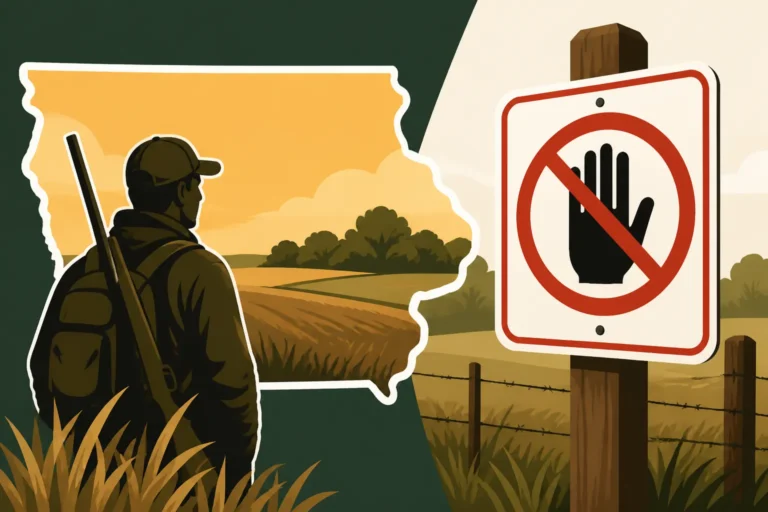
Now, let's get down to the core issue that brings many hunters here: vehicles on IHAP tracts. This is an area where confusion often leads to frustration, but once you understand the underlying philosophy, it makes perfect sense. The overwhelming standard for IHAP land in Iowa is "Walk-In Only."
The "Walk-In Only" Standard and Its Implications
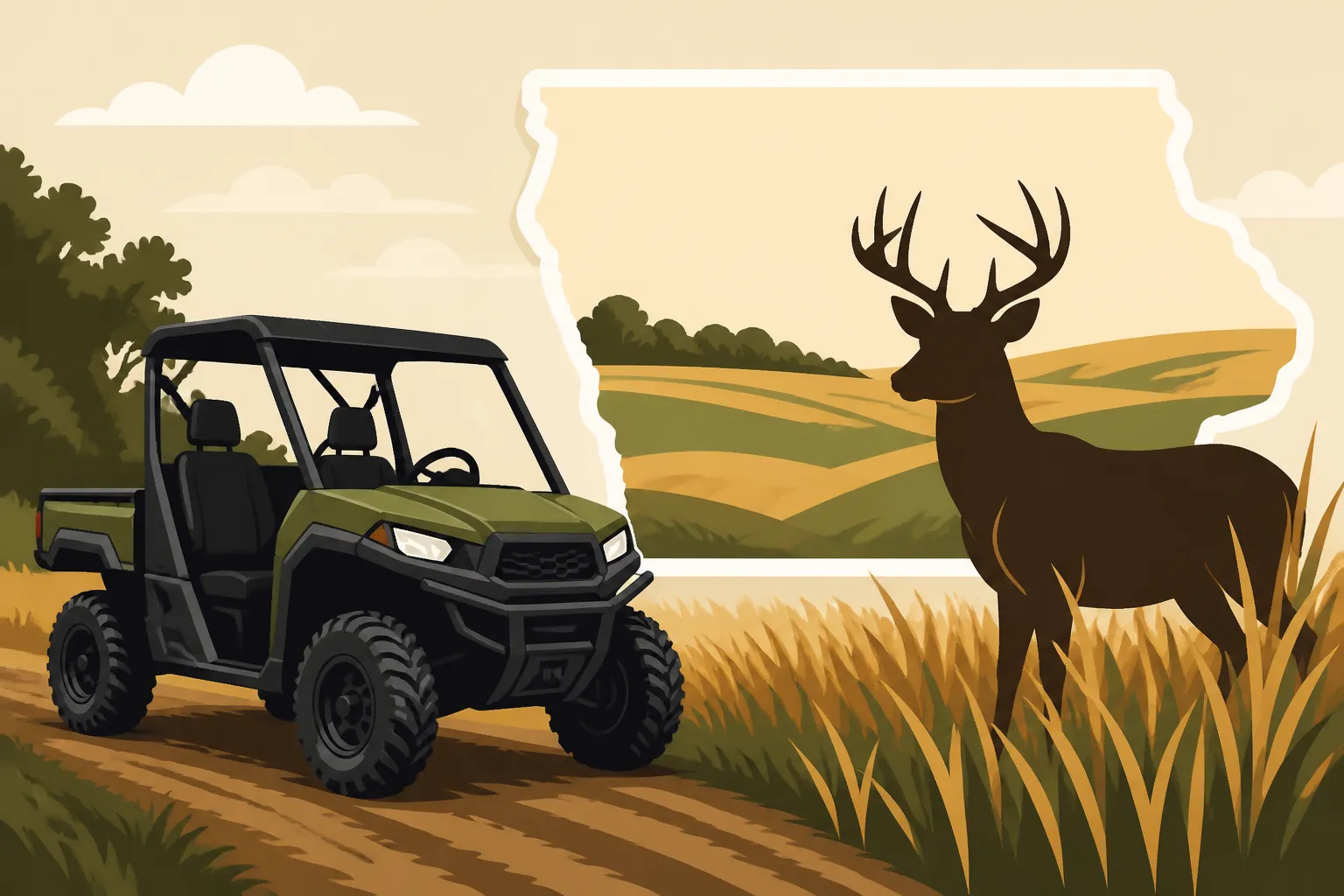
When you see that "Walk-In Only" sign, it means exactly what it says: you need to walk in. This isn't a suggestion; it's a hard rule. You cannot drive your pickup truck, your ATV, your UTV, or even your dirt bike onto an IHAP tract, regardless of how short the distance seems or how bad the weather is. This applies whether you're just dropping off a stand, scouting, or trying to retrieve a downed deer. The only exception, generally, is if the landowner personally grants you specific permission to use a vehicle, and even then, it's often best to confirm this directly with the Iowa DNR or IHAP administrator to ensure it doesn't violate their program agreement.
The reason for this strict rule is multi-faceted. First, it minimizes habitat disturbance. Vehicles, even ATVs, can create ruts, compact soil, damage vegetation, and leave a lasting footprint that impacts the very habitat the program aims to protect and enhance. Second, it respects the private nature of the land. Landowners are often hesitant to open their property to the public if they fear excessive vehicle traffic, which can lead to property damage, wear and tear on farm lanes, and a general loss of privacy and peace. Finally, it helps manage hunting pressure by creating a barrier to easy access, often spreading hunters out and encouraging deeper penetration into tracts that might otherwise be overrun. For more detail on this specific rule, check out Walk-In Only Access on IHAP Ground.
This means if you're pulling up to a field edge that's part of an IHAP tract, your vehicle must remain on the public road right-of-way or in a designated parking area. You cannot pull your truck into the field, even a few feet, to unload gear. That muddy two-track leading into the timber? That's for walking, not driving. It might feel inconvenient, especially when you're loaded down with gear or facing a long haul out with a deer, but it’s a non-negotiable aspect of the program.
Parking Guidelines and Access Points
So, if you can't drive onto the tract, where do you put your vehicle? This is where good planning and common sense come into play. Most IHAP tracts will have clear signage indicating legal access points, which are typically found off public roads. Your vehicle must be parked legally and safely off the traveled portion of the road, or in a designated parking area if one exists.
Think about safety first. Don't park on a blind corner, block a private driveway, or impede farm equipment access. If there's a ditch, make sure your tires are clear of the main roadway, and if it's muddy, avoid getting stuck or creating deep ruts that will anger the county road crew. Sometimes, you might find a small gravel pull-off or a designated parking lot. These are gold. Always use them if available. If not, finding a spot on a wide, straight stretch of road, well off the pavement or gravel, is your best bet. It might mean a slightly longer walk to your preferred entry point, but it's infinitely better than a ticket or a confrontation with a landowner. Keep in mind that securing legal and thoughtful parking is a key part of your hunt plan, just like Parking Away From Your Stand is for not alerting deer to your presence. Always double-check county ordinances regarding parking on rural roads if you're unsure, though generally, well off the road is permissible as long as you're not obstructing anything.
Practical Considerations for Hunting Without Vehicle Access
The "Walk-In Only" rule certainly changes your approach to hunting these valuable IHAP tracts. It forces you to be more deliberate in your planning, more efficient with your gear, and sometimes, a little more physically prepared. But don't let that deter you; some of the best hunting experiences come from earned effort.
Gear and Strategy for Longer Walks
When every piece of gear you bring has to be carried by hand or on your back, you quickly become an expert in minimalism. Heavy, cumbersome stands, massive packs, and excessive amounts of "just in case" items suddenly become liabilities. This is where lightweight, efficient gear shines. Consider a mobile hunting setup, perhaps a saddle with a few climbing sticks, which can be packed down easily and carried comfortably for miles. Many hunters are embracing Mobile Saddle Hunting in Iowa precisely because it allows them to access remote areas with minimal effort.
A good, sturdy backpack is essential, one that distributes weight evenly and can handle a substantial load. For hauling out a deer, a quality game cart is practically indispensable on IHAP ground. Trying to drag a mature Iowa whitetail multiple hundreds of yards (or even a mile) across a picked cornfield or through tangled timber can be a back-breaking, sweat-inducing nightmare. A deer cart, even a basic model, can turn that grueling task into a manageable one. It’s worth the investment, and you can learn more about options in Deer Carts on Iowa Walk-In Ground or strategies for Dragging Versus Cart Hauling. Also, think about durable, comfortable boots that can handle the mileage and varying terrain, from muddy field edges to dense timber.
Scouting and Navigation Without a Truck
Scouting is paramount for any successful hunt, but on walk-in only IHAP tracts, it takes on even greater importance. Since you can't drive around to quickly check different spots, your pre-season scouting needs to be incredibly thorough, combining remote e-scouting with boots-on-the-ground confirmation. This is where mapping applications become your best friend. Tools like onX Hunt or even the free Iowa DNR Hunter Atlas are invaluable for E-Scouting Iowa Farm Country From Home.
Before you ever set foot on the property, spend time digitally analyzing aerial imagery. Look for natural funnels, pinch points, bedding areas, potential food sources (even if it's just a picked bean field), and subtle changes in terrain that might influence deer movement. Identify potential access routes from public roads that will keep you undetected and minimize disturbance. Pay close attention to wind direction and thermals in relation to these routes and potential stand locations. Once you have a few promising spots identified, then it's time to physically walk the property, confirming what you saw on the map and looking for fresh sign. Remember, the Using the Iowa DNR Hunter Atlas is also a great resource for overlaying property boundaries and features. GoHunt can also offer valuable insights into general region success rates or hunting tips, helping you narrow down your focus before you even open your mapping app.
Common Misconceptions and Troubleshooting
Despite the clear signage and regulations, it's easy to fall into traps of assumption or wishful thinking regarding vehicle access on IHAP ground. Clearing up these common misconceptions can save you a lot of trouble and ensure a more enjoyable, lawful hunt.
When Exceptions Might Apply (and Why They Rarely Do)
One of the most persistent misconceptions is that "there must be an exception for me." Hunters might think, "Well, I'm just quickly dropping off a camera," or "It's late season, the ground is frozen, so a quick drive won't hurt." The truth is, exceptions for vehicle use on IHAP tracts are exceedingly rare, and they almost universally require explicit, prior approval from the Iowa DNR and the landowner. This isn't something you can assume.
For example, a hunter with a disability might wonder if they can get special permission. While the DNR does have provisions for disabled hunters on some public lands, these typically don't automatically extend to IHAP tracts due to their private land status and the specific agreements in place. Each case would need to be handled individually through the Iowa DNR, and it's certainly not a blanket "yes." Emergency situations are another area where people think rules might bend. If you have a legitimate, life-threatening emergency, obviously human safety takes precedence. But even then, property damage or rules violations are typically addressed after the immediate emergency is handled. The bottom line: always operate under the assumption of "Walk-In Only" unless you have a documented, specific exception granted by the proper authorities. Don't put yourself or the program in jeopardy.
Respecting the Resource and Other Hunters
The "Walk-In Only" rule, and all IHAP regulations for that matter, are ultimately about more than just legal compliance; they're about stewardship. When you leave your vehicle on the road and walk into a tract, you're not just following the rules, you're actively contributing to the health of the habitat and the quality of the hunting experience for everyone. Minimizing vehicle traffic reduces disturbance to wildlife, keeps the ground less compacted, and prevents erosion. This translates directly to better wildlife habitat and a more natural environment for hunting.
Furthermore, adhering to these rules shows respect for the landowner who has opened their property, and for your fellow hunters. Nobody wants to arrive at a prime spot only to find a deep set of tire tracks leading right to where they planned to set up, or to have their hunt disrupted by someone driving through. By committing to walking, you're also often able to access areas deeper within the property that fewer people are willing to reach, thus naturally spreading out pressure. Understanding Hunting Pressure Patterns on Iowa Public Land can help you strategize to get away from areas of higher traffic. Moreover, practicing Leaving No Trace on Iowa Walk-In Ground is a fundamental principle that ensures these areas remain pristine and accessible for future generations of hunters.
Here's a quick comparison of vehicle rules on different types of Iowa hunting land:
| Land Type | Vehicle Access Rule | Common Examples | Key Considerations |
|---|---|---|---|
| IHAP Tracts | Walk-In Only (No vehicles on property) | Private land with yellow IHAP signs | Park on public road/designated spots. Plan for long hauls. Minimal impact on habitat. |
| State Wildlife Areas (WMA) | Varies, often restricted to designated roads/parking | Big Creek WMA, Sweet Marsh WMA | Usually allows vehicles on marked access roads. May have seasonal closures. Check specific WMA regulations. |
| State Forests | Varies, often restricted to designated roads/parking | Yellow River State Forest, Stephens State Forest | Generally allows driving on established forest roads. Off-road vehicle use is usually prohibited. Seasonal access may vary. |
| County Conservation Areas | Highly Variable, check specific county/area rules | Local county parks, smaller preserves | Some allow vehicles, some are walk-in only. Often smaller, so walk-in is more common. |
| Corps of Engineers Land | Varies, typically restricted to designated areas | Saylorville Reservoir, Red Rock Lake | Rules depend on the specific area. Often allow driving to boat ramps/recreation areas, but hunting areas may be walk-in. |
Remember, the overarching goal of IHAP is to create more access for hunters while maintaining the integrity and quality of the private land involved. Your adherence to the "Walk-In Only" rule is a small price to pay for the incredible opportunities these tracts provide. Good luck out there, and happy hunting!
Disclaimer
This article is for general informational purposes only and does not constitute professional advice. Laws, prices and regulations vary by location and change over time. Consult a qualified professional for guidance on your specific situation.