Iowa Public Land Quail Cover
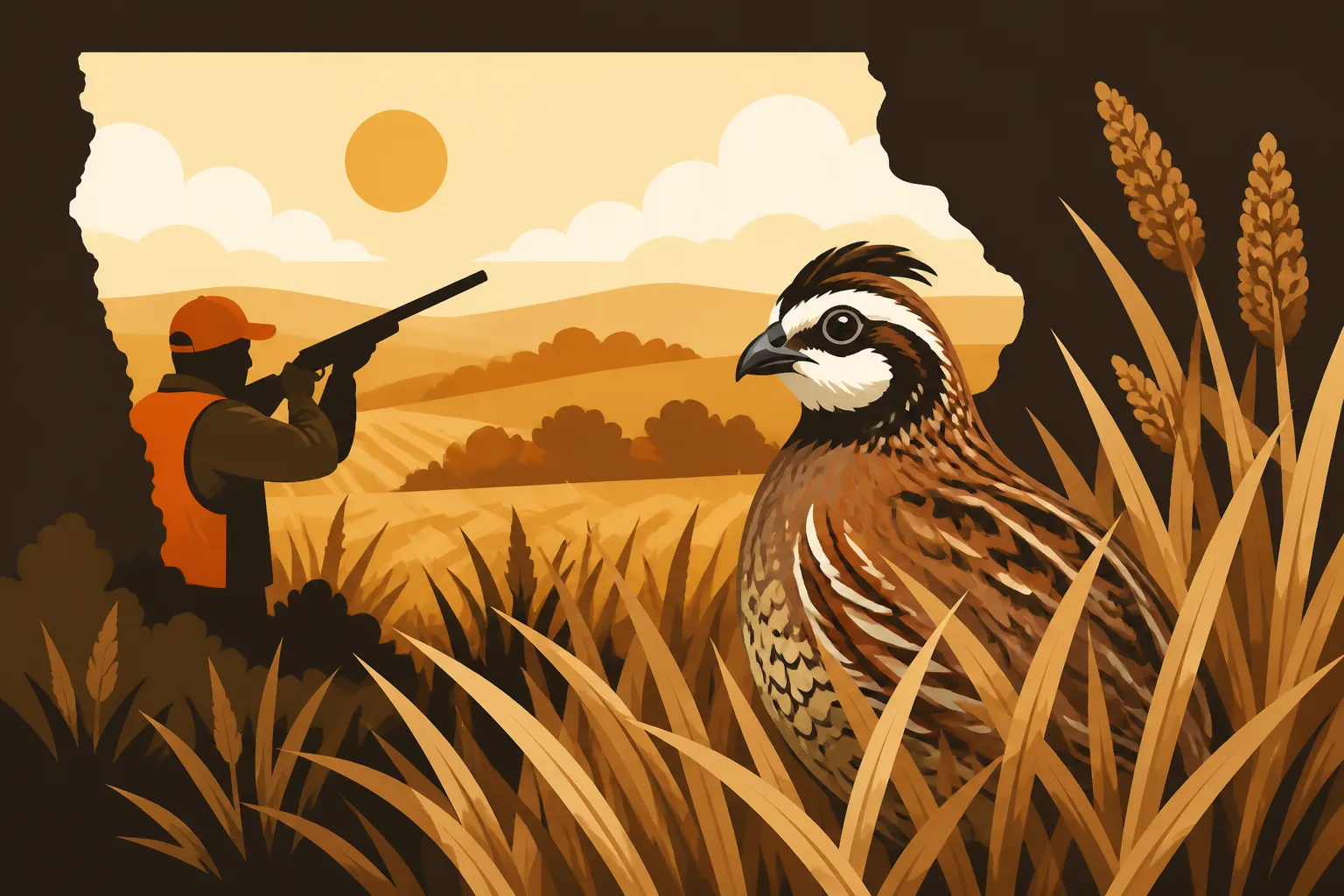
Hunting quail on public land in Iowa can feel like chasing ghosts sometimes. You spend hours walking through what looks like prime cover, only to flush nothing but a couple of pheasants or a curious deer. It's easy to get discouraged when you're putting in the mileage and not finding those explosive coveys. But with a bit of understanding about what quail really need and how to spot it, you can dramatically improve your odds. This guide is all about helping you dissect Iowa's public hunting areas, identify those hidden pockets of bobwhite quail cover, and develop effective strategies for finding them.
Understanding Bobwhite Quail Habitat in Iowa
Before you can hunt quail, you have to understand what makes them tick. Bobwhite quail are creatures of edge habitat, meaning they thrive where different types of cover meet. They aren't big fans of wide-open, monoculture crop fields, nor do they typically seek out dense, unbroken timber. They want a mix – places where they can find food, escape predators, and roost safely, all within a relatively small area.
The Ideal Quail Environment
Think about what a quail needs day-to-day: food, water, and immediate cover. For food, they're looking for seeds from annual weeds, waste grain from crop fields (especially corn and soybeans that have been harvested), and a variety of insects. Water can come from dew, succulent vegetation, or small seeps and puddles. The real key, though, is the cover. They need dense, protective cover to hide from hawks and coyotes, especially when they're on the ground. This isn't just about tall grass; it's about thick, tangled vegetation that creates overhead protection and open ground underneath for them to move through. Think briars, multiflora rose, plum thickets, and dense clumps of native grasses.
This is why you'll often hear veteran hunters talk about Bobwhite Quail in Southern Iowa. That region of the state, with its more varied terrain and historical land use, often provides the perfect mosaic of small timber, brushy draws, and crop field edges that these birds crave. The ideal quail environment is a patchwork, not a blanket. They need cover for nesting, brood-rearing, and escape, all within their small home range.
How Land Use Impacts Quail
Iowa's landscape is heavily influenced by agriculture, and that has a significant impact on quail populations. Large, intensively farmed fields with clean fencerows and minimal brush don't offer much to a quail. They need those "weedy" areas that farmers often try to eliminate. However, programs like the Conservation Reserve Program (CRP) have been a game-changer for quail, providing excellent nesting and roosting cover. Understanding Quail Numbers and CRP Acres is crucial because these managed grasslands often hold some of the best public land opportunities.
When CRP fields are enrolled, they're often planted with native grasses like switchgrass, big bluestem, and indiangrass. While these can provide excellent cover, it's the weedy edges and transitional areas around them, where broadleaf plants and some brush can grow, that truly make them quail magnets. Think about where a CRP field meets a brushy creek bottom or a timber edge – that's often where you'll find those birds holding tight. Drought years or extremely harsh winters can also impact quail populations significantly, making it even more important to find the best available cover.
Identifying Public Land Quail Cover
Now that you know what quail like, the next step is translating that knowledge into finding huntable cover on Iowa's public lands. This often requires a combination of aerial scouting, boots-on-the-ground exploration, and understanding the nuances of different public access types.
Key Cover Types to Look For
When you're looking at a map or walking the ground, keep an eye out for these specific types of cover. They are often interconnected, forming the mosaic that quail prefer:
- CRP Grasslands: As mentioned, these can be phenomenal. Look for older CRP stands that have developed some brushy pockets or are adjacent to other cover types. Monoculture stands of just one tall grass might provide roosting cover but lack diverse food sources or escape routes.
- Brushy Draws and Fencerows: These linear features are goldmines. Quail will use these corridors to move between food sources and heavier cover, and they often hold tight in dense plum thickets, multiflora rose, or cedar patches within these draws. Don't overlook old, neglected fencerows grown up with trees and briars.
- Timber Edges and Openings: While quail don't live deep in dense timber, the edges where timber meets a field or grassland are prime. Look for areas where sunlight penetrates, allowing for a brushy understory to grow. Small clearings or old logging roads within timber that have grown up can also be productive.
- Waste Areas and Field Corners: Farmers often leave odd-shaped corners or low-lying areas unplanted. These forgotten spots can quickly grow up with weeds, providing excellent food and cover, especially if they are adjacent to heavier brush. Old farmstead sites can also be productive.
Reading the Landscape for Quail
Using aerial imagery, like what you find on mapping applications like onX Hunt, is your best friend when scouting for quail on public land. You can literally spend hours "flying over" a public area, marking potential spots from the comfort of your home. Look for the distinct patterns:
- Color Changes: A shift from light green (short grass or stubble) to dark green (dense brush or timber) indicates an edge.
- Linear Features: Identify brushy creek bottoms that snake through fields, old fencerows that delineate former property lines, or tree lines that mark changes in elevation or field boundaries.
- Patchwork Appearance: The more varied an area looks from above – a mix of grass, brush, scattered trees, and crop fields – the higher the potential for quail.
- Southern Iowa Focus: Many of the best Quail Coveys in Southern Iowa Brush are found in counties known for their more rugged terrain and a higher proportion of suitable habitat. Focus your initial search there.
When you get on the ground, confirm what you saw on the map. Walk the edges, look for quail sign like dusting bowls (small depressions in bare soil where birds bathe in dust), droppings, or shed feathers. Listen for covey calls, especially at dawn and dusk. Remember, public land means other hunters, so Hunting Pressure Patterns on Iowa Public Land can sometimes push birds into less obvious, thicker cover. Don't be afraid to explore those "nastier" areas that other hunters might avoid.
Strategies for Hunting Public Land Quail Cover
Once you've identified some promising public land spots, the real work begins: effectively hunting them. Quail hunting is often a game of patience, persistence, and methodical movement.
Approaching Quail Cover Effectively
When you step into a potential quail covey, your approach matters. These birds are small, quick, and masters of concealment.
- Slow and Methodical: Don't just march through the cover. Walk slowly, pause frequently, and listen. Quail will often hold extremely tight, letting you walk right past them before flushing. Those pauses can make them nervous and trigger a flush.
- Work the Edges: Always concentrate on those transition zones. If you're walking a brushy draw next to a crop field, walk right on the edge of the brush. If you're near a timber line, work the first 10-20 yards of the timber itself, especially where there's dense undergrowth.
- Anticipate the Flush: Quail often flush in all directions, but if you're approaching an open field from a brush line, anticipate them heading towards the nearest dense cover. Keep your gun ready and know where your hunting partners are.
- Follow Up Singles: A covey flush is exhilarating, but the real hunting often begins after the initial flush. Mark where individual birds land and then systematically work those areas. Singles tend to hold even tighter than a covey.
Working Cover Without a Dog
Let's be real, not everyone has a well-trained bird dog, and that's okay! You can absolutely find and harvest quail on public land without one, but it requires a slightly different approach and more legwork.
- The "Human Dog" Technique: This involves walking zig-zags or slowly pushing through dense cover, stopping frequently. The goal is to act like a dog, flushing birds that are holding tight. More hunters can spread out (safely!) and cover more ground.
- Foot-Pounding Persistence: Without a dog to scent-point birds, you simply have to cover more ground, especially in good Bobwhite Quail Habitat in Iowa. Focus on those areas where you've seen sign or where the cover just "looks" right.
- Listen for the Whistle: Quail have a distinctive "bob-white" call. Listen for it, especially early in the morning or late in the afternoon. A covey call can give away their general location before you even see them.
- Strategic Pauses: As mentioned, pausing for 10-15 seconds in dense cover can often make a nervous quail flush. This is especially effective when working singles.
Remember that Iowa has specific Iowa Quail Season Dates and Iowa Quail Bag Limits, so always check the latest regulations before heading out. Safety is paramount, especially when hunting with others on public land. Always know where your hunting partners are and maintain safe shooting lanes.
Tools and Resources for Locating Quail Cover
Finding those prime quail spots on public land isn't just about walking around hoping for the best. Modern technology and a bit of research can give you a significant advantage.
Leveraging Mapping Applications
Digital mapping applications are indispensable for public land hunters, and they are particularly useful for quail.
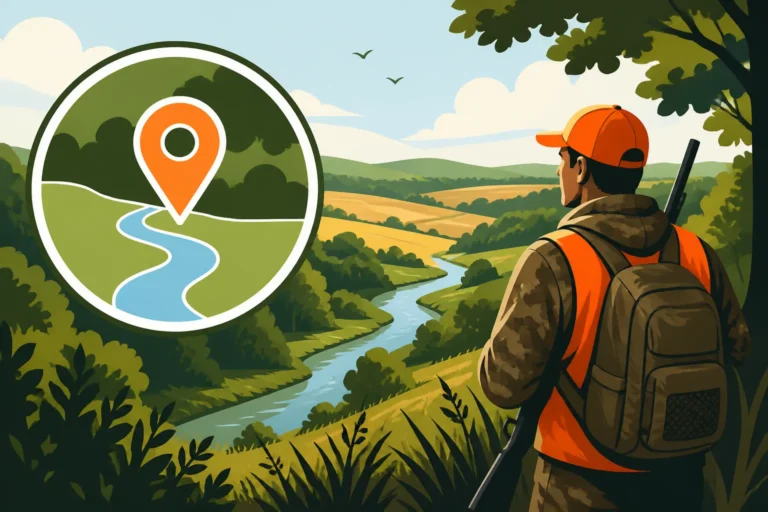
- onX Hunt: Many hunters swear by mapping apps like onX Hunt for their detailed public and private land layers. You can use onX Hunt to layer satellite imagery, showing you exactly where those brushy draws, timber edges, and CRP fields are located. You can mark potential covey locations, track your walking routes, and navigate precisely, ensuring you stay on public ground. This is incredibly helpful when you're scouting from home or trying to remember a promising spot you saw months ago.
- Iowa DNR Hunter Atlas: The Iowa Department of Natural Resources also provides a fantastic online tool, the Using the Iowa Hunting Atlas. This resource is specifically designed for public land hunters, detailing wildlife management areas, state forests, and Iowa's Habitat and Access Program Explained (IHAP) tracts. IHAP lands are private lands open to public hunting through an agreement, and they often contain excellent quail cover that might otherwise be inaccessible.
- GoHunt: While often associated with big game draws, don't overlook broader hunting platforms like GoHunt for their general information on game species trends or state-specific news that might clue you into overall quail conditions for the year. Keeping an eye on these broader reports can help you decide which general regions of Iowa might be more productive for quail hunting.
Using these tools, you can identify various public hunting areas, analyze the habitat within them, and even pinpoint potential parking areas or access points that minimize disturbance.
Scouting and Boots-on-the-Ground Research
No matter how good your maps are, there's no substitute for getting out and putting boots on the ground, especially during the off-season.
- Off-Season Exploration: Walk public lands in late summer or early fall, before the season opens. The vegetation will be dense, but you'll get a real feel for the terrain, the density of the cover, and those crucial transitions. You might even kick up a few coveys and mark their locations for later.
- Look for Sign: Look for the physical evidence of quail. Dusting bowls, scattered feathers, or droppings near favored roosting cover can confirm your suspicions from the map.
- Talk to Locals (Respectfully): If you can, chat with local farmers, landowners, or even DNR personnel. They often have invaluable insights into local quail populations and specific areas that consistently hold birds. However, always be respectful of their time and knowledge, and don't expect them to reveal secret honey holes.
- Leverage County Conservation Areas: Don't forget about Iowa County Conservation Board Hunting Rules and areas. Many county parks and wildlife areas offer hunting opportunities and can sometimes hold surprising numbers of quail, especially those with good mixed habitat. They might not be as vast as state WMAs, but their smaller size can make them easier to thoroughly scout and hunt.
By combining detailed map reconnaissance with diligent field scouting, you’ll start to see patterns emerge, learn to read the landscape like a book, and dramatically increase your chances of finding those elusive Iowa public land quail.
| Cover Type | Key Characteristics | Why Quail Love It | Hunting Strategy Focus |
|---|---|---|---|
| CRP Grasslands | Tall, dense native grasses, often with some broadleaf weeds. | Roosting, nesting, insect foraging. Weedy areas provide seeds. | Work edges, look for brushy inclusions. Methodical walks with pauses. |
| Brushy Draws/Fencerows | Thickets of multiflora rose, plum, cedar, briars. | Predator escape, thermal cover, movement corridors, food (berries, seeds). | Systematically push through dense sections, especially at junctions or where they meet other cover. |
| Timber Edges/Openings | Transition zone where woods meet fields, open clearings within timber. | Food from fields, overhead cover, escape routes. Brushy understory. | Walk parallel to the edge, focusing on the first 10-20 yards inside the timber. Check sunny clearings. |
| Waste Areas/Field Corners | Unfarmed, weedy patches within or bordering crop fields. | Abundant weed seeds (food), dense low cover. | Target these isolated pockets. Often overlooked by hunters focused on larger tracts. |
| Old Farmsteads | Abandoned buildings, overgrown orchards, old fencelines. | Diverse cover, old food sources (fruit), structure for roosting. | Thoroughly search all remaining structures, dense brush piles, and hedgerows. |
Disclaimer
This article is for general informational purposes only and does not constitute professional advice. Laws, prices and regulations vary by location and change over time. Consult a qualified professional for guidance on your specific situation.