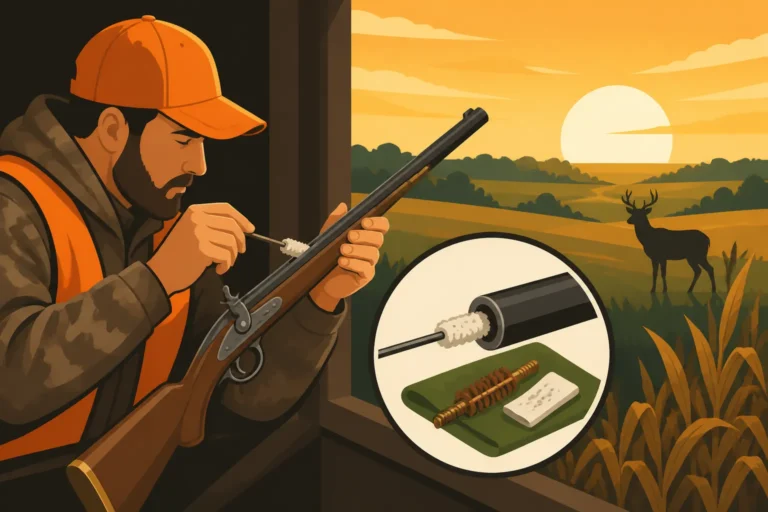
Muzzleloaders for Iowa’s Two Seasons
Navigating Iowa's deer hunting seasons can feel like a complex puzzle, especially when it comes to understanding the specific equipment allowed and the opportunities each season presents. For those eyeing the unique challenge and extended time afield that muzzleloader hunting offers, the rules, gear, and tactics can seem a little murky. This comprehensive guide is designed to cut through that confusion, giving you a clear roadmap to successfully hunting Iowa's whitetails with a muzzleloader during its dedicated seasons.
Understanding Iowa's Muzzleloader Seasons
Iowa offers specific windows for muzzleloader enthusiasts, providing distinct experiences that cater to different hunting styles and weather preferences. It’s crucial to understand these seasons to plan your hunt effectively and maximize your chances of success. Each season has its own character, from the relatively mild temperatures of early fall to the biting cold of deep winter.
Early Muzzleloader Season: A Bowhunter's Paradise with a Twist
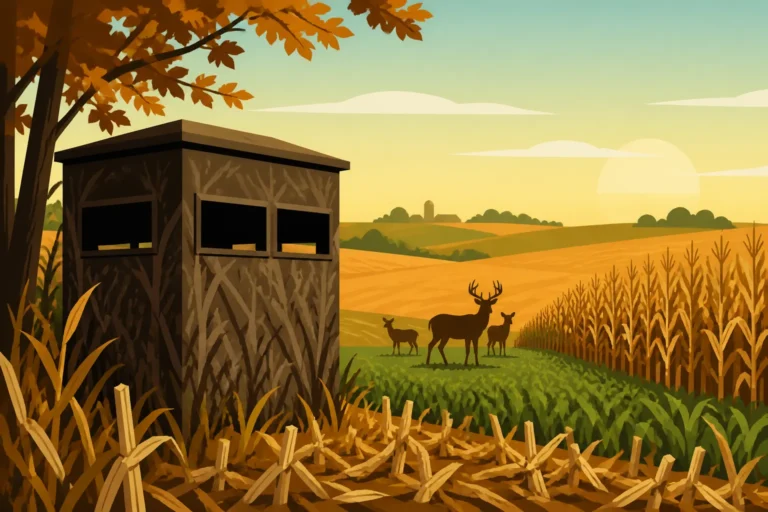
The Early Muzzleloader Season in Iowa often runs concurrently with a portion of the archery season, typically in late October. This timing presents a unique opportunity, as deer are often still in their early rut phases, and breeding activity is just beginning to pick up. You might encounter bucks starting to cruise for does, rub lines becoming more defined, and scrapes getting fresh attention. The foliage is usually past its peak but still provides ample cover, making visibility a blend of challenge and opportunity.
This season is often perceived as a bit of a hybrid, falling after the initial archery rush but before the full-on chaos of the shotgun seasons. For many, it offers a quieter, more traditional hunting experience. The weather can be a mixed bag; you might have warm, sunny days where thermals play a significant role, or crisp, cool mornings that get deer on their feet. Dressing in layers is key, as conditions can change rapidly throughout the day. Hunters participating in this season often share the woods with bowhunters, so understanding deer movement patterns in response to that pressure is important. You'll want to focus on early season patterns: food-to-bedding routes, water sources, and pinch points between cover and agricultural fields.
Late Muzzleloader Season: The Deep Winter Grind
Fast forward to mid-December, and you enter Iowa's Late Muzzleloader Season. This is a completely different ball game. The landscape is typically stark, often covered in snow, and temperatures can plummet well below freezing. The deer herd has already endured the pressure of the archery and shotgun seasons, meaning they're often more nocturnal and wary. Survival instincts kick in, and deer become hyper-focused on securing calories and finding thermal cover.
This season is physically demanding, testing both hunter and gear against the elements. Success in the late season hinges almost entirely on finding and hunting primary food sources. Standing corn, picked bean fields with residual beans, rye plots, or even late-season brassicas can be absolute magnets for deer trying to pack on weight for the leanest months. Thermal cover, such as thick cedar thickets, south-facing slopes, or dense evergreen stands, becomes equally important. Deer will bed in these areas during the day to conserve energy, only moving to feed during low-light hours or during cold snaps. Hunting the late season requires patience, meticulous scouting, and a strong will to brave the cold. Understanding Late Muzzleloader Food Source Hunting is critical for this time of year.
Muzzleloaders During Other Iowa Seasons
It's a common question: can you use your muzzleloader during other Iowa deer seasons? Generally, muzzleloaders are specifically designated for their own distinct seasons. While modern inline muzzleloaders blur the line between traditional and contemporary firearms, Iowa's regulations usually keep them separate. For instance, you typically cannot use a muzzleloader during the regular shotgun seasons unless it falls under the "straight-wall cartridge rifle" regulations (if applicable to your specific firearm configuration and the season).
Similarly, while the early muzzleloader season does overlap with archery, it's not a free-for-all. You must possess the appropriate muzzleloader tag and adhere to all muzzleloader-specific rules, even if bowhunters are sharing the woods. It's never safe to assume. Always double-check the current Iowa hunting regulations booklet published by the DNR each year to confirm which weapons are legal for which specific season and tag type. The rules are clear, but misinterpretations can lead to serious consequences. Make sure your chosen firearm and its ammunition conform to the exact definitions for the season you are hunting.
Iowa's Muzzleloader Regulations: What's Legal and What's Not
Iowa has specific rules governing what constitutes a legal muzzleloader for deer hunting. These regulations are designed to ensure fair chase, promote safety, and maintain the traditional nature of muzzleloader hunting while acknowledging modern advancements. Before you even think about stepping into the timber, you need to be absolutely certain your setup complies.
Projectile and Caliber Requirements
When it comes to projectiles, Iowa's regulations are pretty straightforward: you must use a single projectile. This means no buckshot or multiple projectiles from your muzzleloader. The intent is to ensure a clean, ethical kill with a single shot, similar to a rifle. The caliber requirements are also specific, usually requiring a minimum bore diameter. While exact numbers can fluctuate over time and should always be verified in the current regulations, generally, you're looking at a minimum bore of .44 caliber. This ensures sufficient energy and bullet mass for taking a deer ethically.
Many hunters opt for larger calibers like .50 or even .54 caliber for Iowa whitetails, appreciating the increased knockdown power and larger wound channel. The projectile itself can be a lead round ball, a conical bullet, or a sabot holding a smaller caliber bullet. Sabots, which are plastic sleeves that allow a smaller, typically jacketed, bullet to be fired through a larger bore, are incredibly popular for their accuracy and terminal performance. However, always confirm that your chosen projectile type and its accompanying sabot (if used) meet the "single projectile" rule and any specific material restrictions, though these are less common with muzzleloaders than other firearms. Understanding Iowa Muzzleloader Projectile Rules is a must.
Ignition Systems and Powder Types
Iowa's regulations typically allow both traditional cap-and-ball muzzleloaders and modern inline designs. For traditionalists, this means flintlock or percussion cap systems are perfectly legal. These classic firearms require loose black powder or suitable black powder substitutes, loaded carefully down the barrel, followed by a patched round ball or conical bullet. The ignition relies on a spark from flint striking steel, or a percussion cap being struck by the hammer, sending a flash of flame through the nipple to ignite the main charge.
Modern inline muzzleloaders are far more common today due to their ease of use, increased accuracy, and reliability, especially in less-than-ideal weather. These use a 209 shotgun primer, which is robust and provides a very hot, reliable ignition. The powder for inline muzzleloaders is often a black powder substitute, such as pellets or granular powder. Pellets are particularly convenient, as they offer pre-measured charges, simplifying the loading process and ensuring consistent performance. Whether you choose loose powder or pellets, consistency is key to accuracy. Ensure your powder is fresh and stored correctly, as moisture can significantly degrade performance and reliability.
Optics and Sights: Clarity in the Field
Here's an area where regulations often differ between muzzleloader seasons and even between states. In Iowa, for the dedicated muzzleloader seasons, hunters are typically allowed to use scopes. This is a significant advantage, especially for older hunters or those who struggle with open sights in low light conditions or at longer ranges. The ability to mount a magnified optic greatly enhances accuracy and ethical shot placement.
While scopes are permitted, there usually aren't specific restrictions on magnification levels, though extremely high-power scopes might be overkill for typical muzzleloader ranges. Many hunters prefer a fixed power scope, like a 2.5x or 3x, or a low-power variable, such as a 1-4x or 2-7x, which offers a wide field of view for quick target acquisition in dense cover while still providing enough magnification for shots out to 100-150 yards. You'll want a scope that's durable, waterproof, and has good light-gathering capabilities for those critical early morning and late evening hunts. Brightness and clarity are far more important than extreme magnification with a muzzleloader. Always check Muzzleloader Scopes and Iowa Rules before you head to the field, as rules can occasionally be tweaked.
Choosing the Right Muzzleloader for Iowa Conditions
Selecting the right muzzleloader isn't just about meeting legal requirements; it's about finding a firearm that performs reliably in Iowa's diverse hunting conditions, fits your personal hunting style, and inspires confidence in the field. From modern inline marvels to classic traditional designs, each has its advantages and considerations.
Inline Muzzleloaders: Modern Performance for Iowa Deer
Inline muzzleloaders have revolutionized the sport, making it accessible and effective for many hunters. Their design, where the primer, powder, and projectile are all "inline" with the barrel, promotes excellent accuracy and consistent ignition. These firearms often feature rifled barrels, allowing them to stabilize saboted bullets and achieve precision comparable to many centerfire rifles out to 150 yards or even further with practice.
Pros of Inline Muzzleloaders:
- Accuracy: Generally superior to traditional designs, especially with modern projectiles and optics.
- Reliability: 209 primers are highly resistant to moisture, leading to fewer misfires in damp or snowy conditions.
- Ease of Use: Simpler loading process, easier to clean (often with removable breech plugs), and familiar firearm controls.
- Weather Resistance: Many models feature synthetic stocks and stainless steel barrels, making them robust performers in Iowa's often harsh weather.
Cons of Inline Muzzleloaders:
- Cost: Can be more expensive than basic traditional models.
- Aesthetic: May lack the classic appeal of a traditional muzzleloader for some purists.
- Weight: Some models can be heavier, especially with larger scopes.
Popular inline models from brands like Thompson/Center (T/C), Traditions, CVA, and Savage are excellent choices for Iowa. They offer a range of features, from advanced trigger systems to quick-detach breech plugs, all designed to enhance your hunting experience. If you prioritize accuracy, reliability, and ease of use in all weather, an inline muzzleloader is likely your best bet for Iowa.
Traditional Muzzleloaders: Embracing the Challenge
For hunters who appreciate history, a greater challenge, and a deeper connection to the hunting heritage, a traditional muzzleloader is a compelling choice. These can be flintlocks or percussion cap rifles, typically firing a patched round ball or a pure lead conical bullet. Hunting with a traditional muzzleloader requires a different mindset and a higher degree of skill and attention to detail.
Pros of Traditional Muzzleloaders:
- Heritage: Offers a truly authentic, historical hunting experience.
- Simplicity: Fewer moving parts, making them easy to understand and troubleshoot in the field (once you master them).
- Lightweight: Often lighter and more slender than modern inlines, making them easy to carry.
- Quiet: The "clack" of a flintlock or the "snap" of a cap can be less jarring than a 209 primer, sometimes leading to less deer reaction noise.
Cons of Traditional Muzzleloaders:
- Weather Sensitivity: Flintlocks are particularly susceptible to moisture, and even percussion caps can be less reliable than 209 primers in heavy rain or snow.
- Accuracy: Generally less accurate at longer ranges compared to inlines, and consistent accuracy requires meticulous loading techniques.
- Maintenance: Requires more frequent and thorough cleaning, especially after each shot, to maintain performance.
- Learning Curve: Mastering the nuances of flintlock or percussion ignition, powder charges, and patching can take time and practice.
While traditional muzzleloaders are certainly more challenging, the satisfaction of harvesting an Iowa whitetail with one is immense. It forces you to get closer, understand deer behavior more intimately, and truly become a student of your craft. If you choose this path, be prepared for dedicated practice and a commitment to understanding your firearm inside and out.
Muzzleloader Actions and Features to Consider
Beyond the inline versus traditional debate, there are several practical features and actions to consider when selecting a muzzleloader for Iowa:
- Break-Action vs. Bolt-Action: Most inline muzzleloaders are either break-actions (like a shotgun, the barrel pivots open) or bolt-actions (like a rifle, with a reciprocating bolt). Break-actions are generally easier and quicker to load and unload, especially if you need to remove a primer for safety. Bolt-actions can sometimes offer a slightly more rigid platform for accuracy.
- Recoil Pad: Muzzleloaders, especially those firing heavy projectiles and charges, can produce significant recoil. A good recoil pad is a must for comfortable shooting, especially during practice sessions.
- Synthetic vs. Wood Stocks: Synthetic stocks are generally more durable and weather-resistant, making them ideal for the harsh conditions of Iowa's late season. They won't warp or swell with moisture. Wood stocks offer a classic look and feel but require more care to prevent damage from the elements.
- Stainless Steel vs. Blued Barrels: Stainless steel barrels are more resistant to rust and corrosion, a huge advantage in Iowa's humid environment and during snowy or rainy hunts. Blued carbon steel barrels are more traditional but require diligent cleaning and oiling to prevent rust.
- Quick-Detach Breech Plugs: Many modern inline muzzleloaders feature breech plugs that can be removed by hand or with a simple tool. This significantly simplifies cleaning the bore and ignition channel, which is crucial for consistent performance.
When making your choice, think about how you plan to hunt. Will you be primarily treestand hunting in all weather? Mobile hunting on foot? Your chosen firearm should complement your style and stand up to the conditions you expect to face.
| Feature / Type | Inline Muzzleloader | Traditional Muzzleloader |
|---|---|---|
| Ignition System | 209 Primer (most common) | Percussion Cap or Flintlock |
| Accuracy Potential | Excellent (100-200+ yards with practice) | Good (50-100 yards with practice) |
| Weather Resistance | High (especially with 209 primers) | Moderate to Low (flintlocks very sensitive to moisture) |
| Loading Speed | Faster and simpler | Slower, more steps involved |
| Cleaning Ease | Easier (often with removable breech plugs) | More involved, especially after each shot |
| Typical Projectiles | Saboted bullets, conicals | Patched round balls, pure lead conicals |
| Optics Use | Common and recommended | Less common, often open sights for authenticity |
| Recoil | Moderate to Heavy (depending on load) | Moderate to Heavy |
| Price Range | Moderate to High | Low to Moderate (kits) / High (custom made) |
| Hunting Style Fit | Modern hunter seeking reliability & extended range | Traditionalist seeking challenge & historical experience |
Essential Muzzleloader Ammunition and Components
Once you've chosen your muzzleloader, understanding and selecting the right ammunition and components is paramount. Unlike modern cartridges where you buy a complete round, muzzleloader hunting involves selecting individual elements – projectile, powder, and primer – and putting them together correctly. This process offers a degree of customization but also demands precision and attention to detail.
Projectile Selection: Accuracy and Knockdown Power
The projectile is the business end of your muzzleloader, and choosing the right one directly impacts accuracy and terminal performance. There are several categories, each with its own advantages:
- Saboted Bullets: These are among the most popular choices for inline muzzleloaders. A sabot is a plastic cup that encases a smaller-diameter, typically jacketed, bullet (like those used in centerfire rifles). The sabot engages the rifling, and once the bullet leaves the muzzle, the sabot falls away, allowing the bullet to fly true. This system allows for aerodynamic, accurate bullets that perform exceptionally well on deer. Weights typically range from 200 to 300 grains.
- Full Bore Conical Bullets: These are solid lead bullets designed to fit snugly down the bore without a sabot, relying on their soft lead construction to engage the rifling. They are popular in both traditional and inline muzzleloaders, especially in larger calibers. They deliver excellent energy transfer due to their heavy weight (often 300-500 grains) and large diameter. However, their ballistic coefficient isn't as high as saboted bullets, limiting their effective range.
- Patched Round Balls: The classic choice for traditional muzzleloaders, these are pure lead spheres wrapped in a lubricated cloth patch. The patch engages the rifling, giving the ball spin. While incredibly accurate at close ranges (under 75 yards), their light weight and poor aerodynamics mean they lose energy quickly and aren't suited for longer shots on deer.
When selecting your projectile, prioritize accuracy from your specific muzzleloader first and foremost. Then, consider the weight and construction. For Iowa deer, you want a bullet that expands reliably without fragmenting excessively, ensuring a quick, humane harvest. Most hunters aim for bullet weights in the 250-300 grain range for saboted or conical bullets to provide ample knockdown power for mature whitetails.
Powder and Primers: Consistent Performance
The powder charge and primer are the heart of your muzzleloader's performance, providing the propulsion and ignition. Consistency here is key to consistent accuracy and reliability.
- Black Powder Substitutes: While true black powder is still used, most modern inline muzzleloader hunters opt for synthetic black powder substitutes like Pyrodex, Triple Seven, or Blackhorn 209. These powders are less corrosive, produce less fouling, and are often more consistent in performance. They come in both granular form and pre-measured pellets. Pellets (typically 50-grain increments) are very convenient, eliminating the need for a powder measure, but they can be more expensive. Granular powder offers more flexibility in fine-tuning charges but requires careful measurement. Always follow the manufacturer's recommendations for maximum loads and never exceed them.
- Primers: For inline muzzleloaders, the 209 shotgun primer is the industry standard. These primers are hot, reliable, and more resistant to moisture than traditional caps. For traditional percussion muzzleloaders, various sizes of percussion caps (e.g., #10, #11) are used. Flintlocks, of course, use a flint and pan primer. The consistency of your ignition system is paramount for reliability, especially in cold or damp conditions. Make sure your primers are fresh and stored in a dry environment.
Loading and Cleaning Supplies
A muzzleloader hunter's kit isn't complete without a comprehensive set of loading and cleaning tools. These are not optional; they are essential for safe, accurate, and reliable shooting:
- Ramrod: Your muzzleloader will come with one, but a sturdy, full-length aftermarket ramrod (often made of brass or carbon fiber) is highly recommended. It provides better leverage and prevents bending, which can damage your barrel. A T-handle attachment for your ramrod makes seating bullets much easier.
- Bullet Starter: This short, handheld tool helps get your bullet started straight into the muzzle and past the initial rifling, preventing damage to the bullet or sabot.
- Breech Plug Wrench: Essential for removing the breech plug for thorough cleaning.
- Cleaning Jags, Patches, and Brushes: Specific to muzzleloader calibers, these are used for scrubbing the bore.
- Muzzleloader-Specific Solvents and Lubricants: Standard gun cleaning solvents often aren't effective on black powder fouling. You'll need specialized solvents designed to cut through carbon and powder residue. A good muzzleloader lubricant or bore butter is also crucial for preventing rust and aiding in the loading process for patched round balls or conicals.
- Capping Tool/Decapping Tool: If you're using percussion caps, a capper makes applying them easier and safer. A decapping tool helps remove spent primers/caps.
- Speed Loaders: These pre-assembled tubes hold a powder charge and a projectile, allowing for quick reloading in the field. They are incredibly useful for follow-up shots or for simply carrying extra loads.
Having all these components and understanding how to use them safely and effectively is just as important as the muzzleloader itself. Prepare your kit well in advance of the season, and make sure everything is clean and in working order.
Mastering Muzzleloader Accuracy and Maintenance
A muzzleloader is only as good as the shooter and the care it receives. Achieving consistent accuracy and ensuring reliable function in the field requires dedicated practice, proper sighting-in techniques, and diligent maintenance, especially given Iowa's varied weather.
Sighting In Your Muzzleloader for Iowa Ranges
Unlike modern centerfire rifles with flatter trajectories, muzzleloaders have a more pronounced arch in their bullet flight. This means understanding your rifle's ballistic performance at various ranges is critical. Most muzzleloader shots on deer occur within 100-150 yards, so focusing your zero within this range is practical.
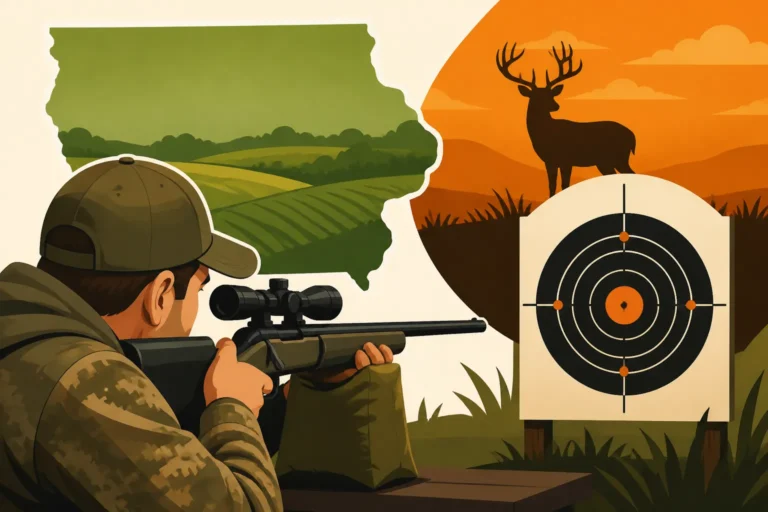
- Start Close: Begin your sighting-in process at a close range, typically 25 yards. This ensures your shots are on paper and helps you get a feel for the recoil and loading process without wasting precious components. Adjust your scope or sights until you're consistently hitting the bullseye.
- Move to Your Primary Zero: For most muzzleloaders and popular projectile/powder combinations, a 100-yard zero is a good starting point. This will typically give you a slightly high impact at 50 yards and a manageable drop at 125-150 yards. Shoot groups of three to five shots, loading precisely the same way each time. Consistency is key.
- Confirm at Extended Ranges: Once zeroed at 100 yards, practice at 125 and 150 yards to learn your bullet's drop. Some hunters prefer to use a ballistic app or range card to calculate holdovers or dial adjustments for different distances. Knowing where your bullet will hit at these extended ranges can be the difference between a clean kill and a missed opportunity.
- Practice Different Loads: If you plan to experiment with different projectiles or powder charges, you must sight in with each new load. Even minor changes can drastically alter your point of impact.
- Simulate Hunting Conditions: If you hunt from a treestand, practice shooting from a similar elevated position. If you use shooting sticks, practice with them. The more you simulate actual hunting scenarios, the better prepared you'll be.
Remember, a clean bore means a consistent first shot. After a few shots, fouling will build up. Some hunters will clean their barrel every shot during the sighting-in process to get the absolute best groups, while others will shoot two or three before swabbing to find their "hunting zero" where the barrel is slightly fouled as it might be in the field after one or two shots. The key is to know your rifle.
Keeping Your Muzzleloader Dry and Functioning in Inclement Weather
Iowa weather can be unpredictable, especially during the Early Muzzleloader season's transition from fall to winter, and certainly during the deep cold of the Iowa Late Muzzleloader Season. Moisture is the bane of any muzzleloader, particularly the ignition system.
- Protect the Muzzle: A piece of electrical tape or a small balloon stretched over the muzzle will prevent rain, snow, or debris from entering the barrel. Just be sure to remove it before firing!
- Cover the Lock/Breech: Many inline muzzleloaders come with a breech cover or hammer shroud. Use it. For traditional percussion guns, a simple piece of leather or rubber over the hammer and nipple can offer protection. Flintlocks require a pan cover to keep powder dry.
- Carry a Spare Primer/Cap: In case of a misfire due to a damp primer, having a fresh one readily available can save your hunt. Store them in a waterproof container.
- Wipe Down Regularly: After a rainy or snowy sit, wipe down all metal surfaces with an oiled cloth to prevent rust. Pay special attention to the breech and firing pin area.
- Check Your Breech Plug: Ensure your breech plug is clean and fully seated. A loose or fouled plug can lead to inconsistent ignition or even a hangfire.
For detailed advice on battling the elements, check out Keeping a Muzzleloader Dry in December.
Thorough Cleaning and Storage Between Hunts
Muzzleloaders are notoriously dirty firearms, especially when using black powder or its substitutes. Neglecting cleaning will lead to corrosion, decreased accuracy, and eventually, a non-functional rifle.
- After Every Hunt/Shooting Session: A full breakdown and cleaning are essential. Remove the breech plug, clean the bore thoroughly with specialized muzzleloader solvent, and scrub the breech plug itself. Use a bore light to inspect the barrel for any remaining fouling or pitting.
- Use the Right Solvents: Black powder and its substitutes leave a unique, highly corrosive residue. Standard gun solvents are often ineffective. Invest in specific muzzleloader cleaning solutions.
- Lubricate and Protect: Once clean, lightly oil all metal parts, inside and out, with a rust-preventative gun oil. Apply a thin layer of bore butter or similar preservative to the bore if storing for an extended period.
- Store Properly: Store your muzzleloader in a dry, temperature-stable environment. A gun safe or cabinet is ideal. Avoid storing it in a padded case for long periods, as these can trap moisture and promote rust.
Diligent cleaning isn't just about preserving your firearm; it's about ensuring it performs flawlessly when that trophy buck steps into range. A well-maintained muzzleloader is a reliable muzzleloader.
Tactics for Muzzleloader Hunting in Iowa
Muzzleloader hunting in Iowa is a blend of traditional challenge and modern technology. While the weapon itself has specific considerations, the fundamental principles of deer hunting remain constant: understanding deer behavior, effective scouting, and strategic stand placement. The unique timing of Iowa's muzzleloader seasons dictates slightly different approaches compared to archery or shotgun seasons.
Scouting and Stand Placement for Muzzleloader Seasons
The timing of Iowa's muzzleloader seasons means you'll be hunting deer at different stages of their annual cycle, each requiring specific scouting strategies.
Early Muzzleloader Season (Late October):
This season often catches the tail end of the pre-rut and the very beginning of the primary rut. Bucks are becoming more active, checking scrapes, rubbing trees, and starting to cruise for does.
- Focus on Funnels and Pinch Points: Deer movement between bedding and feeding areas will still be strong, but bucks will also be checking historical travel corridors. Look for saddles, narrow timber points, and fence crossings that funnel deer. Saddles and Benches Deer Cross Daily are often hot spots.
- Scrapes and Rub Lines: Freshly worked scrapes and rub lines indicate active buck sign. Set up downwind of these areas, particularly near bedding cover or along transition lines.
- Food Sources: While bucks are rut-focused, does still need to eat. Set up near soybean stubble, standing corn, or alfalfa fields where does congregate. Bucks will eventually cruise these areas looking for receptive does.
- Wind and Thermals: Pay close attention to wind direction and thermals, especially in the mornings and evenings. With limited shots, you can't afford to be winded.
Late Muzzleloader Season (Mid-December):
By this time, the rut is over, and deer are focused almost exclusively on survival. Food and thermal cover are king.
- Primary Food Sources: This is where you'll find the deer. Actively scout for standing corn, picked bean fields with dropped beans, winter food plots (brassicas, rye, winter wheat), and browse in timber cuts. Deer will hit these religiously, especially during cold snaps. Late-Season Food Source Hunting in Iowa is a dedicated strategy for this.
- Thermal Cover: Look for dense cedar thickets, thick multiflora rose patches, south-facing slopes that catch sunlight, or mature evergreen stands. Deer will bed in these areas to escape the cold and wind. Set up stands on the downwind edge of these bedding areas, intercepting deer as they move to food sources.
- Snow Advantage: Fresh snow can be your best friend. It reveals fresh tracks, showing you exactly where deer are moving and feeding. It also quiets the woods, making it easier to sneak into a stand.
- Mid-Day Movement: Unlike early season, late season deer often move more during mid-day, especially if temperatures are brutally cold. They'll wait for the warmest part of the day to feed or travel. Be prepared for an all-day sit.
Whether early or late, using digital mapping tools like GoHunt (mentioned for relevant scouting data) can provide invaluable insights into topography, food sources, and bedding areas before you ever set foot in the woods. E-Scouting Iowa Farm Country From Home lets you put together a solid plan before you ever enter the field.
Capitalizing on Weather Patterns and Deer Movement
Weather is a huge driver of deer movement in Iowa, and knowing how to interpret it for your muzzleloader hunt can make all the difference.
- Cold Fronts: A significant drop in temperature, especially after a period of mild weather, will often get deer on their feet, particularly during the late season. They know they need to feed heavily to build up energy reserves. Hunt hard on the leading and trailing edges of cold fronts.
- Snow: Light snow can improve visibility, quiet the woods, and highlight fresh tracks. Heavy snowfall can initially cause deer to hunker down, but as soon as it breaks, they'll be up and feeding aggressively.
- Wind Direction: Always hunt with the wind in your favor. A muzzleloader gives you only one good shot opportunity, so you cannot afford to be detected by scent. In hilly or river bottom country, pay attention to how thermals shift throughout the day, rising in the morning and falling in the evening. Wind and Thermals in River Breaks talks more about this.
- Barometric Pressure: A rising or stable high-pressure system generally correlates with increased deer activity, especially following a low-pressure front. Pay attention to weather forecasts and plan your hunts accordingly.
Shot Placement and Ethical Considerations with a Muzzleloader
A muzzleloader provides one shot. Make it count. Because of the limited range and slower velocity compared to modern rifles, shot placement is even more critical.
- Effective Range: Know your personal and your muzzleloader's effective range. For most hunters, this is 100-150 yards. Resist the temptation to take a shot beyond your comfortable ethical range. Practice at these distances so you are confident.
- Broadside or Quartering Away: The ideal shot is a broadside lung shot, aiming for the "crease" behind the shoulder. A slightly quartering-away shot can also be effective, aiming to exit through the opposite shoulder. Avoid straight-on frontal shots or hard quartering-to shots, as vital organs are more protected, and bullet penetration can be unpredictable.
- Wait for the Right Opportunity: Patience is paramount. Wait for the deer to offer a clear, unobstructed shot at a calm animal. Don't rush. One of the greatest challenges of muzzleloader hunting is remaining composed when a trophy animal presents itself.
- Tracking: After the shot, give the deer ample time before tracking. Even a well-hit deer may run a distance. Wait at least 30 minutes for a suspected lung shot, and an hour or more for a questionable hit or if the deer was hit further back. Use your binoculars to watch and listen for the deer's reaction and direction of travel. Then, begin tracking slowly and methodically.
Ethical hunting means making every effort to ensure a quick, humane kill and a successful recovery. Your muzzleloader's limitations demand a disciplined approach to shot selection.
Planning Your Iowa Muzzleloader Hunt
Planning an Iowa muzzleloader hunt, especially for nonresidents, involves understanding application processes, tag availability, and how to use modern tools to your advantage. It's not just about the gear and tactics; it's about navigating the system.
Licencing, Permits, and Application Processes
Iowa has some of the most sought-after deer hunting in the country, and for good reason. Nonresident deer tags, including those for muzzleloader seasons, are allocated through a draw system that uses preference points.
- Nonresident Deer Draw: To hunt deer in Iowa as a nonresident, you'll need to apply for a deer hunting license. The process is competitive, and you'll typically need to accumulate preference points over several years to draw a tag in a desirable zone. Iowa Nonresident Deer Draw Explained details this system.
- Application Window: The application window for nonresident deer tags typically runs from May into June. Missing this window means you'll have to wait another year. It's crucial to mark your calendar and apply on time through the Iowa DNR's licensing system. Iowa Deer Application Dates in May and June is when you need to be ready.
- Preference Points: If you don't draw a tag in a given year, you can purchase a preference point. These points accumulate and increase your odds in subsequent draws. However, once you draw a tag, your preference points reset to zero for that species. Understanding how to apply and manage these points is vital for long-term success.
- Muzzleloader Season Specifics: When applying, you'll select your preferred season, which would be either the Iowa Early Muzzleloader Season or Iowa Late Muzzleloader Season, and your desired hunting zone. Researching draw odds for different zones and seasons is a smart move.
- Base License and Habitat Fee: In addition to your deer tag, you'll also need to purchase a nonresident hunting license and an Iowa habitat fee. These are typically required for any hunting activity in the state. Iowa Deer Licence and Tag Costs can give you an idea of the financial commitment.
Navigating the application process can feel daunting, but the Iowa DNR website and resources from organizations like GoHunt offer detailed instructions and historical draw data. Carefully reviewing all requirements and deadlines is essential to avoid disappointment. How to Apply for an Iowa Nonresident Deer Licence provides a step-by-step guide.
Utilizing Digital Tools for Scouting and Navigation
Modern technology has transformed how we scout and navigate hunting land. For Iowa muzzleloader hunting, these tools are invaluable.
- Mapping Apps: Apps like GoHunt, OnX Hunt, and BaseMap are indispensable. They provide detailed aerial imagery, topographical maps, property lines (crucial for private/public land boundaries), public land boundaries, and even historical weather data. You can mark waypoints for stand locations, bedding areas, food sources, and trail camera spots.
- Offline Maps: Always download maps for your hunting area for offline use. Cell service can be spotty or non-existent in many remote hunting areas.
- GPS Devices: While phone apps are powerful, a dedicated handheld GPS device can be a reliable backup, often with better battery life and ruggedness in harsh conditions.
- Trail Cameras: Trail cameras are legal on Iowa public land (with specific rules about leaving them overnight), and they are essential for understanding deer movement patterns, identifying specific bucks, and pinpointing times of activity. Place them on trails, pinch points, and near food sources. Remember to check local regulations for trail camera usage.
- Weather Apps: Reliable weather apps are crucial for monitoring wind direction, temperature, precipitation, and barometric pressure. These factors directly influence deer movement and your hunting strategy.
Using these tools effectively can save you countless hours of unproductive scouting and help you make more informed decisions in the field. E-Scouting Iowa Farm Country From Home is a great resource for learning how to maximize your digital scouting efforts.
Public Land vs. Private Land Muzzleloader Opportunities
Iowa offers hunting opportunities on both public and private land, and your approach will differ significantly depending on where you plan to hunt.
Public Land:
Iowa has a decent amount of public hunting land, including Wildlife Management Areas (WMAs), State Forests, and lands managed by County Conservation Boards. These areas offer open access to hunters but also come with challenges.
- Increased Pressure: Public lands, especially during popular seasons, can see significant hunting pressure. This often pushes deer into thicker, harder-to-reach cover and can make them more nocturnal. Hunting Pressure Patterns on Iowa Public Land is something to be aware of.
- Remote Access: Some of the best public land spots require long walks or difficult access, which can deter other hunters. These are often the areas where you'll find less pressured deer.
- Diverse Habitats: Iowa's public lands offer a variety of habitats, from dense timber to marshy wetlands, providing opportunities for different hunting styles. Public Hunting Land in Iowa gives an overview of options.
- IHAP Program: Iowa's Habitat and Access Program (IHAP) provides public walk-in access to private lands. These tracts are often smaller but can offer excellent hunting with less pressure than larger WMAs. Look for the yellow IHAP signs. Iowa's Habitat and Access Program Explained details this valuable resource.
Private Land:
A significant portion of Iowa's best deer habitat is on private land. Gaining access can lead to incredible hunting experiences but requires effort and respect.
- Permission is Key: The most common way to hunt private land is by asking landowners for permission. Be respectful, offer to help with chores, and always follow up with a thank-you. A good relationship with a landowner can lead to years of hunting access. Finding Private Land Access in Iowa offers tips.
- Leasing: For nonresidents or those seeking guaranteed access, leasing hunting rights is an option, though it can be expensive and competitive.
- Reduced Pressure: Private land, especially if managed well, can offer less hunting pressure and more consistent deer patterns. This often leads to higher success rates and opportunities for mature animals.
- CWD Considerations: Regardless of public or private, be aware of Chronic Wasting Disease (CWD) regulations, including carcass transport restrictions and mandatory testing in certain counties.
Whether you choose public or private, thorough scouting, respect for the land, and adherence to all regulations are the keys to a successful Iowa muzzleloader hunt.
Troubleshooting Common Muzzleloader Issues in the Field
Even with the most reliable muzzleloader and meticulous preparation, issues can arise in the field. Knowing how to diagnose and safely resolve common problems can save your hunt and prevent dangerous situations.
Dealing with Misfires and Hangfires
A misfire or hangfire is one of the most frustrating experiences in muzzleloader hunting, especially when a deer is standing right in front of you.
- Misfire: This occurs when the primer fires, but the main powder charge does not ignite. You'll hear a "click" or a weak "pop" from the primer, but no shot.
- Causes: Most often due to a fouled or obstructed breech plug/nipple, damp powder, an improperly seated primer/cap, or a weak hammer strike.
- Remedies:
- Keep the gun pointed in a safe direction.
- Wait at least 30-60 seconds. Sometimes, it's a hangfire (a delayed ignition).
- Ensure the safety is on.
- Try recocking the hammer and striking again (if legal and safe to do so for your model).
- If still nothing, carefully remove the primer/cap and inspect the breech plug/nipple. Is it clear? Is there any moisture? Replace with a fresh, dry primer/cap and try again.
- If all else fails, you'll need to unload the rifle safely, typically by removing the breech plug and pushing the bullet out from the breach end. This often requires tools and is best done at home or camp.
- Hangfire: This is a delayed ignition, where the primer fires, but the main charge takes a perceptible moment to ignite. It's dangerous because you might instinctively lower the gun, only for it to fire unexpectedly.
- Causes: Usually due to damp powder or an obstructed flash channel in the breech plug, leading to slower ignition.
- Remedies: The same as a misfire, most importantly, keep the muzzle pointed in a safe direction for a full minute after the initial click. This is a critical safety rule for any muzzleloader.
The best defense against misfires and hangfires is meticulous cleaning of the breech plug and flash channel, keeping powder dry, and using fresh, reliable primers/caps.
Clearing a Stuck Projectile or Fouled Bore
A stuck projectile or a severely fouled bore can render your muzzleloader unusable and be a safety concern.
- Stuck Projectile (during loading): If a projectile becomes difficult to seat or gets stuck halfway down the barrel during loading:
- Prevention: Use a bullet starter to get the projectile straight. Ensure your bore is clean and lubricated. Don't force a projectile that's too tight.
- Remedy: If it's truly stuck and won't move with firm, steady pressure from your ramrod, do NOT try to fire it. You'll need a specialized tool called a bullet puller (which screws into the bullet) and a ramrod to extract it. This is typically done at home. If you're in the field, it usually means your hunt is over until you can get it fixed.
- Severely Fouled Bore: After multiple shots without cleaning, heavy carbon and powder residue can build up, making loading difficult and accuracy suffer.
- Prevention: Swab the bore with a damp patch between shots if target shooting, or after every few shots during hunting. This is less practical in the field but helps significantly.
- Remedy: If you can't load another round due to fouling, your only option is usually a thorough field cleaning with patches and solvent, which may not be feasible on a cold stand. It's better to prevent this with good cleaning habits.
Never force a projectile with excessive force, as it can damage your ramrod, your muzzleloader, or even cause a dangerous condition. When in doubt, seek professional assistance.
Avoiding Common Mistakes: Tips from Experienced Hunters
Even seasoned hunters make mistakes, but many common muzzleloader pitfalls can be avoided with a little foresight.
- Rushing the Shot: With only one shot, patience is paramount. Don't take a marginal shot just because the deer is there. Wait for the perfect, unobstructed opportunity.
- Not Practicing Enough: Muzzleloaders handle differently than other firearms. You need to be intimately familiar with yours – its recoil, its loading process, and its accuracy at various ranges. Practice from different positions (standing, kneeling, from a simulated treestand).
- Neglecting Maintenance: As discussed, muzzleloaders get dirty. Skipping cleaning, especially of the breech plug and flash channel, is a recipe for misfires and rust. Clean your gun thoroughly after every use.
- Ignoring the Weather: Underestimating Iowa's weather can lead to miserable, unproductive, or even dangerous hunts. Dress in layers, use waterproof gear, and protect your muzzleloader from moisture.
- Improper Load Development: Don't just pick any projectile and powder combination. Test different options to find what your specific muzzleloader shoots most accurately. What works for a friend's gun might not work for yours.
- Forgetting Components: It sounds simple, but forgetting primers, powder, or extra projectiles is an easy mistake. Create a checklist and use it before every hunt. A spare ramrod and bullet starter in your pack are also good insurance.
- Not Knowing Your Regulations: Iowa's regulations can change. Always get the latest DNR regulations booklet and read it cover to cover, paying special attention to muzzleloader-specific rules for your chosen season and zone.
By understanding these common issues and taking proactive steps to avoid them, you can significantly increase your enjoyment, safety, and success rate during Iowa's muzzleloader seasons.
Disclaimer
This article is for general informational purposes only and does not constitute professional advice. Laws, prices and regulations vary by location and change over time. Consult a qualified professional for guidance on your specific situation.