Slug Choices for Iowa Shotgun Season
It's incredibly frustrating when you're trying to dial in your shotgun for deer season in Iowa, standing at the range, and you just can't seem to get consistent groups. Every year, it feels like there's a new "best" slug on the market, promising tighter patterns and longer reach, but the reality often falls short of the hype. This guide is here to cut through the noise, offering a deep dive into the types of slugs available, what makes them tick, and how to choose the right ammunition to give you confidence when that Iowa whitetail steps out.
Understanding Iowa's Shotgun Season Regulations
Before we even talk about specific slugs, it's crucial to understand the framework Iowa lays out for shotgun deer hunting. Our state's regulations are designed to keep things safe in a heavily populated agricultural landscape, which means specific rules for projectile types. You can't just grab any old round and head to the timber. Getting this wrong could not only spoil your hunt but also land you in hot water, and nobody wants that. It's about being a responsible and prepared hunter, which starts with knowing the law.
Legal Projectile Types for Deer
Iowa is quite particular about what you can launch downrange at a whitetail during the shotgun seasons. For many years, it was strictly about shotguns, and while that's still largely true, there have been some thoughtful additions to the legal projectile list that can make a big difference for hunters seeking accuracy. Primarily, we're talking about single-projectile slugs. This isn't the time for buckshot or birdshot; those are definitely out. The idea is to have a clean, ethical kill with a heavy projectile that carries sufficient energy to dispatch a deer quickly and humanely. This emphasis on single-projectile slugs means we're looking for ammunition that delivers a solid hit, minimizing the chances of wounding an animal or causing safety issues in open country or dense cover.
Historically, this meant rifled slugs out of smoothbore barrels, but advancements have opened up more precise options. You're looking for something that acts more like a bullet than a scattershot. Beyond shotguns, Iowa has introduced straight-wall cartridge rifles and certain handguns as legal options in recent years, which have their own set of rules regarding caliber and energy. But for the purpose of this discussion, we're zeroing in on slugs for your trusty shotgun. If you're wondering about other options, make sure to check out our guide on Iowa's Legal Deer Hunting Equipment by Season.
Barrel Restrictions and What They Mean for Slugs
The type of barrel you have on your shotgun plays a colossal role in what kind of slug you should be using and, more importantly, what kind of accuracy you can expect. This is where a lot of confusion, and frankly, disappointment, comes into play for hunters. Most traditional shotguns come with a smoothbore barrel, meaning the inside is slick with no rifling. These barrels are designed to shoot patterns of shot, and when you put a slug through them, the slug itself needs to be designed to stabilize its flight.
Enter the "rifled" slug, which paradoxically, isn't rifled by your barrel. Instead, these slugs have external fins or "rifling" on their lead body that are supposed to help them spin and stabilize as they exit a smoothbore barrel. Think of it like a football thrown with a spiral. However, the effectiveness of this external rifling can be highly variable. For years, hunters tolerated the accuracy limitations of smoothbore slug guns because they were the only game in town.
Then came the rifled barrel. This is a barrel specifically designed for slugs, featuring helical grooves inside, much like a rifle barrel. When you combine a rifled barrel with a sabot slug (which we'll discuss next), you get true spin stabilization, and that's where the magic happens for accuracy. The difference in potential accuracy between a smoothbore with rifled slugs and a rifled barrel with sabot slugs is often night and day, especially as shot distances increase. Knowing this distinction is key to setting realistic expectations and choosing the right ammunition for your setup.
The Two Main Types of Deer Slugs
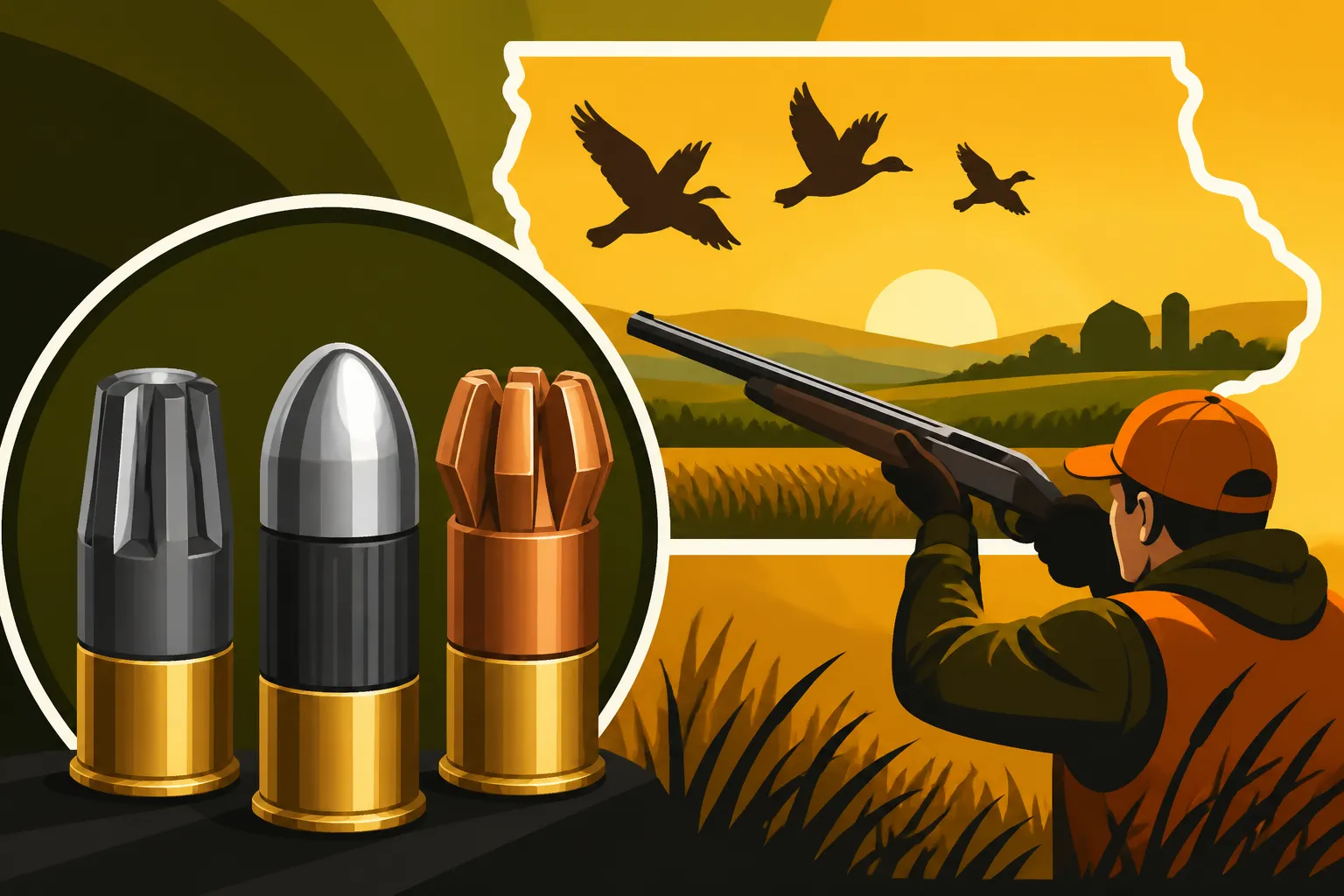
When you walk into an outdoor store or browse online for Iowa deer slugs, you'll primarily encounter two major categories: Foster-style (often just called "rifled slugs") and sabot slugs. While both are designed to take down a whitetail, their construction, intended use, and performance characteristics are vastly different. Understanding these differences isn't just about technical jargon; it's about making an informed decision that could directly impact your success in the field.
Foster-Style Slugs: The Classic Choice
The Foster-style slug is what many of us grew up with, the classic choice for smoothbore shotguns. Invented by Karl M. Foster in 1931, this design revolutionized deer hunting with shotguns. It's a hollow-base, lead projectile with external "rifling" or grooves.
Construction and Design Principles
The construction of a Foster slug is deceptively simple. It's typically a soft lead projectile, usually weighing around one ounce (for a 12-gauge), with a hollow cavity in the rear. This hollow base is crucial for its flight characteristics. When the slug is fired, the gas pressure pushes into this cavity, expanding the skirt of the slug to grip the bore of the shotgun. This expansion also shifts the center of gravity towards the front of the slug. Think of a badminton shuttlecock; it flies nose-first because its weight is concentrated forward, with the lighter, drag-inducing skirt in the rear. Foster slugs work on a similar aerodynamic principle.
The "rifling" on the outside of the slug isn't there to impart spin like true rifling in a barrel. Instead, these grooves are primarily designed to allow the slug to compress as it travels through a choked barrel, reducing pressure and protecting the barrel. They also help reduce friction. While some slight, inconsistent spin might occur, the primary stabilization comes from the weight-forward design, not from rotation. These slugs are meant to deform slightly as they pass through any choke constriction, making them safe for most smoothbore shotgun barrels, even those with moderate chokes.
Best Applications and Limitations
Foster slugs truly shine in two scenarios: close-range hunting and when fired from smoothbore barrels. If you're hunting thick timber, creek bottoms, or heavy brush in central or southern Iowa, where shots are typically under 75 yards, Foster slugs can be a perfectly adequate and ethical choice. They deliver a massive amount of kinetic energy upon impact, and their soft lead construction means they expand readily, creating a large wound channel. They're also generally more affordable than sabot slugs, which is a nice bonus if you do a lot of practice shooting. For many Iowa hunters targeting deer in dense cover, the trusted Foster slug is still their go-to. If you're looking for stand locations in such areas, our guide on Reading an Iowa Timber Draw for Deer Sign might be helpful.
However, their limitations become apparent as range increases. Beyond 75 to 100 yards, the accuracy of Foster slugs from a smoothbore barrel drops off significantly. Their ballistic coefficient isn't great, meaning they shed speed and energy quickly, and their flight path becomes rainbow-like. Hitting a deer consistently in the kill zone at 100 yards with a Foster slug and a smoothbore is a challenging feat, often requiring a lot of Kentucky windage and prayer. Recoil can also be stout, especially with 12-gauge loads. This isn't a slug designed for precision long-range shooting; it's a blunt instrument for close quarters.
Sabot Slugs: Modern Precision
If Foster slugs are the traditional workhorse, sabot slugs are the precision rifle rounds of the shotgun world. They represent a significant leap in shotgun slug technology, specifically designed to be fired from rifled shotgun barrels.
Construction and Design Principles
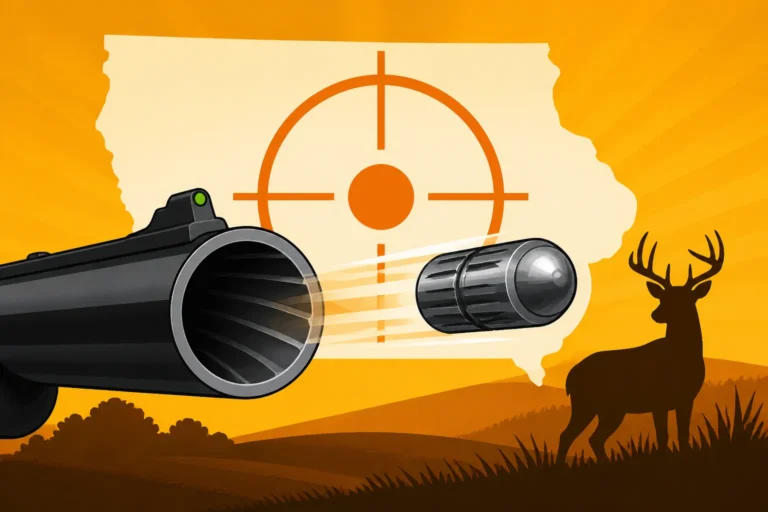
A sabot slug is fundamentally different from a Foster slug. Instead of a single lead projectile with external grooves, a sabot slug consists of a smaller, typically aerodynamically designed bullet (often copper, brass, or a hard lead alloy) encased in a plastic sleeve or "sabot." The word "sabot" (pronounced sah-boh) comes from the French word for shoe or clog. This plastic sabot protects the bullet and engages the rifling in a rifled shotgun barrel.
When fired, the sabot and bullet travel together down the barrel, and the rifling imparts a rapid spin to the entire assembly. Once the sabot and bullet exit the muzzle, aerodynamic forces cause the plastic sabot to peel away and fall off, leaving the spin-stabilized bullet to continue its flight. This is the same principle used in military discarding sabot rounds for tank guns. The result is a much more aerodynamic, stable, and accurate projectile that retains more energy downrange. The bullets themselves are often designed for controlled expansion, similar to modern rifle bullets, providing excellent terminal performance.
Best Applications and Limitations
Sabot slugs truly excel when paired with a rifled shotgun barrel, making them the preferred choice for hunters seeking rifle-like accuracy and extended range in Iowa. If you're hunting more open terrain, like larger timber blocks with clearings, field edges, or areas where shots might stretch past 100 yards, a rifled slug gun shooting sabots is often the most effective legal option. With a good scope and proper zeroing, many hunters can achieve consistent groups out to 150 yards, and some even further, depending on the specific gun and ammo combination. This is a game-changer for hunters in areas where Standing Corn and Bean Field Deer Patterns might lead to longer shot opportunities. The increased accuracy means more confidence in shot placement and a higher likelihood of an ethical kill at distances where a Foster slug would simply be too unpredictable.
However, sabot slugs come with their own set of considerations. First and foremost, they require a rifled barrel to perform as intended. Firing a sabot slug through a smoothbore barrel will not impart the necessary spin, resulting in poor accuracy, and in some cases, could even damage the barrel or be unsafe depending on the choke. Secondly, sabot slugs are significantly more expensive than Foster slugs, sometimes costing several dollars per round. This can make extensive practice sessions a pricey endeavor. Recoil can also be substantial, similar to Foster slugs, requiring proper shooting technique.
Factors to Consider When Choosing Your Slug
Deciding between Foster and sabot slugs isn't just about what's available; it's about matching the ammunition to your specific hunting situation, your equipment, and your personal capabilities. There's no one-size-fits-all answer, and what works beautifully for one hunter might be a frustrating nightmare for another. Let's break down the key considerations.
Accuracy and Effective Range
This is arguably the most critical factor for any deer hunter. The goal is to place a slug precisely in the vitals for a quick, humane kill.
Smoothbore vs. Rifled Barrels
As we've discussed, your barrel type is the primary determinant of accuracy potential. If you're running a smoothbore shotgun, your best bet for accuracy will be traditional Foster-style slugs. While "rifled slugs" have those external grooves, their stability is more about weight-forward design than true spin. You might find certain brands or weights perform better in your specific smoothbore, so testing is key. Realistically, expect your effective range for ethical shots to be within 75-100 yards, perhaps even less depending on your gun and slug combination. Beyond that, the trajectory becomes very arced, and groups open up dramatically. For tighter groups and extended range, a rifled barrel is essential.
With a dedicated rifled barrel, you absolutely want to be shooting sabot slugs. These barrels are specifically designed to impart a spin on the bullet, creating rifle-like accuracy. A good rifled slug gun, properly scoped and sighted in, can deliver consistent 3-4 inch groups at 100 yards, with some setups doing even better. This pushes your ethical range out to 125-150 yards, sometimes more, giving you much more confidence on those longer field-edge shots or across larger food plots. If you're investing in a rifled barrel, don't cheap out on sabot slugs; they are designed to work together to maximize your accuracy potential.
Trajectory and Energy Retention
Beyond pure accuracy, consider how the slug flies and how much energy it carries downrange. Foster slugs, due to their less aerodynamic design, have a more parabolic trajectory. They drop significantly over distance, requiring more hold-over at longer ranges. They also shed kinetic energy fairly rapidly. While they deliver a huge punch up close, by 100 yards, they've lost a good deal of steam, though still generally sufficient for deer.
Sabot slugs, with their more aerodynamic bullet designs, fly much flatter. This flatter trajectory simplifies shot placement at varying ranges, as you don't need to account for as much drop. They also retain kinetic energy much better, meaning they hit harder and penetrate deeper at extended distances. This is crucial for ensuring a clean pass-through and a good blood trail, which is especially important if you're Blood Trailing in CRP and Multiflora Rose. For hunters who use mapping tools like GoHunt to scout areas with longer shooting lanes, the flatter trajectory and better energy retention of sabot slugs are significant advantages.
Terminal Performance
Once the slug hits the deer, what happens? This is "terminal performance," and it's all about how effectively the projectile transfers its energy to the animal and creates a devastating wound channel. Both Foster and sabot slugs are designed to kill deer, but they achieve this through slightly different mechanisms.
Expansion and Penetration
Foster slugs are typically made of soft lead, and upon impact, they expand violently and often fragment. This creates a very large, traumatic wound channel, especially at close range where they retain maximum velocity. They don't always provide a pass-through on larger deer, especially if they hit heavy bone, but the massive energy dump usually drops deer quickly. The sheer blunt force trauma and wide wound channel are their strengths.
Sabot slugs, on the other hand, usually feature bullets made of harder alloys or copper, often with controlled expansion designs (like hollow points or soft points). They are engineered to expand reliably to a larger diameter while retaining most of their weight, leading to deep penetration and often a pass-through shot. This means you get two holes for better blood trails and more internal damage from the expanded bullet traversing through vital organs. Different sabot slug designs will offer varying degrees of expansion and penetration, so it's worth reading reviews and understanding the bullet construction if this is a priority for you. A solid pass-through is always preferable for tracking, especially when dealing with dense Iowa cover.
Cost and Availability
Let's be real, hunting isn't a cheap hobby, and ammunition costs can add up, especially if you like to practice regularly.
Budget-Friendly Options
Foster slugs are almost always the more budget-friendly option. You can typically find a box of 5 for significantly less than a box of sabot slugs. This makes them a great choice for hunters on a tighter budget or those who do a lot of practice shooting at shorter ranges. Their widespread availability in nearly any sporting goods store or even general merchandise stores also makes them easy to find.
Premium Performance, Premium Price
Sabot slugs are, without a doubt, a premium product. The advanced manufacturing, higher quality materials (like copper bullets), and complex two-part construction (bullet and sabot) drive up the cost. Expect to pay a good deal more per box, sometimes upwards of five times the cost of Foster slugs. This means practicing with sabot slugs can get expensive quickly. Availability can also be a bit more spotty for specific brands or bullet types, so if you find a load your rifled barrel loves, it's wise to stock up. The higher cost is offset by the potential for increased accuracy and effective range, which for many hunters, is worth the investment, especially after putting in the effort to scout a great public land spot with tools like GoHunt.
Matching Your Slug to Your Shotgun
The relationship between your shotgun and the slug you feed it is a deeply personal one, almost like tuning a finely crafted instrument. You can have the "best" slug in the world, but if your particular shotgun doesn't like it, you'll be left frustrated with poor accuracy. This is where the real work of slug selection begins.
Smoothbore Shotguns and Foster Slugs
If you're heading afield with a smoothbore shotgun, whether it's an old reliable pump or a semi-auto, Foster slugs are your go-to. But even within Foster slugs, there's a world of variation.
Choke Considerations
One common misconception is that you need a wide-open cylinder choke for slugs. While cylinder or improved cylinder chokes are generally recommended for Foster slugs, as they allow the slug to pass through with minimal deformation, many hunters successfully shoot them through modified chokes. The external rifling on a Foster slug is designed to compress when passing through a choke. However, avoid full or extra-full chokes with Foster slugs, as excessive constriction can cause pressure issues, potentially deform the slug too much (leading to instability), and even damage your barrel. Always consult your shotgun's manual and the slug manufacturer's recommendations.
The key takeaway here is to always double-check. Start with the most open choke you have, if possible, and work your way up if you're curious about a slightly tighter pattern. For instance, an improved cylinder choke often provides a good balance, offering a bit of constriction to help "center" the slug in the bore without over-constricting it.
Gauge and Recoil Management
Foster slugs are available in various gauges, most commonly 12-gauge and 20-gauge. While a 12-gauge Foster slug delivers maximum energy, the recoil can be punishing, especially from lighter shotguns. A heavy 12-gauge slug can kick like a mule, making follow-up shots difficult and extensive practice uncomfortable. Recoil From a Twelve Gauge Slug is no joke, and it can definitely impact accuracy if you start flinching.
This is where the 20-gauge often shines. A 20-gauge Foster slug, while slightly lighter, still packs plenty of punch for deer, especially at the shorter ranges where Foster slugs are effective. Crucially, the recoil is significantly less. This means more comfortable practice, less flinching, and often better accuracy for many shooters. Don't underestimate the 20-gauge; a well-placed 20-gauge slug is far more effective than a poorly placed 12-gauge slug. Consider the shooter's build and recoil sensitivity when making this choice.
Rifled Shotguns and Sabot Slugs
If you've invested in a shotgun with a dedicated rifled barrel (or a fully rifled slug gun), then you're ready for the precision world of sabot slugs.
Barrel Twist Rates
Just like rifles, rifled shotgun barrels have different twist rates. This refers to how quickly the rifling spins the projectile. Some manufacturers build barrels with faster twist rates, others with slower. While not as critical as with centerfire rifles, different sabot slugs with varying bullet weights and lengths can perform better or worse with specific twist rates. It's often a matter of trial and error to find the slug your particular barrel "likes" best. Most common twist rates will stabilize most popular sabot slugs, but if you're struggling to find accuracy, looking into twist rate might be a deeper diagnostic step.
Bullet Weight and Construction
Sabot slugs come in a wider array of bullet weights and constructions than Foster slugs. You'll find options from around 250 grains up to 400 grains for 12-gauge, and similar variations for 20-gauge. Lighter, faster bullets might fly flatter, while heavier bullets retain more energy and penetrate deeper. The construction of the bullet (e.g., solid copper, bonded lead core, polymer tip) will dictate its expansion characteristics. Some hunters prefer solid copper for maximum penetration, especially if they anticipate hitting heavy bone, while others prefer bonded lead for reliable expansion and weight retention. This variety allows you to fine-tune your terminal performance.
Again, the 20-gauge sabot slug should not be overlooked. With a good rifled barrel, a 20-gauge sabot can deliver impressive accuracy and lethal energy out to 150 yards with significantly less recoil than its 12-gauge counterpart. This makes it an excellent choice for many hunters who want the precision of a sabot without the shoulder punishment of a heavy 12-gauge.
Field Testing and Practice
Choosing the right slug isn't just about reading reviews or asking your buddies. The ultimate test happens at the range, and it requires patience, consistency, and a keen eye. Remember, every gun is an individual, and what shoots well in one identical model might be terrible in another. This is especially true for shotguns and slugs.
Zeroing Your Slug Gun
Before you even think about hitting the deer woods, you need to properly zero your slug gun. This is not optional; it's an ethical imperative.
Finding Your Gun's "Sweet Spot"
Start by trying a few different brands and types of slugs. For smoothbores, try 2-3 different brands of Foster slugs. For rifled barrels, try 2-3 different brands or bullet weights of sabot slugs. It's often surprising how much a particular gun will prefer one load over another, even within the same type. Shoot from a solid bench rest, ensuring the gun is stable. Fire three-shot groups and let the barrel cool between groups to minimize heat-induced variations. Keep detailed notes on which slugs you're testing, the range, and the group sizes. You're looking for the load that consistently gives you the tightest groups. This is your gun's "sweet spot." It might not be the most expensive slug, or the one your buddy raves about, but it's the one that performs best in your gun.
Once you find that sweet spot, you'll need to decide on your zeroing distance. For Foster slugs, 50 yards is a common and practical zero, as it gives you a manageable trajectory out to 75-100 yards. For sabot slugs, 100 yards is a more common zero, leveraging their flatter trajectory and extended range. Zeroing a Slug Gun at Fifty Yards is a good starting point, but always check your trajectory at different distances. For example, if you're zeroed at 50 yards, how high is it at 25? How low at 75? Knowing these numbers builds confidence.
Practice Under Hunting Conditions
Don't just shoot from a bench. Practice from various positions you might encounter in the field. If you hunt from a treestand, practice shooting from an elevated position (safely, of course, at a designated range). If you use a ground blind, practice shooting from a kneeling or seated position through the windows. Practice quickly shouldering your gun and acquiring the target. Practice with your hunting clothes on, as bulky layers can change your cheek weld and sight picture.
Also, pay attention to how you manage recoil. Proper form and a good recoil pad can make a huge difference in staying on target and being ready for a follow-up shot if needed. Remember, confidence comes from competence, and competence comes from practice. The more you practice, the more intuitive your shot placement becomes, and the less you have to think about it when that big Iowa buck finally steps out.
Using a Scope or Red Dot
While open sights can work for very close-range shots with smoothbores, for anything approaching the maximum effective range of a slug gun, an optic is highly recommended.
Advantages of Optics for Slugs
A scope with low to moderate magnification (1-4x or 2-7x) is ideal for a rifled slug gun. It allows for much more precise aiming than open sights, especially at longer distances or in low light. A clear sight picture means you can pick a specific spot on the deer's vitals, rather than just aiming "center mass." Scopes designed for shotguns often have specific reticles that account for slug trajectory, or you can find variable power scopes that are robust enough to handle the heavy recoil. For more open terrain or slightly longer shots, a scope is simply indispensable.
For smoothbore slug guns or very fast, close-range hunting, a red dot sight can also be an excellent option. Red dots offer rapid target acquisition and allow you to shoot with both eyes open, which can be a huge advantage in thick brush or when a deer is moving quickly. They don't offer magnification, but they provide a clear, bright aiming point that is much faster to align than traditional open sights. Many hunters find red dots invaluable for quick shots in dense cover. Consider exploring Red Dot Sights on a Slug Gun for more insights.
Maintaining Your Zero
Regularly check your zero. Shotgun slugs, especially with heavy recoil, can sometimes shift scope mounts or even loosen parts of the gun. A quick check before each season, and perhaps even before a serious hunt, is always a good idea. Fire a few shots from a solid rest to ensure your point of impact hasn't shifted. Nothing is worse than getting a shot opportunity and realizing your gun isn't shooting where you thought it was. This diligence is part of being a responsible hunter and ensuring an ethical shot.
Advanced Considerations and Tips
Beyond the basic choice between Foster and sabot slugs, there are a few more nuanced points that can help you squeeze every ounce of performance and confidence out of your slug gun setup. These are the details that separate good hunters from great ones, the little things that add up when it matters most.
Different Gauges and Performance Trade-offs
We touched on 12-gauge vs. 20-gauge earlier, but let's dive a bit deeper into the trade-offs.
The Power of the 12-Gauge
The 12-gauge shotgun is the undisputed king of raw power in the slug world. Whether it's a Foster or a sabot, a 12-gauge slug delivers maximum energy and a larger diameter projectile. This means a bigger wound channel and a higher likelihood of significant blood loss, which can translate to quicker kills and shorter blood trails. If you prioritize sheer stopping power and can handle the recoil, the 12-gauge is a formidable deer slayer.
However, the significant recoil can be a real detriment to accuracy for many shooters, leading to flinching or poor form. If you're not consistently placing your shots, that raw power means nothing. Consider practicing with lighter target loads or a recoil-reducing stock system if 12-gauge recoil is impacting your accuracy. Your goal is confident, consistent shot placement, not just maximum energy on paper.
The Nimble 20-Gauge
The 20-gauge has undergone a renaissance in recent years, largely thanks to advancements in slug technology, especially sabot slugs for rifled barrels. While it offers slightly less raw energy than a 12-gauge, a modern 20-gauge sabot slug in a rifled barrel is still incredibly lethal and often much more accurate for the average hunter due to reduced recoil.
Many hunters find they can shoot a 20-gauge more accurately, particularly under pressure, because they aren't anticipating a painful kick. This increased shootability often results in better shot placement, which is paramount. For youth hunters, new hunters, or anyone sensitive to recoil, the 20-gauge is an outstanding choice that sacrifices very little in terms of ethical killing power for deer within typical slug-gun ranges. Don't let anyone tell you a 20-gauge isn't enough gun for Iowa whitetails; a well-placed 20-gauge slug is more than capable.
Ethical Shot Placement and Range Limits
No matter what slug you choose, understanding and respecting your ethical range limits is paramount. Just because a slug can travel 200 yards doesn't mean you should attempt a shot on a deer at that distance.
Knowing Your Personal Limits
Every hunter has a different level of proficiency. Your ethical maximum range is the distance at which you can consistently place all your shots within a 6-8 inch circle (the vital zone of a deer) in field conditions, not just on a bench at the range. Be honest with yourself. If you can only group Foster slugs within 10 inches at 75 yards, then 75 yards is your absolute maximum ethical range, and you should ideally be aiming for shots much closer. If you can reliably put sabot slugs into a 4-inch group at 125 yards, then that's a more comfortable maximum.
Factors like wind, light conditions, your breathing, and even the adrenaline of seeing a trophy buck can all impact your shot. Practice, practice, practice, and push your skills, but know your limits. It's always better to pass on a questionable shot than to wound an animal. Hunting is about respect for the animal and the resource.
Understanding Slug Range Limits on a Deer Drive
When participating in shotgun season drives, especially in areas with limited visibility, range limits become even more critical for safety. You need to know not only your ethical killing range but also how far your slug can travel and remain dangerous. A shotgun slug, even after it passes through a deer, can travel a considerable distance, well over a mile in some cases. This is why having a clear understanding of your surroundings, your firing lanes, and any potential backstops is non-negotiable.
Tools like GoHunt can help you visualize the terrain and identify potential danger zones before you even step foot in the woods. When planning a drive, consider the maximum range of your slugs and ensure that all participants are aware of safe shooting zones and where their projectiles will likely impact. Safety is always the absolute priority, especially during party hunts like those discussed in Party Hunting Rules and Safe Drives.
Table of Slug Characteristics
To help summarize the differences and considerations, here's a quick comparison of Foster and Sabot slugs:
| Feature | Foster (Rifled) Slugs | Sabot Slugs |
|---|---|---|
| Barrel Type | Smoothbore (Cylinder, Imp. Cylinder, Modified) | Rifled Barrel (Dedicated Slug Barrel) |
| Accuracy | Good at close range (50-75 yards), fair up to 100 yards | Excellent for extended range (100-150+ yards) |
| Trajectory | More arced, significant drop at range | Flatter trajectory, better energy retention |
| Projectile | Soft lead, hollow base, external "rifling" | Aerodynamic bullet in plastic sabot |
| Expansion | Violent expansion, often fragmentation | Controlled expansion, weight retention, deep penetration |
| Recoil | Substantial, especially 12-gauge | Substantial, often comparable to Foster |
| Cost | Generally more affordable | Significantly more expensive |
| Best Use | Thick timber, close cover, budget hunting | Open terrain, longer shots, precision required |
| Key Limitation | Limited effective range, less precise | Requires rifled barrel, higher cost |
Conclusion
Choosing the right slug for Iowa shotgun season doesn't have to be a bewildering experience, but it does require some thought and, most importantly, some time at the range. Whether you opt for the classic, hard-hitting Foster slug from your smoothbore or the modern, precise sabot slug from a rifled barrel, the key is to understand your equipment, know your limitations, and practice diligently.
Iowa offers incredible whitetail hunting opportunities, and being prepared with the right ammunition that performs consistently in your firearm is a huge part of maximizing your success and ensuring an ethical hunt. Don't be afraid to experiment a little, but once you find that "sweet spot" load for your gun, stick with it, practice often, and step into the timber with confidence. Happy hunting!
Disclaimer
This article is for general informational purposes only and does not constitute professional advice. Laws, prices and regulations vary by location and change over time. Consult a qualified professional for guidance on your specific situation.