Sighting In Targets and Ranges in Iowa
There's nothing quite like the knot in your stomach as opening day approaches, knowing you haven't truly confirmed your rifle, shotgun, or bow is dialed in. That uncertainty about where your shot will land can really plague a hunter, making every rustle of leaves or distant deer a stressful guessing game. This guide is all about taking that worry out of the equation, walking you through everything you need to know about sighting in your hunting equipment, from choosing the right targets to finding suitable ranges across Iowa, so you can step into the timber or field with absolute confidence.
Why a Precise Zero is Non-Negotiable for Iowa Hunting
When it comes to hunting deer, turkey, or even pheasants in Iowa, a truly ethical and successful shot hinges on knowing exactly where your projectile is going to impact. It’s not just about hitting the target; it’s about hitting the right spot on the target, every single time. A slight miscalculation, a loose scope mount, or a change in ammunition can lead to a wounded animal, a frustrating search, or a missed opportunity – and none of us want that. Taking the time to properly sight in your gear before the season even begins is arguably the most critical step in your hunting preparation.
The Ethical Imperative of a Clean Kill
Every hunter carries a profound responsibility to ensure a quick, humane harvest. This isn't just a nicety; it's a fundamental tenet of ethical hunting. When your weapon isn't perfectly zeroed, you run the risk of an imprecise shot that may only wound an animal. This can lead to prolonged suffering for the game and a heartbreaking, often unsuccessful, recovery effort for you. We owe it to the animals we pursue to be as accurate as humanly possible, minimizing any potential for distress.
Think about it: that buck you’ve been chasing all season finally steps into an opening at 40 yards. If your bow is off by even an inch or two at that distance, what looks like a perfect heart-lung shot could actually be a gut shot. This scenario can quickly turn into hours, or even days, of tracking, often ending in a lost animal. Taking the time on the range to know your limits and your equipment's capabilities builds the foundation for responsible hunting.
Building Confidence for the Moment of Truth
Beyond the ethical considerations, knowing your weapon is perfectly sighted in imbues you with a deep sense of confidence. This confidence translates directly into calmer, more controlled shooting in the field. Imagine yourself shivering in a stand during December Cold Front Deer Movement, and a big doe steps out. If you’ve spent ample time on the range, verifying your zero, you won't be second-guessing your hold or struggling with target acquisition.
That moment of truth, when a deer finally presents a shot, is often fleeting and adrenaline-fueled. Hesitation born from uncertainty can cost you. When you’ve practiced extensively and confirmed your zero, the act of aiming and squeezing the trigger becomes almost second nature, allowing you to focus on the animal and the shot process rather than internal doubts about your equipment. This peace of mind is invaluable. You can read more about specific techniques in Practicing Shots From a Treestand to further build your confidence.
Selecting the Right Targets for Your Iowa Hunting Needs
The world of shooting targets offers a surprising array of options, each designed for different purposes and stages of the sighting-in process. You wouldn't use a delicate paper target for intense practice with a slug gun, just as a huge 3D target might not be ideal for pinpoint adjustments on a rifle. Choosing the right target depends on your weapon, the distance you're shooting, and what specific feedback you're looking for.
Paper Targets for Precision Adjustments
Paper targets are the workhorses of the shooting range, and for good reason. They are generally inexpensive, come in countless designs, and provide clear, precise feedback on bullet or arrow impact. When you're making initial adjustments to your scope, sights, or pins, a simple bullseye or grid target is indispensable.
For rifles and shotguns shooting slugs, you'll often start with larger paper targets at closer ranges, perhaps 25 yards, to get on paper quickly. As your groups tighten, you can move to smaller targets or increase the distance, making those minute adjustments with your scope turrets. For archers, paper targets designed with multiple small dots allow you to fine-tune each pin on your sight, moving from 20 to 30 to 40 yards, and so on. They offer that immediate, undeniable visual confirmation of exactly where your shot landed, crucial for verifying things like your Arrow Weight for Whitetails and its flight characteristics.
| Target Type | Primary Use | Pros | Cons |
|---|---|---|---|
| Paper Targets | Initial zeroing, precise adjustments | Inexpensive, clear feedback, variety of designs | Easily damaged by weather, not good for durability testing |
| Cardboard Backers | Supporting paper targets, short-range practice | Sturdy, holds up to multiple shots | Less precise visual feedback than paper |
| Foam/Block Targets | Archery practice, broadhead tuning | Durable, self-healing, good for arrow retrieval | Can be costly, less precise for fine-tuning than paper targets |
| 3D Animal Targets | Realistic practice, judging shot placement | Excellent for field simulation, specific vitals | Expensive, can be damaged by repeated shots, heavy to transport |
Foam and 3D Targets for Realistic Practice
Once you've achieved a solid zero with paper targets, especially with a bow or a slug gun, it's time to transition to targets that offer a more realistic hunting scenario. Foam block targets are incredibly durable and self-healing, perfect for pounding hundreds of arrows into them without worrying about replacement after every few shots. They come in various sizes and densities, allowing you to practice with different arrow weights and broadheads, ensuring your Mechanical Versus Fixed Broadheads fly true.
For the ultimate in realistic practice, 3D animal targets are a game-changer. These anatomically correct replicas of deer, turkeys, or even coyotes, allow you to visualize shot placement directly on the vitals. This is particularly important for archers who need to understand exactly where to aim on a deer's body from various angles and distances. Practicing on a 3D deer at varying distances, and from different heights (if you're simulating a treestand hunt), will dramatically improve your ability to make an ethical shot in the field. When you're practicing those Quartering-Away Shots on Whitetails, a 3D target truly helps you understand the angles.
Finding and Utilizing Shooting Ranges in Iowa
Iowa might be known for its vast agricultural fields and rolling timber, but finding a suitable, safe place to sight in your hunting gear is crucial. While some landowners may have private ranges, public shooting facilities are available across the state, offering varying amenities and rules. Knowing where to go and what to expect will make your sighting-in session efficient and enjoyable.
Public Shooting Ranges and Their Etiquette
Iowa offers a number of public shooting ranges, often managed by the Iowa DNR, county conservation boards, or private clubs. These ranges typically have designated lanes for rifles, shotguns, and sometimes archery. Before you head out, always check the specific rules and operating hours for the range you plan to visit. Websites and local conservation offices are excellent resources. For instance, the Iowa DNR website lists various public ranges, and mapping tools like those offered by GoHunt can help you pinpoint accessible locations.
When using a public range, safety is paramount. Always keep your firearm pointed downrange, use appropriate eye and ear protection, and only load your weapon when you are at the firing line and ready to shoot. Respect cease-fire commands, and never handle firearms or walk downrange when others are shooting. Being a courteous user ensures a safe environment for everyone and helps maintain positive public perception of hunting and shooting sports. Remember to bring your own targets and a stapler or tape to affix them, as range-provided targets are not always guaranteed.
Private Clubs and Local Opportunities
Beyond public ranges, many private shooting clubs exist throughout Iowa. These clubs often offer more amenities, like covered firing lines, longer distances, and organized shooting events. While membership usually comes with a fee, the benefits often include less crowded conditions, access to more specialized ranges (like specific distances for Slug Gun Range Limits in Iowa or archery courses), and a community of fellow enthusiasts. If you find yourself frequently using a range or desiring more dedicated practice, a private club might be a worthwhile investment.
Sometimes, local gun shops or sporting goods stores will also have knowledge of informal shooting areas or even offer sighting-in services. Always inquire about local ordinances and safety concerns if you're considering a less formal spot. Remember that Iowa has strict laws regarding shooting within city limits or near residences, so always be absolutely certain of your surroundings and legal right to shoot before setting up anywhere. A quick check on a platform like GoHunt can sometimes provide insights into local regulations or popular spots for hunters.
Best Practices for a Successful Sighting-In Session
Sighting in isn't just about shooting; it's a methodical process that requires patience, attention to detail, and a structured approach. Rushing through it or neglecting crucial steps can lead to frustration and a weapon that isn't truly ready for the field. Following a few best practices will ensure your time on the range is productive and that your gear is dialed in perfectly.
The Right Gear and a Steady Rest
Before you even leave the house, gather all your necessary gear. This includes your firearm or bow, plenty of ammunition (and ensure it’s the exact same hunting ammunition you plan to use in the field – consistency is key!), targets, a stapler or tape, hearing protection, eye protection, and any tools you’ll need for adjustments (e.g., scope turrets, Allen wrenches for bow sights). A good spotting scope or a powerful pair of binoculars is also essential for seeing your shots at distance without having to walk downrange after every group. This really helps when you are Rangefinding in Timber and trying to spot hits on distant targets.
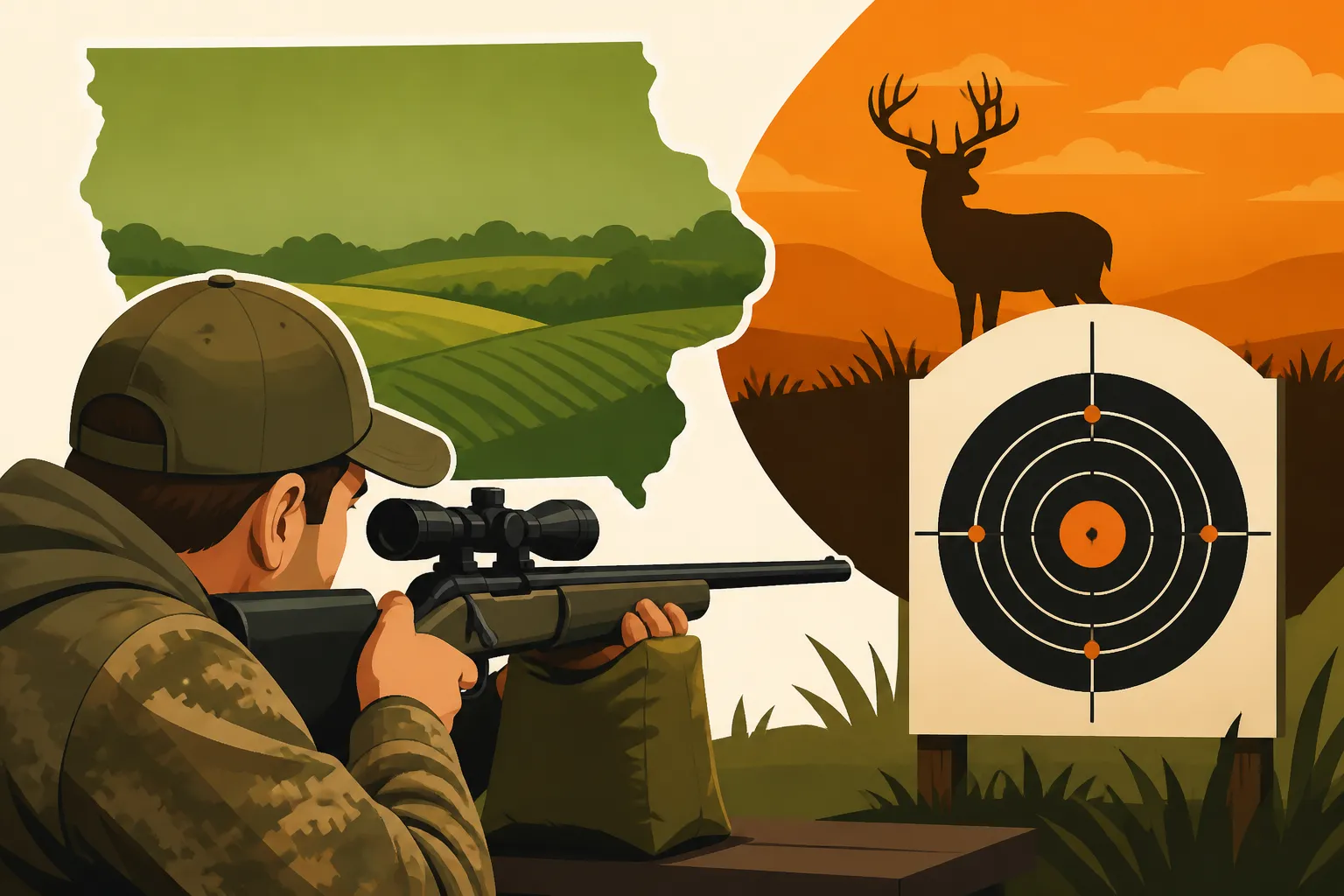
Crucially, you'll need a rock-solid shooting rest. For rifles and slug guns, a stable bench rest with sandbags or a bipod is ideal. This eliminates human error as much as possible, allowing you to identify the true point of impact for your weapon system. For bows, a solid stance is important, but a good quality target stand that keeps your target steady is also vital. The goal is to remove as many variables as possible so you can accurately assess your weapon's performance.
A Methodical Approach to Zeroing Your Weapon
When you begin shooting, start at a closer range, typically 25 yards for firearms, to ensure you're on paper. Fire a three-shot group, allowing your barrel to cool between shots if using a rifle or shotgun. Then, observe where your shots landed relative to your aiming point. Make adjustments to your sights or scope based on these impacts. Remember the adage: "move the rear sight/reticle in the direction you want the bullet to go." If your shots are hitting low and left, you need to move your point of impact up and to the right. Take your time, making small, calculated adjustments. For more specifics, consider reading Zeroing a Slug Gun at Fifty Yards.
Once you're consistently hitting close to the bullseye at 25 yards, move back to your desired zero distance – often 100 yards for rifles, or 50-75 yards for slug guns. Repeat the process, firing groups and making adjustments until your shots are consistently hitting where you aim. For archers, this means dialing in your 20-yard pin, then moving back to 30, 40, and so on, confirming each pin setting with multiple shots. Always double-check your work; sometimes a small bump or a loose screw can throw things off. I always recommend using a platform like GoHunt to review any specific regulations about range usage before heading out.
Practice, Practice, Practice Beyond the Zero
Sighting in your weapon is a fantastic start, but it's only the first step. True proficiency comes from consistent practice. Don't just zero your gun and put it away until opening day. Take it out regularly, even if it's just to fire a few rounds and confirm your zero. Pay attention to how environmental factors like wind affect your shot, especially at longer ranges. Learning to use your Rangefinder Angle Compensation is crucial for those steep shots in river bottoms or bluffs.
Practice shooting from various positions you might encounter in the field – sitting, kneeling, or even simulating shooting from a treestand. This will reveal any weaknesses in your form or comfort level. For archers, this means practicing with broadheads before the season, as they can sometimes fly differently than field points. Remember that hunting is about preparation, and continued practice solidifies the confidence you gain from a perfectly sighted-in weapon. You might find great advice on year-round practice in Tuning a Bow Before Iowa's Opener.
Disclaimer
This article is for general informational purposes only and does not constitute professional advice. Laws, prices and regulations vary by location and change over time. Consult a qualified professional for guidance on your specific situation.