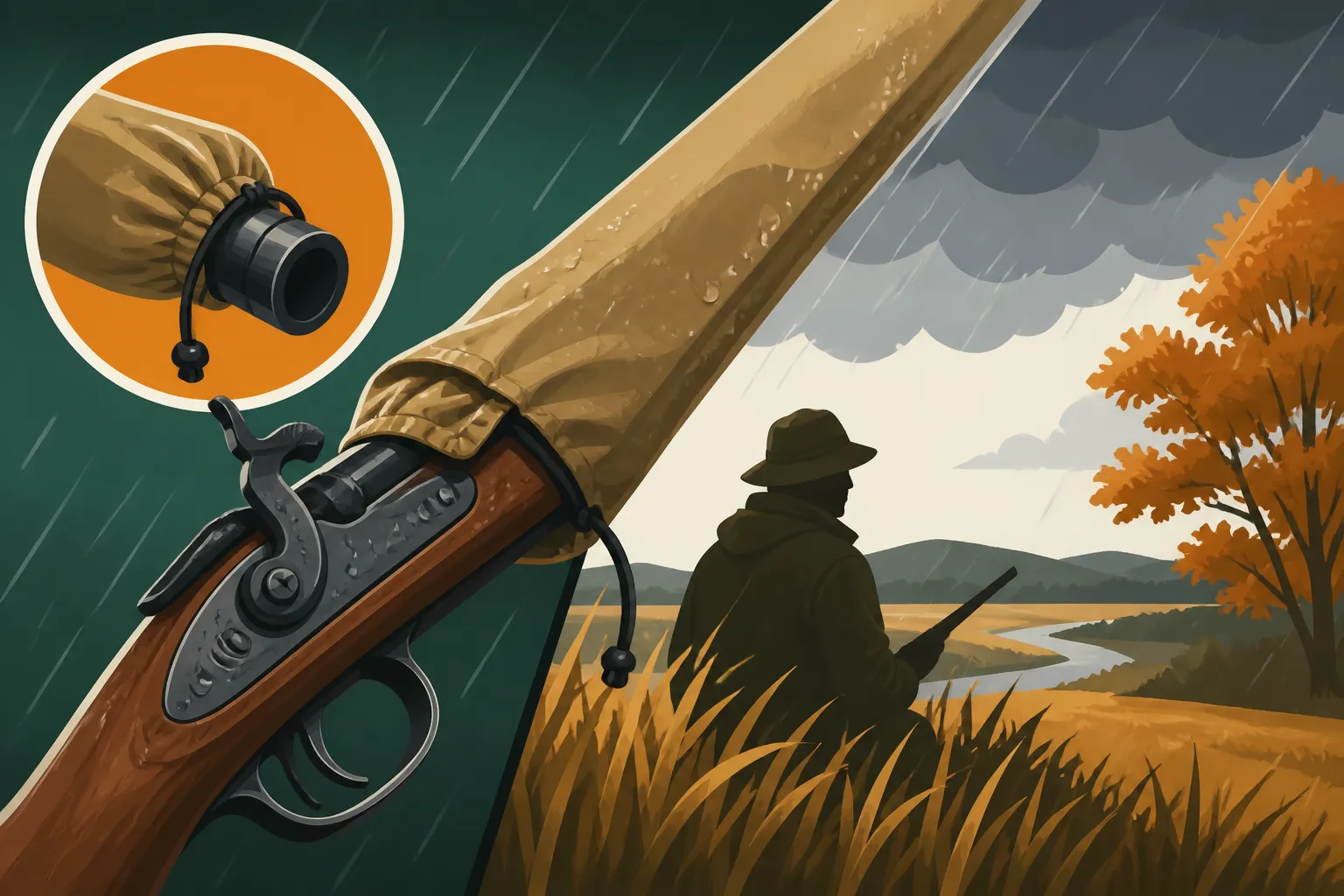
Keeping a Muzzleloader Dry in Rain
There’s nothing quite as disheartening as carefully loading your muzzleloader, heading out into the Iowa timber or fields, only for an unexpected rain shower to roll in and ruin your shot opportunity. Moisture is the arch-nemesis of a black powder rifle, turning a reliable firearm into a frustrating misfire machine. This guide is dedicated to helping you master the art of keeping your muzzleloader dry, ensuring that when that trophy buck steps out, your shot isn't compromised by the elements.
Understanding Your Muzzleloader's Vulnerability to Moisture
Before we dive into solutions, it's crucial to understand why rain and moisture are such a threat to your muzzleloader. It's not just about getting the powder wet; it's a multi-faceted problem that can lead to anything from a slow burn to a complete dud.
The Pathways for Water Intrusion
Muzzleloaders, by their very nature, have several openings where water can easily penetrate and cause problems. Unlike modern cartridge firearms that offer a mostly sealed system, black powder rifles have a more exposed ignition.
Firstly, the most obvious point of entry is the muzzle itself. Rain, snow, or even heavy dew can drip right down the barrel and soak into your powder charge. This is the quickest way to end up with a hangfire or, worse, no ignition at all. A damp powder charge won't ignite efficiently, leading to reduced velocity and accuracy, if it fires at all. Think about trying to start a campfire with damp kindling – it's a struggle, and the same principle applies here.
Secondly, the breech plug and nipple area are incredibly susceptible. This is where the primer or cap connects to the powder charge, and it's the heart of your ignition system. Even a tiny bit of moisture here can prevent the spark from reaching the main powder. This is especially true for percussion caps or 209 primers, which can be dislodged by heavy rain or simply have their ignition material dampened by water working its way into the crevices. It’s a common frustration to pull the trigger only to hear a soft "pop" as the primer fires, but the main charge remains stubbornly unlit.
Lastly, the lock mechanism itself, particularly in traditional side-lock muzzleloaders, can also be affected. While not directly leading to a misfire of the powder charge, a rusted or sticky lock from prolonged moisture exposure can slow down the hammer fall, leading to an inconsistent strike on the primer, or even bind up completely. Even modern inline muzzleloaders have external elements that can suffer from water ingress, potentially leading to rust and mechanical issues over time if not properly cared for.
The Impact of Moisture on Powder and Primer
The real headache comes from what moisture does to your propellant and ignition sources. Black powder and its substitutes (like Triple Seven or Pyrodex) are hygroscopic, meaning they readily absorb moisture from the air. Even high humidity, without direct rain, can begin to degrade their effectiveness over time. When direct water gets in, it’s game over.
A wet powder charge won't combust fully or consistently. Instead of a rapid, powerful explosion, you might get a slow burn or "fizzle," significantly reducing projectile velocity and causing a dangerous situation where the bullet might not even clear the barrel. This is not only a missed opportunity but a safety hazard. If you experience a hangfire – where there's a delay between primer ignition and powder ignition – you must keep the muzzle pointed in a safe direction for an extended period, as the charge could still fire.
Primers and percussion caps are also vulnerable. The primer compound, typically a sensitive explosive mixture, is designed to ignite with a sharp strike. Water can dilute or compromise this compound, preventing it from producing a hot enough spark or flame to reliably ignite the main powder charge. It's a delicate balance, and moisture tips it heavily in favor of failure. Ensuring you're using high-quality primers and keeping them as dry as possible is just as important as protecting your powder. Many seasoned hunters carry a small, sealed container of extra primers, just in case the ones in the gun or in their pouch get wet.
Pre-Hunt Waterproofing and Preparation
Preparing your muzzleloader before you even step foot in the woods or fields is the most critical step in combating rain. A little proactive effort here can save you a world of heartbreak when the weather turns.
Sealing the Muzzle and Breech
The two biggest entry points for water are the muzzle and the breech/nipple area. These need your immediate attention. For the muzzle, a simple, inexpensive, and highly effective solution is a piece of electrical tape or a small balloon.
For electrical tape, you can place a small, single strip of tape directly over the muzzle, ensuring it creates a tight seal. When you shoot, the projectile will cleanly break through the tape without affecting accuracy or safety. The advantage here is that it's quiet, easy to apply, and almost invisible. However, if you're stalking through brush, it can sometimes get snagged and peel back, so check it periodically.
Small, uninflated balloons are another fantastic option. Many hunters use 1/2" or 3/4" balloons, stretching them over the muzzle to create a tight, watertight cap. They're robust and less likely to get snagged than tape. Again, the bullet passes right through without issue. You can buy bags of these in bulk from party supply stores or even online. The key is to find balloons that fit snugly but aren't so tight they're a struggle to get on in the dark.
Now, for the breech plug and nipple area, things get a little more nuanced. For inline muzzleloaders that use 209 primers, many come with a small rubber or plastic primer cap that seals the primer pocket. Always make sure this cap is in place and undamaged. If your muzzleloader doesn't have one, or if you want extra security, a piece of electrical tape can also be strategically placed over the primer area. Just be sure it won't interfere with the hammer's strike. Some hunters even apply a thin layer of waterproof grease around the base of the primer to create an additional seal.
For traditional percussion cap muzzleloaders, the cap itself is quite exposed. A simple piece of electrical tape over the cap can work wonders. You can also purchase specialized nipple caps made from rubber or silicone that fit tightly over the percussion cap and nipple, offering excellent protection. These are highly recommended for those who frequently hunt in wet conditions.
Protective Coatings and Material Choices
Beyond sealing the openings, consider what materials and coatings you're using. Many muzzleloaders come with blued barrels, which look great but are prone to rust if exposed to moisture for too long. If you're consistently hunting in wet Iowa conditions, a stainless steel barrel is a huge advantage. Stainless steel is far more resistant to rust, making it a much more forgiving choice when dealing with rain and humidity. While it might cost a bit more upfront, the peace of mind and reduced maintenance are often worth it.
For all metal surfaces, especially blued ones, apply a thin but thorough coat of rust-preventative oil or wax. Products like Eezox, Rust Prevent, or even a good quality gun grease can create a barrier against moisture. Pay particular attention to crevices, screw heads, and areas where moisture tends to collect. Reapply these coatings regularly, especially after cleaning or any exposure to rain. This kind of care will not only protect against misfires but also preserve the longevity and appearance of your firearm.
Don't forget the stock! Wooden stocks can absorb water, leading to warping or cracking. Ensure your wooden stock is well-sealed with a good quality stock finish. Synthetic stocks are often a better choice for wet weather hunting, as they are impervious to moisture. This consideration extends to other gear too, like your scope covers and carrying case. Remember, every layer of protection helps. Using mapping tools like GoHunt can help you scout areas with good canopy cover, which can be an added layer of protection from the elements.
Field Tactics for Rainy Weather
Even with the best pre-hunt preparation, rain can be relentless. Knowing how to react and adapt your tactics while you're actually out hunting can be the difference between a successful hunt and a soaked, disappointed return.
Strategic Shelter and Cover
When the skies open up, your first instinct should be to seek shelter. This might sound obvious, but many hunters forget to factor natural cover into their stand placement or stalking routes. Dense timber offers far more protection than an open field edge. If you're hunting in areas like Yellow River State Forest or other parts of the Southern Iowa Timber Country, try to position yourself under thick pine groves or dense hardwoods that still hold leaves. These can provide a surprising amount of cover from direct rainfall.
If you're using a treestand, consider hanging it in a location that provides some overhead cover. Even a large, leafy branch directly above your stand can significantly reduce the amount of rain hitting your muzzleloader. When you're on the ground, a pop-up ground blind offers excellent protection, allowing you to keep both yourself and your rifle dry. Just be sure your Brushing In a Ground Blind is effective and doesn't impede your shot. If you're mobile hunting, carrying a lightweight tarp or even a large contractor bag can serve as an emergency shelter to protect your gear during a heavy downpour.
Think about your body's movements too. When walking, hold your muzzleloader so the muzzle points slightly downward, preventing rain from collecting in the barrel. If you need to stop and wait, position yourself with your back to the wind and rain, using your body or a tree trunk as a shield for your rifle. Every little bit of strategic positioning helps to keep those critical components dry.
Active Protection While Hunting
Beyond finding shelter, you need to actively protect your muzzleloader as you hunt. The electrical tape or balloon over the muzzle is a great start, but it's not the only trick in the book.
Many hunters carry a small, waterproof cover specifically designed for muzzleloaders. These are often made from quiet, soft materials like fleece or neoprene that won't make noise when removed quickly. These covers slip over the entire action and breech, protecting the nipple/primer area and the lock from direct rain. They're quick to remove when a shot opportunity arises and are far more effective than trying to tuck your rifle under your arm. Just remember to practice removing it quietly and efficiently so you don't spook an approaching deer.
Another critical piece of gear is a good quality, waterproof backpack or even a simple plastic dry bag. If the rain intensifies and you're not actively stalking or on stand, unload your muzzleloader (if safe and practical, depending on your situation) and put it inside your pack or dry bag. This isn't ideal for quick shot opportunities, but it's paramount for long treks in pouring rain or if you're waiting out a storm. Your Pack Size for a Day in the Stand should be sufficient to accommodate your rifle, especially if you plan to carry it internally for prolonged protection.
Always carry extra primers or percussion caps in a small, waterproof container. Ziploc bags, small OtterBox cases, or even an old film canister work perfectly. If your primary ones get damp, you'll have dry replacements readily available. Also, a small, absorbent cloth or handkerchief kept in a dry pocket can be invaluable for quickly wiping down exposed metal surfaces if they do get wet. Consider where you'll be and how the weather might affect it. For example, if you're engaging in Early Muzzleloader Tactics in Warm October Weather, you'll need to deal with potentially muggy, rainy days, which can be just as problematic as cold, wet December conditions.
Post-Hunt Care and Storage
The hunt might be over, but your battle against moisture isn't. Neglecting your muzzleloader after it’s been exposed to rain can lead to rust, pitting, and long-term damage that affects performance and safety.
Immediate Cleaning and Drying
As soon as you're back at your vehicle or camp, the first order of business is to get your muzzleloader thoroughly dried. Don't wait until you get home if that's hours away. Remove any tape or covers, disassemble the rifle as much as is safe and practical (e.g., remove the breech plug), and wipe down every single surface with a clean, dry cloth. Pay extra attention to the bore, the breech plug threads, the nipple, and all the small nooks and crannies in the lock mechanism.
If your muzzleloader was particularly soaked, you might even consider using a hair dryer on a low, cool setting to gently blow air into the action and barrel. Just be extremely careful not to overheat any components, especially plastics or wood. Another trick is to use compressed air (from a can or compressor) to blow water out of hard-to-reach areas like the primer pocket or around the nipple.
Once everything is dry to the touch, it's time for a proper cleaning. Even if you didn't fire a shot, residual moisture can interact with powder residue, accelerating corrosion. Use a good quality muzzleloader cleaning solvent, running patches through the bore until they come out clean. Clean the breech plug and nipple thoroughly, removing all powder fouling. You can find specific guidelines for Cleaning a Muzzleloader Between Sits even if those sits are just wet trips out to the stand.
Rust Prevention and Storage
After cleaning, immediately apply a generous but even coat of rust-preventative oil or a specific rust-inhibiting grease to all metal surfaces, both internal and external. Don't forget the inside of the barrel, running a lightly oiled patch through it. The breech plug threads are particularly susceptible to seizing if not kept clean and lubricated.
When it comes to storage, never put a recently exposed muzzleloader into a soft gun case and zip it up. Soft cases, especially those with foam padding, can trap moisture against the metal surfaces, creating a perfect environment for rust. It’s a common mistake that leads to nasty surprises. Instead, store your muzzleloader openly in a dry, climate-controlled environment for at least 24-48 hours to ensure every trace of moisture has evaporated. Standing it upright in a gun cabinet, or even in a corner of a heated room, allows for good airflow.
For long-term storage, a gun safe with a dehumidifier rod or desiccant packs is ideal. These help to control humidity, which can otherwise lead to slow, insidious rust even when no direct water is present. Regularly check your stored muzzleloader, especially during humid months, to ensure no rust is forming. This meticulous post-hunt care ensures your muzzleloader remains reliable and ready for your next hunt, whether you're targeting big Iowa whitetails or other game. Staying warm and dry yourself is also crucial, so consider your Cold Weather Stand Clothing and how it interacts with your rifle.
Table: Muzzleloader Waterproofing Methods
Here’s a quick overview of common waterproofing methods for your muzzleloader, along with their pros and cons:
| Method | Application Point(s) | Pros | Cons | Best For |
|---|---|---|---|---|
| Electrical Tape | Muzzle, primer/cap area | Inexpensive, readily available, quiet, effective | Can peel in dense brush, needs reapplication | Quick fixes, light rain, discreet protection |
| Small Balloons | Muzzle | Very effective seal, durable, cheap | Can be noisy if not carefully removed, less discreet | Heavy rain, prolonged exposure |
| Nipple/Primer Caps | Nipple (percussion), primer | Excellent seal, purpose-built, reusable | Can be lost, may not fit all models, sometimes noisy to remove | Dedicated wet-weather hunting |
| Waterproof Covers | Action/Breech | Protects entire ignition system, quick removal | Can be bulky, may require practice for quiet removal | On-stand protection, moderate to heavy rain |
| Rust-Preventative Oil | All metal surfaces | Protects against rust, lubricates | Needs regular reapplication, not a primary waterproofing agent | Long-term protection, humidity, light drizzle |
| Gun Grease | Primer/cap base, threads | Creates a thick, lasting seal, rust prevention | Can be messy, needs careful application to avoid ignition issues | Extreme wet conditions, breech plug threads |
Disclaimer
This guide offers general advice for responsible hunting and firearm maintenance. Always consult your specific muzzleloader's owner's manual for proper operation, maintenance, and safety instructions. Adhere to all local, state, and federal hunting regulations, and prioritize safety in all hunting activities. Improper handling of firearms can lead to serious injury or death.