Jump Shooting Iowa Farm Ponds
The vast expanse of Iowa’s corn and soybean fields often leads hunters to focus on deer or pheasants, but many overlook the incredible waterfowl opportunities hidden in plain sight. Farm ponds, those quiet havens scattered across private land, offer some of the most exciting and dynamic duck hunting experiences, particularly through the art of jump shooting. If you've ever felt frustrated by crowded public hunting spots or the elaborate setup required for traditional decoy spreads, this guide is your entry into a different, more hands-on way to pursue ducks and geese across the Hawkeye State.
The Allure of Jump Shooting Farm Ponds
There’s a unique satisfaction that comes from jump shooting farm ponds, a feeling distinct from sitting in a blind over a sprawling spread of decoys. It's a game of wits, stealth, and quick reflexes, often bringing you face-to-face with unsuspecting waterfowl. This method taps into the predatory instinct within us and often yields some fantastic results.
The Hidden Gems of Iowa's Landscape
Iowa is absolutely dotted with thousands upon thousands of farm ponds. These aren't always grand, sprawling lakes; often, they’re modest impoundments, dug out years ago for livestock or erosion control, tucked away behind a stand of timber or in a low spot in a pasture. Because they're generally smaller and frequently on private land, they often get overlooked by hunters focused on larger public wetlands or river systems. This oversight is precisely what makes them so productive for jump shooting. Ducks and geese, especially during migration, view these ponds as safe, quiet refueling stations, free from the constant pressure of larger, more accessible hunting areas. You'd be amazed at how many birds can pile into a seemingly small body of water, especially after a long flight along the Iowa Waterfowl on the Mississippi Flyway or during peak Iowa Duck and Goose Migration Timing.
Stealth and Strategy in a Hands-On Hunt
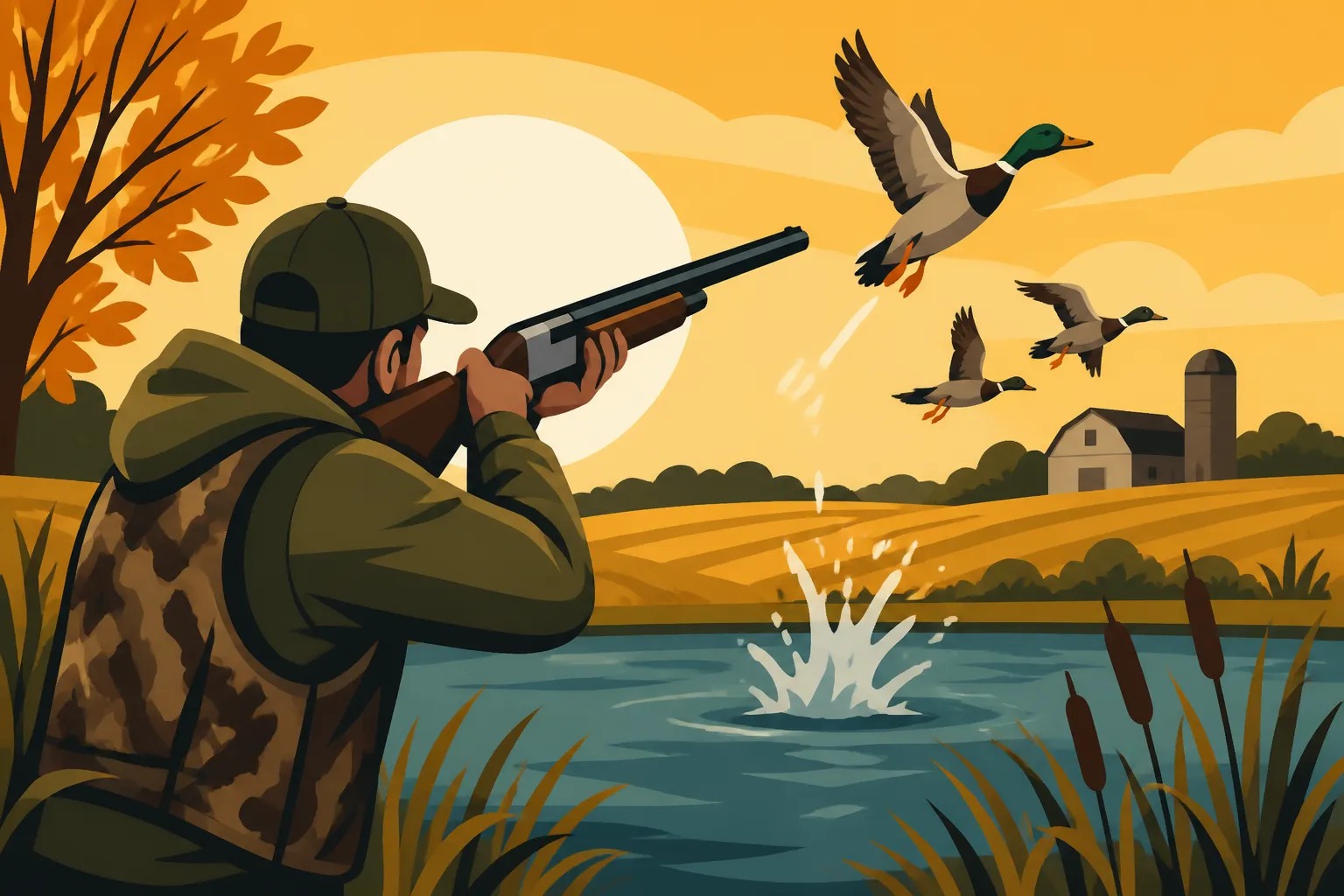
Unlike traditional waterfowl hunting, where you set up a blind and decoys and wait for birds to commit, jump shooting is an active pursuit. It's you, your shotgun, and your hunting savvy against the keen senses of wild ducks and geese. The strategy revolves entirely around surprise. You're trying to sneak up on a pond, remaining completely unseen and unheard, until you’re close enough to burst over the embankment or around a patch of cattails, flushing the birds into the air for a shot. This requires careful planning of your approach, utilizing every fold in the terrain, every fence line, and every bit of cover to mask your movement. It’s a bit like still-hunting for deer, but with a different kind of prey and a much quicker, more explosive payoff. The frustration of watching birds flare far out of range from your blind melts away when you're the one dictating the action.
Variety of Species Encountered
While mallards are often the bread and butter of Iowa duck hunting, jump shooting farm ponds can present a surprisingly diverse bag. You’ll frequently encounter wood ducks, particularly in ponds fringed with timber, teal (especially early in the season), and sometimes even pintails or wigeon. Don't be surprised to find Canada geese lounging on these ponds either, offering a bonus opportunity. The mix often depends on the pond's habitat – a muddy, shallow pond might hold more dabblers, while deeper, clearer water could attract divers. It’s this element of surprise, never quite knowing what you’ll flush, that adds to the excitement.
Essential Gear and Preparation for Success
Jump shooting might seem simple, but coming prepared with the right gear and knowledge can make all the difference between a successful hunt and a cold, wet disappointment. You don't need a boatload of specialized equipment, but what you do bring needs to be functional and effective.
Your Weapon and Ammunition
A reliable shotgun is paramount. Most hunters opt for a 12-gauge, though a 20-gauge can also be very effective, especially for younger hunters or those sensitive to recoil. Semi-automatics and pump-actions are both popular choices, allowing for quick follow-up shots on multiple birds. As for ammunition, steel shot is legally required for waterfowl hunting throughout Iowa. For jump shooting, where shots can often be closer and birds are flushing rapidly, a good all-around choice is #2 or #3 steel shot. This provides a good balance of pellet count and energy for ducks and even smaller geese. A modified choke is generally a versatile choice, offering a decent pattern density at both close and slightly longer ranges. However, if you know you’ll be mostly flushing birds at very close quarters, an improved cylinder could give you a wider pattern for faster shots. Always ensure your shotgun is sighted in and you're comfortable with its swing and feel, much like practicing your Shot Placement on a Whitetail at Twenty Yards.
Apparel and Footwear: Staying Dry and Concealed
Stealth is key, so your clothing needs to blend into the environment. Earth tones, browns, greens, and camo patterns are ideal. More importantly, you need to stay dry. A good set of waterproof outer layers is non-negotiable, even if the forecast is clear. Breaking through brush or scrambling down a muddy bank can quickly lead to wet clothes if you're not protected. Waders are often a game-changer. Whether chest waders or hip boots, they allow you to wade into shallow water to retrieve downed birds, cross small creeks, or navigate boggy areas around the pond's edge without getting soaked. Nothing ends a hunt faster than being cold and wet. Layering is also crucial, as you might be exerting yourself while walking, then cooling down rapidly when you pause to scout. Think about your Cold Weather Stand Clothing, but for a more active pursuit.
Scouting Tools and Navigation
While traditional scouting might involve glassing fields for pheasants or looking for Reading an Iowa Timber Draw for Deer Sign, jump shooting requires a different approach. Digital mapping applications are invaluable here. Programs like GoHunt allow you to e-scout from home, identifying potential ponds, analyzing terrain features for stealthy approaches, and pinpointing property lines. You can mark potential access points and plan your routes to minimize disturbance. Once you’re in the field, these apps help you stay oriented and, critically, ensure you know exactly where you are in relation to property boundaries. There’s nothing worse than having a great hunt ruined because you accidentally trespassed. Always have a fully charged phone with offline maps downloaded, or a dedicated GPS unit, as cell service can be spotty in rural Iowa.
Mastering the Art of the Stalk and Shot
The success of jump shooting hinges on your ability to get close to the birds without being detected. This is where the "art" comes into play – a combination of woodsmanship, patience, and a little bit of intuition.
Approaching the Pond: The Stealth Game
This is arguably the most critical phase. Your approach needs to be meticulously planned. Start well away from the pond, using natural terrain features like ditches, tree lines, tall grass, or even standing crops to mask your movement. Think about which direction the wind is blowing. Ideally, you want to approach into the wind, as ducks and geese typically take off into the wind and will be flying away from you initially, giving you a slightly better shot opportunity as they turn. However, sometimes the terrain dictates an approach with the wind, in which case you need to be even more careful with noise and scent. Move slowly, deliberately, and avoid making sudden movements or sounds. Pay attention to how the light falls on the water; sometimes approaching with the sun at your back can blind the birds slightly. Always assume there are birds on the pond and move as if they're watching you, because they very well might be. Remember the principles of Access Routes That Avoid Bedding Areas, but apply them to waterfowl.
Identifying Waterfowl and Shot Opportunity
As you get closer, peek over the embankment or through the cover very slowly. Use binoculars if you have them, but often you’ll be close enough to spot birds with the naked eye. Identify the species and count them if possible to gauge your potential opportunity. The moment you break cover, or when they sense your presence, the birds will usually flush rapidly. This is where quick reflexes come into play. Mount your shotgun smoothly, pick a target, swing through it, and pull the trigger. Remember the rules of safe gun handling – know your target and what's beyond it. Often, ducks will "jump" straight up before leveling out, giving you a brief window for a shot. Don't be greedy; pick one bird and focus on making a clean shot, then, if time and safety allow, pick another.
Decoy-Free Retrieval and Follow-Up
One of the challenges of jump shooting, especially without a dog, is retrieving downed birds. This is where those waders come in handy. Mark where the bird falls, either visually or by dropping a hat or piece of bright tape if you're alone. If it falls on land, be prepared for it to potentially run or dive into cover. A good retrieving dog is an invaluable asset here, but if you're hunting without one, be systematic in your search. Don't give up too quickly – a downed bird represents a valuable resource. It’s also crucial to ensure any downed bird is dispatched quickly and humanely. A follow-up shot or a quick neck wring is part of ethical hunting. Having a game bag or a vest with a large game pouch will keep your harvested birds secure and clean as you continue your hunt.
Legalities and Respecting the Land
Hunting farm ponds often means navigating private land, which comes with its own set of rules and ethical considerations. Understanding these beforehand is crucial for a successful and legal hunt.
Accessing Private Land: Permission is Key
This cannot be stressed enough: nearly all productive farm ponds for jump shooting are on private land. This means you absolutely must obtain permission from the landowner before stepping foot on their property. Iowa has strict trespass laws, and ignorance is not an excuse. Start by researching property ownership using your mapping app (GoHunt is excellent for this) and then make a respectful, in-person request. Be polite, offer to share some of your harvest, and demonstrate that you're a responsible hunter. Often, landowners appreciate hunters who will help control duck populations, especially if the birds are impacting their crops. Building a good relationship with a landowner can open up multiple hunting opportunities for years to come. For more on this, check out our guides on Finding Private Land Access in Iowa and Iowa Landowner Permission Basics.
Public Pond Opportunities
While the majority of prime jump shooting spots are on private land, there are occasionally public access ponds, particularly within state or county wildlife management areas or certain Iowa Waterfowl Production Areas. These can be found using the Iowa DNR's public hunting atlas. However, these public ponds are usually larger and often receive more hunting pressure, making jump shooting a bit more challenging. They might also be designated for specific hunting methods or have other restrictions. Always double-check the specific regulations for any public area before you hunt. Don't just assume anything, because rules can vary widely.
Iowa's Waterfowl Regulations
Beyond land access, you must adhere to all state and federal waterfowl hunting regulations. This includes having a valid Iowa hunting license, a migratory bird hunting stamp (federal duck stamp), and an Iowa habitat fee. You also need to be HIP (Harvest Information Program) registered. Bag limits and shooting hours are strictly enforced and vary by species and season segment. Always consult the current Iowa hunting regulations booklet or the DNR website before each season. Understanding Iowa Duck Stamp and HIP Requirements, as well as being aware of Iowa Legal Shooting Hours, are fundamental responsibilities for any waterfowl hunter. It’s also important to remember any steel shot requirements or specific rules about bringing harvested birds across state lines if you're a nonresident.
Here's a quick reference for common shot sizes for different waterfowl:
| Species | Recommended Steel Shot Size | Gauge | Typical Choke | Notes |
|---|---|---|---|---|
| Small Ducks (Teal) | #4, #6 | 12, 20 | IC, Mod | Faster birds, dense patterns help. |
| Medium Ducks (Mallard) | #2, #3, #4 | 12, 20 | Mod, Full | Good balance for various ranges. |
| Large Ducks (Pintail) | #1, #2 | 12 | Mod, Full | Longer birds, more penetration needed. |
| Geese (Canada, Snow) | BB, #1 | 12 | Full | Larger birds, more energy to bring down. |
| All-Around Option | #2 or #3 | 12 (20-gauge works) | Modified | Good compromise for mixed bag jump shooting. |
Disclaimer
Hunting is an inherently dangerous activity. Always prioritize safety, follow all local, state, and federal regulations, and practice ethical hunting principles. The information provided in this guide is for informational purposes only and should not be considered a substitute for official hunting regulations or professional guidance. Always verify current rules and seasons with the Iowa Department of Natural Resources.