Iowa Pheasant Daily Bag Limit
One of the biggest head-scratchers for new and even seasoned hunters can be keeping track of all the rules and regulations, especially when it comes to daily bag limits. It’s easy to get confused about how many pheasants you can actually take home, leading to unnecessary stress or even accidental violations. This guide is here to clear up any confusion you might have about Iowa’s pheasant daily bag limit, ensuring your hunts are both successful and compliant with state regulations.
Understanding Iowa's Pheasant Daily Bag Limit
Hunting pheasants in Iowa is a cherished tradition for many, but knowing the precise rules is paramount. The Iowa Department of Natural Resources (DNR) sets these limits to manage wildlife populations responsibly and ensure sustainable hunting opportunities for everyone. It's not just about what you harvest, but how you understand the regulatory framework behind it.
The Standard Daily Limit for Pheasants
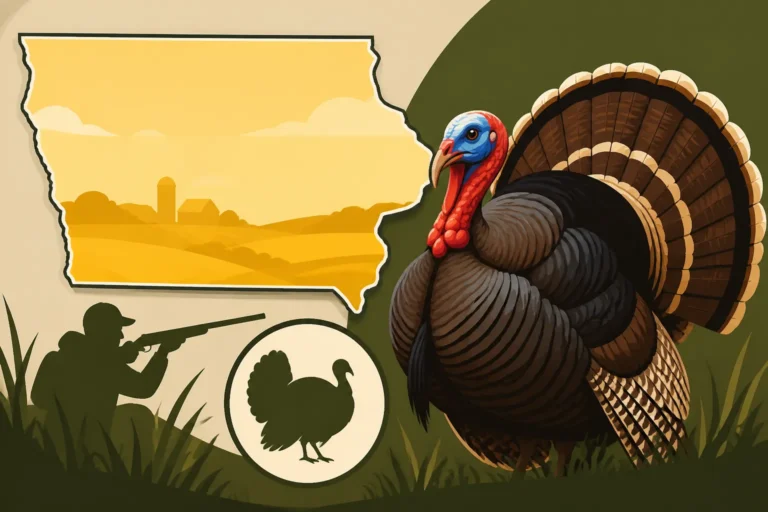
Let's cut right to it: The standard daily bag limit for pheasants in Iowa is typically three (3) roosters. That’s right, only roosters. Hens are protected, and accidentally shooting one can lead to fines and other penalties, so always be sure of your target. This limit means that in any given day, a single hunter cannot legally harvest or possess more than three male pheasants.
It sounds straightforward, but consider a scenario: you and your hunting buddy wake up early for a crisp November morning hunt near Ringgold County, a known hotspot for pheasants. You both have your licenses in order and are excited. If you, as an individual hunter, shoot three roosters by 10 AM, your pheasant hunting for that day is done. You can still accompany your buddy, enjoy the walk, and help flush birds, but you cannot carry a loaded firearm or attempt to shoot another pheasant yourself. This rule is designed to prevent overharvesting on a daily basis and ensure that the hunting pressure is distributed fairly among the population throughout the season. Checking resources like the GoHunt app or the Iowa DNR website for the latest season regulations is always a smart move before heading out, as these limits can occasionally be adjusted based on population trends from the Iowa Pheasant Roadside Survey Results.
Possession Limit Versus Daily Limit
This is where many hunters, particularly those coming from out of state or planning multi-day trips, often get tripped up. The daily bag limit refers to the number of animals you can legally take in one calendar day. The possession limit, however, refers to the total number of legally harvested animals you can have in your possession at any given time after the first day of hunting.
For pheasants in Iowa, the possession limit is typically six (6) roosters, which is essentially two times the daily bag limit. What does this mean in practical terms? Let’s say you hunt on Saturday and bag your three roosters. Great! You’ve hit your daily limit. If you decide to hunt again on Sunday, you can then harvest another three roosters. At the end of Sunday, you would have six roosters in your possession (the three from Saturday plus the three from Sunday), which is perfectly legal and within the possession limit.
However, if you shoot three on Saturday and three on Sunday, and then plan to hunt again on Monday, you must process or consume some of those birds to fall back under the possession limit before you can harvest more. You cannot exceed six roosters in your possession after the first day, even if you’re planning on hunting multiple days. This helps control the overall take per hunter over an extended period. Many hunters, especially those visiting from out of state for an extended trip, often head to a local locker plant or process their birds themselves daily to stay compliant. Understanding this distinction is vital to avoid any issues with conservation officers.
Youth Hunter Specifics for Pheasants
Iowa is a fantastic state for getting young people involved in hunting, and the DNR often provides specific seasons or allowances to encourage youth participation. For pheasants, the daily bag and possession limits for youth hunters typically mirror those for adult hunters during the regular season. However, Iowa does offer a special Iowa Youth Pheasant Weekend which occurs before the general season opener.
During this special youth season, the daily bag limit for pheasants (roosters only) is usually the same as the regular season, three birds. The possession limit is also typically six birds. The real advantage for young hunters (usually 15 years old and younger, with a licensed adult mentor) is that they get a few days of hunting pressure-free before the rush of the regular season. This can make for incredibly memorable hunts, as birds are often less wary. It’s a fantastic initiative to introduce the next generation to the outdoors and the responsibilities of ethical hunting. Even with these special opportunities, all youth hunters must adhere to the same daily and possession limits as set forth for the general season. Always double-check the current Iowa hunting regulations booklet, as age requirements and specific dates can change slightly each year.
How the Limit Impacts Your Hunt
Knowing the numbers is one thing, but truly integrating them into your hunting strategy is another. The daily and possession limits aren't just arbitrary rules; they're tools for wildlife management that shape how hunters approach the field.
Planning Your Hunt Around the Limit
Successfully managing your pheasant harvest, especially on multi-day excursions, requires a bit of foresight. If you’re planning a weekend trip to prime pheasant country in northern Iowa, perhaps around Clay or Emmet County, you’ll want to consider how the possession limit factors into your strategy.
For instance, if you and a couple of friends are staying in a cabin for three days, and each of you bags three roosters on day one, you’re all at your daily limit. By the end of day two, if you each bag three more, you’ve reached your individual possession limit of six birds. This means that for day three, unless you’ve eaten some of those pheasants or processed them and sent them home with a non-hunting spouse (following all legal transport rules, of course), you technically cannot harvest any more birds. This often means scaling back your efforts on the last day, or perhaps focusing on scouting new ground for future hunts. Many hunters who truly want to maximize their time afield on multi-day hunts will carry portable coolers and ice, immediately field dressing and packaging their birds to be taken to a nearby locker plant or stored properly to manage their possession count. Having a clear plan, especially when using tools like GoHunt to scout Best Iowa Counties for Pheasants, will help you navigate these limits seamlessly.
Party Hunting and Collective Limits
Iowa does allow party hunting for pheasants, which means that a group of licensed hunters can collectively contribute to each other's bag limits under specific circumstances. This is often seen during Blocking and Driving Iowa Grass Strips or when working extensive fields.
The key rule here is that each individual hunter must still hold a valid pheasant license, and the total number of pheasants taken by the group cannot exceed the combined daily bag limits of the licensed hunters present. For example, if you have four licensed pheasant hunters in your party, the group can collectively harvest up to 12 roosters in a day (4 hunters x 3 roosters/day). However, once the group has reached that combined limit, no one in the party can shoot another pheasant, even if an individual hunter hasn't personally shot their three birds yet. This cooperative approach is great for covering ground and increasing the chances of flushing birds, but it means everyone in the group needs to be aware of the running tally. It's a common practice to assign one person the job of keeping track of harvested birds to ensure the group stays within the legal limits. This also applies to possession limits; the total number of birds possessed by the group, collectively, cannot exceed the combined possession limits.
Common Misconceptions and Legal Traps
It's easy to fall into traps if you're not fully aware of the specifics. Here are a couple of common misunderstandings:
- "My friend only shot one, so I can shoot five!" This is a definite no-go. Even with party hunting, the individual daily bag limit of three roosters still applies to what you personally shoot and tag. While the group can collectively fill limits, you cannot personally shoot more than three in a day and claim them under your friend's unused limit. You are responsible for the birds you harvest.
- "I'm just transporting birds for my buddy." Transporting birds that don't belong to you or aren't legally tagged can be an issue. If you're moving birds that someone else shot, they need to be properly tagged with the hunter's name and license number, or accompanying documentation, especially if crossing state lines. It's always best practice for the harvesting hunter to be present or to have very clear, legal documentation for any transported game.
- "I'll just keep them in the garage freezer and start fresh tomorrow." This goes back to the possession limit. The birds in your freezer count towards your possession limit until they are consumed or processed in a way that removes them from your immediate "possession" (e.g., given to a taxidermist, sent to a locker plant for long-term storage under their care, or fully consumed). If you have six pheasants in your freezer from previous hunts, you cannot legally harvest any more until you've reduced that number.
- Shooting hens: Iowa has a strict "roosters only" rule for pheasants. Identifying hens versus roosters can be tricky, especially in low light or when birds flush quickly. Always be 100% sure of your target. A hen pheasant is a protected bird, and harvesting one is a violation. This is why many experienced hunters stress patience and clear identification before taking a shot, particularly when working pheasant cover without a dog where birds might burst out unexpectedly.
Remember, ignorance of the law is not an excuse. A quick review of the Iowa hunting regulations, or a visit to the Iowa DNR website (or a reliable app like GoHunt), can save you a lot of grief and potential fines.
Factors Influencing Pheasant Populations and Future Limits
Pheasant hunting isn't just about bagging birds; it's deeply connected to the health of the environment and effective wildlife management. The daily bag limit and other regulations are direct responses to how well the pheasant population is doing.
The Iowa Roadside Survey
Every summer, the Iowa DNR conducts its annual Iowa Pheasant Roadside Survey. This survey is a critical tool for wildlife biologists to assess the general health and population trends of pheasants across the state. Biologists drive specific routes during consistent times of the day (usually early morning) and count pheasants, particularly young broods.
The data gathered from this survey, which includes metrics like the "Birds Per Route in the Iowa Survey", directly informs decisions about hunting season lengths, opening dates, and, yes, those all-important daily and possession limits for the upcoming season. If the survey shows a decline in pheasant numbers, due to harsh winters or poor nesting success, the DNR might consider more conservative limits or shorter seasons to protect the breeding stock. Conversely, a strong year could lead to more liberal opportunities. As a hunter, keeping an eye on these annual reports gives you a sneak peek into what the season might look like and helps manage expectations. It also highlights the importance of habitat in maintaining robust Iowa Pheasant Population Cycles.
Habitat and Weather's Role
You can't talk about pheasants without talking about habitat. These birds rely heavily on dense, undisturbed cover for nesting, brooding, and winter survival. Think about those thick CRP fields, grassy waterways, and brushy fence rows that offer protection from predators and the elements. Without sufficient quality habitat, pheasant populations simply can't thrive, regardless of hunting pressure.
Weather also plays a massive role. Mild winters with ample snow cover are generally good for pheasants, protecting them from harsh temperatures and predators. Conversely, severe winters, especially those with prolonged periods of deep snow and ice, can lead to significant mortality, impacting Winter Severity and Iowa Pheasant Numbers. Spring weather is equally crucial. Cold, wet springs can decimate pheasant poults (chicks) due to hypothermia and increased susceptibility to disease, directly affecting Nesting Cover and Pheasant Broods and the overall breeding success. These environmental factors are often the biggest drivers of year-to-year fluctuations in pheasant numbers, far more than hunting pressure itself, which is why sound management via bag limits and season structure is so important.
Conservation Efforts and Hunter Responsibility
As hunters, we have a direct stake in ensuring healthy pheasant populations for future generations. Supporting conservation organizations like Pheasants Forever and Ducks Unlimited, which work tirelessly to restore and enhance pheasant habitat, is paramount. These organizations often collaborate with landowners to establish critical cover, like those grass and crop edges that pheasants love.
Beyond financial support, our responsibility extends to ethical hunting practices. This means respecting private property, always asking for permission, and being mindful of shot placement to ensure clean kills and minimize wounding loss. It also means educating ourselves on the rules, understanding the importance of Pheasant Hunting Iowa Grass and Crop Edges for bird production, and accurately reporting our harvests if required. By doing so, we contribute to the data that helps the DNR make informed management decisions, ensuring that the ringneck remains a vibrant part of Iowa’s hunting landscape.
Here's a quick summary table of common upland bird limits in Iowa for context:
| Game Bird | Daily Bag Limit (typically) | Possession Limit (typically) | Notes |
|---|---|---|---|
| Pheasant | 3 roosters | 6 roosters | Roosters only. Hens are protected. |
| Quail | 8 birds | 16 birds | Both sexes can be harvested. |
| Gray Partridge | 8 birds | 16 birds | Both sexes can be harvested. Also known as Hungarian Partridge. |
| Ruffed Grouse | 3 birds | 6 birds | Found primarily in northeastern Iowa's timbered areas. |
Remember, these numbers are typical and can change. Always consult the current Iowa DNR hunting regulations booklet before your hunt for the most up-to-date information.
Planning Your Next Iowa Pheasant Adventure
Understanding the Iowa pheasant daily bag limit isn't just about avoiding fines; it's about being a responsible, ethical hunter. By knowing the rules, planning your multi-day trips effectively, and appreciating the science behind wildlife management, you can maximize your enjoyment of Iowa's phenomenal pheasant hunting opportunities. Whether you're targeting Late-Season Pheasants in Heavy Cover or enjoying the brisk opener, staying informed is key.
Before you head out, make sure your Iowa Upland Bird and Waterfowl Seasons license is current and you've got all the essentials. Resources like the Iowa DNR website and reputable hunting apps can provide real-time updates and maps of public access areas. Good luck, stay safe, and enjoy the thrill of the flush!
Disclaimer
The information provided in this guide is for general informational purposes only and is not legal advice. Hunting regulations in Iowa can change seasonally and annually. Always consult the official Iowa Department of Natural Resources (DNR) regulations and publications for the most current and accurate information before engaging in any hunting activities.