Bibs and Parkas for Iowa December
There's nothing quite like the crisp, cold bite of an Iowa December morning when you're headed to the deer stand. The air stings your nostrils, your breath plumes out like smoke, and every twig underfoot cracks with an alarming loudness. For many hunters, this deep cold isn't just uncomfortable; it can cut a hunt short, steal your focus, and even become genuinely dangerous if you're not properly prepared. This guide is all about tackling that intense late-season chill head-on, specifically focusing on how bibs and parkas can be your best friends for staying warm, comfortable, and effective during those long, late-season sits in the Hawkeye State.
Why December in Iowa Demands Serious Outerwear
December in Iowa isn't for the faint of heart, or for the poorly dressed, for that matter. While early bow season might treat you to pleasant, even warm, days, the closing weeks of the deer season bring a whole different level of cold. When you’re putting in the effort to be out there, especially during the Iowa Late Muzzleloader Season or Iowa January Antlerless Hunts, you need gear that can stand up to the challenge.
The Brutal Reality of Iowa Winter Weather
Iowa's December weather is a true test of a hunter's resolve and gear. We're talking average daily temperatures that often hover around freezing, but frequently plunge well below, especially at dawn and dusk. Add in the notorious Iowa wind, sweeping across those vast open crop fields, and the wind chill can quickly drop into single digits or even negative territory. It's not uncommon to deal with frozen precipitation – sleet, freezing rain, or heavy snow – that soaks through inadequate clothing, turning a challenging hunt into a miserable one.
This isn't just about feeling a little chilly; it's about staying safe. Hypothermia is a real threat when you're exposed to these conditions for hours, sitting motionless. That bone-chilling cold can seep into your core, numbing your fingers and toes, making it impossible to hold a bow steady or safely operate a firearm. Ignoring the weather forecast or underestimating the cold is a mistake many hunters make, often leading to them packing up and heading home before legal shooting light even fades.
Long Sits in Treestands and Blinds
The challenge of December hunting is amplified by the passive nature of sitting in a stand or blind. When you're walking in, your body generates heat, keeping you relatively warm. But once you settle into your chosen spot, often well before dawn, that physical activity ceases. Your body's internal furnace cools down, and the ambient temperature, compounded by wind, begins to take its toll. A two-hour sit can feel like an eternity if your clothing isn't designed to trap and retain heat effectively.
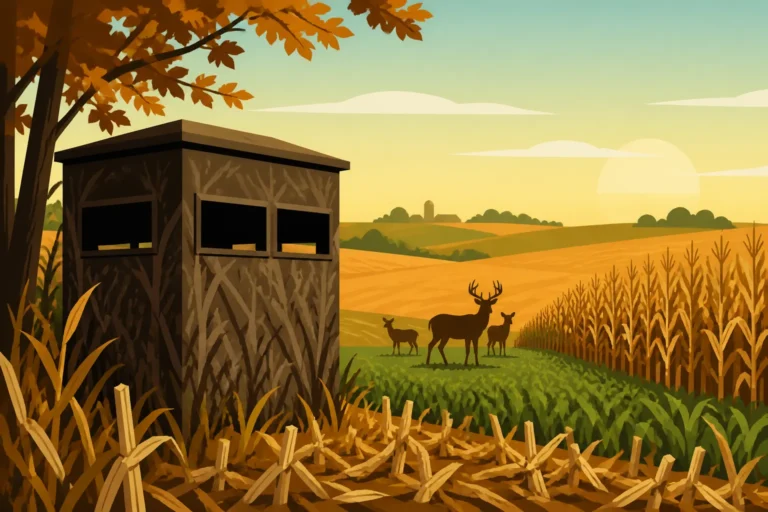
For hunters targeting deer that are focused on Late-Season Food Source Hunting in Iowa, those long, patient waits are often necessary to catch a wary mature buck making its move. Whether you're nestled into a pop-up ground blind on a picked bean field edge or perched 20 feet up in an old oak overlooking a river bottom, remaining still and quiet is paramount. If you're shivering uncontrollably, stomping your feet, or constantly adjusting your clothing, you're not just uncomfortable – you're signaling your presence to every deer within earshot. Bibs and parkas aren't just about personal comfort; they're a critical part of your overall hunting strategy for staying hidden and effective.
Understanding the Layering System
While bibs and parkas are the stars of the show for outer protection, they’re just one part of a successful cold-weather hunting strategy. Think of your clothing as a system, with each layer playing a specific, crucial role. If one layer fails, the whole system can fall apart, leaving you cold and miserable. Mastering the art of layering is what truly makes a difference when temperatures plummet, helping you adapt to changing conditions and activity levels. This is the foundation of any effective Cold Weather Stand Clothing setup.
Base Layers: Your First Defense
Your base layer is the first line of defense against the cold, and arguably the most important. Its primary job isn't necessarily to add bulk insulation, but to manage moisture. When you walk to your stand, you're going to sweat, even in freezing temperatures. If that sweat stays on your skin, it will quickly cool down once you stop moving, leading to a rapid drop in body temperature – a surefire way to get cold, fast.
Effective base layers wick moisture away from your skin, pushing it to outer layers where it can evaporate. Materials like merino wool are excellent for this; they're naturally breathable, incredibly soft, and have the added benefit of being odor-resistant, which is a huge plus for scent control. Synthetic blends, often made of polyester or polypropylene, are also highly effective, quick-drying, and generally more affordable. Avoid cotton at all costs for your base layer; it absorbs moisture and holds it against your skin, making you colder faster.
Mid-Layers: Insulation for the Core
The mid-layer is where you really start building insulation, trapping warm air close to your body. These layers go over your base layer and under your outer shell. The number and thickness of your mid-layers will depend on the actual temperature, expected wind, and your personal cold tolerance. On a truly brutal December day, you might have multiple mid-layers.
Common mid-layer materials include fleece, synthetic puff jackets, and even lightweight down jackets. Fleece is a popular choice because it's soft, breathable, and provides good warmth without excessive bulk. Synthetic puff jackets, often filled with materials like Primaloft or Thinsulate, offer excellent warmth-to-weight ratios and perform well even when damp. Down is incredibly warm but loses its insulating properties if it gets wet, making synthetics a safer bet in unpredictable Iowa weather. These layers are crucial for Staying Warm on a December Sit, ensuring that the heat your body generates has nowhere to go but around you.
The Essential Outer Shell: Bibs for December Hunting
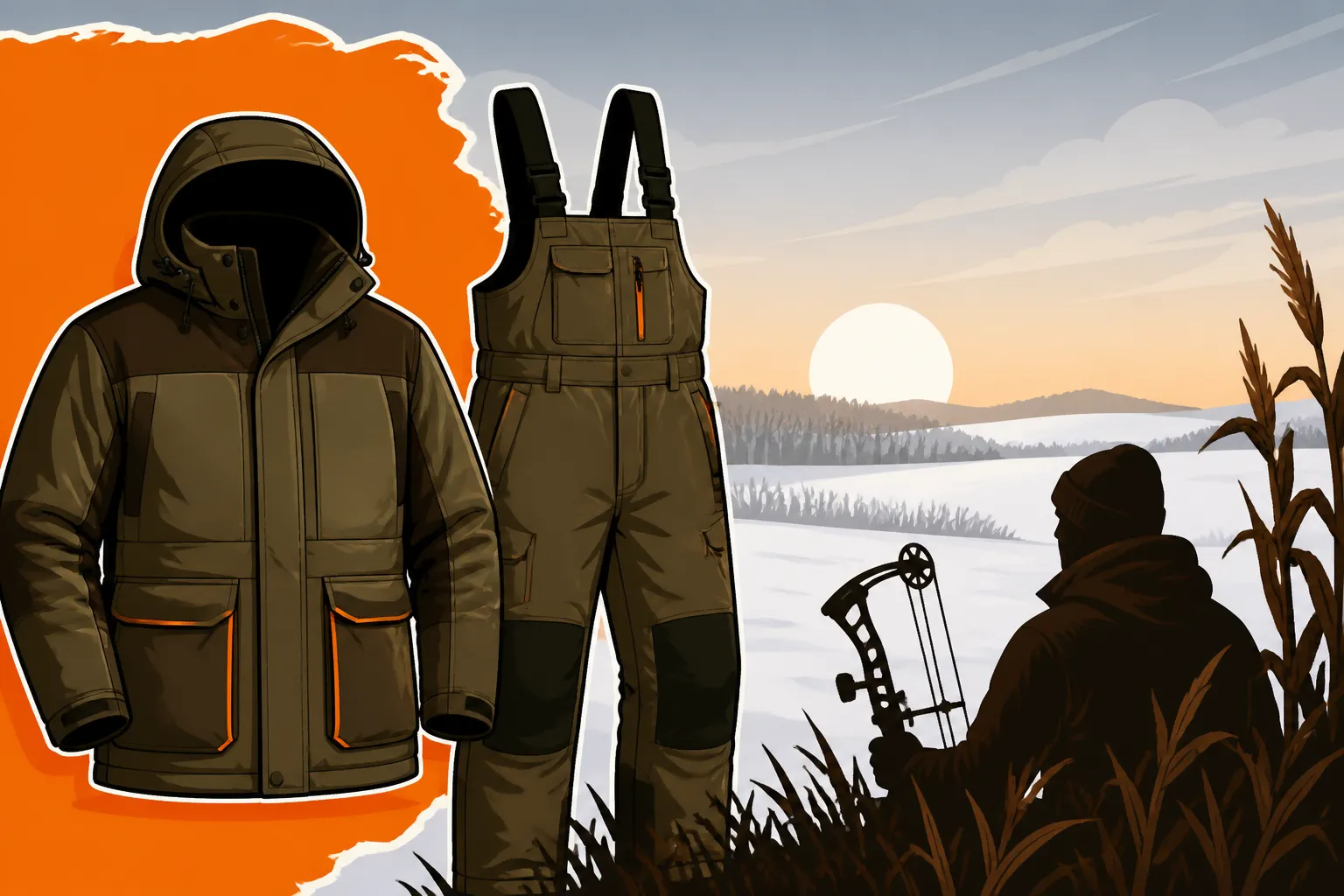
Once your base and mid-layers are dialed in, it's time for the heavy hitters: the bibs and parka. These are your ultimate protection against the elements, acting as a fortress against wind, snow, and extreme cold. Let's talk about bibs first, because they offer a unique advantage over traditional hunting pants.
Why Bibs Beat Pants for Cold Weather
If you’ve ever tried to stay warm on a late-season Iowa hunt wearing just insulated pants, you know the struggle is real. The moment you sit down, especially in a treestand, you create a gap between your jacket and pants. That opening is a superhighway for cold air and wind to rush in, stealing precious warmth from your lower back, kidneys, and abdomen. This draft isn’t just uncomfortable; it rapidly cools your core, making the rest of your body feel colder as well.
Bibs eliminate this problem entirely. By extending high up your torso, they create a continuous layer of insulation from your ankles all the way to your chest. This effectively seals off your core from cold drafts and prevents heat from escaping. They also keep snow and sleet from finding its way down your backside, which can happen easily when moving through brush or sitting in heavy cover. The added insulation over your core is invaluable for retaining body heat, making bibs a non-negotiable piece of gear for serious late-season hunters.
Key Features to Look for in Hunting Bibs
When you're investing in a good pair of hunting bibs for Iowa's December, you want to look for specific features that enhance warmth, comfort, and functionality.
First and foremost is insulation. High-quality synthetic insulation (like Primaloft, Thinsulate, or similar proprietary blends) is often preferred for bibs because it retains warmth even if it gets damp, which is common during wet snow or freezing rain. Down can be lighter and warmer pound-for-pound, but as mentioned, its performance plummets if it gets wet.
Waterproof and windproof membranes are also crucial. Look for bibs with GORE-TEX, a robust DWR (Durable Water Repellent) finish, or other reputable waterproof-breathable technologies. This keeps precipitation out and stops brutal Iowa winds from cutting through your layers.
Full-length leg zippers are a game-changer. These allow you to put your bibs on and take them off without removing your boots, which is incredibly convenient when layering up at the truck or shedding a layer if temperatures unexpectedly rise mid-day.
Quiet fabric is paramount, especially for bowhunters or muzzleloader hunters who need to make minimal noise. Avoid noisy, crinkly materials that can give away your position when shifting in a stand. Many brands, like those found when researching on platforms such as GoHunt, prioritize quiet fabrics specifically for hunting.
Finally, ample, well-placed pockets are always a plus for carrying essentials like hand warmers, calls, or a rangefinder, all while keeping them accessible and warm. Good quality bibs will also have reinforced knees and seat for durability, which is essential if you're Hunting Saddles and Pinch Points in Rolling Timber or crawling into a ground blind.
The Essential Outer Shell: Parkas for December Hunting
Just like bibs, a well-chosen parka is not just a jacket; it's a vital piece of your cold-weather arsenal, designed to complement your bibs and complete your protection against the harshest elements Iowa can throw at you. This is the top half of your impenetrable shell.
What Makes a Great Cold-Weather Hunting Parka
A great cold-weather hunting parka for Iowa December conditions needs to be more than just warm. It has to effectively seal out the elements while providing comfort and functionality for the active hunter. The level and type of insulation are key, mirroring the considerations for bibs. Synthetic insulation is generally a safer bet due to Iowa's often damp winter conditions, maintaining its loft and warmth even when wet. Look for dense, high-fill insulation that can truly trap body heat.
Windproof and waterproof construction is absolutely non-negotiable. A strong wind can penetrate even thick insulation if the outer fabric isn't properly treated or equipped with a membrane. A quality parka will feature a durable outer shell with a DWR coating and often an internal membrane like GORE-TEX or similar technology to repel rain and snow while blocking wind. A well-designed hood is another critical feature. It should be insulated, adjustable, and provide good coverage without obstructing your peripheral vision or muffling sounds excessively. This is your primary defense against heat loss from your head and neck, which can account for a significant portion of your overall warmth.
Finally, cuff seals and adjustable waist/hem closures are important for preventing drafts from entering and warm air from escaping. Adjustable cuffs, often with Velcro, can be tightened over gloves, creating a barrier. A snug fit around the waist and hem helps keep the parka from riding up and maintains an optimal microclimate inside.
Practical Considerations for Treestand and Ground Blind Hunters
For those who spend hours stationary in a treestand or ground blind, a parka's design goes beyond just warmth. Freedom of movement is crucial. You need to be able to raise your arms to draw a bow or shoulder a shotgun without the parka binding up or riding too high. Look for articulated elbows or a design that allows for a full range of motion. Some parkas are cut specifically for treestand hunting, with a slightly longer back to prevent drafts when sitting.
Pocket placement is also a significant factor. You want pockets that are accessible even when wearing a safety harness or sitting down. Hand-warmer pockets should be fleece-lined and positioned comfortably. For hunters who use safety harnesses, ensure the parka has a pass-through port on the back for the harness strap, allowing you to wear the harness under the parka and connect it securely to your lifeline. This maintains safety while keeping the bulk of the harness inside your warm outer layers. Brands often highlight these specific features to cater to hunters' practical needs.
Material Matters: Insulation and Fabric Technology
The magic behind those warm bibs and parkas isn't just in their design; it's deeply rooted in the materials used. Understanding these can help you make an informed decision and ensure your gear is ready for whatever Iowa’s December throws your way. You're looking for performance, durability, and a blend of features that match the unpredictable conditions, from crisp, still mornings to bitter, windy, sleeting afternoons.
Synthetic vs. Down Insulation
When it comes to the fluffy stuff that keeps you warm, you'll generally find two main categories: synthetic and down. Each has its strengths and weaknesses for the Iowa hunter:
| Feature | Down Insulation | Synthetic Insulation |
|---|---|---|
| Warmth-to-Weight | Excellent; very light for its warmth. | Good; slightly heavier for comparable warmth. |
| Performance When Wet | Poor; loses significant insulating power when damp. | Good; retains much of its warmth even when wet. |
| Packability | Excellent; compresses very small. | Good; compresses but not as much as down. |
| Durability | Can clump over time with washing; sensitive to punctures. | Generally robust; less prone to clumping. |
| Drying Time | Very slow to dry. | Faster drying. |
| Hypoallergenic | Can be an allergen for some. | Generally hypoallergenic. |
| Cost | Often more expensive. | Typically more affordable. |
For Iowa, where you can experience rain, freezing rain, sleet, and wet snow throughout December, synthetic insulation often gets the nod for its superior performance when damp. Brands like Primaloft, Thinsulate, and Climashield are excellent examples of synthetic fills that are designed to mimic down's warmth while being water-resistant. If you know you'll be in consistently dry, extreme cold, down can't be beaten for its lightweight warmth, but the peace of mind synthetics offer in varied conditions is invaluable.
Windproof and Waterproof Membranes
Insulation won't do you much good if the wind can rip right through it or if melting snow soaks it through. That's where windproof and waterproof membranes come into play. These are typically thin layers laminated to the inside of the outer fabric of your bibs and parka.
GORE-TEX is perhaps the most famous and widely trusted membrane, known for being both waterproof and breathable. This means it keeps external moisture out (like rain and snow) while allowing internal moisture (like sweat vapor) to escape, preventing you from getting clammy. Many other brands offer their own proprietary membranes that achieve similar results, such as the technology found in a range of products highlighted on sites like GoHunt. These might be called "Dry-Plus," "Omni-Tech," "HydroShield," or something similar.
The importance of these membranes cannot be overstated for hunting in Iowa. A strong, biting northwest wind can slice through non-windproof fabric, instantly robbing you of warmth, even if your insulation is thick. Similarly, sitting in a stand during a sleet storm without waterproof gear will quickly lead to hypothermia. Investing in bibs and a parka with reliable windproof and waterproof properties is investing in your comfort, safety, and ultimately, your success in the field. This also ties into crucial aspects like Layering for Iowa December Sits, where each component builds on the next.
Brand Spotlights and What to Consider
When it comes to bibs and parkas for serious cold-weather hunting in Iowa, there are a lot of options out there. It can feel overwhelming trying to decide where to put your hard-earned money. The good news is that many reputable brands offer excellent gear, but knowing what you're willing to invest in, both in terms of quality and cost, will help narrow your choices significantly.
Investing in Quality: When to Splurge
For late-season Iowa deer hunting, particularly in December, your outerwear isn't just about comfort; it's a piece of safety equipment. This is one area where "you get what you pay for" often rings true. High-quality bibs and parkas from established hunting apparel brands tend to use superior materials, better construction techniques, and advanced insulation and membrane technologies. These investments often translate into:
- Better warmth retention: More efficient insulation, better baffled designs to prevent cold spots.
- Superior weather protection: Truly waterproof and windproof fabrics that stand up to prolonged exposure.
- Enhanced durability: Stronger stitching, more robust outer fabrics that resist snags and tears, meaning your gear lasts longer.
- Improved functionality: Thoughtful pocket placement, quiet fabrics, freedom of movement, and features like harness pass-throughs.
When considering a splurge, think about how often you hunt in extreme cold, how long your average sits are, and the overall conditions you face. If you're consistently out there in single-digit temps, facing snow and wind, a premium set of bibs and a parka can literally make the difference between a successful, safe hunt and one cut short by freezing misery. Brands like Sitka Gear, First Lite, or Cabela's have robust lines designed for these conditions, offering specialized designs that cater to active hunters. While these brands represent a significant investment, the long-term comfort, performance, and peace of mind they offer are often worth it. You can explore what different brands offer by checking resources like GoHunt, which often features gear reviews and comparisons.
Budget-Friendly Options and What to Compromise On
Not everyone has a limitless budget for hunting gear, and that's perfectly okay! You can still put together an effective cold-weather system without breaking the bank. The key is to be strategic about where you compromise.
Instead of aiming for the absolute top-tier, look for brands that offer solid performance at a mid-range price point. Brands like DSG Outerwear, Browning, or even specific lines from bigger box retailers can offer great value. When budgeting, consider the following:
- Insulation Type: Prioritize synthetic insulation over down for its wet-weather performance, even if it's not the absolute lightest or most compressible.
- Waterproofing: While full GORE-TEX might be out of reach, look for bibs and parkas with a strong DWR coating and a decent waterproof-breathable membrane. These might not hold up to an all-day downpour as well as GORE-TEX, but they'll handle typical snow and freezing rain.
- Noise Level: This is one area you generally shouldn't compromise too much on, especially for bowhunting. Some budget fabrics can be surprisingly noisy. Always test fabric noise before buying if possible.
- Features vs. Essentials: You might have to sacrifice some bells and whistles, like specialized pocket designs or articulated knees, but ensure the core functions of warmth, wind protection, and moisture resistance are still met.
Often, you can find excellent deals by shopping off-season, during holiday sales, or by looking for previous year's models. It's better to invest in a solid mid-range option that truly works for the conditions than to buy multiple cheap items that fail when you need them most. Remember, a good layering system underneath, even with more budget-friendly outerwear, can significantly boost your overall warmth, so don't skimp on those base and mid-layers.
Practical Tips for Maximizing Warmth in Your Outerwear
Having the right bibs and parka is a huge step, but how you use and care for them can further enhance their performance and ensure you stay toasty warm during those frigid Iowa December hunts. A little extra attention to detail can make a big difference when the thermometer dips.
Sizing and Fit for Layering
One of the biggest mistakes hunters make with cold-weather outerwear is buying it too small. Your bibs and parka need to be properly sized to accommodate all those crucial layers underneath, without compressing them. Compressed insulation loses its ability to trap air, which is how it keeps you warm.
When trying on bibs and a parka, wear your thickest base and mid-layers. You should still have a comfortable range of motion – enough to draw your bow, shoulder a firearm, or climb into a stand without feeling constricted. There should be a bit of "dead air space" within the garments; this air is what your body heats, and the insulation traps it, creating a warm barrier. If your outerwear is too tight, it will restrict blood flow, especially to your extremities, making you feel colder faster. Pay attention to sleeve length and leg length, ensuring they cover your wrists and ankles even when you reach or sit, preventing cold drafts from creeping in. Think about what you'd wear for Staying Warm on a December Sit and try your gear on over that.
Care and Maintenance
Proper care of your high-performance bibs and parkas is essential for maintaining their warmth, waterproofing, and durability over many seasons. These aren't just everyday clothes; they're specialized gear that require specific attention.
- Washing: Always follow the manufacturer's instructions. Most insulated and waterproof garments should be washed with specific technical washes designed for outdoor apparel, rather than harsh detergents that can strip away DWR coatings or clog waterproof membranes. Wash in cold water on a gentle cycle, and often, it's best to air dry or tumble dry on very low heat to protect delicate membranes and insulation.
- Re-proofing: Over time, the DWR (Durable Water Repellent) coating on the outer fabric will wear off, causing the fabric to "wet out" rather than bead water. You can restore this by applying a spray-on or wash-in DWR treatment, readily available at outdoor gear stores. This helps keep the outer fabric from absorbing water, allowing your waterproof membrane to do its job more effectively and preventing your insulation from getting damp.
- Storage: When not in use, store your bibs and parka properly. Avoid compressing them in a small bag for long periods, as this can break down the insulation and reduce its loft. Hang them in a cool, dry place, ideally in a scent-free bag or container if you're serious about scent control. Ensure they are completely dry before storing to prevent mildew and odor build-up. Regular cleaning and re-proofing will not only extend the life of your expensive gear but also ensure it performs at its best when you're out there tackling the December Cold Front Deer Movement.
Disclaimer
This article is for general informational purposes only and does not constitute professional advice. Laws, prices and regulations vary by location and change over time. Consult a qualified professional for guidance on your specific situation.