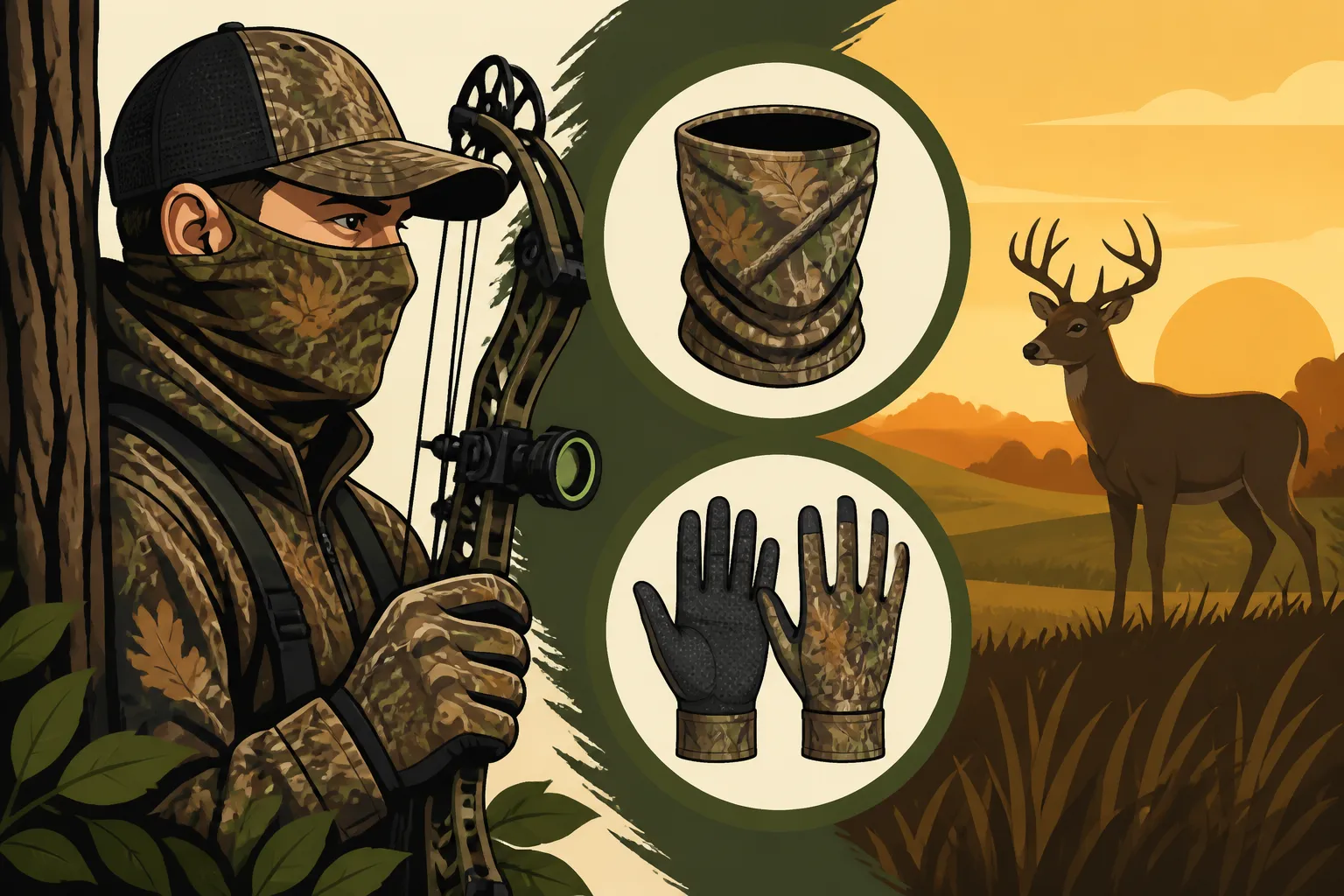
Face Masks and Gloves for Bowhunting
When you're out bowhunting in Iowa, you're constantly fighting against the deer's natural defenses, and let's be honest, they're often far better at this game than we are. One of the biggest challenges we face as hunters is simply disappearing into the environment, especially with those sharp eyes and noses always on alert. This guide is all about tackling that head-on, delving deep into how face masks and gloves are not just accessories, but critical pieces of gear for maximizing your concealment and scent control when you're pursuing whitetails with a bow in hand.
The Unseen Advantage: Why Face Masks and Gloves are Essential for Bowhunting
It’s easy to think of camouflage solely in terms of your jacket and pants, but a deer’s world is a lot more nuanced than that. Their ability to pick out even the slightest anomaly in their surroundings is truly incredible, and they’ve got a sense of smell that puts any tracking dog to shame. This is why neglecting your hands and face is like showing up to a poker game with your best cards visible on the table. For a bowhunter, who often relies on close encounters, every little bit of concealment and scent reduction counts.
Breaking Up Your Outline and Preventing Detection
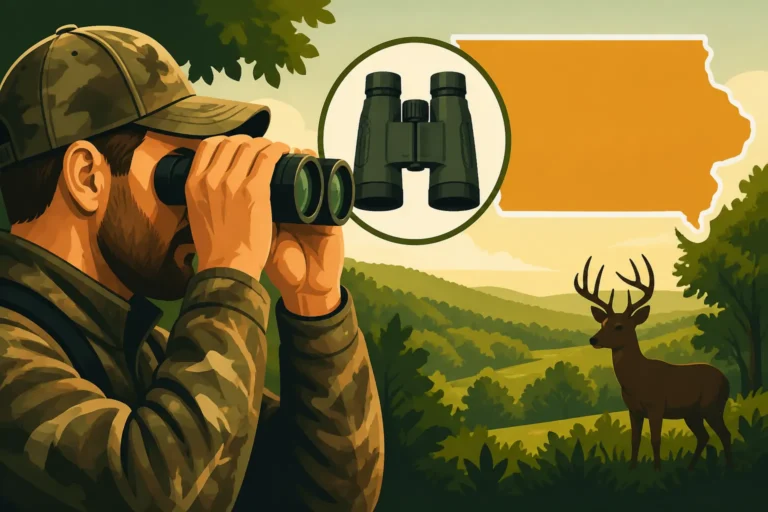
Imagine yourself perched twenty feet up in an oak tree, the crisp Iowa air just starting to bite at your exposed skin as dawn breaks. You've got your finest camo outer layers on, perfectly blending with the bark and branches, but your face and hands are bare. Suddenly, a mature buck slips silently through the timber, following a faint rub line. He's not looking up, not yet, but his head is slowly sweeping, taking in every detail of his surroundings. That pale oval of your face, or the natural sheen of your skin, can stand out like a beacon against the dappled light and shadows of the woods. It breaks up your natural outline in a way that’s almost impossible to correct with just a hooded sweatshirt.
Deer are masters at pattern recognition. They don't just see a tree; they see the irregularities, the shapes that don't belong. Your face, with its distinct shape and light-reflecting skin, is a dead giveaway, especially at the close ranges often required for a clean bow shot. A good face mask, on the other hand, breaks up that stark outline, allowing your features to blend into the complex patterns of your camouflage or the background foliage. It turns that distinct human shape into an amorphous blob that’s much harder for a wary whitetail to process as a threat. This is especially true during the Iowa Whitetail Hunting Tactics Through the Rut when bucks are cruising and constantly on the move, scanning for any sign of danger or potential does.
Even your hands, often in motion as you grip your bow or adjust your position, can catch the light and alert a deer. Think about drawing your bow – those hands are moving, flexing, and even if they're covered in some basic camo paint, the movement itself can be accentuated by bare skin. Gloves help unify your entire silhouette, ensuring that all visible parts of your body contribute to the overall camouflage effect. This seamless integration of your gear allows you to remain truly hidden, increasing your chances of getting that shot off before you're busted.
Scent Control and Minimizing Human Odor
Beyond the visual, there’s the olfactory challenge. Your hands and face are prime emitters of human odor. We touch our faces, scratch our noses, and adjust our masks constantly, transferring scent from our skin to our gear and into the air. Our breath, too, carries a significant amount of human scent, especially when we’re huffing and puffing after a long walk into our stand or when the adrenaline starts pumping. Imagine a deer downwind, casually feeding, when a sudden puff of wind carries a direct dose of human scent right to its nose. Game over.
High-quality face masks and gloves are often made with scent-absorbing or scent-blocking materials. These fabrics are designed to capture and neutralize human odor before it can disperse into the wind. While no product can completely eliminate all scent, they can significantly reduce your odor footprint. This is particularly crucial when you're hunting in tight quarters, like a creek bottom or a dense cedar thicket, where deer might pass just yards from your stand. Pairing these items with a rigorous scent control regimen – showering with scent-free soap, washing your hunting clothes in scent-free detergent, and storing them properly – can make a tangible difference in how many deer walk by oblivious to your presence. Ozone and Scent Control Claims might sound advanced, but basic principles start with covering up.
Consider the scenario where you’ve carefully selected an Access Routes That Do Not Bump Deer and set up your stand. You've done everything right, but a gust of wind swirls, carrying your scent towards a bedding area. If your face mask and gloves are working effectively, they can act as miniature scent barriers, mitigating the strength and reach of that human odor. This gives you a crucial buffer, sometimes just enough to keep that deer from stomping and snorting its way out of the county. In the game of scent, every little advantage stacks up.
Weather Protection and Comfort in the Stand
Let's not forget the practical side of hunting in Iowa. Our seasons can throw everything at you, from scorching early-season October days to frigid December winds. Face masks and gloves aren't just about concealment and scent; they're vital for your comfort and endurance in the field. In the early archery season, when the mosquitoes and gnats are still out in force, a light mesh face mask provides a surprisingly effective barrier, preventing those irritating bites that can distract you and cause unnecessary movement. Plus, it offers decent sun protection, preventing sunburn on those long, clear days in the treestand.
As the season progresses and the temperatures drop, a thicker balaclava or fleece gaiter becomes a non-negotiable item. That biting north wind can quickly chill your exposed face and ears, leading to discomfort that forces you to cut your hunt short. Gloves, too, transition from thin liners to insulated, windproof options that keep your fingers nimble enough to operate your bow and release. Nobody wants to be shivering so hard they can't make a clean shot. Cold Weather Stand Clothing is a whole science, but masks and gloves are key components.
Staying comfortable directly impacts your ability to remain still and focused. A hunter who is constantly fidgeting due to cold hands or an itchy face is far more likely to be detected by a deer. By providing protection from the elements, face masks and gloves allow you to sit longer, stay more alert, and focus entirely on the hunt rather than battling discomfort. This increased endurance translates directly into more opportunities for success.
Selecting the Perfect Face Mask for Iowa Bowhunting
Choosing a face mask for bowhunting might seem simple, but there's more to it than just grabbing something camouflaged. The nuances of material, design, and fit can significantly impact your comfort, concealment, and ultimately, your success in the Iowa woods. You need something that breathes, hides, and doesn't interfere with your shot.
Types of Face Masks and Their Benefits
The market offers a surprising variety of face mask styles, each with its own pros and cons for the Iowa bowhunter.
- Full Headnets: These are often lightweight mesh or similar breathable fabrics, covering your entire head, face, and neck. They're fantastic for early season hunts when temperatures are mild and insect protection is key. The mesh breaks up your face's outline effectively without trapping too much heat. The downside can be limited warmth for colder days and some can feel a bit restrictive around the eyes if not fitted correctly.
- Balaclavas: These offer full head and neck coverage, with openings for the eyes and sometimes the mouth. They come in various thicknesses, from thin polyester for moderate weather to heavy fleece for bitter cold. Balaclavas provide excellent warmth and concealment, making them a favorite for late-season archery or Late Muzzleloader Deer Hunting in Iowa. The main consideration is ensuring the fabric doesn't bunch up or interfere with your anchor point when you come to full draw.
- Neck Gaiters: A versatile option, gaiters are essentially tubes of fabric that can be pulled up over your nose and mouth to cover your face and neck. They offer great flexibility, easily pulled down for calls or eating, then back up for concealment. They're good for moderate to cool weather and layering. They might not offer as much specific head coverage as a balaclava, meaning you might need a separate hat.
- Half Masks/Bandanas: These are simpler, covering just the lower half of your face. They are lightweight and easy to carry but leave the forehead and ears exposed. They're best used in combination with a brimmed hat for full concealment.
When considering materials, look for moisture-wicking properties to keep sweat away from your skin, especially in warmer conditions. For colder weather, choose materials like fleece or wool blends that offer superior insulation. The camo pattern should ideally match or complement your other hunting attire and the typical Iowa environment you're hunting in. Think about the muted greens and browns of early fall timber versus the stark grays and whites of late December.
Breathability, Peripheral Vision, and Draw Clearance
A face mask that steams up your glasses or obstructs your vision is more of a hindrance than a help. Breathability is paramount, especially if you wear glasses. Look for masks with breathable mesh panels around the mouth and nose to prevent moisture buildup and fogging. There's nothing worse than having a deer approaching and suddenly realizing your vision is completely obscured by condensation.
Peripheral vision is also non-negotiable. You need to be able to scan your surroundings, pick up subtle movements, and accurately judge distances without your mask creating blind spots. Some masks, particularly those with snug eye openings, can restrict your field of view. Try them on, look around, and ensure you have a full, unobstructed sight picture. If you're using a quality mapping app like GoHunt to scout Reading Aerial Imagery for Bedding Cover or check property lines, you'll need clear vision to glance at your phone without obstruction.
Perhaps most critically for bowhunting, you must ensure your face mask does not interfere with your bowstring at full draw. The slightest contact can cause string jump, impacting arrow flight and accuracy. When trying on masks, simulate your full draw cycle. Does the fabric bunch up near your anchor point? Does the string brush against the mask when you release? A simple test at home can save you a missed shot in the field. This is part of Practicing Shots From a Treestand with all your gear.
Odor-Control Properties and Maintenance
Many modern face masks incorporate scent control technologies, often using silver ion treatments or activated carbon to trap and neutralize odor molecules. These materials are a big step up from traditional cotton and can make a noticeable difference in reducing your scent signature. When purchasing, look for these features, but understand that they are not magic bullets. They work best when combined with proper hygiene and storage.
To maintain the efficacy of your scent-controlled mask, follow the manufacturer's washing instructions diligently. Typically, this involves using scent-free detergent and air drying to avoid heat damage to the specialized fibers. Avoid using fabric softeners or dryer sheets, as these can leave behind perfumed residues that defeat the purpose of scent control. After washing, store your mask in an airtight container or bag with your other clean hunting clothes to prevent it from absorbing ambient odors from your home, vehicle, or camp. A little extra care here goes a long way in ensuring your mask is truly ready for the hunt. Scent Control Products and What They Do applies to every layer you wear.
Choosing the Right Gloves for Archery Deer Season in Iowa
Just like face masks, gloves are often overlooked, yet they play an equally critical role in concealment, scent control, and comfort for the bowhunter. Your hands are constantly moving, gripping, and touching things, making them a significant factor in your overall hunting strategy.
Material, Thickness, and Dexterity for Bowhunting
The right glove for Iowa bowhunting isn't a one-size-fits-all solution; it depends heavily on the time of year and the specific weather conditions you’re facing.
- Early Season (Warm): Think thin, breathable materials like mesh or lightweight polyester. These offer visual concealment and some scent absorption without causing your hands to sweat excessively. Many bowhunters prefer fingerless gloves or gloves with convertible mitts for this time, allowing maximum dexterity for handling your bow, rangefinder, or release. The key is to break up the outline of your hands and offer a minimal thermal layer.
- Mid-Season (Cool to Cold): As the weather cools, you'll want something with more insulation. Fleece, wool blends, or softshell fabrics are excellent choices. Look for windproof properties if you expect windy conditions. Full-finger gloves are common here, but ensure they still provide enough dexterity to operate your gear smoothly. Some gloves feature reinforced palms for better grip on your bow.
- Late Season (Bitter Cold): This is where warmth truly becomes paramount. Heavily insulated, waterproof/windproof gloves or mittens are necessary. Many experienced hunters opt for a layering system: a thin, dexterous liner glove underneath a larger, warmer mitten. The mitten can be easily removed for the shot, leaving the liner glove for minimal protection and maximum feel. Brands like GoHunt often suggest thinking about these temperature ranges when planning your gear list.
Regardless of the season, dexterity is crucial. You need to be able to nock an arrow, operate your release aid, adjust your bow sight, and use a rangefinder without fumbling. Practice drawing and shooting with your chosen gloves before you head afield. The quietness of the material is also vital; avoid anything that rustles loudly as you move your hands, which could easily alert a deer during a slow draw.
Scent Control and Protecting Your Hands
Your hands are arguably one of the biggest scent transmitters you have. Every time you touch your bow, climb a tree, adjust your treestand, or grab a branch, you're leaving a trail of human odor. Even if you've showered in scent-free soap, the natural oils and bacteria on your skin produce a constant stream of scent. Gloves act as a barrier, reducing the direct transfer of that scent to your gear and the environment.
Look for gloves made with scent-absorbing materials, similar to those found in face masks. These materials can capture and neutralize a significant portion of the odor your hands produce. Just like with masks, regular washing with scent-free detergent and proper storage are essential to maintain their effectiveness. Keeping them in a dedicated scent-free bag or container will prevent them from picking up unwanted odors from your vehicle or camp.
Beyond scent, gloves offer vital protection. Think about climbing through brush to get to your stand, or the inevitable scrapes and nicks from handling branches or setting up gear in the dark. Good gloves protect your hands from thorns, sharp sticks, and cold metal, preventing discomfort and potential injury. This protection is especially valuable when Hunting Iowa Walk-In Ground Without Burning It Out where you might be navigating dense, unforgiving cover.
Specific Features for Bowhunting Performance
Modern hunting gloves often come with features specifically designed to enhance performance for bowhunters. One increasingly popular feature is touchscreen compatibility. In today's hunting world, using mapping apps like GoHunt to navigate Finding Property Lines in Iowa or check weather on your phone is common. Gloves with special conductive fingertips allow you to use your smartphone or other touchscreen devices without having to expose your hands to the cold, maintaining both warmth and concealment.
Another important feature is grip. The palm and finger areas of bowhunting gloves are often designed with special textures or materials to enhance your grip on the bow riser. This is particularly important in wet or cold conditions where bare hands might slip. For archers who shoot with a finger release, specialized bowhunting gloves might have reinforced fingertips or be designed to allow direct finger contact with the string while keeping the rest of the hand covered.
Finally, consider the overall quietness of the glove. A good bowhunting glove will be made of soft, silent materials that don't make any noise as your hands move or brush against your clothing. Any rustle or crinkle can be enough to spook a deer at close range. When you're out Bowhunting Iowa Deer From October to January, every sound matters, so choose gloves that allow for silent movement and manipulation of your equipment.
Integrating Masks and Gloves for Optimal Field Performance
Having the right gear is only half the battle; knowing how to integrate it seamlessly into your hunting routine is what truly unlocks its potential. Your face mask and gloves should feel like natural extensions of your body, working with you, not against you.
Pre-Season Prep and Practice with Your Gear
This cannot be stressed enough: practice with your face mask and gloves before opening day. Don't wait until you're staring down a trophy buck to discover that your balaclava interferes with your anchor point or that your gloves make it impossible to properly grip your release. Head to the archery range or your backyard, put on all your hunting layers, including your mask and gloves, and shoot some arrows.
Pay close attention to how the mask affects your peripheral vision and whether it causes any string interference. Try drawing slowly, simulating a real hunting scenario. Does the fabric shift or bunch up? Can you see clearly through your peep sight? For gloves, ensure you can comfortably nock an arrow, operate your release aid, and maintain a consistent grip on your bow. If your gloves are too bulky or slick, you'll know immediately. It's far better to identify and resolve these issues during practice than to have them derail a crucial shot in the field. This goes hand-in-hand with Tuning a Bow Before Iowa's Opener and making sure everything works in harmony.
Consider trying different types of masks and gloves during your practice sessions to find the combination that works best for you and your specific bowhunting setup. Maybe a neck gaiter is better than a full balaclava for string clearance, or perhaps fingerless gloves give you the ideal feel. These practice sessions are also a great time to evaluate the comfort of your gear over extended periods, helping you decide if it will hold up during an all-day sit when you're Hunting the Iowa Pre-Rut in Late October.
Field Use Best Practices: Staying Hidden and Scent-Free
Once you’re in the field, proper handling and use of your face mask and gloves are key. When walking to your stand, you might opt to keep your mask down or off to prevent overheating and heavy breathing, which expels more scent. Once you’re settled in your stand and cooled down, quietly pull your mask into position. Similarly, if you’re using layering gloves, you might wear a thin liner on the walk in and only put on your heavier outer gloves once you're on stand and get cold.
Avoid fidgeting with your mask or gloves unnecessarily. Every movement, however slight, can be detected by a deer, and every touch transfers more human scent. If you need to make an adjustment, do it slowly and deliberately, constantly scanning your surroundings for movement. When you take your gloves off to use a touchscreen device or eat a snack, be mindful of where you place them. Don't lay them on the ground or a contaminated surface. Instead, keep them in a clean, scent-free pouch or zippered pocket.
Throughout your hunt, try to avoid touching your bare skin, especially your face, if you can help it. If you need to scratch an itch, use the outside of your glove. This conscious effort to minimize skin-to-gear contact will help keep your scent contamination to a minimum. Remember, the goal is to create as little disruption to the natural environment as possible, making you a silent, invisible predator.
Adapting to Iowa's Variable Conditions
Iowa weather can be famously unpredictable, and your face mask and glove strategy needs to be flexible enough to handle it. A warm October morning can quickly turn into a chilly, damp afternoon, or a calm day can give way to a howling wind. Having options is key.
Consider bringing multiple pairs of gloves with varying levels of insulation. A thin pair for dexterity, a mid-weight pair for general use, and a heavy, windproof pair for extreme cold. Some bowhunters even carry a convertible mitten that allows fingers to be exposed when needed, then covered for warmth. The same goes for face masks; a light mesh option for early season and a thicker balaclava for later in the year. If you're on a multi-day hunt, or if rain is in the forecast, having a spare set of dry gloves is a lifesaver. Nothing ruins a hunt faster than perpetually wet and cold hands. Using a hunting app from GoHunt or similar providers to check the hourly forecast is a smart move before you head out, allowing you to pack appropriately.
By anticipating these shifts and having the right gear on hand, you can remain comfortable and effective, no matter what the Iowa woods throw at you. From Early-Season Bowhunting Over Water where insect protection is paramount, to Staying Warm on a December Sit when frostbite is a real concern, the right face masks and gloves are crucial components of a successful and enjoyable bowhunting experience. They are not just about camouflage; they are about comfort, endurance, and ultimately, giving you the best possible chance to fill your tag.
| Face Mask Type | Primary Benefit (Iowa Context) | Pros | Cons | Best Use Case |
|---|---|---|---|---|
| Full Headnet | Visual concealment, insect protection | Lightweight, breathable, good early season, breaks outline well. | Limited warmth, can restrict vision if ill-fitting, less scent control. | Early archery season, warm weather, bug protection. |
| Balaclava | Warmth, full coverage, scent control | Excellent warmth, full head/neck coverage, good scent barrier, versatile materials. | Can interfere with draw/anchor if bulky, may fog glasses, hotter in mild weather. | Mid to late archery season, cold/windy conditions. |
| Neck Gaiter | Versatility, quick adjustment, moderate warmth | Highly adaptable, easily moved for calls/eating, good for layering. | Less specific head coverage, might require separate hat, can slide down. | Early to mid-season, variable temps, pairing with hat. |
| Half Mask | Simple concealment, breathability | Very lightweight, easy to carry, minimal interference. | Exposes forehead/ears, limited warmth, less comprehensive concealment. | Warm weather, short sits, combined with wide-brim hat. |
Disclaimer
This article is for general informational purposes only and does not constitute professional advice. Laws, prices and regulations vary by location and change over time. Consult a qualified professional for guidance on your specific situation.