Treestand Types for Iowa Timber
One of the most persistent challenges Iowa deer hunters face is finding that perfect vantage point, especially when the woods are thick, the deer are wary, and you're trying to stay hidden. Whether you're chasing a mature buck through sprawling timber or targeting a secluded field edge, selecting the right treestand isn't just about comfort; it's about strategy, safety, and ultimately, success. This guide will walk you through the various types of treestands available, delve into their specific advantages and drawbacks, and help you determine which option is best suited for your Iowa hunting adventures.
Understanding the Different Types of Treestands
When you start looking at treestands, it can feel a bit overwhelming with all the different styles and features out there. However, most treestands fall into a few primary categories, each designed with specific hunting situations and hunter preferences in mind. Knowing the fundamental differences between them is the first step in making an informed decision for your Iowa timber hunts.
Hang-On Stands
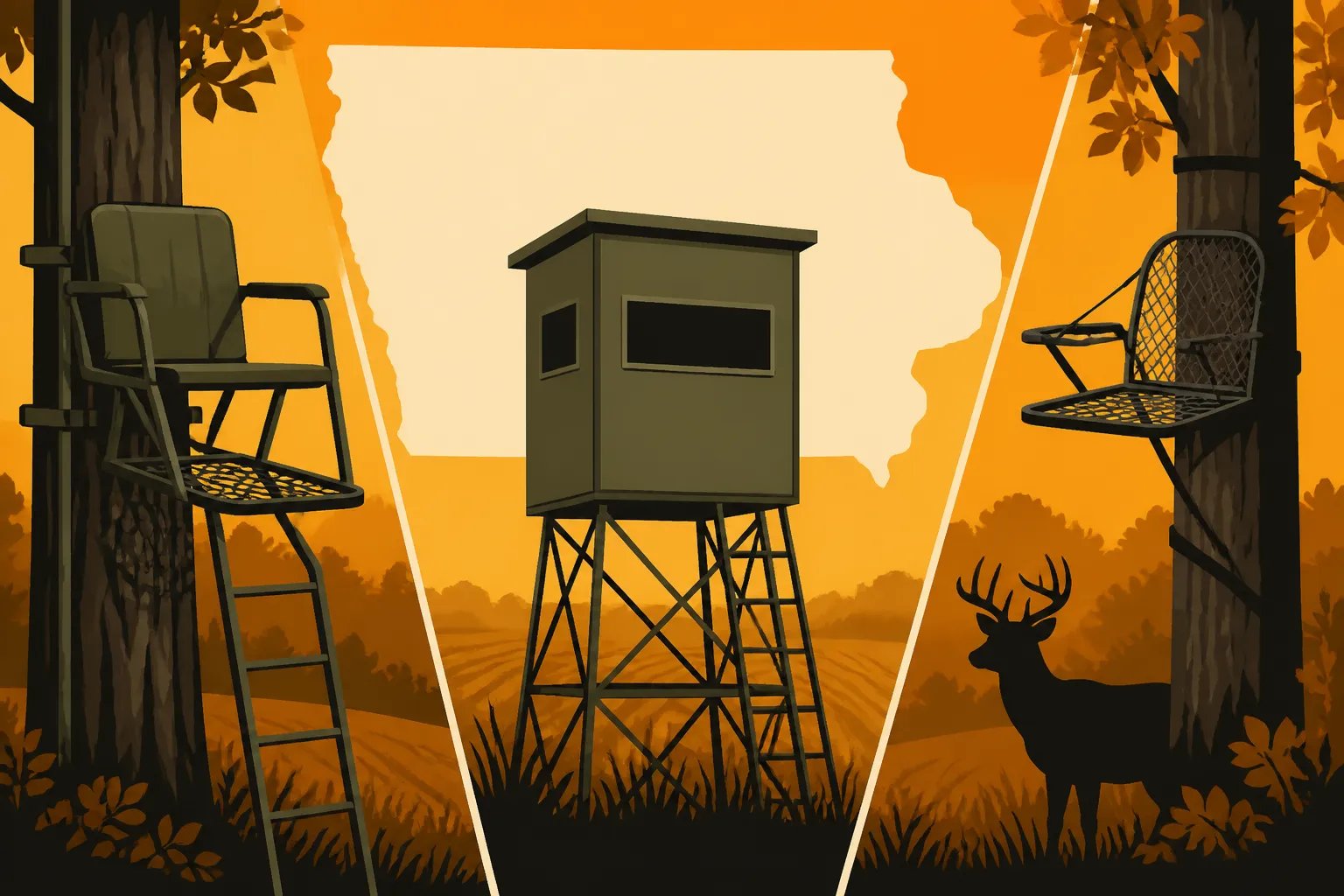
Hang-on stands, often called fixed-position stands, are exactly what they sound like: they "hang on" to a tree. These stands typically consist of a platform and a seat, and they require separate climbing aids, such as climbing sticks or screw-in steps, to get you into position. They are incredibly versatile and can be set up in a wide variety of trees, making them a favorite among hunters who prioritize adaptability and stealth.
The beauty of a hang-on stand lies in its flexibility. Once you've scouted a prime location, perhaps an active scrape line or a subtle deer trail leading into a bedding area, you can precisely position a hang-on stand to maximize your shooting lanes and concealment. Many hunters will leave several hang-on stands in various locations throughout their hunting property, especially on private land, allowing them to hunt different wind directions or adjust to changing deer patterns. For public land, however, remember the rules about leaving stands overnight, which vary by area. A critical aspect of hang-on stands is ensuring a solid, stable attachment to the tree. They are often secured with ratcheting straps or chains, and proper installation is paramount for safety.
Climbing Stands
Climbing stands offer a distinct advantage: self-sufficiency. Unlike hang-ons, they don't require separate climbing sticks or steps. A climbing stand typically consists of two sections – a foot platform and a seat section – that work together to "walk" you up the tree. You secure the bottom section to the tree with your feet, then slide the top section up with your hands, repeating the process until you reach your desired height.
This type of stand is a fantastic choice for mobile hunters who want to carry all their gear in and out each day. Imagine you've been e-scouting on your GoHunt app, spotting a promising river bottom far from any road, and you want to hunt it tomorrow. A climbing stand allows you to access that spot, climb a suitable tree, and hunt, then pack everything out without leaving a trace. The primary limitation of climbing stands is their tree dependence; they require a relatively straight, limbless tree to work effectively, which isn't always available in every patch of Iowa timber. Finding the right tree for a climber means sacrificing some flexibility in your exact stand placement, but the convenience of mobility often outweighs this for many.
Ladder Stands
Ladder stands are arguably the most comfortable and stable option for many hunters, especially those who prefer longer sits or need extra space. As the name suggests, they feature a ladder section that leans against the tree, leading up to a large platform and often a spacious, comfortable seat. They are generally heavier and bulkier than other stand types, making them less ideal for frequent relocation but perfect for permanent or semi-permanent setups.
The stability of a ladder stand is unmatched, offering a solid shooting platform and often enough room to stretch out or even hunt with a child. This makes them popular for family hunting traditions or for hunters who might have physical limitations that make climbing a challenge. While they are more conspicuous due to their size, careful placement and brushing in can minimize their visibility. Brushing In a Ground Blind might offer some transferable tips on concealment, even though it's a different type of setup. Installation can sometimes require two people due to their size, but once they're up, they provide a reliable and safe perch for an entire season or even multiple seasons if properly maintained.
Key Factors to Consider When Choosing a Treestand for Iowa Hunting
Picking out a treestand isn't a one-size-fits-all situation, especially when you consider the diverse hunting environments Iowa offers. From the dense, rolling timber of the southern counties to the isolated woodlots surrounded by crop fields, your choice of stand needs to align with your hunting style, the terrain, and your physical capabilities.
Public Versus Private Land Considerations
The type of land you hunt on significantly impacts your treestand choice. Private land often offers more flexibility. If you have permission on a large tract, you might set up multiple hang-on stands or ladder stands in strategic locations, leaving them out for the season. This saves you time and effort each hunt, allowing you to focus purely on the deer.
However, if you're like many Iowa hunters who frequent public land, mobility becomes paramount. State regulations for public hunting areas often dictate that stands must be removed daily or within a certain timeframe. For this reason, climbing stands or lightweight hang-on stands paired with easily portable climbing sticks are often the go-to. Dragging a bulky ladder stand through a mile of dense timber to a public land hotspot just isn't practical. When hunting public ground, you also need to be mindful of leaving minimal impact. Leaving No Trace on Iowa Walk-In Ground is a crucial philosophy to adopt, and your stand choice can play a big part in that. Consider lighter materials, quick setup and takedown, and stands that won't damage the trees.
Mobility Needs and Hunting Style
Are you a run-and-gun hunter, constantly scouting and moving to where the deer are? Or do you prefer to find a killer spot and stick to it, patiently waiting for a big buck? Your hunting style will heavily influence your ideal treestand. If you're highly mobile, covering miles in a day and adjusting to deer patterns on the fly, a lightweight climbing stand or a compact hang-on stand with portable climbing sticks is your best friend. These setups allow you to quickly move, adapt to changing winds, or exploit fresh deer sign.
On the flip side, if you're targeting a specific food source or bedding area you've identified through extensive scouting, and you plan to hunt that location repeatedly, a more permanent setup might be better. A comfortable ladder stand on a secluded field edge or a sturdy hang-on deep in a timber pinch point that you'll return to for multiple sits in the First Week of November Stand Choice can be advantageous. The less you have to fuss with setup, the more you can focus on the hunt itself. For those really getting into mobile hunting, something like Mobile Saddle Hunting in Iowa might even be a consideration beyond traditional treestands.
Tree Suitability and Terrain
Iowa's timber varies widely, from mature oak ridges to dense, young growth in creek bottoms. Not every treestand works in every tree. Climbing stands, for instance, are notoriously picky. They require a relatively straight, limbless tree with consistent diameter, usually in the 8-20 inch range, for safe and efficient climbing. Finding such a tree exactly where you want to hunt can be a challenge.
Hang-on stands are far more versatile, attaching to a wider range of trees, including those with some lean or irregularities. This allows for more precise placement within a prime hunting area, like a specific funnel or a cluster of oaks dropping acorns. Ladder stands, while stable, also require a fairly straight tree, and their sheer size means they need enough clear space around them for installation and to avoid standing out like a sore thumb. When you're Scouting Iowa Timber and River Bottoms, always keep an eye out for suitable "stand trees" as much as you're looking for deer sign. The presence or absence of a good stand tree can sometimes dictate where you decide to focus your efforts.
Comfort and Long-Term Sit Endurance
Let's be honest, hunting is often a game of patience, and in Iowa, that can mean sitting for hours in cold, wet, or windy conditions. Your treestand's comfort level directly impacts your ability to stay on stand and remain focused. A cramped, uncomfortable seat will have you fidgeting, potentially alerting deer, and sending you back to the truck prematurely.
Ladder stands generally win the comfort contest, offering spacious platforms and often padded, supportive seats. Many hunters can sit in a good ladder stand from dawn until dusk without excessive discomfort. Hang-on stands vary greatly; some are minimalist and designed for quick, short hunts, while others feature larger platforms and more comfortable seats. Climbing stands, due to their design, often have less spacious seats, though many models offer decent padding. If you plan on long, all-day sits, especially during the rut when deer can move at any time, investing in a stand with good ergonomics and comfort features will pay dividends. After all, a comfortable hunter is a patient hunter.
Advantages and Disadvantages of Each Treestand Type
Each type of treestand brings its own set of pros and cons to the Iowa woods. Understanding these deeply will help you weigh your options against your personal hunting priorities and the specific conditions you'll face in the field.
Hang-On Stand Pros and Cons
Pros of Hang-On Stands:
- Versatility: Hang-on stands are incredibly adaptable. They can be mounted on a wide variety of tree types, including those with slight leans, crooks, or multiple branches, as long as there’s a stable trunk for the platform. This flexibility allows you to precisely position your stand for optimal shooting lanes and concealment, no matter the tree.
- Stealthy Placement: Due to their relatively compact size and the ability to choose almost any suitable tree, hang-ons can be set up in very subtle, secluded spots. This is crucial when hunting pressured deer or trying to ambush a cautious buck moving through thick cover.
- Pre-Set Locations: Many hunters install multiple hang-on stands on their property, leaving them out for the season. This allows for quick, quiet access to different locations based on wind direction, food sources, or deer patterns without the need for extensive setup each hunt. This pre-positioning saves time and minimizes disturbance.
- Lighter Weight: Generally, hang-on stands are lighter than ladder stands, making them more manageable for longer treks into remote hunting areas. Even when paired with climbing sticks, the overall system can be lighter and more packable than a ladder stand.
Cons of Hang-On Stands:
- Requires Separate Climbing Aids: This is the most significant drawback. You need climbing sticks, screw-in steps (check local rules for public land, as Are Screw-In Steps Legal in Iowa? is a common question), or an aider system to get up the tree. This means more gear to carry and more time/effort for setup.
- Initial Setup Time: The first time you set a hang-on stand in a new tree, it can be quite time-consuming. You're installing not just the stand but also the climbing sticks, ensuring each piece is secure and safe. This can be challenging in the dark before a morning hunt.
- Safety Harness Reliance: While all treestand hunting requires a safety harness, the process of transitioning from climbing sticks to the stand, and then from the stand back to the sticks, can feel less secure to some, especially for beginners. A lineman's belt is essential during the entire setup and takedown process.
- Comfort Varies: Entry-level hang-on stands can be quite basic with minimal seating, leading to discomfort on longer sits. While higher-end models offer more comfort, they also come with a higher price tag and often more weight.
Climbing Stand Pros and Cons
Pros of Climbing Stands:
- Ultimate Portability and Mobility: This is where climbing stands shine. You carry one piece of equipment in, climb the tree, and climb down, packing everything out when you're done. No need for separate sticks, making them ideal for run-and-gun hunting or public land where stands must be removed daily.
- Quick Setup (on the right tree): Once you find a suitable tree, a climbing stand can be deployed relatively quickly. There's no fumbling with multiple sections of climbing sticks or screw-in steps. This speed is a huge advantage when you're trying to get into position silently and efficiently.
- Height Flexibility: You can easily adjust your hunting height with a climber. If you get up to 15 feet and realize you need another 5 feet for a better shooting lane over an obstruction, you can usually ascend further without much hassle.
- Less Gear to Remember: Having a single, self-contained unit means fewer chances to forget a crucial piece of gear back at the truck. It simplifies your pack list.
Cons of Climbing Stands:
- Tree Dependent: The biggest limitation. Climbing stands require a straight, limbless tree with a consistent taper, usually between 8 and 20 inches in diameter. Finding such a tree in the exact spot you want to hunt can be difficult, sometimes forcing you to compromise on location.
- Noise During Ascent: While a skilled climber can be quiet, the act of "walking" the stand up the tree can generate some noise. This might not be ideal when trying to slip into a bedding area just before dawn.
- Less Stable for Shots: While safe, the two-piece design can feel less stable than a fixed hang-on or a ladder stand, especially when maneuvering for a shot or if you need to stand and turn.
- Physical Exertion: Climbing with a stand takes physical effort. If you're not in good shape, or if you're hunting in particularly cold weather with heavy layers, climbing can be exhausting and cause you to sweat, compromising your scent control.
Ladder Stand Pros and Cons
Pros of Ladder Stands:
- Superior Comfort: Ladder stands typically offer the largest platforms and most comfortable seats. Many come with backrests, armrests, and ample space to move around, making them excellent for all-day sits in comfort.
- Excellent Stability: Once secured, ladder stands are incredibly stable, providing a solid, secure platform that inspires confidence, especially for less experienced hunters or those who dislike heights.
- Easy Access: The ladder provides easy and safe ascent and descent, which is beneficial for hunters of all ages and physical abilities. It also makes carrying gear up and down easier.
- Can Accommodate Two Hunters: Some larger ladder stands are designed for two people, making them perfect for mentoring a youth hunter or enjoying a hunt with a friend. This can be especially good for Blind Hunting for Turkeys With Kids, which shares some principles of static, comfortable setups.
Cons of Ladder Stands:
- Lack of Portability: They are heavy, bulky, and generally not designed for frequent relocation. Transporting a ladder stand into a remote area is usually a two-person job and a significant undertaking.
- Conspicuous: Their size makes them more visible in the woods, requiring careful placement and brushing in to minimize their profile. This can make them less suitable for highly pressured areas where deer are constantly looking up.
- Limited Tree Options: Like climbers, ladder stands require a relatively straight tree to lean against and secure to. They also need enough open space around the base for the ladder to be positioned properly.
- Installation Can Be Labor-Intensive: Setting up a ladder stand, especially a large one, often requires two people and a good amount of time and effort. It's not a quick-deploy solution.
| Treestand Type | Key Advantage | Key Disadvantage | Best For | Portability | Comfort | Tree Versatility |
|---|---|---|---|---|---|---|
| Hang-On | Versatile tree placement | Needs separate climbing | Pre-scouted spots, diverse timber | Medium | Medium | High |
| Climber | Highly mobile/portable | Tree-specific | Run-and-gun, public land, scouting new areas | High | Medium | Low |
| Ladder | Unmatched comfort/stability | Heavy, low mobility | Long sits, permanent spots, hunting with kids | Low | High | Medium |
Setting Up Your Treestand Safely and Effectively
Once you've decided on the type of treestand that fits your Iowa hunting style, the next crucial step is learning how to set it up correctly and, most importantly, safely. A poorly installed stand or neglecting safety measures can turn an exciting hunt into a dangerous situation.
Pre-Season Preparation and Site Selection
The work for a safe and effective treestand hunt starts long before opening day. Pre-season scouting is paramount. Use tools like GoHunt to identify potential stand locations, review topographical maps, and understand access points. Once you've narrowed down a few areas, hit the woods on foot. Look for clear deer trails, rub lines, scrape areas, and food sources. More importantly, scout for suitable trees within these hotspots. For a climbing stand, you're looking for that perfect, straight oak or maple. For a hang-on, you have more options, but still prioritize a sturdy, healthy tree.
Before you even think about climbing, clear any obstructions around the base of your chosen tree. Remove deadfall, thorny brush, or anything that could impede your ascent or descent, or create noise when you eventually walk out. Take mental notes, or even better, mark your entry and exit routes using a GPS or mapping app. This helps ensure you can access your stand quietly and safely in the dark. Consider the sun's position throughout the day and how it might impact your visibility to deer or your comfort, especially in the early season. Think about potential shooting lanes from your desired height and trim any small branches that might interfere with a shot – do this before the season if possible, to minimize disturbance. Best Stand Locations in Rolling Timber will give you ideas for where to focus your scouting efforts.
Proper Installation Techniques
Regardless of the stand type, proper installation is non-negotiable for safety. For hang-on stands, ensure your climbing sticks are securely fastened before you ascend each section. Use a lineman's belt throughout the entire process of installing sticks and the stand itself. This keeps you tethered to the tree at all times, preventing a fall. When attaching the stand, ensure it is level and tightly secured to the tree using all straps or chains provided by the manufacturer. Over-tighten rather than under-tighten.
For climbing stands, practice climbing with it at ground level first. Understand how it "bites" into the tree and how to adjust your weight. When in the field, choose a tree with bark that the stand's teeth can grip effectively. Ensure both sections are securely engaged before moving. As you ascend, frequently check that both sections are stable. For ladder stands, often a two-person job, make sure the base is on firm, level ground. Secure the ladder tightly to the tree at multiple points, especially at the top platform, using all the provided straps and bracing. Always double-check every connection point before considering the stand fully installed. Never rush this process.
Essential Safety Gear and Practices
Your treestand is only as safe as your commitment to using the right gear and following best practices. The single most important piece of safety gear is a full-body safety harness. You should be wearing it from the moment your feet leave the ground until they return to solid earth. No exceptions. A good harness will distribute the impact of a fall and keep you upright, preventing suspension trauma. Make sure your harness fits correctly and you understand how to use its tether and lifeline. Safety Harness Fit and Suspension Relief is a vital read for any treestand hunter.
Always use a haul rope to bring your bow, crossbow, or firearm up and down from your stand. Never climb with your weapon. Attach it securely to the rope, climb up, get settled, then pull it up. Reverse the process when descending. Carry a cell phone for emergencies, a whistle, and a sharp knife. Tell someone exactly where you are hunting and when you expect to return. Consider carrying an emergency descender device as a backup to your harness. And perhaps most importantly, inspect your stand, straps, and harness before every hunt. Look for fraying, cracks, or any signs of wear and tear, especially after harsh weather or if the stand has been left out for a while.
Maintenance, Longevity, and Off-Season Storage
A treestand is an investment, both financially and in your safety. Proper care and maintenance ensure your stand lasts for years, providing reliable service season after season. Neglecting it can lead to dangerous equipment failures.
Regular Inspections and Wear Assessment
Throughout the hunting season, and especially before each hunt, make a habit of visually inspecting your treestand. Look for any signs of damage:
- Straps and Chains: Check for fraying, cuts, stretched fibers, or rust on chains. These are critical components holding your stand to the tree. If you see any significant wear, replace them immediately. Animals like squirrels or porcupines can chew through straps, so be vigilant, particularly if your stand is left out.
- Welds and Bolts: Inspect all welded joints for cracks. Ensure all bolts, nuts, and pins are present and securely tightened. Vibration from transport or wind can sometimes loosen fasteners.
- Cables and Connections: For climbing stands, check the condition of the cables and their connection points to the stand sections. Any kinks, rust, or fraying mean they need replacement.
- Platform and Seat: Look for bent metal, damaged mesh, or torn seat fabric. While these might not be immediate safety hazards, they can compromise comfort and indicate overall wear.
- Tree Contact Points: Ensure any parts of the stand that grip the tree are not excessively worn or damaged, as this can affect stability.
If you find significant issues, don't take chances. Either repair the stand with manufacturer-approved parts or replace it entirely. Your life literally depends on it.
Cleaning and Rust Prevention
After the season, or if your stand has been out in wet conditions, a thorough cleaning is in order. Use a stiff brush to remove mud, dirt, and any organic material that might promote rust. A mild soap and water solution can be used, but ensure you rinse it thoroughly and dry it completely before storage.
For metal stands, especially those made of steel, rust is the enemy. Consider applying a light coat of rust-inhibiting spray or grease to any metal components that are prone to rusting. Pay special attention to hinges, bolts, and cable connections. If you find surface rust, remove it with fine steel wool or a wire brush, then apply rust-inhibiting paint or a protective coating. Avoid getting grease or oil on foot platforms or seat areas where you need traction. Many modern stands are made from aluminum or coated steel, which are more resistant to rust, but even these benefit from proper care.
Off-Season Storage Best Practices
Once the hunting season is over, how you store your treestand can significantly impact its longevity. Ideally, stands should be stored indoors in a dry, temperature-controlled environment.
- Disassemble (if practical): For ladder stands, consider disassembling them into manageable sections. This makes them easier to store and inspect. Hang-on and climbing stands can often be folded flat.
- Remove Straps: Take off all cam buckle straps, ratchet straps, and safety harnesses. Clean them, inspect them for wear, and store them separately from the stand. This prevents them from being exposed to prolonged stress or moisture while also allowing for easier inspection.
- Organize: Keep all components, especially small pins, bolts, and washers, in a clearly labeled bag or container so they don't get lost.
- Elevate: Don't just toss your stand in a corner where it can sit on a damp concrete floor. Elevate it on blocks or hang it to ensure air circulation and prevent moisture accumulation.
- Pest Protection: Store stands where mice or other rodents can't chew on straps or padding. If storing in a shed, consider rodent deterrents.
Following these practices will ensure that when you pull your stand out for next season, it's in prime condition and ready to safely take you to your next Iowa whitetail. You can find more detail on proper storage in Overnight Stand Storage on Public Ground, even if you're not leaving it overnight, the principles of protection still apply.
Choosing the Right Stand for Different Iowa Hunting Scenarios
Iowa's diverse landscapes and dynamic hunting seasons mean that one treestand might not be the ideal solution for every situation. Matching your stand choice to the specific conditions and your hunting goals can significantly improve your chances of success.
Early Season Bowhunting Over Food Sources
The early archery season in Iowa, typically starting in October, often means warmer weather and deer still heavily reliant on predictable food sources like cornfields, soybean fields, or even newly dropped acorns in oak timber. For these situations, mobility and quiet setup are crucial, but so is comfort for potentially long sits in varying conditions.
-
Hang-on stands excel here. You can identify specific pinch points or inside corners where deer enter fields, or a small cluster of productive oak trees. Setting up a hang-on stand weeks before the season means minimal disturbance when you hunt. You can also deploy several stands, allowing you to choose based on wind direction without needing to move a stand on the day of the hunt. Consider a model with a slightly larger platform for comfort during extended sits, but prioritize stealth. If you're hunting an open area, ensure your stand is brushed in well. Hunting Inside Corners of Crop Fields is a perfect example of a scenario where a well-placed hang-on can make all the difference.
-
Ladder stands could also work well if you've identified a persistent entry point on private land that you plan to hunt repeatedly. Their comfort is a huge advantage for those long, early-season evenings.
Mid-Season Rut Hunting in Timber Funnels
As October fades into November, Iowa's deer herd enters the frantic phase of the rut. Bucks are on the move, cruising for does, and their patterns become less about food and more about breeding activity. This is when funnels, saddles, and pinch points in the timber become absolute hotspots.
-
Climbing stands can be excellent for rut hunting, especially if you're actively seeking out fresh sign. Imagine walking into a timber block, checking your GoHunt mapping app, and finding a fresh scrape line with huge rubs leading into a narrow valley. With a climber, you can quickly find a suitable tree nearby, ascend, and be hunting that very day. This adaptability is key when deer patterns are unpredictable. Just remember the limitation of needing a straight, limbless tree.
-
Mobile hang-on setups are another fantastic option for the rut. Paired with lightweight climbing sticks or the "one-stick" method, you can quickly set up a stand in a new spot each day, chasing the hottest sign. This allows you to hunt specific terrain features like Saddles and Benches Deer Cross Daily or timber points between two fields, without being restricted by tree type. Mobility during the rut is often a huge advantage, allowing you to be where the action is.
Late Season Over Heavy Cover and Food
Late season hunting in Iowa, particularly in December and January, often involves colder temperatures and deer concentrating on the most persistent food sources and the thickest thermal cover. Deer are focused on survival, and they become incredibly wary.
-
Ladder stands or pre-set hang-on stands are generally favored here. Comfort becomes paramount when the mercury drops. Being able to sit still for hours in freezing temperatures requires a stable, comfortable platform. You'll likely be targeting specific standing corn fields, bean field edges that still have waste grain, or areas with persistent browse like honeysuckle near dense bedding cover. The ability to minimize movement and maximize stealth is key, and a well-brushed-in, comfortable stand allows you to do just that.
-
Ground blinds can also be an excellent alternative for late season, especially in open country or dense thermal cover where treestand opportunities are limited, or if you prefer to stay out of the wind. They offer superior concealment and warmth, which can be a huge benefit when the temperatures really plummet.
Ultimately, the "best" treestand for Iowa timber depends heavily on your individual hunting strategy, the specific property you're hunting, and your comfort level with different setups. Many seasoned Iowa hunters actually own multiple types of stands, allowing them to adapt to any situation the dynamic whitetail season throws their way.
Disclaimer
This article is for general informational purposes only and does not constitute professional advice. Laws, prices and regulations vary by location and change over time. Consult a qualified professional for guidance on your specific situation.