Saylorville Wildlife Area Access
Many hunters across Iowa, especially those near larger metropolitan areas like Des Moines, often face the frustrating challenge of finding easily accessible public hunting land that isn't completely saturated with other outdoor enthusiasts. The Saylorville Wildlife Area, while certainly popular due to its proximity, presents a sprawling and diverse landscape that offers a variety of hunting opportunities if you know how to approach it. This comprehensive guide is designed to help you navigate this extensive public hunting ground, from understanding its unique characteristics and access points to mastering the regulations and strategies needed for a successful hunt.
Understanding Saylorville Wildlife Area
Before you even load up your gear, it's essential to grasp the nature of Saylorville Wildlife Area. It's not just another patch of public ground; it's a significant component of a much larger flood control project that blends recreation, wildlife management, and sometimes, intense hunting pressure. Knowing its purpose and layout can give you a considerable advantage in planning your hunts.
What is Saylorville Wildlife Area?
The Saylorville Wildlife Area is managed by the U.S. Army Corps of Engineers, primarily as part of the Saylorville Lake flood control project on the Des Moines River. This means its primary function is flood mitigation, but the land surrounding the lake and river corridor is also dedicated to various recreational activities, including extensive hunting. Located just north of Des Moines, it's a vast expanse of public land that provides a critical greenbelt and wildlife corridor for Central Iowa.
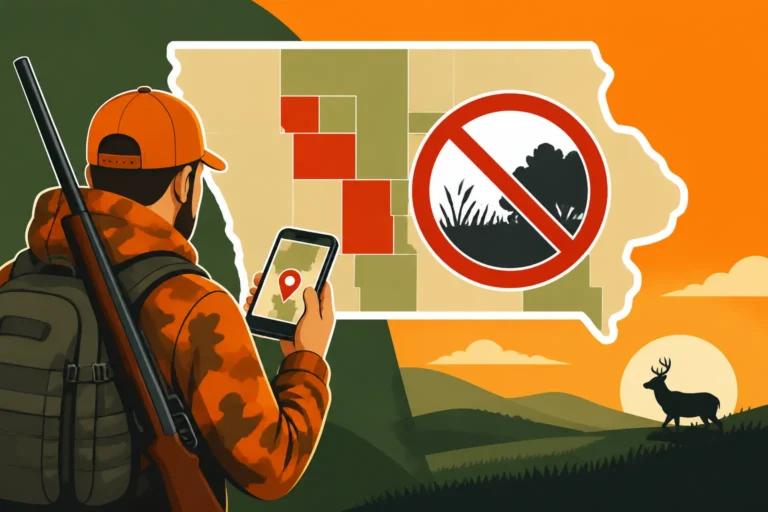
Unlike some state-managed wildlife areas, the Corps land has a unique blend of uses. You'll find designated recreation zones with campgrounds, boat ramps, and hiking trails where hunting is strictly prohibited, alongside vast tracts of timber, grasslands, and agricultural fields open to hunters. It's crucial to understand these distinctions, as accidentally crossing into a no-hunting zone can lead to serious consequences. This intricate mosaic of usage makes detailed mapping a non-negotiable part of your planning process.
Types of Hunting Available
Saylorville Wildlife Area offers a wide spectrum of hunting opportunities, catering to various preferences and seasons. For many, deer hunting is the main draw, and the area supports healthy populations accessible through archery, shotgun, and muzzleloader seasons, depending on the specific zone and state regulations. The mix of cover, from dense timber to CRP grasslands and food plots, provides excellent habitat for whitetails.
Beyond deer, upland bird hunters can find opportunities for pheasants and quail, particularly in the extensive grassland and brushy areas that are actively managed. Waterfowl hunting is also popular, especially along the Des Moines River backwaters and smaller ponds within the complex, attracting ducks and geese migrating through the region. For those who enjoy chasing smaller game, the timbered sections are home to squirrels and rabbits, while opportunistic hunters can pursue predators like coyotes throughout the year.
General Terrain and Habitat
The landscape of Saylorville Wildlife Area is incredibly diverse, which is one of its greatest strengths for hunters. You'll encounter a rich tapestry of habitats, including mature hardwood timber, dense cedar thickets, expansive cool-season and warm-season grasslands (often CRP), and fertile river bottomlands. The Des Moines River, which flows through the heart of the area, heavily influences the terrain, creating numerous oxbows, sloughs, and creek drainages that act as natural travel corridors for wildlife.
Many sections feature rolling hills intersected by small creeks and ravines, offering natural funnels and bedding areas. The Corps of Engineers and Iowa Department of Natural Resources also manage portions of the area, including food plots and agricultural fields, some of which are leased to farmers while others are left standing or manipulated for wildlife benefit. This blend of natural and managed habitat provides crucial food, cover, and water sources, creating a dynamic environment where game species can thrive, but also where hunters need to be adaptable and strategic in their approach.
Navigating Access Points and Regulations
Successfully hunting Saylorville means more than just knowing what game lives there; it's about understanding how to legally and effectively access the vast property and adhering to all the specific rules that govern this multi-use area. Ignorance of boundaries or regulations is no excuse, and precise planning is key.
Key Access Points and Parking
Accessing Saylorville Wildlife Area can sometimes feel like a puzzle, especially for first-time visitors. The area has numerous designated parking lots and access points along main roads and less-traveled gravel roads. Some areas are well-marked, while others might require a bit more searching. It's critical to identify these points before your hunt, as parking in unauthorized areas can lead to fines or towing. Many areas offer walk-in only access, which means you'll need to park and hoof it a considerable distance, often a good strategy for escaping pressure.
It's also important to be aware that river levels can significantly impact access, particularly during spring and early summer floods. Areas that are typically dry and accessible might become submerged, making certain parking lots and trails unusable. Always check local conditions and river forecasts if you plan to hunt close to the Des Moines River itself. Relying on digital mapping tools becomes absolutely essential here to pinpoint legal parking, understand terrain, and plan your routes effectively.
Specific Hunting Regulations to Know
While general Iowa hunting regulations apply across Saylorville Wildlife Area, there are often specific rules pertinent to public lands and those managed by the Corps of Engineers. One common regulation on public ground is the strict prohibition against using screw-in steps for tree stands, which damage trees. You'll need to use climbing sticks or ladder stands that don't harm the bark. For a more in-depth look at stand rules, check out Portable Stand Rules on Iowa Public Ground. Also, leaving stands unattended for extended periods or overnight often has specific timelines and tagging requirements, so be sure to consult the most current Iowa DNR regulations.
It's crucial to be aware of Iowa's Iowa Carcass Transport Restrictions due to Chronic Wasting Disease (CWD), especially if you harvest a deer in a CWD-positive county within Iowa or if you're transporting it across county lines. There are also strict Iowa Public Land Baiting Rules that prohibit placing bait for deer and other game, which includes mineral blocks and food piles. Always carry your hunting license and tags, and be prepared to report your harvest promptly after taking game. The area might also have specific zones where certain weapons are restricted or where target shooting is forbidden. Always read the most current Iowa hunting regulations booklet before your hunt.
Using Digital Tools for Navigation
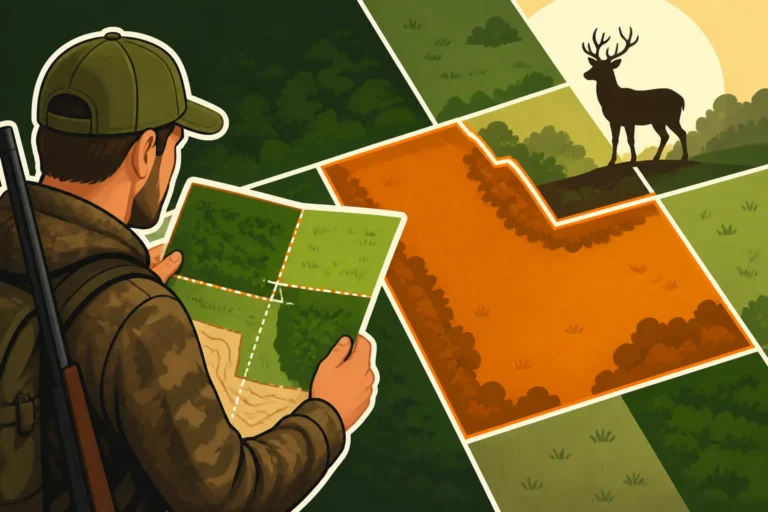
In today's hunting world, digital mapping applications are no longer a luxury—they are a necessity, especially when navigating complex public lands like Saylorville Wildlife Area. Platforms like onX Hunt are invaluable resources for hunters. These apps allow you to view detailed satellite imagery, overlay property lines (crucial for distinguishing public from private ground), identify different habitat types, and even mark potential stand locations or game sign. For anyone looking to maximize their time afield, leveraging these tools for E-Scouting Iowa Farm Country From Home before you even step foot in the woods is a game-changer.
You can download maps for offline use, which is a lifesaver when you find yourself in areas with spotty cell service, a common occurrence in remote timber blocks. These digital maps can also help you identify topographical features like subtle elevation changes, creek bottoms, and ridge lines that often dictate deer movement. While onX Hunt is fantastic for mapping, resources like GoHunt can provide supplementary regulatory information, season dates, and even insights into hunting pressure or draw statistics for other areas (though Saylorville is generally open access, state-level regulatory changes are still important). Don't forget to familiarize yourself with Using the Iowa DNR Hunter Atlas which is the official source for public land maps from the state, often showing specific land management units and rules.
Tips for a Successful Hunt at Saylorville
Hunting public land successfully, particularly an area as dynamic and popular as Saylorville, requires more than just showing up. It demands strategic scouting, an understanding of how hunting pressure influences animal behavior, and an ability to adapt your tactics to the changing seasons and weather.
Scouting Strategies for Saylorville
Effective scouting is the bedrock of a successful hunt at Saylorville. Given the area's diverse terrain, pre-season scouting on foot is crucial. Look for natural funnels, pinch points, and cover transitions that deer might use. Identify active deer trails, rub lines, and scrape clusters that indicate mature buck activity. Pay close attention to food sources, whether natural mast crops like acorns, browse in dense cover, or agricultural fields bordering the public land. Understanding the topography and how deer use it, perhaps by learning how to expertly read Reading an Iowa Timber Draw for Deer Sign or identifying Saddles and Benches Deer Cross Daily, will provide significant insight.
Post-season scouting after the hunting pressure dies down is also incredibly valuable. This is when you can find shed antlers, revealing where bucks winter and often providing clues about their preferred bedding areas. During late spring and summer, identify water sources, especially during dry periods, as these become magnets for wildlife. Use your digital mapping tools in conjunction with your boots-on-the-ground efforts, cross-referencing satellite imagery with what you observe to build a comprehensive picture of deer movement patterns.
Managing Hunting Pressure
Saylorville Wildlife Area's accessibility from a major metropolitan area means it can experience significant hunting pressure, especially on weekends, during opening days of seasons, and in easily accessible areas. To mitigate this, consider strategies that help you get away from the crowds. This often means walking farther than most hunters are willing to go, exploring less obvious access points, or focusing your efforts on weekdays when fewer people are afield. Understanding Hunting Pressure Patterns on Iowa Public Land can help you predict where deer will seek refuge.
Deer on heavily pressured public land quickly become nocturnal or move into the thickest, nastiest cover they can find. Your goal should be to find those overlooked pockets that provide sanctuary. This might involve navigating dense multiflora rose thickets, wading through marshy areas, or simply heading deep into expansive timber blocks. Planning Access Routes That Do Not Bump Deer is vital; consider using creek beds or natural depressions to sneak into your stand undetected, especially during morning hunts. Being adaptable and willing to change your strategy if you encounter other hunters is key to avoiding frustration and staying safe.
Seasonal Considerations and Best Times
The Saylorville Wildlife Area offers different opportunities depending on the season and weather conditions. During the early archery season in September and early October, deer often concentrate around reliable water sources, especially if temperatures are warm. Targeting areas near ponds or small creeks, as detailed in Early-Season Bowhunting Over Water, can be productive. As the rut approaches in late October and November, focus shifts to funnels and pinch points along creek bottoms and timber edges where bucks are cruising for does. Knowing When the Iowa Rut Peaks can help you time your hunts for maximum effectiveness.
For shotgun seasons in December, the increased pressure often means deer are on the move. This can be an excellent time for party hunting and organized drives in the larger timber blocks, as described in Iowa Shotgun Season Tactics for Party Hunting, provided you understand and follow all safety protocols. During the late muzzleloader and January antlerless seasons, food sources become paramount. Focus on standing corn or specific food plots within or bordering the wildlife area, as deer will be trying to pack on calories during the cold. For more insights on this, refer to Late-Season Food Source Hunting in Iowa. Always be mindful of weather fluctuations; high water can limit access, while heavy snow can concentrate deer, changing their movement patterns.
Saylorville Wildlife Area Hunting Overview
Here's a quick reference for planning your hunt at Saylorville:
| Aspect | Details | Key Considerations |
|---|---|---|
| Location | North of Des Moines, central Iowa | Easily accessible, but also means higher pressure |
| Managed By | U.S. Army Corps of Engineers (with DNR cooperation) | Check Corps regulations in addition to state DNR rules |
| Primary Game | Whitetail Deer, Pheasant, Quail, Waterfowl, Small Game, Coyote | Diverse opportunities across seasons |
| Terrain | Mix of timber, grasslands (CRP), river bottom, agricultural fields | Variety provides diverse habitats for different species |
| Access | Numerous designated parking lots and walk-in points | Digital mapping (onX Hunt) is critical; river levels can impact access |
| Regulations | Standard Iowa rules apply, plus Corps-specific regs | No screw-in steps, strict baiting laws, CWD carcass rules, check for specific closures |
| Pressure Management | Hunt weekdays, walk deeper, scout overlooked areas, use stealthy access | Expect crowds on weekends and early season; adapt to deer behavior |
Disclaimer
This article is for general informational purposes only and does not constitute professional advice. Laws, prices and regulations vary by location and change over time. Consult a qualified professional for guidance on your specific situation.