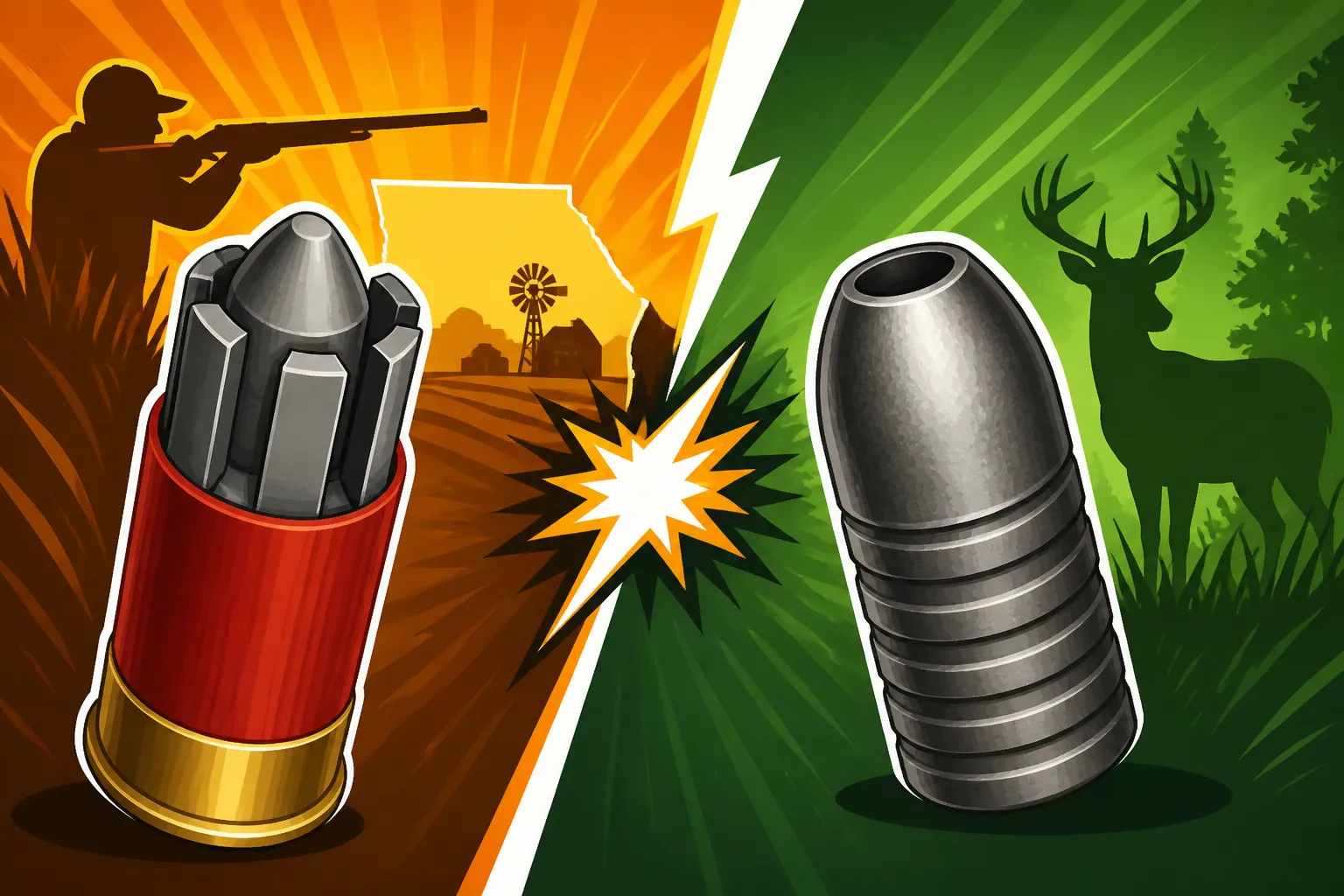
Sabot Versus Foster Slugs
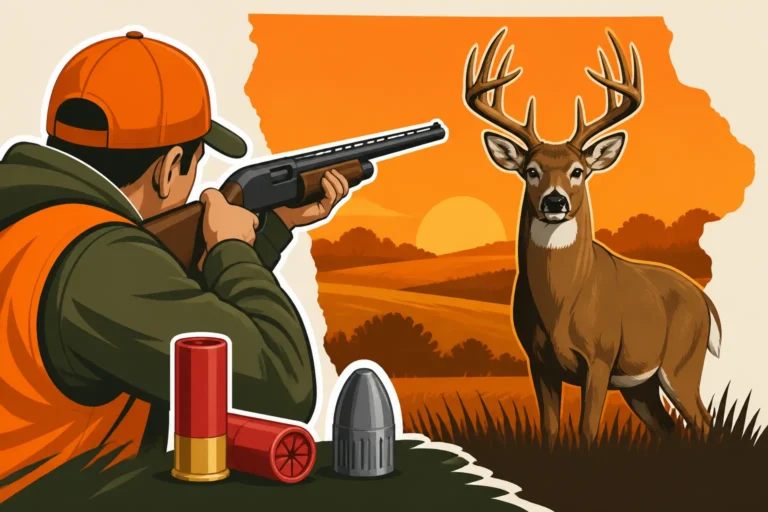
Hunting deer in Iowa with a shotgun can feel like you're navigating a maze of choices, especially when it comes to ammunition. Many of us remember the days when a slug was just a slug, but modern advancements have introduced options that can make your head spin. You're standing there, looking at boxes of Foster slugs and sabot slugs, wondering which one is actually going to perform best when that Iowa giant steps out. It's a common frustration, and this guide is here to clear up the confusion so you can pick the right ammunition for your shotgun and hunting scenario, ensuring you're ready for whatever the Iowa timber or field edge throws at you.
Understanding Shotgun Slug Fundamentals
Before we dive deep into the specific types, let's nail down what a shotgun slug actually is and why we even use them for deer hunting in places like Iowa. Unlike birdshot or buckshot, which send a pattern of small pellets downrange, a slug is a single, large projectile designed for big game. It's effectively turning your shotgun into a large-caliber rifle for single-shot accuracy and stopping power.
Why Slugs for Iowa Deer Hunting?
Iowa, like many states, has historically restricted deer hunting with centerfire rifles in much of the state, primarily due to population density and safety concerns in agricultural landscapes. This means shotguns, muzzleloaders, and straight-wall cartridge rifles have been the go-to for gun seasons. For many years, the shotgun slug was the standard for Iowa deer hunters. This regulatory environment has driven significant innovation in slug technology, pushing manufacturers to improve accuracy and range from what was once considered a relatively short-range firearm. When you're in the field during Iowa First and Second Shotgun Seasons, understanding your slug choice is paramount to success within these regulations.
The Basic Mechanics of a Slug
At its core, a slug is designed to transfer a massive amount of energy to the target at close to medium ranges. The sheer mass of a slug, combined with its velocity, creates a powerful impact. However, the aerodynamics and stability of these projectiles vary wildly, leading to distinct differences in how they perform downrange. This is where the difference between Foster and sabot slugs truly comes into play, dictating everything from your effective range to the type of barrel you need.
Foster Slugs: The Traditional Approach
Let's start with the old faithful, the Foster slug. This is likely what comes to mind when most folks think of a "shotgun slug." It’s been around for a long time, and for good reason—it’s simple, effective, and works in just about any shotgun.
What Exactly Is a Foster Slug?
A Foster slug is a lead projectile with a hollow base, which gives it a shuttlecock effect, helping it to fly nose-forward. You'll notice it has "rifling" or grooves on the outside. This isn't actually rifling in the sense of imparting spin on the projectile. Instead, these grooves are primarily there to allow the slug to compress as it passes through a choke and to reduce friction. The slug itself is often slightly smaller than the bore diameter, and its stability largely comes from its weight-forward design and the air resistance on its hollow base.
When you launch a Foster slug, it travels down a smoothbore barrel, meaning the barrel itself has no rifling. It gains no spin from the barrel. Its flight is more akin to a dart, stabilized by its shape rather than rotational force. This design makes it incredibly versatile, as it doesn't require any special barrel to function safely and reasonably effectively.
Advantages of Foster Slugs
There are several compelling reasons why Foster slugs remain popular, especially for certain hunting situations in Iowa:
- Cost-Effectiveness: Generally, Foster slugs are significantly more affordable than sabot slugs. For hunters who want to put a lot of practice rounds downrange without breaking the bank, or for those who don't hunt slugs frequently, this is a huge plus. Every dollar counts, and saving on ammo can mean more money for other gear, or even another hunting trip.
- Smoothbore Compatibility: This is the big one. Foster slugs are designed to work perfectly with standard smoothbore shotgun barrels. You don't need a specialized, expensive rifled barrel to shoot them. This makes them an excellent choice for hunters using their general-purpose pump-action or semi-automatic shotguns that also pull double duty for upland birds or waterfowl. If you've got a standard shotgun, you've got a Foster slug gun.
- Reliability in Thick Cover: In dense timber or heavy brush, where shots are typically up close and personal, the Foster slug shines. Its heavy construction means it's less likely to be deflected by small twigs or branches compared to a lighter, faster projectile. When a whitetail busts out at 30 yards in a creek bottom, a Foster slug delivers devastating energy on target. For scenarios like Hunting a Narrow Creek Corridor or Iowa Whitetail Hunting Tactics Through the Rut in heavy cover, they can be incredibly effective.
Limitations and Ideal Scenarios for Foster Slugs
While reliable, Foster slugs do have their drawbacks:
- Limited Accuracy and Range: This is the trade-off for simplicity. Because they don't spin, Foster slugs are inherently less accurate at longer distances. Beyond about 75-100 yards, their accuracy drops off significantly, and hitting a deer consistently becomes challenging. You might achieve 4-6 inch groups at 50 yards, which is perfectly acceptable for close-range timber hunting, but it's not precision rifle accuracy. This limitation is why most experienced hunters confine their shots with Foster slugs to shorter ranges.
- Trajectory: Foster slugs tend to have a more pronounced rainbow-like trajectory at longer ranges. This means holdover becomes a critical factor, and misjudging distance even slightly can result in a missed shot or, worse, a wounded animal.
For Iowa hunters, Foster slugs are ideal for close-quarters hunting. Think heavy timber, creek bottoms, or shotgun drives where shots are consistently under 75 yards. If your hunting involves still-hunting through thickets, or participating in Shotgun Season Drives in Small Timber with other hunters, a smoothbore shotgun with Foster slugs is a perfectly viable and ethical choice, provided you know your effective range and stick to it.
Sabot Slugs: The Modern Precision Tool
Now, let's shift gears to the sabot slug—the modern answer for hunters seeking rifle-like accuracy from their shotguns. These are a completely different animal, designed to maximize precision and extend range.
What Exactly Is a Sabot Slug?
A sabot slug is not a slug in the traditional sense. Instead, it's a smaller, aerodynamic bullet (often made of lead, copper, or a combination) encased in a plastic sleeve called a "sabot" (pronounced SAY-bow). This plastic sabot fills the bore of a rifled shotgun barrel. As the round is fired, the rifling in the barrel imparts a spin on the sabot and the projectile inside it, much like a rifle bullet. Once the slug exits the barrel, aerodynamic forces cause the plastic sabot to separate and fall away, leaving the bullet to continue its gyroscopically stabilized flight downrange.
This ingenious design allows the internal projectile to be smaller than the bore, meaning it can be shaped like a rifle bullet for superior aerodynamics, while the sabot ensures a tight gas seal and allows the barrel's rifling to do its job.
Advantages of Sabot Slugs
When it comes to performance, sabot slugs truly stand out:
- Superior Accuracy: This is the primary reason hunters choose sabot slugs. When fired from a rifled barrel, they can deliver accuracy comparable to many centerfire rifles at moderate ranges. We're talking 2-3 inch groups, or even tighter, at 100 yards with a good setup. This level of precision dramatically increases your confidence and ethical range for Shot Placement on a Whitetail at Twenty Yards and beyond.
- Extended Range: With improved accuracy comes extended range. Many hunters can ethically take deer out to 150-200 yards with a well-matched sabot slug and rifled barrel combination, sometimes even further depending on the specific load and hunter skill. This opens up opportunities for hunting larger food plots, open fields, or power line cuts that would be out of range for a Foster slug. Imagine a buck stepping out onto a picked bean field in late season; a sabot slug gives you a real shot at that distance.
- Flatter Trajectory: The more aerodynamic shape of the sabot slug's projectile results in a much flatter trajectory compared to Foster slugs. This simplifies aiming at varying distances and reduces the amount of holdover needed, making long-range shots more forgiving.
- Terminal Performance: Modern sabot slugs are often designed with advanced bullet construction, similar to rifle bullets. They might feature bonded cores, ballistic tips, or controlled expansion designs to ensure reliable and devastating terminal performance on deer, even at extended ranges. This means excellent energy transfer and consistent wound channels.
Limitations and Ideal Scenarios for Sabot Slugs
Despite their impressive performance, sabot slugs aren't without their downsides:
- Rifled Barrel Requirement: This is the biggest catch. Sabot slugs must be fired from a rifled barrel to achieve their potential accuracy and stability. Firing them through a smoothbore barrel will typically result in very poor accuracy, as the plastic sabot cannot engage non-existent rifling to impart spin, and the projectile is often too small to be stable on its own. A dedicated rifled barrel, or a purpose-built slug gun with a rifled barrel, is a significant investment.
- Cost: Sabot slugs are considerably more expensive than Foster slugs, often costing several times more per box. This can make extensive practice sessions a pricey endeavor. It's important to budget for this, especially when trying different brands to find what shoots best in your particular gun.
- Recoil: While both types of slugs produce substantial recoil, some of the heavier sabot slug loads, especially in 12 gauge, can be quite stout. This is a real consideration, particularly for smaller-framed shooters or those sensitive to recoil. Managing Recoil From a Twelve Gauge Slug is crucial for accuracy and an enjoyable hunting experience.
Sabot slugs are the choice for hunters who prioritize precision and extended range in Iowa. If you're hunting expansive agricultural fields, looking to reach across larger timber clearings, or simply want the most accurate shotgun setup possible, investing in a rifled barrel and quality sabot slugs is the way to go. Researching different brands and bullet weights on resources like GoHunt can help you find the perfect match for your firearm.
Rifled Barrels vs. Smoothbore Barrels: The Crucial Distinction
The type of barrel on your shotgun is the single most important factor in deciding whether to shoot Foster or sabot slugs. Getting this wrong won't just lead to frustration; it can lead to dangerous inaccuracy.
Smoothbore Barrels
Most traditional shotguns come with smoothbore barrels. These are barrels with no spiraling grooves (rifling) inside. They're designed to effectively shoot patterns of shot (birdshot, buckshot) and, traditionally, Foster slugs.
- Foster Slugs in Smoothbore: This is their natural home. The Foster slug's design accounts for the lack of spin, relying on its weight distribution for stability. You might get decent accuracy out to 75 yards, maybe 100 on a good day with a well-choked barrel.
- Sabot Slugs in Smoothbore: Absolutely not recommended for accuracy. Without rifling to impart spin, a sabot slug's projectile tumbles wildly. You'd be lucky to hit a pie plate at 50 yards, making it an unethical choice for hunting. Think of it like throwing a football end-over-end; it might go, but it certainly won't be accurate.
Rifled Barrels
These barrels feature helical grooves that spin the projectile as it travels down the bore. This spinning action, known as gyroscopic stabilization, is what allows a bullet to fly accurately and maintain its point of aim over longer distances.
- Sabot Slugs in Rifled Barrels: This is the intended combination. The sabot engages the rifling, imparts spin to the internal bullet, and then separates, leaving a highly accurate, stable projectile. This pairing unlocks the full potential of sabot slugs.
- Foster Slugs in Rifled Barrels: While physically possible to shoot, it's generally not recommended. The soft lead of a Foster slug can actually "strip" in the rifling, meaning the rifling might not properly engage or might even shave lead off the slug. This can foul your barrel and often results in worse accuracy than shooting a Foster slug from a smoothbore. The grooves on a Foster slug aren't designed for barrel rifling. Stick to smoothbore for your Foster slugs.
The general rule of thumb for Rifled Barrels Versus Smoothbore Slugs is simple: smoothbore for Foster, rifled for sabot. Don't mix and match if you want optimal performance and ethical accuracy.
Real-World Application in Iowa Hunting Scenarios
Let's bring this home to specific situations you'll encounter while hunting deer in the Hawkeye State. Your choice between Foster and sabot slugs should align with your specific hunting strategy and environment.
Thick Timber and Creek Bottom Hunts
Iowa's timber, especially in the southern counties or along river drainages, can be incredibly dense. Visibility might be limited to 50 yards or less, and shots are almost always close. In these scenarios, a smoothbore shotgun paired with Foster slugs is a formidable setup.
- Why Foster Excels Here: The accuracy limitations of Foster slugs become largely irrelevant when your shots are consistently within 20-60 yards. The heavy slug maintains its energy, and its ability to punch through light brush without significant deflection can be an advantage. You're not trying to thread a needle at 150 yards; you're stopping a deer that just blew out of a cedar thicket. Plus, many of us already own a versatile smoothbore shotgun, making it a cost-effective choice for this type of hunting.
- Considerations: When moving through thick cover, quick target acquisition is key. A simple bead sight or a low-power scope on your smoothbore can be effective. Practicing quick, off-hand shots at varying close distances will build confidence. Reading an Iowa Timber Draw for Deer Sign often means finding yourself in these close-quarters environments.
Open Field Edges and Food Plots
Many Iowa hunts involve sitting on the edge of a standing cornfield, a picked soybean field, or overlooking a lush food plot. Here, a deer might step out at 100, 150, or even 200 yards. This is where the long-range precision of a sabot slug shines.
- Why Sabot is Superior: Trying to hit a deer consistently at 150 yards with a Foster slug is a low-percentage shot. A sabot slug fired from a rifled barrel, however, makes this a much more ethical and achievable shot. The flatter trajectory reduces guesswork, and the improved accuracy allows for precise Shot Placement on a Whitetail at Twenty Yards, which is critical at longer distances. If you're setting up a ground blind on a field edge, having that extended range capability can make a huge difference. GoHunt maps can help you identify these longer-range scenarios when scouting.
- Considerations: A good scope is almost a necessity for sabot slugs, allowing you to maximize their accuracy. Investing in quality optics and taking the time to properly zero your setup, perhaps at Zeroing a Slug Gun at Fifty Yards and then confirming at 100 and 150 yards, is non-negotiable. Don't just assume your new sabot gun is perfect out of the box. Every gun and slug combination is unique.
Public Land vs. Private Land Implications
On public hunting areas, particularly walk-in access properties, you might be covering varied terrain. Some sections might be dense timber, others more open.
- Versatility on Public Land: If you're restricted to one shotgun setup for a diverse public land hunt, a rifled barrel and sabot slugs generally offer more versatility, allowing you to take shots across varying distances. However, if you know you'll be primarily hunting dense river bottom property on Hunting Iowa Walk-In Ground Without Burning It Out, a smoothbore with Fosters could be perfectly adequate and lighter to carry.
- Cost vs. Access: For many hunters, public land means longer walks, more effort, and sometimes tighter budgets. The higher cost of sabot slugs and a dedicated rifled barrel might be a barrier for some, making the more economical Foster slug and smoothbore combination an attractive option.
Making Your Decision: Key Factors to Consider
Choosing between Foster and sabot slugs isn't about one being inherently "better" than the other. It's about finding the best fit for your specific hunting style, equipment, and the terrain you'll be hunting in Iowa.
1. Barrel Type and Budget
This is the most critical factor.
- Do you have a smoothbore barrel? If so, your choice is clear: Foster slugs are your best bet. You can potentially buy an aftermarket rifled choke tube for a smoothbore, but this is a compromise and rarely delivers the accuracy of a true rifled barrel.
- Do you have a dedicated rifled slug barrel or a fully rifled slug gun? Then sabot slugs are what you need to unlock its potential.
- What's your budget? Foster slugs are significantly cheaper for practice and hunting. If you're on a tight budget, they allow you more trigger time. If you can invest in a rifled barrel and pricier sabot slugs, you'll gain range and accuracy.
2. Anticipated Shot Distances
Be honest with yourself about the realistic distances you expect to shoot a deer.
- Mostly under 75 yards? Foster slugs are perfectly adequate and lethal.
- Regularly anticipate shots from 75 to 150+ yards? Sabot slugs are essential for ethical, clean kills at those ranges. You'll need to know your Slug Gun Range Limits in Iowa and stick to them.
3. Recoil Management
Let's face it, slugs kick. A lot.
- Are you recoil sensitive? While both have stout recoil, you might find some lighter Foster loads or certain 20-gauge slug options more manageable. However, if you're going with 12-gauge sabot slugs, be prepared for a punch. Practice helps, but excessive recoil can lead to flinching and poor shooting.
- Youth hunters: For younger hunters or those new to shotguns, the recoil from 12-gauge slugs can be intimidating. A 20-gauge smoothbore with Foster slugs or even a 20-gauge rifled barrel with specific sabot loads can be a much more pleasant and confidence-building experience.
4. Ethical Considerations
Above all, our responsibility as hunters is to make clean, humane kills. This means choosing ammunition that you can shoot accurately within its effective range.
- Don't stretch the capabilities of a Foster slug beyond 100 yards, no matter how tempting a big buck might be.
- Don't just buy expensive sabot slugs and assume they'll be accurate; you must test them extensively with your specific firearm.
5. Research and Testing
Once you've considered these factors, it's time for research. Resources like GoHunt can provide reviews and comparisons of different slug brands and types. However, the ultimate test is on the range.
- Buy a few different brands/weights of your chosen slug type.
- Head to the range and shoot them from your actual hunting shotgun. Every gun is a law unto itself; what shoots great in your buddy's Remington might be terrible in your Mossberg.
- Zero your scope properly. Practice from various positions you might encounter in the field, like sitting, kneeling, or from your Ground Blinds in Iowa Farm Country.
- Take notes on accuracy and point of impact for each brand. Stick with the one that consistently performs best.
The table below offers a quick comparison of the two slug types:
| Feature | Foster Slugs | Sabot Slugs |
|---|---|---|
| Barrel Type | Smoothbore (ideal), okay with rifled choke | Rifled barrel (required for accuracy) |
| Accuracy (Typical) | 4-6 inch groups at 50 yards | 2-3 inch groups at 100 yards (or better) |
| Effective Range | ~75-100 yards (max) | ~150-200 yards (or more) |
| Cost Per Round | Lower (more economical) | Higher (premium ammunition) |
| Projectile Design | Hollow base, soft lead, "pseudo-rifled" exterior | Smaller, rifle-like bullet in plastic sabot |
| Stabilization Method | Weight-forward design (dart-like flight) | Gyroscopic spin from rifling |
| Recoil | Significant (can vary with load/gauge) | Significant (can be very stout with heavy loads) |
| Ideal Use in Iowa | Thick timber, close-range drives, budget hunting | Open fields, food plots, long-range precision shots |
Conclusion
The choice between Foster and sabot slugs for your Iowa deer hunt boils down to your equipment, your budget, and the specific terrain you'll be hunting. There’s no universal “best” option; only the best option for your unique situation. If you're a timber hunter operating in dense cover with a smoothbore shotgun, a reliable Foster slug is a perfectly lethal and economical choice. However, if you're eyeing those longer shots across an open field and have invested in a rifled slug barrel, a high-performance sabot slug is the clear winner for accuracy and extended range. Do your homework, test your chosen ammunition rigorously, and head into the Iowa deer woods with confidence, knowing you've made an informed decision for a successful and ethical hunt.
Disclaimer
This article is for general informational purposes only and does not constitute professional advice. Laws, prices and regulations vary by location and change over time. Consult a qualified professional for guidance on your specific situation.