Compound Bow Draw Weight for Deer
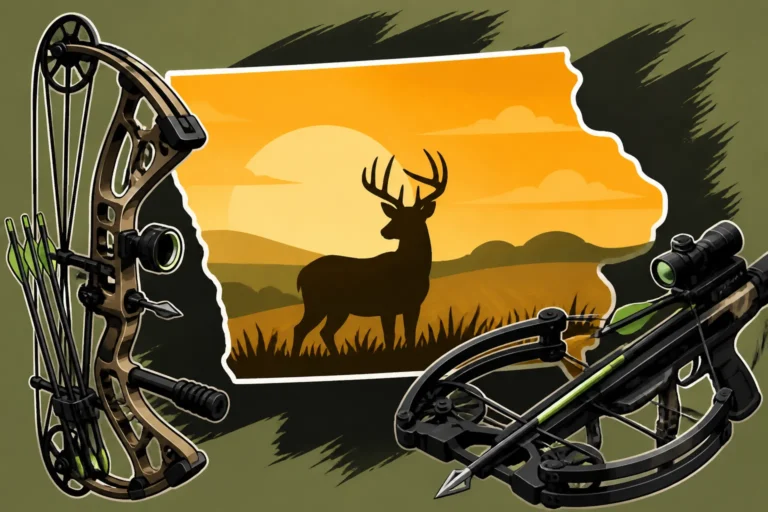
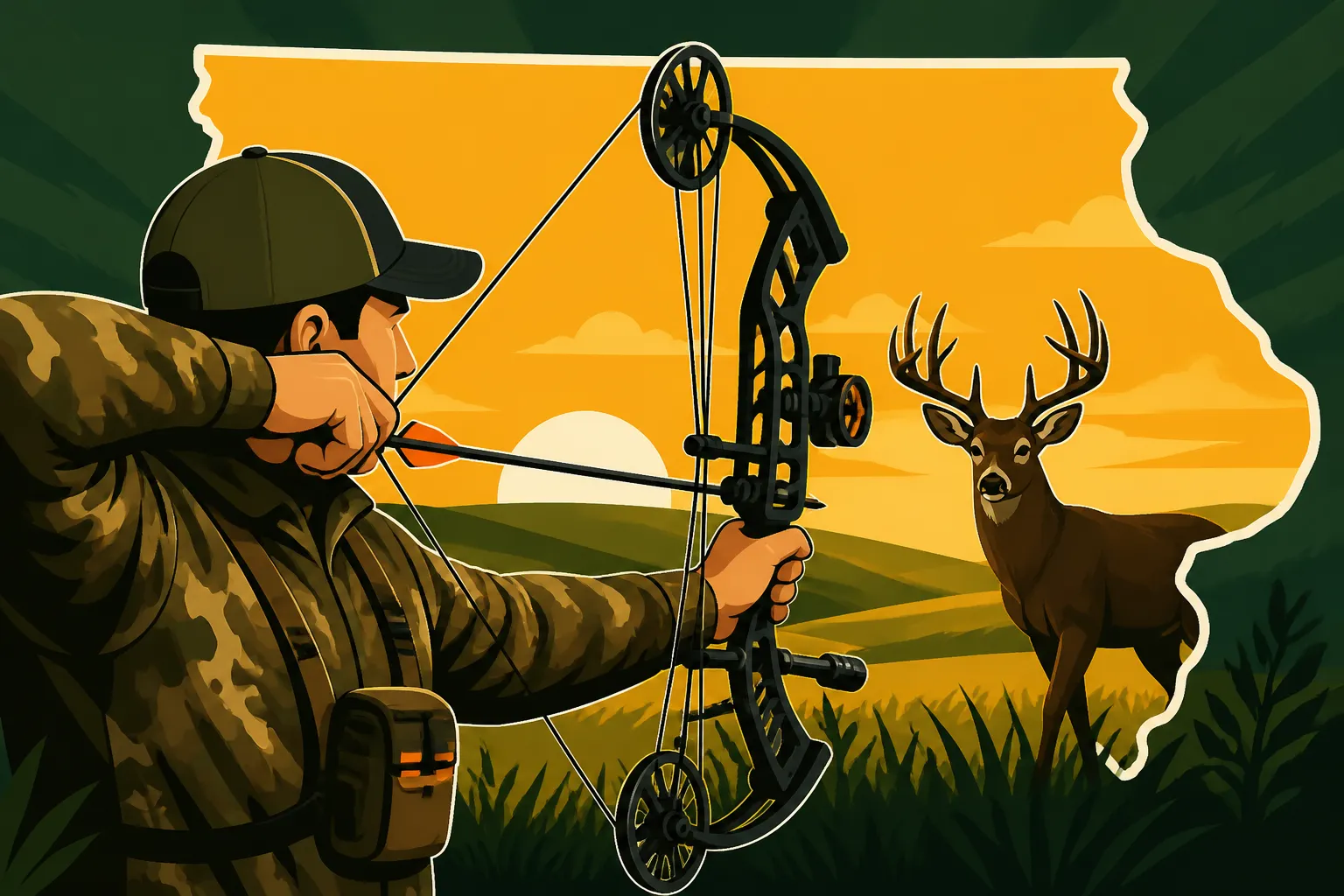
Figuring out the right compound bow draw weight for deer hunting can feel like a riddle wrapped in an enigma, especially when you're preparing for Iowa's challenging whitetail season. Many hunters get caught up in the "more is better" mindset, but pushing too much weight can actually hinder your accuracy and ruin an otherwise perfect hunt. This guide is all about helping you understand the sweet spot for draw weight, ensuring you can make an ethical, confident shot when that Iowa giant steps out.
What Draw Weight Do You Really Need for Iowa Whitetails?
Let's be honest, we've all been there: at the pro shop, feeling like we need to pull the heaviest bow possible to be a "real" hunter. But when it comes to consistently making ethical shots on Iowa whitetails, brute strength isn't the only, or even the most important, factor. What truly matters is your ability to hold steady, execute a clean release, and put that arrow exactly where it needs to go, every single time. This means finding a draw weight that you can comfortably manage under real hunting conditions, not just on the range.
The conversation around draw weight often boils down to two key aspects: meeting legal requirements and upholding your personal ethical responsibilities. Iowa has specific rules, but merely meeting the minimum doesn't guarantee a clean kill if you can't handle the bow effectively. It's about combining sufficient power with pinpoint accuracy, ensuring your arrow delivers maximum kinetic energy precisely to the vital organs.
Iowa's Legal Minimums for Bow Draw Weight
When you're gearing up for archery season here in Iowa, the first thing you absolutely need to know are the regulations. The Iowa Department of Natural Resources (DNR) sets clear guidelines for the equipment we can use, and that includes minimum draw weights for bows. It’s not just about what you can pull, but what the law says you must pull to ensure a humane harvest.
For compound bows, Iowa has a minimum draw weight that you must meet. This regulation is in place to ensure that any arrow propelled by a hunting bow has enough kinetic energy to effectively penetrate a deer's hide, muscle, and bone to reach the vitals. While specific numbers can change, generally, you're looking at a minimum draw weight that's designed to prevent underpowered shots that could wound an animal rather than cleanly harvest it. It’s always smart to double-check the most current Iowa Hunting Regulations pamphlet or the official DNR website before each season, as rules can sometimes be updated. Many hunters also rely on resources like GoHunt, which often compile these regulations in an easy-to-digest format, saving you time scrolling through dense legal speak. Remember, these are minimums, not recommendations for optimal performance.
The Ethical Harvest: Beyond the Minimum
Meeting the legal minimum draw weight is just the starting line. The real heart of the matter, for any responsible hunter, is the ethical harvest. This means striving for the quickest, most humane kill possible. An ethical harvest isn't just about pulling the legal minimum; it's about being proficient enough with your equipment to guarantee a lethal shot every single time you release an arrow at a deer. Think about it: if you're struggling to pull your bow back smoothly, shaking at full draw, or can't hold it steady for more than a few seconds, you're not ready.
An arrow that’s slightly off due to fatigue or instability at full draw can lead to a wounded animal and a long, difficult blood trail – or worse, a lost deer. This is a frustration we all want to avoid. We owe it to the animals we pursue to be at our absolute best. This means being able to draw your bow smoothly, hold it steadily at full draw for a reasonable amount of time (what if the deer takes one more step or turns slightly?), and execute a surprise release without flinching or anticipating the shot. An ethical approach means choosing a draw weight you can confidently handle even when adrenaline is pumping, you’re slightly out of breath after a stalk, or you’ve been sitting motionless in a cold treestand for hours. It’s about being realistic with yourself and prioritizing clean kills above all else. Shot Placement on a Whitetail at Twenty Yards is a great resource to revisit regularly, ensuring your aim is true where it counts.
Matching Draw Weight to Your Strength and Shooting Style
Choosing the right draw weight isn't a competition; it's a personal assessment. What works perfectly for your buddy, who might spend five days a week in the gym, might be far too much for you, especially if your primary physical activity is chasing kids around the yard. Your ideal draw weight is a careful balance between your physical capabilities and your consistent accuracy. You want enough power to get the job done, but not so much that it compromises your form, stability, or stamina during a hunt. A bow that feels easy to pull means better control, less fatigue, and ultimately, a more accurate shot.
It’s crucial to remember that hunting situations are rarely like the calm environment of an archery range. You might be drawing your bow after a brisk walk through thick timber, while shivering from the cold, or from an awkward position in a treestand. These factors can all make a draw weight that felt fine at home suddenly feel insurmountable.
Assessing Your Physical Capability
So, how do you really know what you can handle? It starts with an honest assessment of your current physical strength. Don't just try to yank back the heaviest bow you can; instead, focus on control and smoothness. When you're at your local archery shop, or with your own adjustable bow, try drawing different weights.
Here’s a simple test:
- Draw and Hold: Can you draw the bow smoothly, without jerking or using your toes to push off the ground? Once at full draw, can you hold it steady for at least 30 seconds without significant strain or shaking?
- Repeatability: Can you do this 10 times in a row without your muscles feeling completely fried? Can you do it from a seated position, or even slightly off-balance, simulating a real hunting scenario?
- Controlled Let-Down: Can you let the bow down slowly and quietly, without it jumping forward? This is crucial if a deer turns its head or walks off before you can shoot.
If you struggle with any of these, that draw weight is likely too high for consistent, ethical hunting. It's far better to shoot a lighter bow with perfect form than struggle with a heavier one and compromise your shot. Many successful Iowa deer hunters comfortably use draw weights between 40-60 pounds, delivering perfectly lethal shots. Platforms like GoHunt can also offer forums and community insights where you can discuss what other hunters in Iowa find effective for their build and hunting style, offering a broader perspective beyond just personal trial and error.
The Impact of Draw Weight on Accuracy and Fatigue
Too much draw weight is a silent killer of accuracy and consistency, especially when you're under pressure in the field. When your draw weight is too high for your strength, your form inevitably breaks down. You might compensatory movements like craning your neck, dipping your bow arm, or torquing the riser. All of these introduce inconsistencies that cause your arrows to stray from the mark. Think of it like trying to paint a fine detail with a brush that's too heavy for your hand – you just can’t get the precision you need.
Beyond accuracy, excessive draw weight leads to rapid fatigue. Imagine drawing your bow several times during a practice session, or holding it at full draw for an extended period because a buck paused behind a tree limb. If your muscles are screaming after just one or two draws, how will you perform when an adrenaline-fueled whitetail presents a fleeting shot opportunity? Fatigue causes shakes, makes holding steady difficult, and can even lead to premature or rushed releases. In the Iowa timber, every second at full draw counts, and every ounce of strength preserved means a steadier shot. This directly impacts your ability to make a clean kill, which is why optimizing for comfort and consistency over raw power is paramount.
Adjusting Your Bow and Building Strength
Most modern compound bows offer a significant range of draw weight adjustment, often 10 to 15 pounds, sometimes more. This is a huge advantage for hunters. If you find your current setting is too much, don't be afraid to back it off. Loosening the limb bolts (always follow your bow manufacturer's instructions, or have a pro shop do it) can reduce the peak draw weight, making it easier to pull and hold. Start at a comfortable weight where you can execute perfect form, and then, if you wish, gradually increase it as your strength improves.
| Draw Weight Range | Hunter Type | Key Benefit | Potential Downside |
|---|---|---|---|
| 40-50 lbs | Youth, Beginner, Smaller Frame, Injury Recovery | Easier to draw, excellent for learning form, low fatigue | Less kinetic energy, shorter effective range |
| 50-65 lbs | Average Adult, Proficient, Majority of Hunters | Good balance of power and manageable draw, suitable for most conditions | Can still cause fatigue if not conditioned |
| 65-70+ lbs | Strong Adult, Experienced, Well-Conditioned | Maximum kinetic energy, longer effective range (if accurate) | High potential for fatigue, form breakdown if not strong enough, noisy draw if rushed |
To build strength specifically for archery, focus on exercises that mimic the drawing motion. Resistance bands, dumbbell rows, and pull-ups can all help strengthen your back, shoulders, and core muscles, which are critical for drawing and holding your bow. Consistency is key here. A few minutes of targeted exercises several times a week, combined with regular shooting practice, will make a noticeable difference. You can also look into things like Tuning a Bow Before Iowa's Opener which often includes optimizing cam timing and draw length, both of which can subtly impact how a particular draw weight feels to you.
Draw Weight Considerations for Different Iowa Hunting Scenarios
Iowa presents a diverse range of hunting scenarios, from the humid early fall to the biting cold of late December. The ideal draw weight, or rather, your ability to handle a certain draw weight, can be influenced by these environmental and positional factors. What feels comfortable on a warm, sunny day in a backyard might feel like wrestling a bear when you're bundled up in layers and trying to draw from a cramped treestand on a frigid morning. Being aware of these variables and preparing for them is part of becoming a truly effective Iowa hunter.
It's not just about the weather; it's about the entire hunting experience. Will you be doing a lot of still hunting, requiring you to draw quickly and quietly? Or are you settling into a blind for a long sit, where you need to be able to draw after hours of stillness? Each situation brings its own set of challenges that can impact your ability to draw your bow smoothly and accurately. For those using tools like GoHunt, understanding the terrain and expected weather for your specific Iowa hunting zones can help you simulate those conditions in your practice sessions, further refining your draw weight choice.
Early Season Warmth Versus Late Season Cold
The temperature can play a significant role in how well you manage your bow's draw weight. Iowa's early archery season in October can be surprisingly warm. You're likely wearing lighter clothing, your muscles are warm, and drawing your bow feels relatively easy. This can sometimes give a false sense of security, leading hunters to believe they can handle a heavier draw weight than they truly should. Early-Season Bowhunting Over Water is a tactic often employed in these warmer periods, and you might not be as bundled up.
Fast forward to late season. We're talking December, possibly even the January antlerless hunts. You're layered up like an onion: thermal base layers, fleece, perhaps a heavy insulated jacket and bibs. All those clothes add bulk and restrict movement, making a smooth draw much more challenging. Cold muscles are also less flexible and powerful. A draw weight that was manageable in October might feel impossibly heavy in January when you’re numb from the cold and restricted by stiff clothing. It’s why many seasoned Iowa hunters opt for a draw weight they can comfortably pull even when heavily dressed and chilled. You don't want to be fighting your equipment when that late-season buck finally appears at the edge of the Standing Corn Late in the Iowa Season. Test your draw weight in your actual hunting clothes, in cooler temperatures, to get a realistic feel.
Treestand vs. Ground Blind Shooting
The position from which you're shooting is another huge factor in how a particular draw weight feels and performs.
From a treestand, especially if you're elevated 15-20 feet, you're often in a somewhat confined space. You might be drawing with your bow arm slightly restricted by the stand's platform or a tree trunk. Drawing from a seated position, or twisting to shoot at an angle, requires more core strength and stability. A draw weight that’s borderline too heavy can easily lead to shaky arms, compromised form, and a rushed shot when you're trying to pivot and draw while perched in a tree. This is a common struggle for those not conditioned for these specific movements.
Conversely, in a ground blind, you typically have more room to maneuver, especially if it’s a spacious pop-up blind. You can often sit comfortably in a chair, allowing for a more stable draw. However, drawing from a seated position still engages different muscle groups than standing, and some hunters find it more challenging. If you’re hunting out of a blind, practice drawing from your actual hunting chair to get accustomed to the mechanics. Consider how quickly you need to draw; sometimes deer appear suddenly, requiring a swift, smooth motion. Whether you're hanging stands on Hanging Stands on Iowa Public Ground or brushing in a Brushing In a Ground Blind, practicing the draw from these actual hunting setups is invaluable for confirming your chosen draw weight is appropriate.
Mobile Hunting and Quick Draws
For those who embrace mobile hunting tactics, like saddle hunting or run-and-gun approaches on Public Land Deer Hunting in Iowa, the demands on draw weight can be even more pronounced. Mobile hunting often involves more movement, stalking, and quick setups. You might be slightly winded when an opportunity arises, or needing to draw from an awkward position with minimal notice. In these scenarios, having a draw weight that allows for a smooth, fast, and quiet draw is absolutely critical.
Every second counts when a wary Iowa buck presents itself. A draw weight that causes you to struggle or make excess noise during the draw could cost you the shot. When you're constantly moving, you're not always in a perfectly controlled environment. You might need to draw while kneeling, or while bracing against a tree. A lighter, more manageable draw weight allows for greater flexibility and confidence in these dynamic situations. It allows you to focus on the deer and the shot, rather than fighting your equipment. The ability to pull your bow effortlessly means you'll be less likely to hesitate, ensuring you capitalize on those fleeting chances that mobile hunting often provides.
Conclusion
Choosing the right compound bow draw weight for your Iowa deer hunt isn't about bragging rights; it's about respect for the animal, effective hunting, and ensuring you have the best possible chance at a clean, ethical harvest. While Iowa has its legal minimums, your personal maximum should always be dictated by what you can consistently draw smoothly, hold steadily, and shoot accurately under real-world hunting conditions.
Take the time to assess your strength, practice from various positions, and understand how factors like weather and hunting style impact your capability. Don't be afraid to reduce your draw weight if it means gaining more control and consistency. A perfectly placed arrow from a 50-pound bow is far more effective than a poorly placed arrow from a 70-pound bow. Ultimately, confidence in your ability to make the shot, backed by solid practice and appropriate gear, is your most potent weapon in the Iowa deer woods.
Disclaimer
This article is for general informational purposes only and does not constitute professional advice. Laws, prices and regulations vary by location and change over time. Consult a qualified professional for guidance on your specific situation.