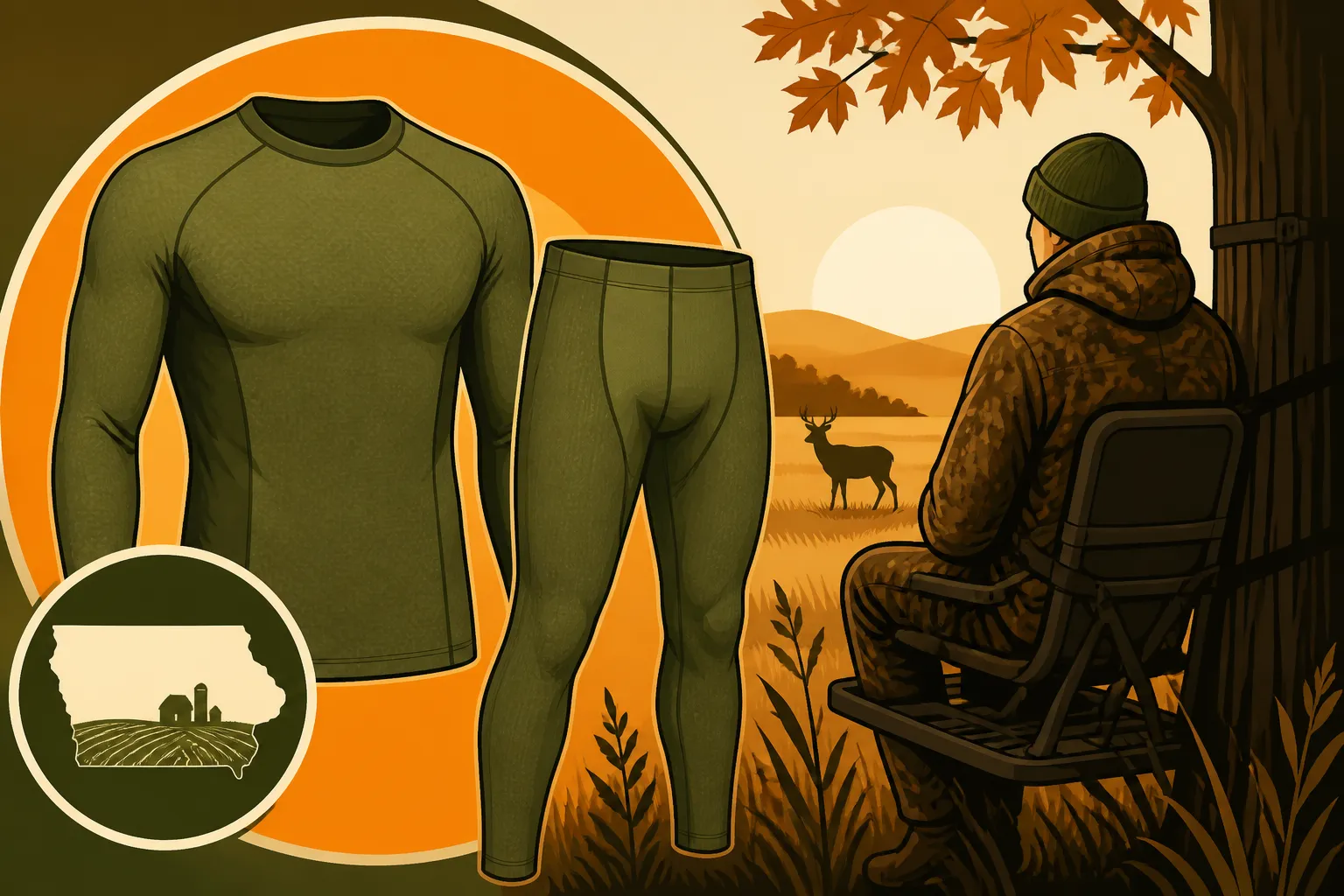
Base Layers for an All-Day Sit
There's nothing quite like the anticipation of an all-day sit in an Iowa treestand or ground blind. You've scouted your spot, hung your stand, and you're ready to put in the hours needed to catch that elusive whitetail buck moving midday. But if you’re not dressed correctly, that dream hunt can quickly turn into a shiver-inducing ordeal, chasing you out of the woods long before you planned. The real secret to enduring those long, cold hours and staying focused isn't just a thick outer jacket; it's what you put on first, directly against your skin – your base layers. This guide will walk you through making the right choices to stay warm, dry, and comfortable, no matter what unpredictable Iowa weather throws at you.
Why Base Layers Are Your Secret Weapon for All-Day Sits
When you're committing to an all-day sit in Iowa, you're not just fighting the cold; you're also battling your own body's moisture. Even on the coldest days, hiking into your stand or making minor adjustments can cause you to break a sweat. If that sweat stays next to your skin, it quickly turns cold, and suddenly you're freezing, even with heavy layers on top. Base layers are designed to address this fundamental problem, laying the groundwork for your entire warmth and comfort system.
The Science of Warmth and Wicking
At its core, a good base layer works by performing two critical functions: insulating your body and managing moisture. Your body naturally produces heat, and a base layer helps to trap a thin layer of warm air against your skin, slowing down heat loss. This insulation is a vital first step, but without proper moisture management, it’s all for naught. When you sweat, whether from exertion on the walk in or just a momentary burst of adrenaline, a quality base layer draws that moisture away from your skin and transfers it to the outer surface of the fabric. This process, known as wicking, allows the moisture to evaporate or move to subsequent layers, keeping your skin dry. A dry hunter is a warm hunter. Without this wicking action, sweat saturates your clothing, rapidly conducting heat away from your body and making you feel much colder than the ambient temperature would suggest.
Imagine hiking through a river bottom in early November, carrying your pack, your bow, and perhaps even some climbing sticks for Mobile Saddle Hunting in Iowa. You might start to feel a little warm, even break a light sweat. If your base layer isn't wicking efficiently, that moisture will sit against your skin, turning clammy and cold the moment you stop moving and the exertion subsides. This is why the base layer is often referred to as the "foundation" of your hunting attire. It's not about adding bulk; it's about intelligent temperature regulation right from the start.
Preventing Hypothermia and Discomfort
Beyond just feeling a bit chilly, inadequate base layers can lead to genuine discomfort and even dangerous situations, particularly during the brutal late-season Iowa hunts. When your core body temperature drops due to sustained exposure to cold and wet conditions, you risk hypothermia. Even mild hypothermia can impair judgment, coordination, and reaction time, which are all vital for a safe and successful hunt. A properly selected base layer significantly mitigates this risk by keeping you warm and dry, allowing your other layers to perform their insulating duties effectively.
Think about a crisp December morning, sitting through a stiff breeze in your stand. You've walked a good mile to get there, and despite the cold, you worked up a sweat. Now you're stationary, and that cold wind is cutting through your outer layers. If your base layer is soaked, you're essentially wearing a cold, wet rag against your skin, accelerating heat loss. This constant chill saps your focus, makes you fidget, and ultimately reduces your ability to stay on stand and make an ethical shot when the time comes. Many successful hunts, as shared by seasoned veterans on platforms like GoHunt, often highlight the importance of meticulous preparation, which absolutely includes a well-thought-out layering system starting with the base.
Understanding Base Layer Materials
The world of base layers offers a few key material choices, each with its own set of advantages and considerations. Knowing the characteristics of each will help you select the best option for Iowa's diverse hunting conditions, from mild early-season archery hunts to bone-chilling late muzzleloader seasons.
Merino Wool: The Natural Wonder
Merino wool has become a darling among serious hunters, and for good reason. Unlike traditional wool, merino fibers are incredibly fine, making them soft, non-itchy, and comfortable directly against the skin. Its natural properties are nothing short of amazing for a base layer. Merino wool excels at insulation, providing warmth even when damp or wet, a huge advantage if you get caught in unexpected drizzle or sweat more than anticipated. Furthermore, it boasts exceptional odor resistance. This means you can wear merino wool for multiple days without it smelling like a locker room, which is crucial for scent control in deer hunting. Many hunters, especially those pursuing wary Iowa whitetails, appreciate this aspect immensely.
On the downside, merino wool can be more expensive than synthetic alternatives, and it's generally less durable against snags and abrasion, though quality has improved significantly over the years. It also takes longer to dry than synthetics if it becomes thoroughly soaked. However, for sheer comfort, warmth-to-weight ratio, and natural odor-fighting capabilities, merino wool is tough to beat for an all-day sit in various Iowa conditions, particularly if you prioritize being discreet in the woods. When planning your hunting gear and consulting resources like GoHunt, you'll often find strong recommendations for merino wool due to these inherent advantages.
Synthetic Fabrics: The Workhorse
Synthetic base layers, typically made from polyester or polypropylene, are the unsung heroes of many hunters' wardrobes. Their primary advantage lies in their superior moisture-wicking and quick-drying capabilities. These materials are engineered to pull sweat away from your skin and spread it across the fabric's surface, accelerating evaporation. If you're someone who sweats a lot on the walk to the stand, or if you anticipate being in environments where getting wet is a higher possibility (like during a misty October morning or a quick run-and-gun turkey hunt), synthetics can be a very practical choice. They are generally more affordable than merino wool and offer excellent durability, standing up well to repeated washings and rugged use.
The main drawback of synthetics is their tendency to retain odor over time. While many modern synthetic base layers are treated with antimicrobial finishes to combat this, the effect isn't as long-lasting or natural as merino wool's inherent odor resistance. For hunters intensely focused on scent control, this might be a deal-breaker, or it might simply mean more frequent washing. However, for a hunt where quick drying is paramount and cost is a concern, synthetics provide reliable performance. They are available in various weights, offering options for everything from Early-Season Bowhunting Over Water to colder periods.
Blends and Hybrid Options
Sometimes, the best solution is a combination. Many manufacturers now offer blend base layers that incorporate both merino wool and synthetic fibers. These hybrid fabrics aim to capture the best attributes of both materials. You might find blends that offer the softness and odor resistance of merino wool, combined with the quick-drying and durability of synthetics. This can be an excellent middle-ground, providing a versatile option for hunters who want a balance of performance characteristics.
For instance, a merino-synthetic blend might dry faster than pure merino but still offer better odor control than pure synthetic. These blends can be particularly useful for those who hunt a wide range of conditions throughout the Iowa hunting seasons and want a single, adaptable set of base layers. It's worth exploring these options, as they can sometimes offer the ideal compromise for your personal hunting style and the specific demands of your hunt. Checking specialized gear reviews, which you might find on community forums or detailed product analyses often linked from sites like GoHunt, can help you navigate the nuances of these blended fabrics.
Choosing the Right Weight and Fit
Selecting the correct base layer isn't just about material; it's also about finding the right weight and ensuring a proper fit. These factors directly impact how well the base layer insulates and wicks moisture, ultimately dictating your comfort level during those long hours afield.
Lightweight, Midweight, and Expedition Weight
Base layers come in different thicknesses, often categorized as lightweight, midweight, and expedition weight (or heavyweight). Each is designed for specific temperature ranges and activity levels:
- Lightweight Base Layers: These are thin and designed for mild to cool conditions, or for high-aerobic activities where maximum wicking is needed. They are excellent for early archery season in Iowa when temperatures can still be quite warm, especially in the afternoon. Their primary job is to wick sweat away, keeping you dry and preventing chills as the day cools down. They offer minimal insulation on their own but are crucial for moisture management. You might choose lightweight bottoms for a brisk walk to a stand in early October, even if you plan to layer heavily on top once you're settled.
- Midweight Base Layers: This is arguably the most versatile category for Iowa deer hunting. Midweight base layers provide a good balance of warmth and wicking performance, making them suitable for cool to cold conditions, which describes much of the Iowa deer season. They offer more insulation than lightweight options but still manage moisture effectively. For most of the rut, when temperatures can fluctuate between frosty mornings and relatively mild afternoons, a midweight merino or synthetic blend is an excellent choice for Iowa Whitetail Hunting Tactics Through the Rut. They provide enough warmth to be comfortable during periods of low activity but won't overheat you during a moderate walk.
- Expedition Weight (Heavyweight) Base Layers: When the mercury really drops, and you're planning a full-day sit in frigid late-season conditions, expedition weight base layers are your best friend. These are thick, highly insulating layers designed for extreme cold and minimal activity. They prioritize warmth retention, often at the expense of slightly slower wicking compared to lighter options, though modern designs have improved this considerably. For Late Muzzleloader Deer Hunting in Iowa or the Iowa January Antlerless Hunts, when you're battling single-digit temperatures and bitter winds, these layers are essential for survival and comfort. They are the foundation you'll build your heaviest Cold Weather Stand Clothing upon.
Choosing the right weight depends on the specific forecast for your hunting day and your personal tolerance for cold. Always err on the side of slightly warmer for an all-day sit, as it's easier to vent heat than to generate it when you're stationary.
The Critical Importance of a Snug Fit
Perhaps even more important than the material or weight is the fit of your base layers. For a base layer to perform its job effectively, it must fit snugly against your skin. This isn't about being restrictive or uncomfortable, but about ensuring maximum skin contact.
Here's why fit is so crucial:
- Optimal Wicking: The fabric needs to be in direct contact with your skin to effectively draw moisture away. If there are gaps or loose areas, sweat will pool on your skin, negating the wicking action. This leads to cold, clammy patches, which can quickly make you miserable.
- Efficient Insulation: A snug fit allows the base layer to trap that vital thin layer of warm air against your body. Loose clothing creates larger air pockets that can circulate and cool, reducing the insulating efficiency. The closer the fit, the more effective the thermal barrier.
- Smooth Layering: Well-fitting base layers prevent bunching and discomfort when you add your mid and outer layers. This creates a smoother, more efficient layering system that allows for greater freedom of movement and less internal friction, which can create noise.
When trying on base layers, look for a fit that feels like a second skin – close, but not tight to the point of restriction. You should be able to move freely without the fabric pulling or riding up. Many hunters, even when planning their gear on platforms like GoHunt, often overlook the importance of fit, but it truly makes all the difference in the field. A properly fitted base layer is the linchpin of an effective clothing system for all-day sits, allowing you to focus on the hunt, not the cold.
Beyond the Base: Integrating into Your Layering System
While base layers are the critical foundation, they are just one component of a successful cold-weather hunting clothing system. Iowa's weather can be notoriously fickle, with wide temperature swings from dawn to dusk, and from week to week. A truly effective system allows you to adapt, adding or removing layers as conditions change.
Mid-Layers for Added Insulation
Once you have your base layer sorted, the next step is the mid-layer. This is where you add significant bulk insulation. Mid-layers are designed to trap even more warm air, building upon the foundation laid by your base layer. Common mid-layer materials include fleece (polyester fleece is popular for its warmth-to-weight and quick-drying properties), synthetic puffy jackets (filled with Primaloft or similar insulation), or even heavier wool garments.
The key to a good mid-layer is its ability to provide warmth without being overly bulky or restricting movement. When you're sitting in a stand, minimal movement is often preferred, so you need the insulation to work passively. For a long sit, especially during the First Week of November Stand Choice, you might wear a thin fleece mid-layer over a midweight base, and then add a heavier puffy jacket over that for the coldest parts of the morning. This allows you to shed the puffy if the sun comes out and warms things up midday, while still maintaining core warmth from your base and fleece. This modular approach is essential for staying comfortable from first light to last.
Outer Shells for Protection
The final component of your layering system is the outer shell. This layer serves as your primary defense against the elements – wind, rain, and snow. A good outer shell should be durable, quiet, and either waterproof/water-resistant or windproof, depending on the conditions you anticipate. It doesn't typically provide much insulation on its own; rather, it protects your insulating layers (base and mid-layers) from getting wet or having their trapped warm air blown away by the wind.
For Iowa hunting, especially during shotgun season or late muzzleloader, a quiet, windproof, and water-resistant outer shell is non-negotiable. Whether it's a softshell jacket and pants for quiet movement or a hardshell for torrential rain or heavy snow, this layer ensures that your carefully chosen base and mid-layers can do their job without being compromised. When considering your overall setup, think about how the outer shell will interact with your Bibs and Parkas for Iowa December to create a complete barrier against the elements. The entire system works in concert: the base layer manages moisture, the mid-layers provide warmth, and the outer shell protects it all.
Adapting to Iowa's Variable Weather
Iowa's weather can be a real challenge for hunters. One day it's unseasonably warm in October, the next a cold front sweeps through, dropping temperatures by 30 degrees. A versatile layering system built around effective base layers allows you to adapt. For instance, on a cool but sunny day, you might opt for a midweight base layer and a lighter mid-layer, with a windproof vest as your outer shell. If a December Cold Front Deer Movement event hits, you’d swap to expedition weight base layers, a thick fleece, a synthetic puffy, and a heavy, insulated outer parka.
This adaptability is key to longevity in the field. Trying to rely on one thick, heavy jacket alone will either leave you sweating excessively on the way in or freezing once you stop moving. By using multiple thinner layers, starting with the base, you create a customizable system that can be fine-tuned to your activity level and the precise conditions you encounter. Don't forget accessories either; having warm Hand and Toe Warmers That Last and appropriate Face Masks and Gloves for Bowhunting can make all the difference in staying warm enough for that all-day sit. A successful hunt, as many stories on GoHunt illustrate, often comes down to preparation, and that starts with the right foundation in your clothing system.
Base Layer Material Comparison
To help you decide, here's a quick comparison of the main base layer materials:
| Feature | Merino Wool | Synthetic (Polyester/Polypropylene) | Blends (Merino/Synthetic) |
|---|---|---|---|
| Warmth (when wet) | Excellent (retains heat well) | Fair (can feel cold if wet) | Good (retains heat better than pure synthetic) |
| Wicking | Very Good (moves moisture, but can absorb some) | Excellent (rapidly moves moisture to surface) | Excellent (combines wicking with some absorption) |
| Odor Control | Excellent (natural antimicrobial properties) | Fair to Good (often treated, but can retain odor) | Good to Excellent (better than pure synthetic) |
| Drying Time | Moderate to Slow | Fast | Moderate |
| Comfort | Excellent (soft, non-itchy) | Good (smooth, can feel slick) | Excellent (often combines softness with durability) |
| Durability | Good (can be prone to snags if very fine) | Excellent (resists abrasion well) | Very Good (enhanced durability from synthetics) |
| Cost | High | Low to Moderate | Moderate to High |
| Ideal Use | Longer hunts, colder temps, scent-sensitive hunting | High activity, fluctuating temps, quick drying needed | Versatile, balanced performance for varied conditions |
Taking Care of Your Base Layers
Investing in good base layers means taking proper care of them. This extends their lifespan, maintains their performance, and helps with scent control. For merino wool, follow the washing instructions carefully, typically cold water, gentle cycle, and lay flat to dry to prevent shrinking or damage. For synthetics, cold water washing is also recommended, and avoiding fabric softeners is crucial as they can clog the fibers and reduce wicking performance. Always air dry or tumble dry on low heat.
When it comes to scent, especially for deer hunting, storing your clean base layers in airtight bags with scent-absorbing wafers is a common practice. This helps prevent them from picking up household odors. Remember, even the best base layer can only perform as well as its care allows.
Conclusion
Choosing the right base layers for your Iowa hunting adventures isn't just about comfort; it's a fundamental aspect of your success and safety in the field. Whether you opt for the natural warmth and odor resistance of merino wool, the quick-drying efficiency of synthetics, or a balanced blend, the key is to prioritize wicking capabilities and a snug fit. By understanding how these layers work in conjunction with your mid and outer layers, you can build a versatile clothing system that will keep you warm, dry, and focused through those long, rewarding hours in the stand. Don't let discomfort cut your hunt short; make your base layers the unsung heroes of your gear setup, and you'll be ready to face whatever the Iowa woods have in store.
Disclaimer
This article is for general informational purposes only and does not constitute professional advice. Laws, prices and regulations vary by location and change over time. Consult a qualified professional for guidance on your specific situation.