Trail Camera Rules on Iowa Public Land
It's incredibly frustrating when you're trying to do everything by the book, but the rules for something as simple as putting out a trail camera on public land feel like they're written in riddles. You want to get an edge, learn deer patterns, and maybe scout out a new area without crossing any lines, but the fear of a fine or losing your gear keeps you guessing. This guide is here to untangle those specific worries, walking you through the ins and outs of trail camera regulations on Iowa public hunting land so you can scout smart and stay legal.
Why Rules Exist for Trail Cameras on Public Land
Understanding the "why" behind any regulation can often make it easier to follow, and trail camera rules on public land are no exception. These aren't arbitrary decrees meant to make your life harder, but rather thoughtful considerations put in place to protect the resource, ensure fair access for all hunters, and prevent the kind of damage or conflicts that could arise from unregulated use. It's a balancing act, trying to allow tools that enhance the hunting experience while safeguarding the wild spaces we all cherish.
Protecting Public Resources
Imagine if hundreds, even thousands, of hunters decided to screw their cameras directly into trees on a popular wildlife management area. Over time, that kind of damage would accumulate, slowly but surely impacting the health of the timber. Every nail, every screw, every strap that girdles a tree can create entry points for disease or pests, weakening the tree and potentially killing it. Public lands are managed for long-term health, and that includes the vegetation. So, when you see a rule about not damaging trees, it's not just about a single camera; it's about the cumulative effect of thousands of cameras across the state. These rules also aim to prevent cameras from becoming litter. A broken camera left behind, or one that falls and is never retrieved, becomes trash in a natural environment, detracting from the wild experience for others and potentially harming wildlife. The intent is to keep our public lands wild and pristine for everyone, and that often means asking hunters to use less invasive methods for deploying their gear.
Ensuring Fair Chase and Equal Access
This is often where the most passionate discussions arise. The concept of "fair chase" is deeply ingrained in hunting ethics, suggesting that the hunter should not have an unfair advantage over the animal. Some argue that cellular trail cameras, which transmit images directly to your phone, blur this line by allowing constant, real-time monitoring of game without physical presence. While Iowa has specific rules about this, the underlying principle is to ensure that hunting remains a challenge, requiring skill, patience, and knowledge of the outdoors, rather than simply technology. Furthermore, public land is, by definition, for everyone. If one hunter or group of hunters sets up a dozen cameras across a prime bedding area, monitoring every trail and funnel, it can feel like they've staked a claim, effectively excluding others from that piece of public ground. Rules regarding the number of cameras, how long they can stay up, and how they must be marked are all designed to maintain an environment of shared access, preventing one individual from monopolizing a hunting area through extensive surveillance. It's about respecting other hunters and fostering a community, rather than a competition for digital real estate.
Specific Regulations for Trail Cameras on Iowa Public Land
Alright, let's get down to the nitty-gritty of what Iowa actually says about deploying those trail cameras on public ground. It's easy to get lost in the details, but knowing these specific points can save you a headache, or worse, a citation. Remember, regulations are subject to change, so always double-check the latest Iowa hunting regulations booklet, but these core principles have generally held true.
Attachment and Identification Requirements
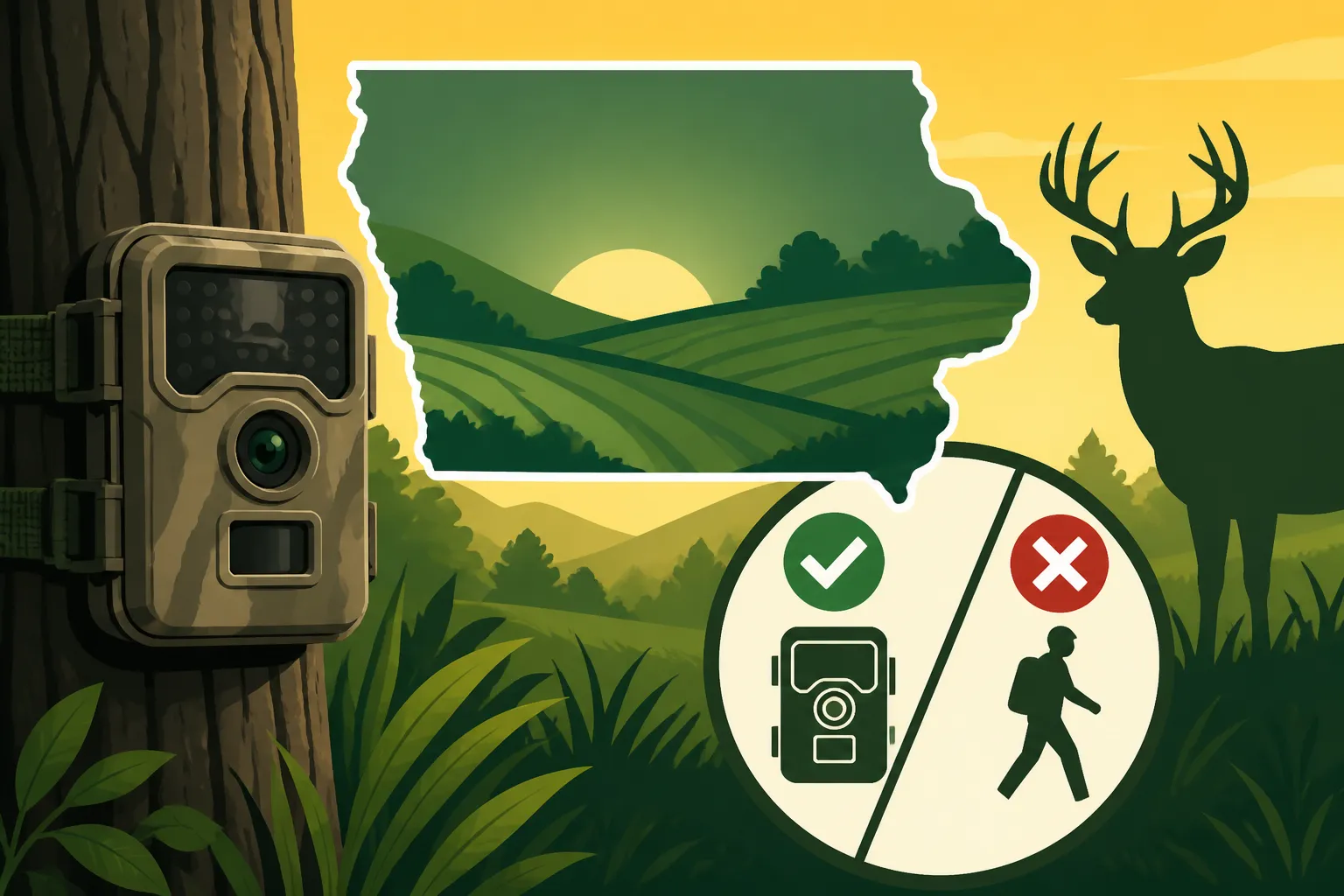
One of the most critical aspects of using trail cameras on Iowa public land revolves around how you attach them and what information they must display. You cannot, under any circumstances, permanently affix anything to a tree or other vegetation in a way that causes damage. This means no screwing camera mounts directly into trees, no hammering in nails, and generally avoiding anything that penetrates the bark. The preferred method is using a strap, bungee cord, or similar non-damaging fastener. These should be snug enough to hold the camera securely but not so tight that they girdle the tree as it grows. It's a good practice to check your straps periodically, especially if you leave a camera out for an extended period, to ensure they aren't causing undue pressure.
Beyond attachment, every single trail camera you place on public land must be clearly marked with your name and address or your Iowa DNR customer ID number. This isn't just a suggestion; it's a legal requirement. Think of it as leaving a calling card. This allows conservation officers to easily identify the owner if there's an issue, or if the camera needs to be moved for management purposes. It also helps deter theft, as a clearly marked camera is harder to resell or claim as one's own. Failing to properly identify your camera can lead to it being confiscated, even if everything else is in order.
Placement Restrictions and "Fair Chase" Concerns
Iowa has specific stances on where you can place cameras and what kind of technology is permissible to maintain fair chase principles. For most public lands, there aren't explicit "no camera zones" beyond standard refuge areas or restricted access sites, which you wouldn't be hunting in anyway. However, the overarching theme is that your camera should not be used to gain an unfair advantage or to harass wildlife.
A significant point of discussion often involves cellular or wireless trail cameras. These cameras transmit images or videos instantly to your phone or computer, allowing for real-time monitoring. While traditional trail cameras (those that require physical retrieval of an SD card) are generally permissible, using a cellular camera to aid in the taking of game on the same day you receive an image is typically where issues arise. The spirit of the law aims to prevent a hunter from getting an alert, immediately rushing to that exact spot, and harvesting an animal that was just there. It moves away from scouting and pattern recognition toward direct, instantaneous targeting. So, if you're using a cellular camera on public land, be mindful of the time lag between receiving an image and making a hunting decision. It’s generally accepted that using them for scouting patterns over days or weeks is fine, but using them for "live hunting" is a definite no-go. This is a crucial distinction that hunters often miss. Consider using resources like GoHunt to e-scout and find potential camera locations without needing to monitor them constantly with cellular signals. This tool can help you identify promising funnels or bedding areas before you even step foot on the property, allowing for more strategic camera placement.
Here's a quick look at key considerations for trail cameras:
| Feature/Aspect | Permissible on Iowa Public Land | Generally Not Permissible/Ethically Questionable |
|---|---|---|
| Attachment | Non-damaging straps, bungee cords, rope | Screws, nails, permanent mounts that damage trees |
| Identification | Clearly marked with Name & Address OR Iowa DNR Customer ID | Unmarked cameras |
| Camera Type | Standard trail cameras (SD card retrieval) | |
| Cellular Cameras | For scouting patterns over days/weeks | For "live hunting" or immediate harvest after receiving an alert |
| Purpose | Scouting, pattern recognition, identifying travel routes | Direct targeting of animals in real-time |
| Duration | Reasonable period for scouting; retrieved promptly after season | Left indefinitely, becoming litter or forgotten |
For those looking to expand their knowledge on where to place their cameras and how deer move through different terrains, check out articles like Reading an Iowa Timber Draw for Deer Sign or Saddles and Benches Deer Cross Daily. These can help you select high-probability locations for your cameras, maximizing their effectiveness within the regulatory framework.
Ethical Considerations Beyond the Letter of the Law
While understanding and adhering to the written rules is paramount, a true conservationist and ethical hunter goes beyond just what's legal. There's a whole layer of responsibility that involves respecting the land, wildlife, and fellow hunters, even when a specific regulation doesn't explicitly address every nuanced situation. Public land hunting is a privilege, and how we conduct ourselves impacts that privilege for everyone.
Respecting Other Hunters and Their Experience
Imagine hiking into a remote corner of a Iowa Wildlife Management Areas, seeking solitude and the challenge of finding unpressured deer, only to stumble upon a half-dozen trail cameras all pointed at the same pinch point. While technically legal if properly marked and attached, the sheer volume can feel intrusive. It might make you wonder if you're truly in a wild space, or if you've entered someone else's digital domain. Ethical camera placement often means being mindful of the "density" of your cameras. Do you really need four cameras on one small timber edge? Or could one well-placed camera suffice, allowing other hunters to explore without feeling like they're walking through someone else's virtual scouting network?
Furthermore, consider the privacy and experience of other outdoors enthusiasts. Hikers, birdwatchers, and other nature lovers use these same public lands. While your camera is focused on deer, it might also capture images of people enjoying nature. While generally permissible, it’s a good ethical practice to place cameras discreetly, out of plain sight from main trails, and focused on game trails rather than general human thoroughfares. The goal is to minimize your impact and maximize everyone else's ability to enjoy the wild without feeling constantly monitored. It also extends to how long you leave cameras out. Leaving them up indefinitely, especially after a season is over, can contribute to a cluttered landscape and signal a lack of regard for the shared resource. Be sure to retrieve your cameras promptly once your scouting or hunting season is concluded, as discussed in Leaving No Trace on Iowa Walk-In Ground.
Minimizing Your Footprint and Impact
Our motto as outdoor enthusiasts should always be to leave no trace, or at least as little as possible. This applies to trail cameras in several ways. We already covered not damaging trees, but think about the approach. When you go to check your camera, are you crashing through bedding areas, leaving a scent cone and a clear path for every deer in the area to know you were there? Ethical camera usage includes smart access. Plan your routes to and from camera sites just as carefully as you would plan your approach to a stand location. Use terrain features, choose windy days, and consider going in midday when deer are typically bedded and less active.
The temptation to place a camera over a bait pile, even if legal in certain contexts (though generally banned for deer hunting in Iowa), also touches on ethics. While not explicitly prohibited for all wildlife monitoring, using cameras in conjunction with any method that concentrates animals unnaturally can feel like it skirts the edges of fair chase. Iowa has strict Iowa Baiting Ban for Deer rules, and ethical hunters avoid any appearance of impropriety. Beyond that, the maintenance of your cameras also plays a role. Dead batteries, malfunctioning cameras, or cameras that fall to the ground and are forgotten become litter. Checking your cameras regularly, ensuring they are functioning, and retrieving them when their purpose is served is an ethical obligation. Using quality cameras and batteries, especially those with good Trail Camera Battery Life in Cold, can help ensure they operate efficiently and don't require excessive maintenance trips that disturb the area.
Practical Tips for Using Trail Cameras Responsibly on Public Land
So, you've got the rules down and you're thinking ethically – great! Now let's talk about putting that knowledge into practice. Using trail cameras effectively and responsibly on Iowa public land involves a blend of smart strategy, meticulous planning, and a deep respect for the environment and fellow hunters.
Smart Placement and Security
Finding the ideal spot for a trail camera is a bit of an art and a science. You want to capture useful data, but you also want to avoid disturbing deer or alerting other hunters to your presence. Start by e-scouting from home using tools like the Iowa DNR Hunter Atlas or a robust mapping application like GoHunt. Look for natural funnels, pinch points, creek crossings, or timber edges near feeding areas. These are often high-traffic zones where deer naturally travel. Timber Points Between Two Fields or Hunting Inside Corners of Crop Fields can offer some fantastic insights for prime locations. Once on the ground, confirm the sign. Are there fresh tracks? Rubs? Scrapes? This ground validation is crucial.
When you hang your camera, consider the angle and height. Aim slightly downward, usually around chest to head height for a deer, to get a good body shot. If you're setting it on a heavily used trail, position it to capture deer moving both ways. For security, disguise it as best you can without impairing its function. Trim just enough brush to get a clear view, but don't clear a wide lane that screams "camera here!" Pointing it slightly off the main trail, or tucking it behind a larger tree, can make it less obvious. And always, always use a security strap or cable lock, even if it's just a deterrent. Public land means shared access, and unfortunately, theft is a reality. Marking your camera clearly with your DNR number is not only required but also a good theft deterrent.
Managing Your Data and Camera Visits
The whole point of a trail camera is to gather intel, but how you manage that intel and your visits to the camera site is just as important as where you place it. If you're running a cellular camera, be hyper-aware of the rules around Cellular Cameras and Fair Chase Rules. The goal is to scout patterns, not to receive an alert and run right in to shoot a deer. Use the data to understand movements over days and weeks, not minutes and hours. If you're using traditional SD card cameras, plan your visits strategically. Try to check multiple cameras in one trip if they're in the same general area. Go in midday, preferably on a windy or rainy day when your scent is dispersed and deer are less active. Walk quiet, avoid crashing through brush, and minimize your time at the camera site. Think of it as a low-impact reconnaissance mission.
Leveraging E-Scouting and Technology
Before you even step foot on public land with a camera in hand, spend significant time e-scouting. This is where modern tools really shine. GoHunt and other mapping platforms allow you to overlay property boundaries, topo maps, aerial imagery, and even historical satellite views. You can identify potential bedding areas, travel corridors, and food sources from your couch. This pre-scouting helps you pinpoint high-probability areas for camera placement, reducing your time in the woods and minimizing your impact on the deer herd. Look for natural funnels, saddles, benches, and terrain features that would naturally constrict deer movement. Articles like Reading Aerial Imagery for Bedding Cover can give you an edge in this digital scouting phase. By combining robust e-scouting with judicious physical scouting and responsible camera use, you'll paint a comprehensive picture of deer activity in your chosen hunting area.
Disclaimer
This article is for general informational purposes only and does not constitute professional advice. Laws, prices and regulations vary by location and change over time. Consult a qualified professional for guidance on your specific situation.