Drag Harnesses for a Long Pull
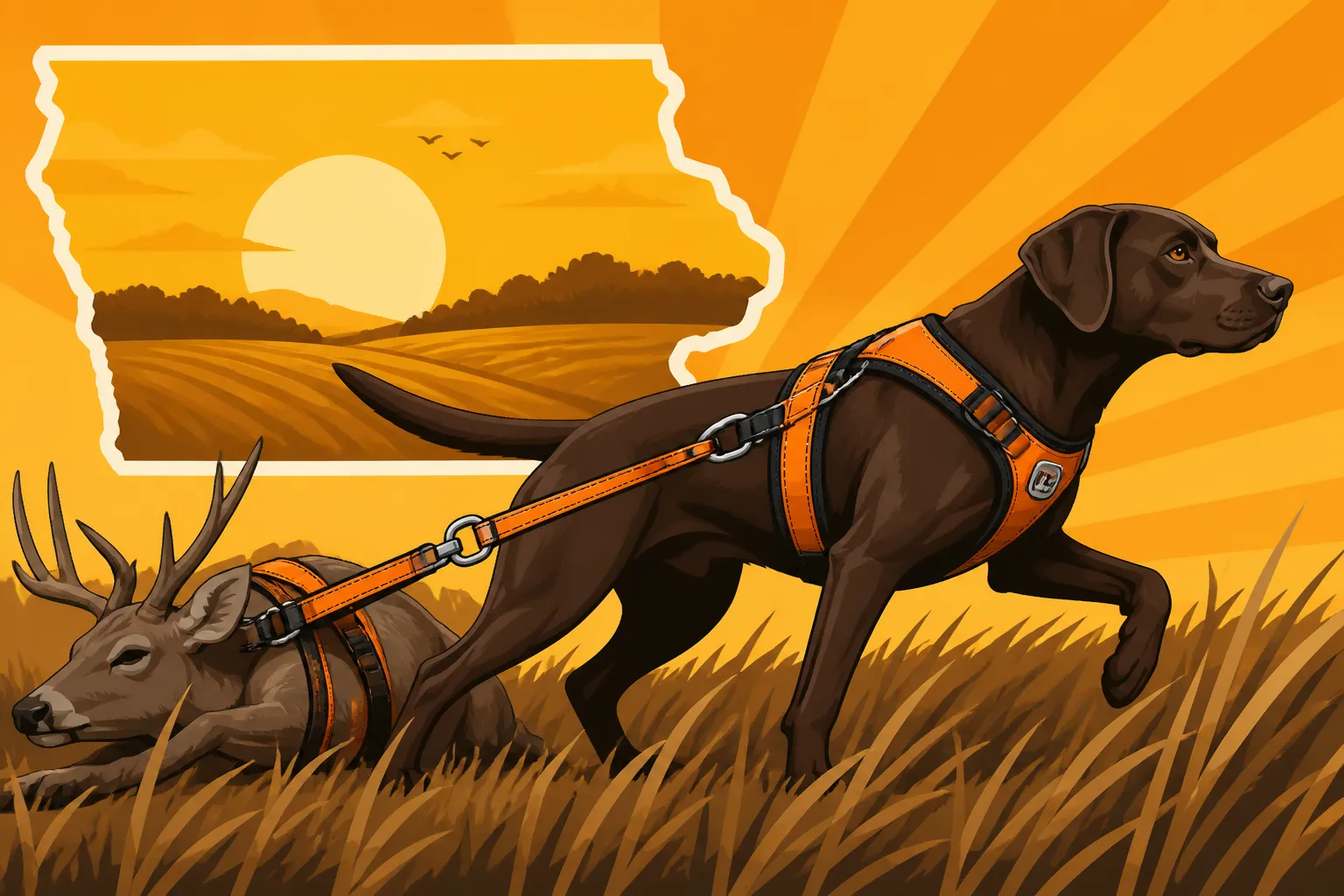
That moment when you've finally connected on an Iowa whitetail is pure magic – the culmination of scouting, patience, and skill. But then, the immediate high sometimes crashes into the very real, often sweaty, challenge of getting that deer back to the truck. Whether it's a half-mile across a picked bean field or a mile through thick timber and creek bottoms, dragging a heavy deer can be an absolute backbreaker. This guide is here to shed light on how the right drag harness can transform that grueling task into a manageable one, saving your energy and your back.
The Harsh Reality of the Iowa Deer Drag
Iowa's landscape, while stunning for hunting, isn't always kind to deer retrieval. We're talking about deep creek bottoms, rolling timber, mud, snow, and endless rows of corn or beans that can make even a short drag feel like an odyssey. Without the right gear and technique, you're not just risking exhaustion; you're risking injury.
Why a Good Drag Harness Isn't a Luxury, It's a Necessity
Think about it: you've put in all this effort, spent money on tags, fuel, and gear. You've possibly waited years for that draw, put in the time to understand Iowa Nonresident Deer Draw Explained, and then, after all that, you're going to cheap out on the one piece of gear that directly impacts your physical well-being after a successful harvest? It just doesn't make sense. A good drag harness isn't some fancy gadget; it's a fundamental tool, especially when you consider the sheer size of Iowa whitetails. These aren't tiny deer; they can be substantial, and trying to pull one by a flimsy rope tied around its antlers is an exercise in futility and pain.
The biggest benefit is the distribution of weight. Instead of a single point of pressure on your hands or shoulders, a well-designed harness spreads that load across your core, engaging larger muscle groups like your legs and back (in a safer way) that are far more capable of handling sustained effort. This is particularly crucial when you're traversing uneven terrain, climbing out of a ditch, or navigating dense brush. Without a proper harness, every snag and every uphill climb becomes exponentially harder, turning a triumphant moment into a miserable one. It's about working smarter, not just harder, and preserving your energy for the rest of your hunt or the demanding task of processing your deer once it's out of the field.
The Physical Toll of a Poorly Executed Drag
We've all seen it, or perhaps been that person: dragging a deer by hand, hunched over, stumbling, and stopping every fifty yards to catch our breath and massage aching muscles. The strain on your lower back, shoulders, and arms is immense. This isn't just discomfort; it's a real risk of injury. Pulled muscles, strained ligaments, and even herniated discs can result from improper dragging techniques or inadequate equipment. I've had friends out for the season because they tried to hero-drag a big buck without thinking about their body mechanics.
Consider the common scenario of Getting a Deer Out of an Iowa Creek Bottom. The banks are often steep and slick, covered in loose soil or wet leaves. Trying to pull a heavy animal up that incline with just a rope will quickly exhaust your grip and arm strength. Your back will round, putting undue stress on your spine. In these situations, a harness allows you to lean into the pull, using your legs and glutes to power the ascent. The goal is to keep your back as straight as possible and engage your core. Neglecting this leads to fatigue, poor posture, and increased vulnerability to injury, which can sideline you for future hunts or even daily activities.
Understanding Different Drag Harness Systems
Just like there are different ways to hunt deer, there are different approaches to dragging them. The type of drag harness you choose can significantly impact your efficiency and comfort.
Handheld Straps and Ropes: The Basics
This is the simplest and often the most budget-friendly option. It typically involves a strong rope or a heavy-duty strap with a handle on one end and a loop or clip on the other to attach to the deer's antlers or head. Many hunters just use a piece of rope they already have in their pack.
- Pros: Inexpensive, lightweight, and easy to pack. Minimal bulk, so it doesn't take up much space in your day pack when you're focusing on Packs for a Day in an Iowa Stand. Great for short, easy drags across relatively flat, open ground, or when you only need a little extra leverage for a few hundred yards. They also work well for a two-person drag if each person has a handle.
- Cons: The biggest drawback is concentration of effort. All the pulling force is exerted through your hands and arms, leading to quick fatigue, blisters, and potential hand/wrist strain. You can't truly lean into the pull with your whole body, which makes them less efficient for long distances or challenging terrain. They also offer no hands-free capability, meaning you can't easily carry your rifle or bow while dragging. For longer drags, especially on a solo hunt, these become a real grind.
Shoulder and Waist Harnesses: Spreading the Load
These systems are a significant upgrade, designed to distribute the pulling force across your shoulders, waist, or both, utilizing your body's stronger muscle groups. They typically feature padded straps that go over your shoulders, around your chest, or attach to a sturdy waist belt.
- Pros: Dramatically improves comfort and reduces fatigue compared to handheld options. By engaging your core and legs, you can maintain a more upright posture and generate more consistent pulling power. Many models allow for hands-free dragging, which is a huge bonus when you need to carry your weapon, use trekking poles, or navigate with a map on your GoHunt app. They are indispensable for longer drags, uneven terrain, or when you're pulling a heavier deer by yourself.
- Cons: Generally more expensive and bulkier than simple straps or ropes. Some designs can feel restrictive, especially if not properly adjusted. They require a bit more setup time to get the deer securely attached and the harness fitted correctly. Quality can vary greatly, so it's important to choose one made with durable materials and solid stitching that won't give out halfway through your retrieve.
Advanced Systems: Combining Harnesses with Sleds or Carts
For the truly difficult retrieves, or when you want to minimize ground contact and friction, combining a harness with a deer sled or cart is the ultimate solution. A deer sled is essentially a durable plastic shell that the deer sits in, allowing it to slide over snow, mud, or ground cover with reduced resistance. Deer carts, on the other hand, lift the deer off the ground entirely, rolling it out on wheels. Dragging Versus Cart Hauling is a whole different ballgame.
- Pros:
- Sleds: Excellent for heavy snow, wet ground, or conditions where you want to protect the hide and meat from abrasion and dirt. Significantly reduces friction, making the pull much easier, especially for one person. Relatively lightweight and flexible, often rolling up for transport.
- Carts: The king of efficiency for rolling terrain or long distances on trails. Lifting the deer completely off the ground virtually eliminates friction. They protect the meat best and allow for very fast transport once you're on a relatively clear path. Many carts can be operated by one person and even carry additional gear.
- Cons:
- Sleds: While they reduce friction, you're still essentially dragging the full weight. They can be awkward to maneuver in dense timber or extremely rocky areas where they might catch on obstacles. Not ideal for warm, dry conditions where ground friction is high.
- Carts: Can be very bulky and heavy to transport to the kill site. They are often challenging, if not impossible, to use in very thick timber, deep snow, or extremely steep terrain. Getting a large deer loaded onto a cart by yourself can be a wrestle. Despite their efficiency, the initial investment and logistical challenges of getting a cart into remote areas where you're Hunting Iowa Walk-In Ground Without Burning It Out can be significant. Sometimes a sled is the compromise, but Deer Carts on Iowa Walk-In Ground are worth considering if your access allows.
What to Look For in a Reliable Drag Harness
When you're shopping for a drag harness, don't just grab the cheapest thing on the shelf. This is an investment in your comfort, safety, and ability to successfully retrieve your hard-earned deer.
Material Durability and Construction
The harness is going to be subjected to significant force, abrasive surfaces, and potentially harsh weather. It needs to be built like a tank.
- Webbing/Straps: Look for heavy-duty nylon or similar synthetic webbing, often rated for high tensile strength. Seatbelt-grade material is a good benchmark. The width of the straps matters too; wider straps distribute pressure better and are less likely to cut into your body or the deer. Cheap, thin webbing will fray, stretch, and eventually fail under load.
- Stitching: This is where many harnesses fail. Examine the stitching closely. It should be robust, reinforced at all stress points, and ideally double or triple stitched. Bar-tacking (a zig-zag stitch pattern) at connection points is a strong indicator of quality. If the stitching looks flimsy or sparse, move on.
- Hardware: Any buckles, D-rings, or clips should be made of heavy-gauge metal (steel or aluminum) or high-impact, cold-weather-rated plastic. Avoid flimsy plastic hardware that could become brittle in freezing temperatures, especially during Late Muzzleloader Deer Hunting in Iowa. Quick-release buckles can be a nice feature for easy on-off, but ensure they are robust enough for the job.
- Padding: For shoulder and waist harnesses, ample, high-density padding is key for comfort. This prevents the straps from digging into your body, especially during a prolonged pull. Look for moisture-wicking materials if possible, as you'll likely be sweating.
Ergonomics and Comfort for the Hunter
A harness that's uncomfortable will defeat its purpose, leaving you just as miserable as a hand drag. The goal is to make the retrieval process as comfortable as possible under challenging circumstances.
- Adjustability: The harness should be highly adjustable to fit different body types and allow for layering clothing, from early season archery gear to heavy cold-weather apparel for a December Cold Front Deer Movement hunt. Adjustable shoulder straps, waist belts, and chest straps ensure a snug, secure fit that moves with you, not against you.
- Weight Distribution: A good design will intuitively distribute the weight evenly across your hips, shoulders, and back. Look for designs that allow you to lean into the pull with your legs, keeping your torso relatively upright. Some harnesses even have a "yoke" design that wraps around your shoulders and chest, preventing straps from sliding off.
- Freedom of Movement: While securely fitted, the harness shouldn't restrict your natural movement or breathing. You need to be able to walk, stoop, and navigate obstacles without feeling constricted. Try it on, if possible, and simulate the pulling motion.
- Ease of Connection to the Deer: The attachment point to the deer should be quick, secure, and intuitive. Some harnesses have a simple loop, others have a heavy-duty carabiner or a specialized hook. Consider how easy it will be to attach this with cold, gloved hands, perhaps in the dark.
Packability and Ease of Use
After the hunt, you don't want to be fumbling with a complicated piece of gear. It needs to be practical in real-world hunting situations.
- Compact Storage: Your drag harness should fold or roll up into a manageable size that fits easily into your hunting pack without taking up too much critical space. Some are designed to be extremely lightweight and packable, such as those from reputable outdoor brands like GoHunt, which often prioritize practical, field-ready gear for hunters on the move.
- Quick Deployment: You've just downed a deer, and you're excited and probably a bit shaky. The last thing you want is a complicated harness that takes five minutes to untangle and set up. Look for designs that are intuitive and quick to put on and attach to the deer.
- Ease of Cleaning: Blood, mud, and guts are part of the game. Choose materials that are easy to wipe down or rinse off after use, ensuring longevity and hygiene.
| Feature | Handheld Strap/Rope | Shoulder/Waist Harness | Harness + Sled/Cart (Sled Example) |
|---|---|---|---|
| Cost | Very Low | Moderate | Moderate to High (for sled/cart itself) |
| Packability | Excellent (fits in pocket) | Good (rolls up, but bulkier than rope) | Fair (sled can be bulky, but some rollable) |
| Comfort | Poor (hand/arm fatigue) | Excellent (distributes weight to core) | Excellent (reduces friction significantly) |
| Efficiency | Low (high friction, limited power) | Good (leverage larger muscle groups) | Very High (reduces friction, protects deer) |
| Terrain | Best for flat, open ground | Good for varied terrain, inclines | Best for snow, mud, open ground; tricky in dense brush |
| Hands-Free | No | Yes, usually | Yes, usually |
| Durability | Varies by rope/strap quality | Varies; look for robust stitching/hardware | Sled material is very durable |
| Best Use Case | Short, easy drags; quick utility; backup | Solo long pulls; challenging terrain; heavier deer | Very long distances; heavy deer; messy conditions |
Mastering the Art of the Long Pull
Even with the best drag harness, there's still a technique involved in making a long pull efficient and safe. It's not just about brute strength.
Pre-Drag Preparation: Field Dressing and Obstacle Assessment
Before you even think about putting on that harness, take a few crucial steps. First, Field Dressing in Warm October Weather (or any weather) is non-negotiable. Removing the entrails significantly reduces the deer's weight, often by 20-30 pounds, making the drag substantially easier. This is especially important for long retrieves where every pound counts. If you're really far from the truck and the terrain is rough, consider Quartering a Deer in the Field and packing it out in pieces, though this is a more involved process.
Next, take a moment to assess your route. Look for the path of least resistance. Is there a faint game trail that avoids the thickest brush? Can you follow a contour line around a steep hill rather than straight over it? Is there a frozen ditch you can slide the deer across, or will it be a muddy slog? Identifying potential snags, fallen trees, or rocky patches will help you plan your approach and save you energy by avoiding unnecessary detours or struggles. Use your GoHunt app or a dedicated GPS unit to mark your location and plot the easiest route back to your vehicle. This quick bit of planning can save you a lot of grief.
Proper Body Mechanics for Efficient Dragging
This is where the rubber meets the road. Even with a fantastic harness, if you're pulling incorrectly, you'll still wear yourself out.
- Lean into it, Don't Lift: The power for your drag should come primarily from your legs and glutes, not your back. When you put on the harness, lean forward slightly, engaging your core, and let your legs do the work. Imagine you're pushing off with each step, letting the deer flow behind you. Your back should remain relatively straight, not hunched over.
- Short, Controlled Steps: Especially on uneven or slippery ground, avoid long, lurching strides. Take shorter, more controlled steps, maintaining your balance. This prevents falls and allows you to adjust your footing as needed.
- Utilize Natural Momentum: On slight downhills, let gravity assist you. On uphills, break the drag into segments. Pull for 20-30 yards, then rest briefly before the next push. Don't try to power through an entire uphill stretch without a break; it's a recipe for exhaustion.
- Two-Person Drag Advantage: If you have a hunting partner, a two-person drag is exponentially easier. One person takes the lead with the harness, and the second person can assist by lifting the deer's hindquarters or pushing from behind. This shared effort significantly reduces the strain on both individuals. Just make sure you're communicating about obstacles and when to pause. This is common during Iowa Shotgun Season Tactics for Party Hunting.
Team Drags and Strategic Planning
Hunting with a group isn't just about camaraderie; it's a huge advantage when it comes to deer retrieval. When planning your hunt, especially for public land areas that might see Iowa Public Land Hunting Pressure or require significant walk-in access, discuss retrieval strategies beforehand.
- Staggered Roles: If you're a team of two or more, you can rotate the person on the harness. One person pulls for a set distance, then swaps. The person not pulling can clear small obstacles, scout the best path ahead, or carry extra gear. This keeps everyone fresher.
- Utilizing Gear: If you have a sled, one person can pull the sled while another guides it from behind, preventing snags. If a Deer Carts on Iowa Walk-In Ground is an option, planning how to get it to the kill site is crucial. Sometimes, this means someone makes an initial trip with just the cart, while others begin field dressing and preparing the deer.
- Communication is Key: Yelling "stop!" or "rock!" is far less efficient than clear, concise communication. Establish hand signals or specific verbal cues. When crossing fences or large obstacles, coordinate your efforts to lift or maneuver the deer safely.
Remember, a long pull after a successful hunt is part of the experience. By investing in a quality drag harness and employing smart techniques, you can ensure that experience remains positive, ending with a full freezer and without a trip to the chiropractor.
Disclaimer
This article is for general informational purposes only and does not constitute professional advice. Laws, prices and regulations vary by location and change over time. Consult a qualified professional for guidance on your specific situation.