Late-Season Pheasants in Heavy Cover
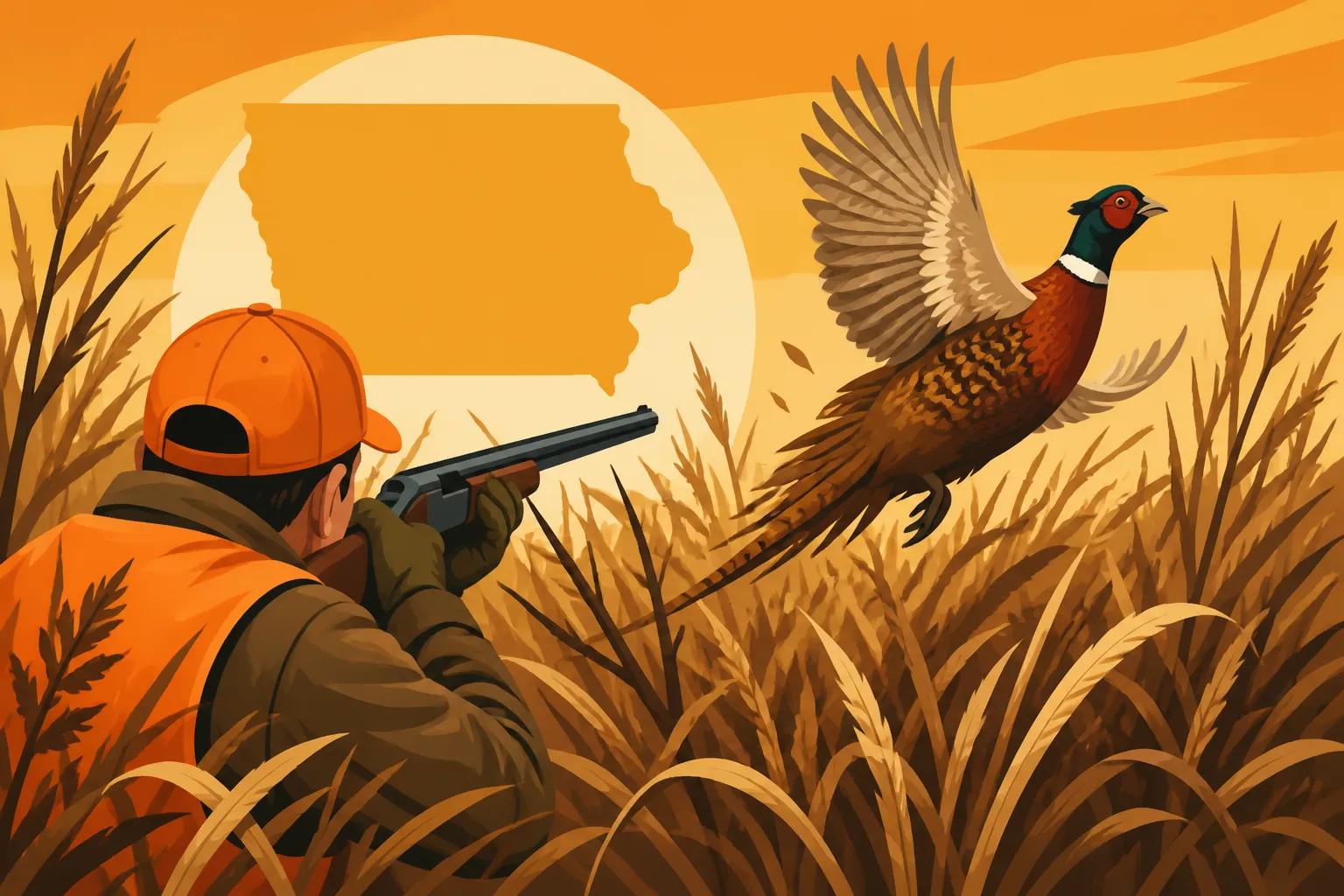
Chasing pheasants in Iowa during the late season, when the cold has really set in and all the easy cover is gone, can feel like an impossible task. The birds are smarter, tougher, and often holed up in places that seem impenetrable, making them incredibly frustrating to find and flush. This guide is all about equipping you with the knowledge and tactics to find success when the hunting gets tough and those wily roosters are buried deep in the heaviest cover Iowa has to offer.
Understanding Late-Season Pheasant Behavior
As the seasons progress in Iowa, pheasants drastically change their habits, driven primarily by survival instincts. Gone are the days of easy flushes from sparse CRP fields. Late-season birds are survivors; they’ve evaded predators and hunters for months, and they know the ropes. Understanding these shifts is paramount to locating them.
The Impact of Winter on Pheasants
Winter brings a whole new set of challenges for pheasants, and their behavior adapts accordingly. The most significant factors are food availability, thermal regulation, and increased predator pressure. As temperatures drop and snow blankets the landscape, pheasants become incredibly selective about where they spend their time. They need dense cover that can shield them from biting winds, heavy snow, and frigid temperatures, helping them conserve energy. This often means they’ll gravitate towards the thickest, nastiest places on the map – areas you might normally walk past during the earlier seasons. They’re also much more prone to flocking up in these prime locations, offering the potential for multiple birds in a single flush if you hit the right spot. These birds have also become incredibly wary, flushing further out or running for cover with surprising speed.
Their diet also shifts from abundant insects and tender green shoots to more readily available seeds and grains, often found in agricultural stubble or standing corn. However, they'll only venture into open food sources if thermal cover is close at hand, allowing them a quick escape back to safety. This survival mentality means they prioritize energy conservation and protection above almost everything else.
Identifying Key Elements of Heavy Cover
What exactly constitutes "heavy cover" in late-season Iowa? It’s not just tall grass anymore. We're talking about vegetation that’s so dense it’s difficult for a human (or even a dog) to move through, and that provides substantial thermal and visual protection for a pheasant. Think tangled multiflora rose thickets, dense stands of cattails in wet sloughs, mature cedar and pine tree rows, or unharvested portions of corn and soybean fields.
These areas are chosen by pheasants for several reasons: they offer incredible camouflage, making it hard for raptors and coyotes to spot them; they provide a physical barrier against wind and cold, acting like a natural insulator; and they often contain escape routes, allowing birds to run rather than fly when pressured. Before you even step foot in the field, tools like GoHunt can be invaluable for pinpointing these overlooked patches of heavy cover by studying satellite imagery for changes in vegetation density and type. Learning to recognize these signatures on a map can save you a lot of wasted steps.
Reading the Landscape for Roosters
Successful late-season pheasant hunting often starts with effective scouting, even if it’s just from the roadside or with a good mapping app. Look for transitions in habitat – where a harvested field meets a thick creek bottom, or a patch of CRP borders a dense stand of timber. These edges are natural travel corridors and staging areas. Windbreaks, especially those with evergreen trees or dense shrubs, are pheasant magnets when the north wind howls. River and creek bottoms, with their mix of timber, brush, and often unharvested crops, provide a linear sanctuary for birds.
Also, don't overlook standing waterways or drainage ditches that might be choked with weeds and brush. While they might seem small, they can offer just enough protection to hold a covey of birds, especially if they connect two larger blocks of cover. Many hunters swear by using the satellite imagery on platforms like GoHunt to identify specific changes in vegetation or hidden sloughs that might hold birds you'd otherwise miss. Remember, pheasants are experts at finding the path of least resistance when running, so anticipate their escape routes.
Gear and Tactics for Heavy Cover
Hunting dense cover isn't just about finding the birds; it's about being prepared for the environment and employing specific strategies to maximize your chances and ensure safety. The right gear can make or break your hunt, and a well-executed plan is essential for flushing those tight-holding roosters.
Essential Gear for Tough Terrain
When you’re pushing through multiflora rose or waist-high cattails, your standard upland attire might not cut it. Investing in durable, protective gear is crucial.
- Briar Pants or Chaps: This is non-negotiable. Heavy-duty briar-proof pants or chaps will protect your legs from thorns, sharp stubble, and general abrasion. Without them, you'll be shredded and miserable within minutes. Look for materials like Cordura or heavy nylon that can withstand serious abuse.
- Waterproof Boots: Late season often means wet conditions – snow, mud, frozen ground, or standing water in sloughs. High-quality, waterproof boots with good ankle support are essential for comfort and preventing frostbite. Muck-style boots are often a favorite for their waterproof capabilities and ease of movement through mud.
- Eye Protection: Safety glasses are a must. Branches, thorns, and stiff crop stubble can easily cause serious eye injuries when you're pushing through thick stuff. Clear lenses are often best for varying light conditions.
- Shotgun and Loads: For dense cover and tough, late-season birds, many hunters opt for a more open choke like Improved Cylinder or Modified to give a wider pattern for closer, explosive flushes. Heavier loads (e.g., 1 ¼ oz of #4 or #5 shot) can also provide a bit more punch to bring down a rooster that might be slightly further out or heavily feathered. Ensure your shotgun is clean and well-maintained, as gritty conditions can cause issues.
- Dog Gear: If you're lucky enough to hunt with a dog, ensure they are also protected. Dog vests can prevent cuts and scrapes, and a bell on their collar can help you keep track of them in dense cover. A good dog is truly a force multiplier in these conditions, able to penetrate cover and use their nose where human eyes can't.
Strategic Walking Patterns
Forget aimlessly wandering; late-season pheasants in heavy cover require a methodical approach. The goal is to push birds out of their sanctuary into a kill zone or to an edge where blockers are waiting.
- Blocking and Driving: This is a highly effective tactic for groups. Position "blockers" quietly at the anticipated escape points (e.g., the end of a long cattail slough, a field corner, or where a brush line narrows). The "drivers" then systematically push through the cover, moving slowly and deliberately. Communication is key to ensure safety and prevent birds from doubling back. For more on this, check out Blocking and Driving Iowa Grass Strips.
- Slow and Methodical Pushes: Whether alone or with a group, resist the urge to rush. Walk slowly, pause frequently, and stomp your feet or kick brush piles. Pheasants will often hold incredibly tight, sometimes not flushing until you are nearly on top of them. A slow pace gives your dog time to work and gives you time to react to a sudden flush.
- Zigzagging: Instead of walking in a straight line, zig-zagging through cover can flush birds that might otherwise run along the edges of the cover strip. This also allows you to cover more ground effectively.
- Working Edges and Corners: Pay extra attention to the very edges of heavy cover, and especially corners or points. Birds often stack up in these areas, or use them as primary escape routes. Even without a dog, a diligent hunter can find success, often by utilizing mapping apps like GoHunt to identify small, isolated patches of cover that might hold birds.
Communication and Safety in a Group
Hunting heavy cover with multiple people and dogs introduces important safety considerations.
- Clear Communication: Before you start, establish clear hand signals and verbal commands. Know who is driving and who is blocking, and maintain awareness of everyone's position at all times. Radios can be incredibly useful in noisy, dense cover.
- Safe Zones and Lanes: Discuss shooting lanes and safe zones. Never shoot towards another hunter or a dog. When a bird flushes, identify its flight path and only take the shot if it's safe and clear. Wearing blaze orange is mandatory and even more critical in dense cover where visibility is limited.
- Know Your Quarry: Be absolutely sure of your target. Late-season pheasants, especially hens, can fly fast and low. Only shoot at clearly identifiable roosters. For more general advice on safety in the field, consider refreshing your knowledge on Iowa Blaze Orange Requirements During Iowa Gun Season.
Working Different Types of Heavy Cover
Iowa's landscape offers a variety of heavy cover types, each presenting its own challenges and requiring slightly different approaches. From wet, dense sloughs to impenetrable thickets, knowing how to tackle each one is a key part of late-season success.
Conquering Cattail Sloughs
Cattail sloughs are iconic late-season pheasant strongholds, and for good reason. They offer incredible thermal cover, protection from predators, and often have standing water or mud that makes them difficult for hunters to access. Birds in cattails will hold extremely tight, often waiting until you’re practically stepping on them before flushing. They also have a tendency to run along the watery edges or through tunnels they've created, making it tough for a dog to pin them down.
When approaching a cattail slough, assess its size and shape. If possible, use blockers at the narrow end or along key escape routes. Drivers should move slowly and methodically, making noise as they push through the dense stalks. Be prepared for birds to flush vertically, sometimes nearly straight up, before leveling out. Waterproof gear, as mentioned earlier, is absolutely critical. Also, remember that a rooster can be surprisingly resilient and fly a considerable distance even after being hit, so a thorough search is always necessary. Getting a deer out of an Iowa creek bottom shares some of the logistical challenges of recovering a bird from a thick, wet slough, so similar perseverance is needed.
Navigating Brush Piles and Tree Rows
Brush piles, dense tree rows, and especially thickets of multiflora rose, osage orange, or young cedars are prime spots for pheasants to escape the wind and predators. These areas might seem impenetrable, and honestly, many are. Birds will often dive deep into the very center, creating a safe haven.
Tactically, these require extreme patience. If you have a dog, let them work the edges and try to pinpoint a bird’s location. For human hunters, a systematic approach is best. If it’s a linear tree row, push it like a small drive with blockers at the end. For large brush piles, circle them first, then slowly and methodically pick them apart, kicking and stomping as you go. Be ready for short, explosive flushes at close range. These are the spots where your briar pants earn their keep. Don't be afraid to circle back, as birds might have let you pass before flushing. For more ideas on how different cover influences deer, which can translate to understanding how pheasants use similar habitat, consider reading about Cedar and Locust Thickets as Bedding Cover.
Standing Crops and CRP (Late-Season)
While many fields are picked by late season, it's not uncommon to find patches of standing corn or beans, particularly in creek bottoms, along field edges, or in smaller, odd-shaped sections that were difficult to harvest. These standing crops, even if only a few rows, offer both food and exceptional thermal cover. Similarly, tall, dense CRP (Conservation Reserve Program) fields that haven't been mowed or burned provide incredible refuge.
Pheasants in standing crops or dense CRP will often run ahead of hunters, trying to escape rather than flush. This is where a well-coordinated drive becomes essential. For corn or beans, push into the wind if possible, as it helps your scent carry and makes it harder for birds to pinpoint you. When working large CRP fields, a grid pattern with multiple hunters and dogs is ideal to ensure thorough coverage. Birds will hold incredibly tight in these areas, especially if there's an escape route nearby like a fence line or brushy ditch. GoHunt's mapping features can help you pre-plan routes and identify potential escape corridors birds might use. It’s also important to remember that CRP Grass and Where Bucks Bed also provides excellent cover for pheasants.
Maximizing Your Chances and Ethical Considerations
Successfully hunting late-season pheasants in heavy cover isn't just about showing up; it's about persistent effort, keen observation, and upholding the highest ethical standards. These conditions test your resolve, but the rewards are often worth it.
Patience Is a Virtue
Let's be honest, late-season pheasant hunting can be grueling. You'll walk further, through tougher terrain, and likely see fewer birds than earlier in the season. This is precisely why patience and persistence are your best allies. Rushing through cover might push birds out unnoticed or lead to missed opportunities. Slow down. Take breaks. Let your dog rest and recover. Work an area thoroughly, even if you think it's been covered. Many times, a rooster will let the first person or dog pass, only to flush behind them. Circling back to re-work an especially promising patch of cover can sometimes yield unexpected results. Remember, pheasants are experts at hiding, and it often takes a truly methodical approach to make them fly.
The Impact of Wind and Weather
Wind and cold are dominant factors in late-season hunting. High winds can make it incredibly difficult for dogs to pick up scent, making visual cues even more critical. Birds will also gravitate to the lee side of cover, seeking shelter from the wind. Adjust your approach accordingly, considering how your scent and the wind might be carrying across the field. If you are hunting a river break, understanding Wind and Thermals in River Breaks can give you an edge.
Frigid temperatures, especially after a fresh snowfall, often make pheasants hold even tighter. They're trying to conserve every bit of energy, so they're less likely to flush unless directly pressured. This means you need to be physically closer to them. It also means dressing properly is paramount. Layers, a good hat, gloves, and insulated boots are crucial for staying comfortable and focused. For ideas on how to stay warm, you might consult resources like Cold Weather Stand Clothing or Staying Warm on a December Sit.
Ethical Shots and Bird Recovery
With late-season birds, clean, ethical shots are more important than ever. These pheasants are robust, and a poorly placed shot can lead to a lost bird. Take your time, identify the rooster, and only shoot when you have a clear, safe line of sight. Given the density of the cover, a bird might drop quickly and be tough to find. This is where a good dog truly shines, and even without one, meticulous searching is required. Mark the fall accurately, note landmarks, and systematically grid search the area. Don't give up too soon. A responsible hunter ensures every effort is made to recover game.
Remember that late-season hunting is a mental game as much as a physical one. There will be slow days, but the satisfaction of finding and flushing a wily rooster from its winter fortress is one of the most rewarding experiences Iowa hunting has to offer. Knowing Iowa Public Land Pheasant Ground can also greatly aid in your scouting efforts.
Disclaimer
Please be aware that hunting regulations, season dates, and access rules can change. Always consult the most current Iowa Department of Natural Resources (DNR) regulations booklet or website before heading afield to ensure compliance with all applicable laws and safety guidelines.