Iowa Predators and Furbearers
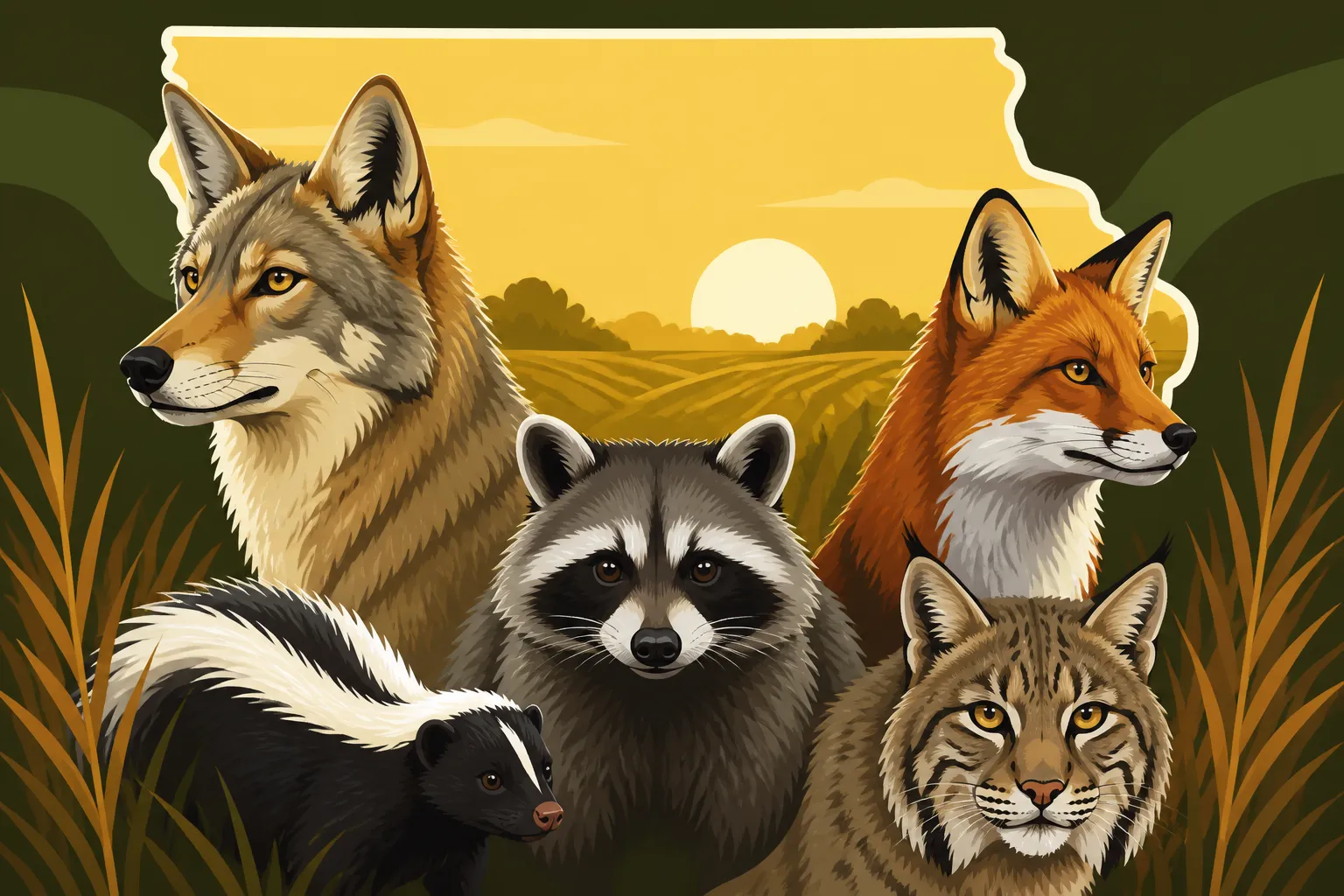
It can be incredibly frustrating to see your local deer population decline, or your turkey nests get wiped out, and wonder what exactly is going on in the woods. While many factors contribute, Iowa's diverse array of predators and furbearers play a significant role, often unseen but always present. This comprehensive guide will peel back the curtain on these fascinating creatures, offering a deep dive into their behaviors, habitats, and the opportunities and challenges they present for hunters, trappers, and wildlife enthusiasts across the Hawkeye State.
Understanding Iowa's Apex Predator: The Coyote
Iowa's landscape, a mosaic of crop fields, timber blocks, and winding river bottoms, provides the perfect stage for the coyote. These incredibly adaptable canids are, without a doubt, the most prevalent and often discussed predator in the state. For many hunters, coyotes represent a direct threat to deer fawns and turkey poults, making their management a common topic of conversation around campfires.
Coyote Behavior and Ecology in Iowa
Coyotes in Iowa are true opportunists. Their diet is incredibly varied, ranging from small rodents, rabbits, and pheasants to deer fawns, carrion, and even agricultural crops like corn and soybeans when other food sources are scarce. They typically live in family units or small packs, though you might encounter lone individuals or larger, more transient groups depending on the season and food availability. These animals are incredibly intelligent, learning quickly from human pressure, which makes hunting them a constant challenge. Their territories can span many miles, and they adapt their movements to available cover – whether that's a thick cedar patch, a CRP field, or a remote river bottom. They're vocal creatures, especially around dusk and dawn, and those distinctive yips and howls are a common sound across rural Iowa, often echoing across the landscape and reminding you of their constant presence.
One of the biggest frustrations for deer hunters, especially, is the impact coyotes can have on fawn recruitment. While healthy adult deer can often outrun or deter coyotes, young fawns are highly vulnerable, particularly in the first few weeks of life. Understanding this dynamic is key to appreciating why many hunters view coyote hunting as a form of deer herd management. Likewise, turkey hunters often point to coyote predation on nests and poults as a factor influencing Iowa Turkey Population Trends. It’s a natural part of the ecosystem, but it can certainly feel personal when you’re trying to grow big deer or hear more gobblers.
Hunting Strategies for Iowa Coyotes
Hunting coyotes in Iowa can be a year-round pursuit, though specific tactics shine in different seasons. During the fall and winter, when crops are out and cover is sparser, calling strategies become particularly effective. Many hunters use distress calls, mimicking a rabbit or fawn in trouble, to draw coyotes within shooting range. This requires patience, a good understanding of wind direction, and often, some high-quality optics to scan the horizon. Setting up on a high vantage point overlooking a large field or timber edge can be extremely productive. It's a game of chess, anticipating their approach, and having your shot ready. Other strategies include still-hunting along timber edges or creek bottoms, especially after a fresh snowfall when tracks reveal recent activity. Hunters often find success where different habitat types meet, such as the Timber Points Between Two Fields or the interior corners of large crop fields.
When considering hunting equipment for coyotes, precision is key. A flat-shooting rifle, often chambered in .223 Remington or .204 Ruger, with a good scope, is standard. Shotguns with buckshot can also be effective in thick cover or for close-range opportunities when calling them into tight quarters. For those looking to dive deeper into how to bring these wary animals in, guides like Coyote Calling in Iowa Farm Country offer invaluable advice. Remember, consistent success often comes from scouting, observing patterns, and adapting to the coyotes' unpredictable nature.
Night Hunting and Calling Tactics
Night hunting coyotes has become increasingly popular in Iowa, offering a unique and often thrilling challenge. While general firearm deer seasons restrict night hunting for deer, coyotes can be hunted at night, provided you adhere to specific regulations. The key to successful night hunting is often thermal or night vision optics, which allow you to spot the animals in the dark. Without these specialized tools, it's an incredibly difficult, if not impossible, endeavor. Always double-check current Night Hunting Rules for Coyotes in Iowa with the Iowa DNR, as regulations can change.
Calling at night, especially with electronic callers, can be extremely effective. The darkness often makes coyotes bolder, as they feel more secure in their approach. However, it also demands heightened situational awareness and careful shot placement. Beyond the specific gear, understanding how coyotes move under the cover of darkness is crucial. They might use terrain differently, move more confidently across open areas, and often rely more on their hearing and sense of smell. When you're planning a hunt, checking a platform like GoHunt can help you identify public land areas with good coyote populations, allowing you to scout and plan your setup before you head out after dark. It's an intense experience, definitely not for the faint of heart, but incredibly rewarding when you finally outwit one of these elusive nocturnal hunters.
The Resurgence of the Iowa Bobcat
Once thought extirpated from the state, the bobcat has made an incredible comeback in Iowa. These secretive felines are a testament to successful conservation efforts and the adaptability of wildlife. For many, seeing a bobcat in the wild is a rare and exciting occurrence, and their presence speaks volumes about the health of Iowa's diverse ecosystems.
Bobcat Habitat and Distribution
Bobcats prefer dense, brushy habitats, often found in timbered river corridors, rugged ravines, and large blocks of unbroken timber. Southern Iowa, with its extensive timber and less intensive agriculture, is a stronghold for bobcats, particularly counties along the Des Moines and Chariton Rivers. These areas provide the necessary cover for stalking prey like rabbits, squirrels, and small rodents, as well as secluded den sites. While they are more common in southern Iowa, their range has been expanding northward, with occasional sightings reported in central and even northern parts of the state.
The frustration for many is that, despite their increasing numbers, bobcats remain incredibly elusive. You might hunt the same timber for years and never see one, only to catch a glimpse on a trail camera or find tracks in the snow. They are highly nocturnal and masters of camouflage, blending seamlessly into their surroundings. This makes them a true trophy for any trapper or hunter lucky enough to pursue them, highlighting the wildness that still thrives in Iowa's landscape. Places like the Loess Hills State Forest Hunting or sections of the Stephens State Forest often hold excellent bobcat habitat, offering a chance to encounter these magnificent creatures.
Harvest Regulations and Management
The recovery of the bobcat population has allowed the Iowa Department of Natural Resources (DNR) to establish regulated harvest seasons, primarily through trapping. This is a carefully managed process, with quotas and zones designed to ensure the population remains healthy and sustainable. Generally, the bobcat season is quite short, often running from early November through late January, or until the zone quota is met. Trappers typically use foothold traps or snares, set in areas of high bobcat activity, focusing on travel corridors along timber edges or creek banks.
For a trapper, catching a bobcat is a significant achievement, not just for the value of its fur, but for the challenge and skill it represents. It requires extensive knowledge of animal behavior, trap placement, and scent control. Before heading into the field, any aspiring furbearer enthusiast should consult the current Iowa hunting and trapping regulations to understand the specific rules for bobcats, including tagging requirements and reporting procedures. Checking the Iowa DNR website for the latest updates on zones, quotas, and season dates is absolutely critical. This careful management ensures that future generations will also have the opportunity to appreciate the wild beauty of Iowa’s bobcats.
Raccoons: Abundant Furbearers of Iowa
Raccoons are one of Iowa's most common and recognizable furbearers. With their distinctive masked faces and dexterous paws, these intelligent animals thrive across the state, from urban backyards to the most remote farm country. While often charming, their sheer abundance can sometimes lead to conflicts with humans and agriculture.
Raccoon Ecology and Crop Damage
Raccoons are incredibly adaptable, inhabiting nearly every type of habitat in Iowa, though they show a preference for areas near water sources and mature timber. They are omnivores, with a diet that includes fruits, nuts, insects, small vertebrates, and, famously, corn. Lots and lots of corn. Their nocturnal habits mean they often go unnoticed until you find evidence of their presence – overturned trash cans, ravaged bird feeders, or significant damage to cornfields. In agricultural areas, raccoons can be a serious nuisance, causing considerable crop damage, especially as corn ripens. A field edge can look like a war zone after a coon family has had its way with it.
Beyond agriculture, raccoons can also impact other wildlife. They are notorious nest predators, raiding the nests of ground-nesting birds like turkeys and pheasants, and even waterfowl, consuming eggs and young poults. While this is a natural part of the ecosystem, their high population densities in many areas can exacerbate these impacts. Understanding their patterns, especially around water and dense cover like a Narrow Creek Corridor, is crucial for both management and for appreciating their role in the environment.
Trapping and Hunting Raccoons
Raccoons are one of the most popular furbearers to trap in Iowa, and for good reason: they are abundant, their fur has value, and they offer a challenging pursuit. The primary method for harvesting raccoons is trapping, with dog-proof (DP) traps being extremely popular due to their effectiveness and selectivity. DP traps are designed to catch raccoons specifically, minimizing the chance of catching non-target species. Foothold traps and cage traps are also commonly used. Trappers often target creek banks, culverts, den trees, and crop field edges – basically anywhere a raccoon travels or feeds.
Hunting raccoons, particularly with dogs, is another time-honored tradition in Iowa. Coon hunting is a social activity, often conducted at night with a pack of hounds tracking a raccoon to a treed location. The baying of the hounds and the chase through the dark woods are experiences deeply ingrained in Iowa's hunting heritage. It's a completely different experience than deer hunting, requiring a different set of skills and a lot of late nights. Before participating in any furbearer activity, ensure you have the appropriate Iowa Furharvester Licence and are familiar with all current trapping and hunting regulations, including season dates and bag limits. The Iowa DNR website is an excellent resource, and platforms like GoHunt can help you identify areas with strong raccoon populations on public ground.
Iowa's Sly Hunters: Foxes
Iowa is home to two species of fox: the red fox and the gray fox. Both are beautiful, intelligent predators, though they occupy slightly different ecological niches and have varying population trends across the state. Encountering either in the wild is a treat, as their cunning and agility are truly impressive.
Identifying Red and Gray Foxes
The red fox ( Vulpes vulpes ) is the more common and widespread of the two in Iowa. As its name suggests, it typically has reddish-orange fur, often with white fur on its belly, throat, and tail tip, and black "stockings" on its legs. Red foxes are highly adaptable and thrive in open farmland, pastures, and woodland edges. They are primarily scavengers and predators of small mammals like rabbits and mice, as well as birds and insects. You'll often see them trotting along field edges or crossing roads at dawn and dusk. Their keen senses and wariness make them a tough target for hunters and trappers.
The gray fox ( Urocyon cinereoargenteus ) is less common than the red fox in Iowa and is typically found in more heavily timbered, brushy habitats, particularly in southern and eastern Iowa. They are distinguished by their grizzled gray fur, reddish patches on their neck and flanks, and a black stripe running down the top of their tail. Unlike red foxes, gray foxes are unique among canids for their semi-arboreal (tree-climbing) ability, often escaping predators by scampering up a tree. This makes them a more challenging species to pursue and a true indicator of healthy, diverse timbered ecosystems. Understanding the nuances of their preferred Timber and Creek Corridors as Deer Cover can also give you insight into where foxes might be found.
Hunting and Trapping Fox in Iowa
Both red and gray foxes can be hunted and trapped in Iowa, offering rewarding pursuits for those willing to put in the effort. For hunting, calling methods, similar to those used for coyotes, can be effective, though foxes are often even warier. Small game calls mimicking rabbit distress are popular, as are bird distress calls. Setting up on a windy day, using the wind to carry your scent away and your sound to the fox, is crucial. Hunters often target fencelines, drainage ditches, and brushy draws where foxes are known to travel. Shotguns with fine shot or small-caliber rifles are typical for fox hunting.
Trapping foxes is also a specialized skill, requiring knowledge of their travel routes, feeding habits, and an understanding of how to make a subtle, effective set. Dirt hole sets and flat sets are common, using a variety of baits and lures to entice the fox. Like bobcats, foxes are incredibly smart, and they will quickly learn from poorly placed or overly obvious traps. The fur market for foxes can fluctuate, but many pursue them for the challenge and the beauty of their pelts. Always consult the Iowa DNR for specific Iowa Trapping Season Dates and regulations before heading out.
| Furbearer Species | Primary Habitat | Main Diet | Hunting Methods | Trapping Methods | Noteworthy Trait |
|---|---|---|---|---|---|
| Coyote | Open country, timber edges | Omnivore (rodents, deer, carrion) | Calling (day/night), still-hunting | Snares, foothold | Highly adaptable, intelligent |
| Bobcat | Dense timber, brushy ravines | Carnivore (rabbits, rodents) | Very limited (opportunistic) | Foothold, snares | Elusive, tree-climbing |
| Raccoon | Timber, water edges, urban | Omnivore (corn, nuts, insects, eggs) | Dog hunting (night), opportunistic | Dog-proof, foothold, cage | Dexterous paws, masked face |
| Red Fox | Farmland, open woods | Carnivore (rodents, rabbits, birds) | Calling, opportunistic | Foothold, snares | Widespread, distinctive red fur |
| Gray Fox | Dense timber, brushy areas | Carnivore (rodents, rabbits, insects) | Calling, opportunistic | Foothold, snares | Tree-climbing ability |
| River Otter | Rivers, lakes, large streams | Carnivore (fish, crayfish) | N/A (protected from hunting) | Conibear, foothold, snare | Playful, aquatic |
| Mink | Small streams, marshes | Carnivore (rodents, fish, frogs) | N/A (protected from hunting) | Conibear, foothold | Semi-aquatic, aggressive |
| Muskrat | Marshes, ponds, slow streams | Herbivore (aquatic plants) | N/A (protected from hunting) | Conibear, body-grip | Aquatic, builds lodges |
| Badger | Prairies, open grasslands | Carnivore (rodents) | Very limited (opportunistic) | Foothold, snares | Powerful digger |
| Weasel | Diverse habitats | Carnivore (small rodents, insects) | N/A (opportunistic) | Small body-grip | Long, slender body |
River Otters: A Conservation Success Story
The return of the river otter to Iowa is one of the state's most heartwarming conservation stories. Like the bobcat, otters were once extirpated from Iowa due to habitat loss and unregulated hunting and trapping. Thanks to reintroduction efforts and improved water quality, these playful, semi-aquatic furbearers are now thriving across much of the state.
Otter Comeback and Habitat
Beginning in the late 1980s, the Iowa DNR initiated a reintroduction program, relocating otters from other states with healthy populations to suitable habitats in Iowa. This effort, combined with the Clean Water Act and growing public awareness, led to a remarkable recovery. Today, river otters can be found on nearly all of Iowa's major rivers and many of its larger streams and lakes, including areas around the Mississippi River Backwater Waterfowl zones and other significant waterways. Their presence is a strong indicator of a healthy aquatic ecosystem, as they rely on clean water and a robust fish and crayfish population for survival.
Observing otters in the wild is a true delight. They are incredibly agile in the water, graceful swimmers, and notoriously playful, often seen sliding down muddy banks or frolicking in the current. Their dens, often called "holts," are typically found in existing burrows along riverbanks, under tree roots, or in rock crevices. While their recovery is a success, they still face challenges, including habitat fragmentation and potential pollution, making ongoing conservation and careful management crucial.
Trapping Regulations and Opportunities
With their successful comeback, river otters are now a managed furbearer species in Iowa, with a regulated trapping season. However, unlike raccoons or coyotes, the otter season is often much shorter, with strict quotas and tagging requirements to ensure the population remains robust. Trappers targeting otters typically focus on areas of high otter activity, such as pinch points in rivers, beaver runs, or under bridges. Conibear traps (body-grip traps) and foothold traps set in or near water are common methods.
Catching an otter requires specialized knowledge of their aquatic habits and careful trap placement to avoid non-target species. The fur of a river otter is highly prized for its durability and beauty. For those interested in pursuing otters, a thorough understanding of the Iowa Trapping Season Dates and all specific regulations is absolutely essential. This includes understanding the specific zones, quotas, and the mandatory tagging process for any harvested otter. These regulations are in place to ensure that the otter population continues to thrive and remains a valuable part of Iowa’s natural heritage for years to come.
Mink, Muskrats, and Weasels: Smaller Furbearers
Beyond the more prominent predators, Iowa is also home to a variety of smaller furbearers, each playing its own unique role in the state's diverse ecosystems. While often overlooked, these creatures contribute significantly to the ecological balance and offer additional opportunities for trappers.
Water-Dwelling Furbearers: Mink and Muskrats
Mink (Neovison vison) are semi-aquatic members of the weasel family, often found along the banks of small streams, rivers, marshes, and ponds throughout Iowa. They are sleek, agile predators with dark, rich brown fur, known for their aggressive nature. Their diet primarily consists of small rodents, birds, eggs, fish, and frogs. Mink are solitary animals and, while elusive, their tracks can often be found along muddy banks, especially where they hunt for prey. For trappers, mink are a prized catch, and their fur has historically been quite valuable. Trapping methods often involve small body-grip (Conibear) traps or foothold traps set in cubbies or along travel routes adjacent to water. A good trapper knows how to read the water's edge and identify those subtle signs that indicate a mink's presence.
Muskrats (Ondatra zibethicus) are true aquatic furbearers, resembling small beavers but with a thin, rat-like tail. They are herbivores, feeding almost exclusively on aquatic vegetation like cattails, reeds, and water lilies. Muskrats are abundant in Iowa's marshes, ponds, and slow-moving streams, where they build dome-shaped lodges out of vegetation or burrow into banks. They are highly productive, with multiple litters per year, making them a sustainable furbearer to harvest. Muskrats are a staple for many beginning trappers due to their numbers and relatively predictable behavior. Trapping techniques typically involve body-grip traps set at pinch points in their runs, near their lodges, or at feeding stations. Their fur, while not as highly valued as mink, still offers a tangible reward for the effort.
Elusive Weasels and Badgers
Iowa is home to several species of weasels, including the long-tailed weasel, short-tailed weasel (ermine), and least weasel. These are small, incredibly quick, and voracious predators with long, slender bodies. They are masters at hunting rodents and other small prey, often pursuing them into their burrows. While common, their small size and secretive nature make them rarely seen and even more rarely trapped intentionally. They are often caught incidentally by trappers targeting other furbearers. Their fur, especially the white winter coat of the ermine, is quite beautiful, but their small size means they are not a primary target for most.
The badger (Taxidea taxus) is another unique furbearer found in Iowa, though it's less common than many others. Badgers are stocky, powerful diggers with distinctive black and white facial markings. They prefer open grasslands, pastures, and prairies, where they can dig for their primary prey: ground squirrels, gophers, and other burrowing rodents. Their powerful claws allow them to excavate burrows with astonishing speed. Seeing a badger is a rare treat, as they are largely nocturnal and spend much of their time underground. Trapping badgers is specialized, usually involving foothold traps set at the entrance to their dens or along travel routes in suitable open country. Like many furbearers, understanding the specific CRP Grass and Where Bucks Bed can also offer clues as to badger habitat. Always check the latest Iowa DNR regulations for any specific rules regarding badgers, as their populations are not as robust as other furbearers.
Hunting and Trapping Ethics and Regulations
Hunting and trapping furbearers and predators in Iowa isn't just about the chase or the harvest; it's deeply rooted in ethics, responsible management, and adhering to the law. Understanding and respecting these guidelines ensures the sustainability of these populations and maintains the integrity of these outdoor pursuits.
Licensing and Season Basics
To hunt or trap furbearers in Iowa, you generally need to possess a valid hunting license and, specifically for trapping, an Iowa Furharvester License. This applies to both residents and nonresidents. The Iowa DNR clearly outlines the requirements, and it's essential to comply before you head into the field. If you're new to hunting or trapping, remember that Iowa Hunter Education Requirements are mandatory for certain age groups, and completing a trapper education course is highly recommended for anyone planning to set traps. These courses teach not only safety but also ethical practices, humane trapping methods, and proper identification of furbearer species.
Season dates and bag limits vary by species and, in some cases, by zone or quota. For instance, species like coyotes often have very generous, year-round seasons, while bobcats have highly restricted seasons with specific quotas that can close early. Raccoons, mink, and muskrats typically have longer seasons that run through the fall and winter. Always obtain the most current Iowa Hunting and Trapping Regulations booklet, available from the DNR website or local license vendors. This booklet is your bible for understanding legal shooting hours, permissible weapons, tagging requirements, and harvest reporting mandates. Failing to comply can lead to significant Iowa Wildlife Violation Penalties, so staying informed is paramount.
Responsible Predator Management
Responsible predator management goes beyond simply following the law; it involves understanding the ecological role these animals play and striving for ethical and humane practices. For hunters, this means ensuring quick, clean kills, respecting fair chase principles, and making efforts to utilize any harvested animals, whether for fur, meat (for coyotes or raccoons, where applicable), or other purposes. It also involves understanding local populations and adjusting your efforts accordingly. If you're seeing a severe impact on local deer fawns or turkey poults, for example, increased coyote hunting pressure might be warranted.
For trappers, humane trap selection and proper trap placement are non-negotiable. Checking traps frequently (usually daily) is critical to minimize animal stress and ensure quick dispatch. Releasing non-target species unharmed is another cornerstone of ethical trapping. The goal is to be a skilled and responsible participant in wildlife management, contributing to healthy ecosystems rather than just taking from them. Utilizing online resources like GoHunt or local trapping associations can provide invaluable information on best practices and help you connect with experienced mentors who can guide you in responsible furbearer management. It's about being an educated steward of Iowa's wild resources.
The Ecological Role of Predators and Furbearers
Predators and furbearers are far more than just game animals or nuisances; they are integral components of Iowa's ecosystems, playing crucial roles that ripple throughout the food web. Understanding their ecological significance helps us appreciate their place in the wild and the importance of balanced management.
Impact on Prey Species and Ecosystems
Iowa's predators and furbearers act as natural population controls, influencing the health and numbers of their prey species. Coyotes, for instance, primarily target smaller prey like rabbits, rodents, and ground-nesting birds, but they also play a role in culling sick, old, or weak deer, which can help maintain a healthier deer herd overall. While this can sometimes feel like a direct hit to deer or turkey numbers, especially in localized areas, it's a natural process that prevents overpopulation and the spread of disease. Similarly, foxes keep rodent populations in check, preventing potential agricultural damage and helping to balance ecosystem dynamics.
River otters and mink help regulate fish and amphibian populations in aquatic environments, ensuring no single species dominates. Even raccoons, despite their occasional nuisance status, contribute by consuming insects, carrion, and various plant materials, acting as scavengers and opportunistic feeders. Without these predators, prey populations could explode, leading to overgrazing, habitat degradation, and increased susceptibility to disease. It's a delicate dance, and each player has a vital role. Understanding this complex interplay helps us move beyond simply seeing them as a threat and recognize their fundamental importance to the broader ecological picture.
Coexistence and Conservation Challenges
Living alongside predators and furbearers in a human-dominated landscape like Iowa presents ongoing challenges. Conflicts can arise when predators impact livestock, poultry, or crops, leading to understandable frustrations for landowners. Balancing the needs of wildlife with human interests requires thoughtful, science-based management strategies. This includes regulated hunting and trapping seasons, which serve not only to provide recreational opportunities but also to manage populations at levels compatible with human activities and ecosystem health.
Conservation efforts are also vital, focusing on preserving and restoring critical habitats like timber blocks, wetlands, and riparian corridors. Programs that protect areas like Iowa Wildlife Management Areas and Public Hunting Land in Iowa are key to providing secure spaces for these animals to thrive. The comeback of species like the bobcat and river otter in Iowa stands as a powerful testament to successful conservation and adaptation. Our ongoing challenge is to continue learning, adapting our management practices, and fostering a deeper appreciation for the wild tapestry woven by Iowa's diverse and dynamic populations of predators and furbearers.
Disclaimer
The information provided in this guide is for general informational purposes only and does not constitute legal advice. Hunting and trapping regulations in Iowa can change frequently. Always consult the most current Iowa Department of Natural Resources (DNR) official regulations and licensing requirements before engaging in any hunting or trapping activities. It is your responsibility to know and obey all applicable laws.