Boot Insulation for Long Sits
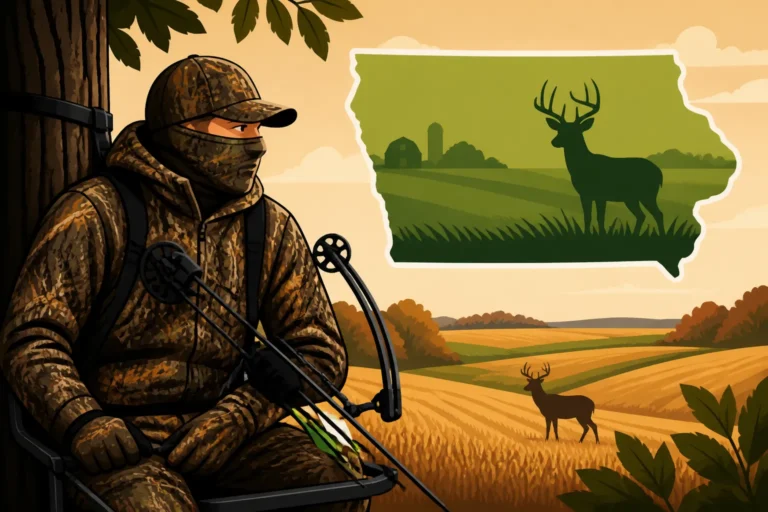
There’s nothing quite like the piercing, bone-deep chill that creeps into your feet when you’ve been sitting still in an Iowa treestand for hours. It starts as a tingle, then a numbness, and before you know it, that relentless cold has hijacked your focus, turning what should be a patient, exhilarating hunt into a miserable countdown until you can bail out. This guide is all about equipping you with the knowledge to keep those toes toasty, ensuring you can stay on stand as long as it takes for that Iowa giant to walk by.
The Relentless Chill: Why Cold Feet End a Hunt Early in Iowa
Let's be honest, we've all been there. You bundled up, layered correctly, but that nagging cold in your feet eventually becomes unbearable. Iowa winters, especially during the late deer seasons, are notorious for their biting winds, damp conditions, and temperatures that can plummet. When you're sitting stationary for hours, particularly in an elevated position where you're exposed to wind from all sides, your body's circulation naturally slows down in your extremities. Your core works hard to maintain its warmth, often at the expense of your fingers and toes, and that’s when the misery really sets in.
It’s not just about discomfort; cold feet are a genuine hunt killer. When your feet are freezing, your concentration plummets. You start shifting, fidgeting, and thinking more about getting warm than about the subtle rustle of leaves or the faint flick of a deer’s ear. This can lead to missed opportunities, whether it's spooking a deer with unnecessary movement or simply being too distracted to make a good shot when the moment arrives. In Iowa, where every encounter with a mature buck feels hard-earned, cutting a sit short because of cold feet is a tough pill to swallow. We often talk about Staying Warm on a December Sit as a whole-body endeavor, but the feet are arguably the most critical component. If your feet are cold, the rest of you quickly follows, no matter how many layers you have on your torso. The damp ground, melting frost, or even a light snow can quickly soak through inadequate footwear, stealing precious heat and leaving you in a truly compromising situation.
Decoding Insulation: Understanding the Numbers and Materials
When you start looking at insulated boots, you'll inevitably see numbers like "400 grams," "800 grams," or "2000 grams" of Thinsulate. These numbers refer to the weight of insulation per square meter. Generally, the higher the gram rating, the warmer the boot should be. However, it’s not always a straightforward comparison, as different brands and materials can perform differently even with similar ratings.
For moderate Iowa fall days, say during the latter half of October when the mornings are crisp but the afternoons might warm up, something in the 400-gram range might suffice if you're doing a good amount of walking. But for those truly frigid November rut hunts or the bitter cold of the late muzzleloader and January antlerless seasons, you’ll want to significantly increase that insulation. Many seasoned Iowa hunters will tell you that for static stand hunting in truly cold conditions, 1200 to 2000 grams of insulation is a good starting point, and some even go beyond 2000 grams for extreme cold. It seems like overkill until you've sat for four hours with the wind whipping at 10 degrees Fahrenheit, and then suddenly, "overkill" feels just right.
While Thinsulate is perhaps the most common, other insulation types exist. Some boots use traditional felt liners, which can be incredibly effective when dry and offer an advantage in that they can often be removed and dried separately. Other newer technologies, like aerogel or proprietary blends, aim for maximum warmth with minimal bulk, which is a fantastic benefit if you're covering a lot of ground before settling into a stand, as with Mobile Saddle Hunting in Iowa. Regardless of the insulation type, waterproofing is non-negotiable in Iowa. Our weather is unpredictable, and wet feet are cold feet, guaranteed. Look for boots with reliable waterproof membranes, like Gore-Tex or similar, to keep moisture out, whether it’s from snow, rain, or simply dew-soaked grass. A quality hunting boot should be a fortress against the elements, not just a warm blanket.
Here’s a general guideline for insulation levels for Iowa hunting:
| Insulation (Grams) | Activity Level | Suggested Season/Conditions | Notes |
|---|---|---|---|
| 200-400g | Active to Moderate | Early Archery (Sep-Oct), Mild Fall Days, Active Stalking | Good for covering ground. Might need warm socks for mild sits. |
| 600-800g | Moderate to Still | Late Archery (Nov), Early Muzzleloader, Moderate Cold | Decent for shorter sits, or when temperatures are just above freezing. |
| 1000-1200g | Still to Very Still | Peak Rut (Nov), First Shotgun, Colder Temps (15-30°F) | A solid choice for longer sits in typical Iowa cold. |
| 1600-2000g | Very Still | Late Muzzleloader, Second Shotgun, January Antlerless, Extreme Cold (0-15°F) | Excellent for all-day sits in deep cold. |
| 2000g+ | Extreme Still | Sub-zero Temperatures, Extended Exposure to Cold | Best for dedicated cold-weather stand hunters. Can be bulky for walking. |
More Than Just Insulation: The Full Warmth Equation
It's easy to focus solely on the insulation number, but it's only one piece of the puzzle. Several other factors play a massive role in keeping your feet warm during those long, cold sits.
First, fit and sizing are paramount. A boot that's too tight will restrict blood flow, which is essentially cutting off your feet's natural warming system. On the flip side, a boot that's too loose leaves too much air space, allowing cold air to circulate and making your feet work harder to warm that empty space. The ideal fit allows for a medium-to-heavy wool sock, with just enough room for your toes to wiggle. You should be able to feel the insulation without any pressure points. When considering Cold Weather Stand Clothing, remember that your boots are an integral part of that system. Don’t compromise on fit. Many hunters size up half to a full size in their insulated boots specifically to accommodate thicker socks and ensure good circulation.
Second, socks are the unsung heroes of warm feet. Cotton is absolutely the enemy here. Once cotton gets damp – from sweat or external moisture – it loses all insulating properties and acts as a heat sink, making your feet colder. Instead, opt for high-quality wool or synthetic blend socks. Merino wool is a favorite for its excellent warmth-to-weight ratio, moisture-wicking properties, and ability to insulate even when damp. Some hunters prefer a layering system: a thin, moisture-wicking synthetic liner sock next to the skin, followed by a thicker wool sock. This helps manage sweat and provides extra insulation. Remember, dry feet are warm feet, and good socks are your first line of defense against internal moisture.
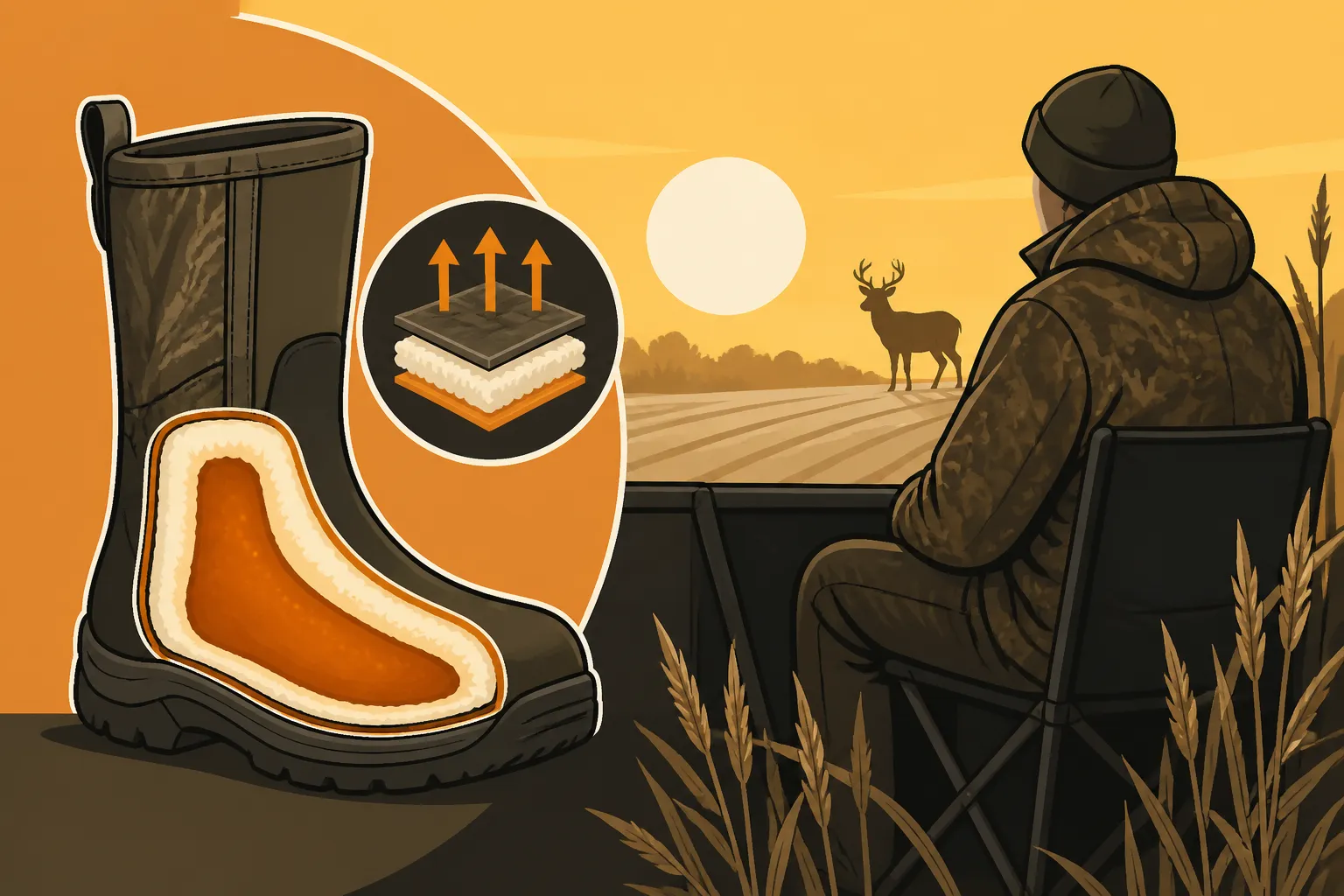
Third, boot construction matters. Beyond the insulation and waterproofing, consider the sole and shank. A thick, well-insulated sole prevents cold from radiating up from the frozen ground. Look for boots with a substantial sole that can act as a barrier. A rigid shank also provides support and can help prevent fatigue, which, while not directly related to warmth, contributes to your overall comfort and ability to endure a long sit. Rubber boots, while not always as breathable as leather/synthetic blends, are excellent for keeping moisture out and are often favored for their scent control properties, making them popular for Hunting Inside Corners of Crop Fields or sloshing through damp creek bottoms. However, ensure they have sufficient insulation, as thin rubber can quickly transfer cold.
Finally, your activity level plays a huge role. If you're walking a mile into your stand, your feet will generate a lot of heat and probably sweat. If you then sit down immediately, that trapped moisture will quickly turn to cold once your activity stops. Some cunning hunters will walk into their stand with lighter, less insulated boots or socks, then swap into their heavy, insulated boots and dry, warm socks once they're settled. This strategy is golden for those long, cold sits. It's also worth considering portable chemical foot warmers. These small, adhesive packets can provide several hours of consistent, gentle heat, acting as a fantastic supplement to even the best insulated boots. Placing them on the top of your toes, rather than the bottom, often works best to warm the blood flowing into your foot.
Practical Strategies for All-Day Warmth in the Field
Even with the best boots and socks, a little pre-hunt planning can make all the difference in keeping your feet warm for the entirety of your sit. The golden rule is to start warm and stay dry.
One effective strategy is to pre-warm your boots and socks. Before heading out into the pre-dawn chill, store your boots and socks indoors, ideally in a warm spot, not out in the cold garage. Some hunters even put their socks in a sleeping bag overnight, or toss them in a dryer for a few minutes right before they put them on. Every degree of warmth you start with is a degree you don't have to fight to regain in the stand. When you're driving to the hunting area, keep your boots near the heater vents in your truck. Starting your feet off toasty warm means your body isn't fighting an uphill battle from the moment you step out of the vehicle, especially when you're Walking In Before Legal Light.
Another critical aspect, as mentioned, is managing sweat. This is particularly challenging for hunters who have a decent walk into their stand. You generate body heat and sweat on the hike in, and then once you stop moving, that sweat becomes a cooling agent. For those longer treks, especially when Hanging Stands on Iowa Public Ground or venturing deep into areas found through Scouting Iowa Public Land Before the Opener, consider carrying your heavily insulated boots in your pack and wearing lighter, breathable hiking boots for the walk. Once you arrive at your stand, change into dry, warm socks and your insulated boots. It adds a few minutes to your setup, but it can literally add hours to your sit time, improving your chances during Late-Season Food Source Hunting in Iowa.
When choosing your hunting location, also consider the impact on your feet. While Ground Blinds in Iowa Farm Country can offer some protection from the wind and elements, the ground itself can still be a massive heat sink. Bringing a small, insulated mat or even a piece of carpet to stand or sit on inside your blind can prevent that radiant cold from soaking through your boot soles. For treestand hunters, your feet are completely exposed, which makes insulation even more critical. Platforms that allow you to stand and move a bit, even just a slight shuffle, can help improve circulation.
When planning your hunts, using tools like GoHunt can help you anticipate the exact weather conditions, allowing you to choose the right level of boot insulation for the forecasted temperatures and wind chill. Knowing a brutal cold front is coming, as described in December Cold Front Deer Movement, can cue you to bring out the heaviest boots you own. If you’re participating in Iowa Shotgun Season Tactics for Party Hunting, where you might be standing for periods, then pushing through cover, then standing again, the need for adaptable warmth and moisture management is even more crucial. Every hunting scenario in Iowa has its unique demands, but cold feet are a universal problem that can be solved with the right gear and thoughtful preparation.
Disclaimer
This article is for general informational purposes only and does not constitute professional advice. Laws, prices and regulations vary by location and change over time. Consult a qualified professional for guidance on your specific situation.