How Many Counties Have Iowa IHAP Ground
It’s a common frustration for hunters in Iowa, especially those without a large network of private land access: just how much public ground is actually out there, and how do you even find it? Many of us have heard whispers of the Iowa Habitat and Access Program (IHAP), a fantastic initiative that opens up private lands for public hunting, but pinning down exactly where these opportunities exist can feel like chasing a ghost. This guide will clarify the reach of Iowa's IHAP program, exploring how many counties participate, what kind of ground you can expect to find, and how to effectively leverage these crucial access points for your next hunting adventure.
Understanding the Iowa Habitat and Access Program (IHAP)
Before we dive into the numbers, let's talk about what IHAP really is, because it's a game-changer for many hunters. Imagine rolling crop fields, dense timber stands, or sprawling grasslands that you’ve always driven past, wishing you had a chance to hunt. The Iowa Department of Natural Resources (DNR) works with private landowners through the IHAP program to do just that – provide temporary, yet valuable, public hunting access on private property. It's a voluntary program where landowners receive incentives for opening their gates to hunters, usually tied to habitat improvement efforts.
The beauty of IHAP is that it creates access where it often doesn't exist. Iowa is largely private land, and securing permission can be a daunting, sometimes impossible, task. IHAP steps in to fill some of those gaps, providing precious acres for everything from deer and turkey hunting to chasing pheasants and quail. It’s not just about opening gates; it’s about fostering quality habitat, too, which benefits wildlife and, in turn, us hunters. These aren't vast federal forests; they're often smaller, strategically located parcels that connect existing habitat or provide critical cover in agricultural landscapes.
The Broad Reach: How Many Counties Host IHAP Ground
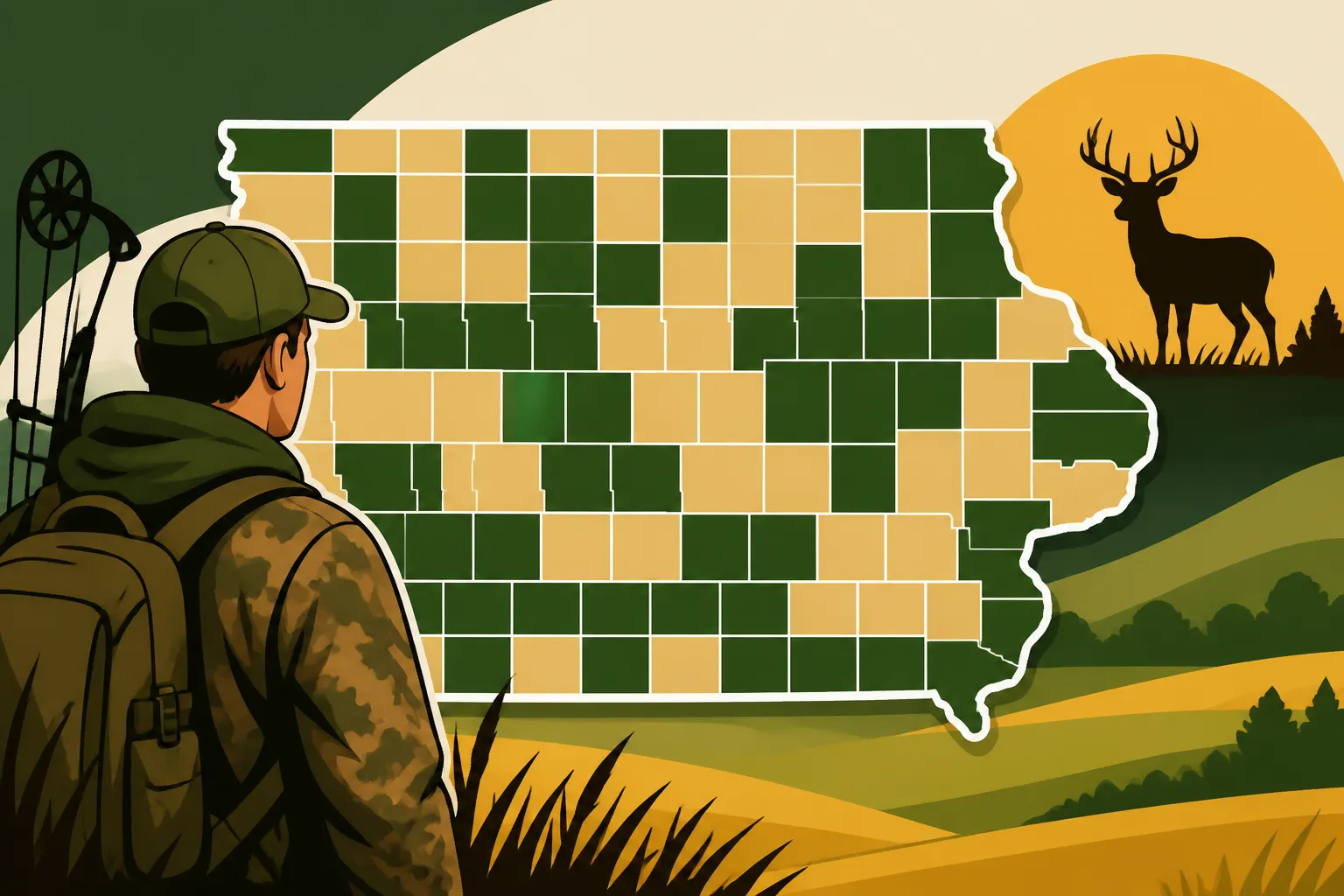
One of the most exciting aspects of the Iowa Habitat and Access Program is its widespread availability. It’s not confined to just a handful of counties; in fact, the program aims for broad participation across the state. While the exact number can fluctuate slightly from year to year as contracts are renewed, expanded, or new ones initiated, Iowa typically sees IHAP agreements in around 50 to 60 counties at any given time.
Think about that for a moment: roughly half of Iowa's 99 counties offer some form of IHAP access. This isn't just a token presence; it means that no matter where you are in the state, from the far reaches of southern Iowa to the northern pheasant country, there's a strong likelihood that IHAP land is within a reasonable driving distance. This extensive reach is a deliberate strategy by the Iowa DNR to ensure that hunting opportunities aren't just concentrated in traditional public land hubs, but are distributed across the landscape, giving more Iowans and non-residents alike a chance to hunt. The program is truly foundational to expanding hunter access beyond traditional Public Hunting Land in Iowa.
Geographical Distribution and Habitat Focus
When we talk about 50-60 counties, it's important to understand that the focus and type of habitat can vary significantly depending on the region. IHAP isn't a one-size-fits-all program; it's designed to be adaptable to the local landscape and wildlife needs.
- Southern Iowa: In the timbered hills and creek bottoms of southern Iowa, IHAP tracts often focus on expanding access to prime deer and turkey habitat. These might be parcels of hardwood timber, brushy draws, or connecting corridors between larger blocks of cover. Here, IHAP helps create crucial access in areas known for Why Iowa Grows Trophy Whitetails.
- Central and Western Iowa: In the more agriculturally dominant central and western parts of the state, IHAP might emphasize grassland and wetland habitat, targeting areas ideal for pheasants, quail, and waterfowl. These could be restored prairies, CRP (Conservation Reserve Program) fields, or marshy areas that offer critical cover and foraging opportunities.
- Northeast Iowa: The unique "Driftless Area" in northeast Iowa often sees IHAP parcels that provide access to steep timbered bluffs and narrow river valleys, again, fantastic for deer and turkey, but also offering rugged terrain that can be challenging yet rewarding to navigate.
- Northern Iowa: In the northern tiers, IHAP efforts might bolster access to pothole wetlands for waterfowl or provide more upland bird opportunities in areas where habitat might otherwise be fragmented by intense farming.
This strategic distribution means that as a hunter, you can often find IHAP ground that aligns with your target species and preferred hunting style, whether you're chasing ring-necked pheasants or trying to decoy a Calling a Henned-Up Iowa Gobbler.
Discovering and Navigating IHAP Tracts
Knowing that IHAP ground exists in many counties is one thing; actually finding it and navigating it effectively is another. This is where modern tools and good old-fashioned scouting come into play.
The Iowa DNR provides an invaluable resource: the Iowa Hunting Atlas. This online mapping tool is regularly updated and is your primary source for identifying IHAP tracts, along with other public hunting opportunities like Wildlife Management Areas (WMAs) and State Forests. When you click on an IHAP parcel on the atlas, it often gives you information about the allowed activities, parking locations, and specific regulations for that site. This is absolutely critical for respecting the landowner's property and adhering to program rules.
Beyond the DNR's official atlas, mapping apps like onX Hunt have revolutionized how hunters locate and utilize public access, including IHAP ground. With onX Hunt, you can overlay public land boundaries directly onto aerial imagery, giving you a crystal-clear view of property lines, topography, and potential access points. This is particularly useful for IHAP, as these parcels are often intertwined with private land, and knowing exactly where you stand is paramount. You can mark waypoints, measure distances, and even identify Access Routes That Do Not Bump Deer from parking areas, which is vital on smaller IHAP tracts. Likewise, platforms like GoHunt provide similar detailed mapping and planning features that can aid in your pre-hunt reconnaissance.
Practical Tips for Hunting IHAP Ground
Hunting IHAP properties often requires a slightly different approach than vast tracts of federal or state land. Here are a few things to keep in mind:
- Always Check the Rules: IHAP properties can have specific rules beyond general state hunting regulations. Some might restrict certain weapons, have specific entry points, or close during certain times. Always check the Iowa Hunting Atlas or on-site signage. Never assume.
- Respect the Landowner: Remember, this is private land made available through a generous program. Leave no trace, close gates, and if you see farm equipment or livestock, give them a wide berth. Your actions reflect on all hunters and can impact the program's future. Leaving No Trace on Iowa Walk-In Ground is more than just a courtesy, it’s a responsibility.
- Scout Smart: Many IHAP tracts are smaller, so pressure can build quickly, especially during peak seasons. Scouting Iowa IHAP Tracts on Foot is essential, but doing it discreetly is key. Use e-scouting tools like onX Hunt or the Iowa Hunting Atlas to identify potential bedding areas, travel corridors, and food sources before you ever set foot on the property. This can help you formulate a strategy without disturbing game or other hunters. For detailed planning, consider E-Scouting Iowa Farm Country From Home to map out your approach.
- Expect Competition: Because IHAP opens up new opportunities, these spots can attract other hunters. Be prepared to share the resource and always be courteous. Understanding Hunting Pressure Patterns on Iowa Public Land can help you adapt your strategy. Early mornings, late evenings, or weekdays might offer less competition.
- Look for Connecting Cover: Often, IHAP parcels provide access to timbered draws, fence rows, or creek bottoms that connect larger blocks of cover or crop fields. These corridors can be highly productive travel routes for deer and other game. Knowing Reading an Iowa Timber Draw for Deer Sign can be invaluable.
Here's a simplified look at the types of IHAP habitat you might encounter across Iowa's regions:
| Iowa Region | Typical IHAP Habitat Examples | Primary Species Benefiting | Hunting Considerations |
|---|---|---|---|
| Southern Iowa | Hardwood timber, brushy creek bottoms, reclaimed pastures | Deer, Turkey, Quail, Rabbit | Often rugged, great for ambush hunting. |
| Central Iowa | CRP grasslands, small timber blocks, restored wetlands | Pheasant, Deer, Waterfowl, Turkey | Interspersed with agriculture, focus on cover edges. |
| Western Iowa | Loess Hills bluffs, timbered ravines, prairie grasslands | Deer, Turkey, Pheasant, Rabbit | Steep terrain, unique habitat, can be physically demanding. |
| Northeast Iowa | Timbered bluffs, river bottom forests, small agricultural plots | Deer, Turkey, Squirrel | Challenging access, often linear strips of cover. |
| Northern Iowa | Pothole wetlands, restored prairies, drainage ditches | Waterfowl, Pheasant, Deer (sparse) | Waterfowl-focused, open country with distinct cover. |
The Future and Importance of IHAP
The continued success of the Iowa Habitat and Access Program is vital for expanding hunting opportunities in a state dominated by private land. It offers a lifeline for hunters who might otherwise struggle to find a place to pursue their passion. By opening up previously inaccessible ground, IHAP helps to distribute hunting pressure, create new experiences, and foster habitat improvements that benefit a wide array of wildlife.
The program's reach across so many counties means that it's constantly evolving. New tracts are added, some are removed, and the landscape changes. That's why consistent engagement with resources like the Iowa DNR website and the Iowa Hunting Atlas is so important. Utilizing modern e-scouting tools from companies like onX Hunt helps you stay ahead of these changes, ensuring you always know where your next adventure might lie. Whether you're looking for Iowa Whitetail Hunting Tactics Through the Rut or Working Pheasant Cover Without a Dog, IHAP often provides the canvas for your pursuit.
In essence, IHAP isn't just a program; it's a testament to cooperation between landowners and the hunting community, a bridge that connects private property with public opportunity, and a crucial component of Iowa's rich hunting heritage.
Disclaimer
This article is for general informational purposes only and does not constitute professional advice. Laws, prices and regulations vary by location and change over time. Consult a qualified professional for guidance on your specific situation.