Late Muzzleloader Deer Hunting in Iowa
The biting Iowa winter can make deer hunting feel like an uphill battle. The deer have been pressured for months, food sources are dwindling, and the cold saps your energy. But if you're willing to brave the elements, Iowa's late muzzleloader season offers a unique opportunity to fill your freezer and maybe even tag a truly impressive buck. This comprehensive guide will walk you through everything you need to know to find success during this challenging, yet rewarding, time of year.
Embracing the Challenge of Iowa's Late Muzzleloader Season
The late muzzleloader season in Iowa, typically falling in January, is a different beast entirely compared to the early archery or even the shotgun seasons. The landscape has changed dramatically; crops are long gone, most leaves have fallen, and persistent cold or snow often blankets the countryside. This season truly tests a hunter's resolve, but for those who put in the effort, the rewards can be substantial. Deer are focused almost entirely on survival, and understanding their late-season patterns is paramount.
Key Dates and Specific Regulations
Navigating the Iowa hunting regulations can sometimes feel like deciphering ancient texts, but understanding the specifics for late muzzleloader is crucial. This season usually runs for about two to three weeks in January. Before you even think about heading afield, always double-check the exact dates published by the Iowa Department of Natural Resources (DNR) in their annual regulations booklet. These dates can shift slightly year to year. For example, the Iowa DNR typically outlines the specific dates for Iowa Late Muzzleloader Season Dates well in advance. Hunters will need a valid Iowa hunting license and a late muzzleloader tag, which is often an antlerless tag or a regular any-deer tag if available. Unlike shotgun season, party hunting rules are generally more restrictive during muzzleloader, meaning you need to tag your own deer. Always carry your physical licenses and tags, and be prepared to show them if requested by law enforcement or conservation officers.
Muzzleloader Specific Rules You Must Know
Iowa has particular rules regarding what constitutes a legal muzzleloader for deer hunting. You can't just show up with any old black powder rifle. The regulations specify that legal muzzleloaders must be at least .44 caliber and fire a single projectile. This means no buckshot or multiple projectile loads are allowed. You'll often hear discussions about Iowa Muzzleloader Projectile Rules among hunters. While traditional percussion or flintlock rifles are certainly legal, most hunters opt for modern inline muzzleloaders due to their superior accuracy, ease of loading, and reliability in inclement weather. Scopes are generally allowed, which is a huge advantage for ethical shot placement in variable light conditions. However, be aware that many public land areas have specific rules about overnight stand storage, so always check local regulations for any area you plan to hunt.
Decoding Deer Behavior in the Late Season
By January, whitetail deer in Iowa have been through the gauntlet. The rut is a distant memory, and their primary objective is now simply to survive the harsh winter. This means their movements become much more predictable, revolving almost entirely around food and thermal cover. Understanding these drivers is your biggest asset for late muzzleloader success.
The Undeniable Importance of Food Sources
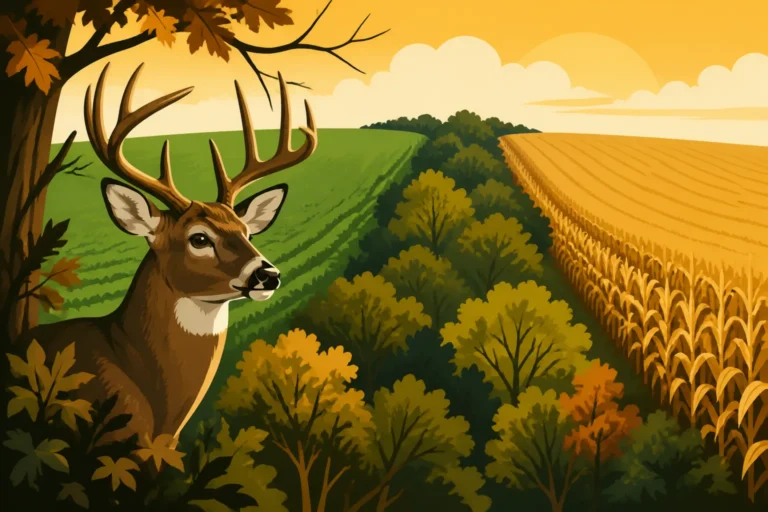
If you want to find deer in January, you must find food. Period. Natural food sources like acorns are typically long gone or covered by snow. What remains are agricultural fields, and certain crops hold deer magnet status. Standing corn, especially fields that haven't been picked clean, is king. Deer will spend entire days bedded within these stalks, emerging only to feed. Picked soybean fields can still offer residual beans, and sometimes, even cut alfalfa fields can draw deer if they're desperate. Areas like food plots specifically planted for late-season forage, such as brassicas or winter rye, become absolute hotspots. You’ll find that Late-Season Food Source Hunting in Iowa revolves heavily around identifying and accessing these critical food reserves. The deer are trying to pack on calories to ward off the cold, and they will travel considerable distances to hit a reliable food source, often multiple times a day.
Bedding in Heavy Thermal Cover
Just as important as food is cover, particularly thermal cover that offers protection from the wind and cold. Thick cedar thickets, dense multiflora rose patches, tangled river bottom riparian zones, and even unharvested standing corn provide crucial bedding areas. These spots not only offer security but also block the frigid winds and, in some cases, provide a slight temperature buffer. Think about the north side of hills or steep creek banks where deer can catch some sun and be shielded from prevailing northwest winds. Deer will often bed very close to their preferred food source, sometimes mere yards away, minimizing their energy expenditure during travel. Scouting these areas becomes key to understanding their daily patterns, especially when you find rubs and trails leading directly from dense cover to a standing cornfield.
Midday Movement and Cold Front Impact
Unlike early season when deer often move at dawn and dusk, late-season deer will often be active throughout the day, particularly if it's extremely cold. They need to feed more to maintain their body temperature. A common mistake is to only hunt the first and last hours of light. Many successful late muzzleloader hunters will tell you that midday, especially between 10 AM and 2 PM, can be incredibly productive, as deer move from bedding to feeding or simply reposition themselves in the sunniest, most protected spots. Furthermore, paying attention to weather patterns is critical. A significant cold front pushing through can trigger increased feeding activity before the worst of the weather hits, as deer instinctively try to fuel up. Conversely, immediately after a cold front passes, especially if temperatures plunge and snow accumulates, deer will often be on their feet, hungry and seeking any available forage. This knowledge can give you a significant edge when planning your sits.
Scouting Strategies for Cold Weather and Limited Cover
Scouting for late muzzleloader season demands a different approach than what you might use in early fall. With leaves down and sometimes snow on the ground, deer sign can be both more obvious and more challenging to interpret. The key is to focus on current activity and adapt your search to the winter landscape.
E-Scouting for Late Season Food and Cover
Your scouting starts long before you ever step foot in the woods. Modern technology, like tools from GoHunt, has revolutionized the way we approach e-scouting. Start by pulling up aerial imagery and topo maps. Look for unharvested standing cornfields, especially those adjacent to dense timber, CRP fields, or river bottoms. Identify pockets of thick thermal cover—cedar thickets, multiflora rose, or unmanaged brushy areas. Pay close attention to pinch points, funnels, and natural travel corridors that connect these food and cover areas. Using a platform like GoHunt, you can overlay public land boundaries with satellite imagery to identify accessible private land edges that might funnel deer onto public ground. This digital reconnaissance, where you can literally spend hours E-Scouting Iowa Farm Country From Home, helps you narrow down potential hot spots, saving valuable time and minimizing disturbance in the field.
On-the-Ground Scouting in the Snow
Once you've identified some promising spots on your maps, it's time to hit the ground. If there's snow, it's your best friend for scouting. Fresh snow reveals every deer movement, making it easy to see active trails, feeding areas, and bedding sites. Focus on the transition areas between food and cover. Look for heavily used trails entering and exiting standing corn or dense thickets. Identify fresh tracks, especially larger buck tracks, and follow them to understand deer movement patterns. Pay attention to how deer are using the terrain—are they walking ridge tops, following creek beds, or skirting field edges? Look for evidence of browsing on woody plants, which indicates feeding. When Scouting Iowa Timber and River Bottoms, be observant for any sign that stands out, such as a large track breaking off a main trail, indicating a buck might be heading to a secluded bedding area.
Interpreting Tracks and Other Sign
More than just finding tracks, learning to read them is a game-changer. Fresh, crisp tracks in powdery snow are obviously recent. Tracks that have melted around the edges or are filled with ice crystals are older. A large, splayed track often indicates a heavier-bodied deer, potentially a mature buck. Look for clusters of tracks in feeding areas, indicating consistent use. Beyond tracks, look for droppings to gauge freshness and type of food consumed. Rubs and scrapes from the rut are usually old news by January, but a very fresh rub might indicate a buck that's still feeling a surge of testosterone, although this is rare in deep winter. Instead, focus on fresh beds. A bed dug down into the snow, often with melted patches around it, shows very recent use. These small details, when pieced together, can paint a clear picture of deer activity and help you pinpoint exactly where you need to set up your ambush.
Essential Gear for Late Muzzleloader Hunting
Late muzzleloader hunting in Iowa is not for the faint of heart, or the unprepared. The cold is a constant adversary, and being ill-equipped can quickly turn a hopeful hunt into a miserable, and potentially dangerous, experience. Proper gear is non-negotiable.
Staying Warm and Dry: Layering, Boots, and Handwarmers
Your number one priority for late-season comfort and safety is to stay warm and dry. This means meticulous layering. Start with a moisture-wicking base layer against your skin to pull sweat away. Add insulating mid-layers like fleece or down for warmth, focusing on your core. For your outer layer, choose something windproof and waterproof, preferably in a quiet fabric, to protect against the elements. Good quality insulated boots are paramount; look for at least 1000 grams of Thinsulate, and consider bringing chemical hand and toe warmers, which can be a lifesaver on long, frigid sits. It's often debated how to manage the cold, and many seasoned hunters offer advice on Staying Warm on a December Sit, much of which applies directly to the even colder January muzzleloader season. Don't skimp on a warm hat that covers your ears and insulated gloves or mittens. A thermal face mask can also make a huge difference in keeping frostbite at bay and concealing your breath.
Muzzleloader and Ammunition Choices
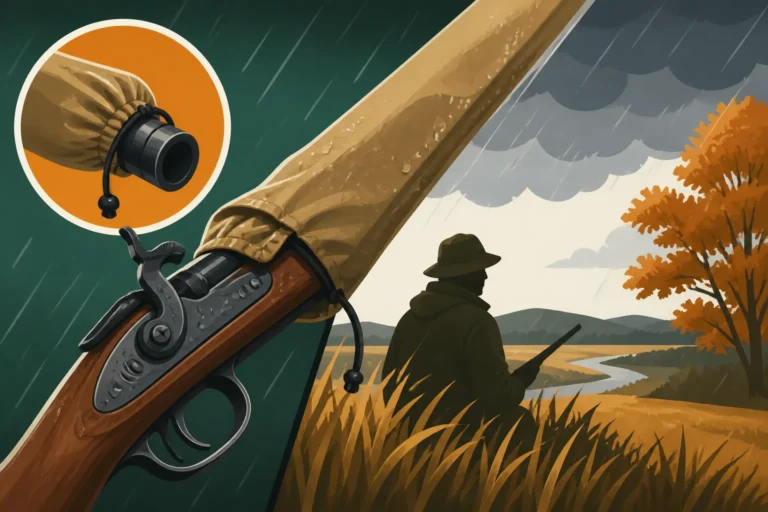
Your muzzleloader is your primary tool, so ensure it's up to the task. Most late-season hunters prefer an inline muzzleloader for its reliability and accuracy. Spend time at the range to ensure your chosen projectile and powder charge perform accurately at typical hunting distances (50-150 yards). A sabot bullet like a Hornady SST or Barnes Expander is a popular choice for its ballistic performance and knockdown power. Make sure you understand the Iowa regulations on bullet diameter and minimum energy. Keeping your powder and primers dry is crucial. Consider using waterproof cases for your primers and ensure your powder loads are protected from moisture. A small, sealed container for pre-measured powder charges can speed up reloading in the field and prevent issues. Don't forget a sturdy sling for carrying your heavy rifle, especially when you're traversing rough terrain or through deep snow.
Optics and Navigation Tools
In late season, low light conditions are the norm, and good optics become even more critical. A quality scope on your muzzleloader, even at lower magnification (e.g., 1-4x or 2-7x), will provide a clearer sight picture in those dim twilight hours. Consider a rangefinder to accurately dial in your shots, as judging distance in open, snow-covered fields can be deceptive. A good pair of binoculars, like an 8×42, will help you pick apart distant cover and identify deer without excessive movement. For navigation, a reliable GPS unit or a smartphone app like GoHunt with downloaded offline maps is essential. Cell service can be spotty in remote Iowa hunting areas, so having maps pre-loaded that show property boundaries, topography, and public land access is invaluable. Don't forget a headlamp with spare batteries; you'll likely be walking in and out in the dark, and getting a deer out of a creek bottom after dark is a lot easier with good illumination.
Hunting Tactics for Success in January
With conditions as challenging as they are, your hunting tactics need to be sharp and adaptable. You'll likely encounter deer that are extremely wary, having survived months of hunting pressure. Patience and precision are your best friends.
Stand Placement Near Food and Thermal Cover
This is where your scouting pays off. Ideal stand locations will be positioned between primary bedding areas (heavy thermal cover) and preferred food sources (like standing corn or a brassica plot). Consider prevailing winds; deer will always try to use the wind to their advantage, so set your stand up to intercept them downwind or crosswind. Look for terrain features that naturally funnel deer, such as narrow timber strips connecting two larger blocks of woods, saddles between ridges, or pinch points along river bends. Often, a stand placed on the downwind side of a dense cedar thicket, overlooking a trail leading to a food source, can be deadly. Remember, deer are trying to conserve energy, so their trails will often be the path of least resistance. Identifying Best Stand Locations in Rolling Timber and adapting them for late-season cold is a valuable skill.
Still-Hunting in River Bottoms and Timber
Sometimes, sitting still in a frigid stand isn't producing, or you're hunting an area where a fixed stand isn't practical. This is when still-hunting can be highly effective. Still-hunting involves moving very slowly, taking a few steps, then pausing for several minutes to scan the woods for deer. Focus on thick river bottoms, timbered creek corridors, or dense woodlots where deer might be bedded. With the leaves down, visibility is often better, but also remember that deer can see you better too. Use the terrain to your advantage, moving from ridge to ridge, or slowly through thickets, always using the wind to your face. Pay attention to every sound – a rustle in the leaves, a snapped twig, or the subtle glint of an antler. Moving silently is paramount, especially on crunchy snow or frozen leaves. This method is all about stealth and patience, often rewarding those who can maintain focus for extended periods.
Small Drives for Reluctant Deer
In areas with dense cover, especially on larger public land tracts, deer can become almost unhuntable by late season. They know where to hide and how to evade pressure. This is where small, organized drives can be incredibly effective, especially if you're hunting with a partner or a small group. A drive involves one or two "drivers" slowly pushing through a known bedding area, while "posters" are strategically positioned ahead, covering escape routes. For example, a two-person drive might involve one hunter pushing a timber point or a thick brushy draw towards a partner waiting on the opposite side, overlooking a field edge or a creek crossing. Understanding the principles of Small Timber Drives With Two Hunters is key. Safety is the absolute priority here; ensure everyone knows the plan, their assigned positions, and the safe zones of fire. Communication is crucial, and wearing plenty of blaze orange, even for muzzleloader season, is a must for visibility.
| Late Muzzleloader Tactic | Best Use Case | Key Considerations |
|---|---|---|
| Fixed Stand | Known food/bedding transitions, funnels | Wind direction, scent control, staying warm, patience |
| Still-Hunting | Dense timber, river bottoms, unknown patterns | Stealth, slow movement, keen observation, using terrain |
| Small Drives | Thick cover, pressured deer, group hunting | Safety communication, clear roles, escape routes, blaze orange |
Recovering and Processing Your Late Season Deer
Congratulations, you've made a great shot! But the work isn't over. Recovering a deer in the dead of winter presents its own set of challenges, from blood trailing in snow to field dressing in frigid temperatures.
Blood Trailing in Snow and Frozen Ground
Snow can be both a blessing and a curse for blood trailing. Fresh blood on white snow is a stark contrast, often making it easy to follow. However, light snowfall can quickly cover a trail, and frozen ground can make blood hard to find if it clots quickly. Give the deer ample time, especially if it's a marginal shot, as the cold will help slow down bleeding and the deer may bed down quickly. Look for blood on both sides of the trail, indicating a pass-through shot, which is ideal. Pay attention to how the blood looks: bright red and frothy often means a lung hit; darker, more fluid blood could indicate a liver shot; greenish-brown means gut. If the blood trail peters out, expand your search in concentric circles from the last spot of blood. Look for tracks leading away, or for any disturbance in the snow. Consider a tracking dog if legal in Iowa and you're struggling; they can be invaluable for Blood Trailing in CRP and Multiflora Rose or any other challenging terrain.
Field Dressing and Cooling in Cold Weather
One advantage of late-season hunting is natural refrigeration. You don't have to worry about meat spoiling quickly in warm temperatures. However, field dressing in frigid conditions can be uncomfortable. Have good, warm gloves (maybe a thin pair underneath a waterproof outer glove), a sharp knife, and a headlamp if it's dark. Quickly gutting the deer will help it cool down rapidly, even in below-freezing temperatures. Unlike early season where Field Dressing in Warm October Weather is a race against the clock, in January, you have more time. Ensure you remove all internal organs to prevent spoilage and allow the carcass to cool properly. If possible, hang the deer for a few days to allow the meat to age, which can improve tenderness and flavor.
Getting the Deer Out of the Woods
Getting a deer out of an Iowa creek bottom or a dense timber block can be exhausting, especially through snow. Consider a deer cart, especially if you're hunting on relatively flat ground or have a long walk out. There are many robust Deer Carts on Iowa Walk-In Ground designed to handle rough terrain. If the snow is too deep for a cart, a good quality deer sled or a heavy-duty tarp can make dragging easier. Quartering the deer in the field is another excellent option, especially for larger bucks or if you're hunting alone in rugged country. This involves breaking the deer down into manageable pieces—typically the four quarters, backstraps, and tenderloins—and packing them out in game bags. This not only makes the load lighter but also allows the meat to cool even faster. Always plan your extraction route beforehand, keeping in mind any obstacles like fences, creeks, or steep inclines.
Safety Considerations and Ethical Hunting Practices
Hunting in the late season demands a heightened awareness of safety, both for yourself and others. Iowa's cold weather can quickly turn a minor mishap into a serious situation, and ethical practices ensure the sport thrives for generations to come.
Hunter Safety and Blaze Orange Rules
Even though muzzleloader season isn't as heavily trafficked as shotgun seasons, safety remains paramount. Always treat every firearm as if it's loaded. Know your target and what's beyond it, especially if you're in an area with limited visibility due to thick cover or snow. When participating in drives, clear communication between all hunters is critical to establish safe zones of fire. While Iowa does not strictly require blaze orange for muzzleloader season if you're not participating in a firearm deer drive, it's always a good idea to wear some blaze orange, especially a hat or vest, for increased visibility to other hunters, particularly on public land. It's a simple step that significantly reduces the risk of accidents. For more details on these guidelines, check out the information on Blaze Orange Rules During Iowa Gun Season.
Dealing with Hunting Pressure and Other Hunters
By January, deer in Iowa have encountered significant hunting pressure, making them exceptionally wary. This pressure isn't just from you; other hunters might be out as well. On public lands, expect to see other vehicles or even hear shots from time to time. The key is to adapt. If a spot you planned to hunt already has vehicles, move to your backup location. Consider hunting on weekdays when pressure is typically lighter than weekends. Be courteous and respectful of other hunters' space. If you encounter another hunter, a friendly nod or wave is sufficient; avoid making noise that could disturb their hunt or your own. Understanding Hunting Pressure Patterns on Iowa Public Land can help you choose areas that might see fewer hunters, or at least predict where deer might be pushed. Sometimes, finding success means getting deeper into public land than others are willing to go.
CWD Considerations and Reporting
Chronic Wasting Disease (CWD) is a serious concern for Iowa's deer herd, and hunters play a vital role in monitoring its spread. Iowa has specific regulations regarding CWD, including mandatory sampling in certain counties. Always check the latest Iowa DNR guidelines for Iowa CWD Mandatory Sampling Counties to see if your hunting area falls within one. If it does, you're required to submit the deer's head for testing. Even if it's not mandatory, the DNR often encourages voluntary testing. Be aware of carcass transport restrictions; you cannot transport certain parts of a deer harvested in a CWD-positive county across county or state lines unless specific conditions are met. These rules are in place to prevent the further spread of this devastating disease. Ethical hunters understand their responsibility in helping manage and protect the health of the deer population.
Disclaimer
This guide is intended for informational purposes only and should not be considered legal advice. Hunting regulations in Iowa are subject to change, and it is the hunter's sole responsibility to consult the most current Iowa Department of Natural Resources hunting regulations prior to any hunting activity. Always prioritize safety and ethical hunting practices.