Pheasant Hunting Iowa Grass and Crop Edges
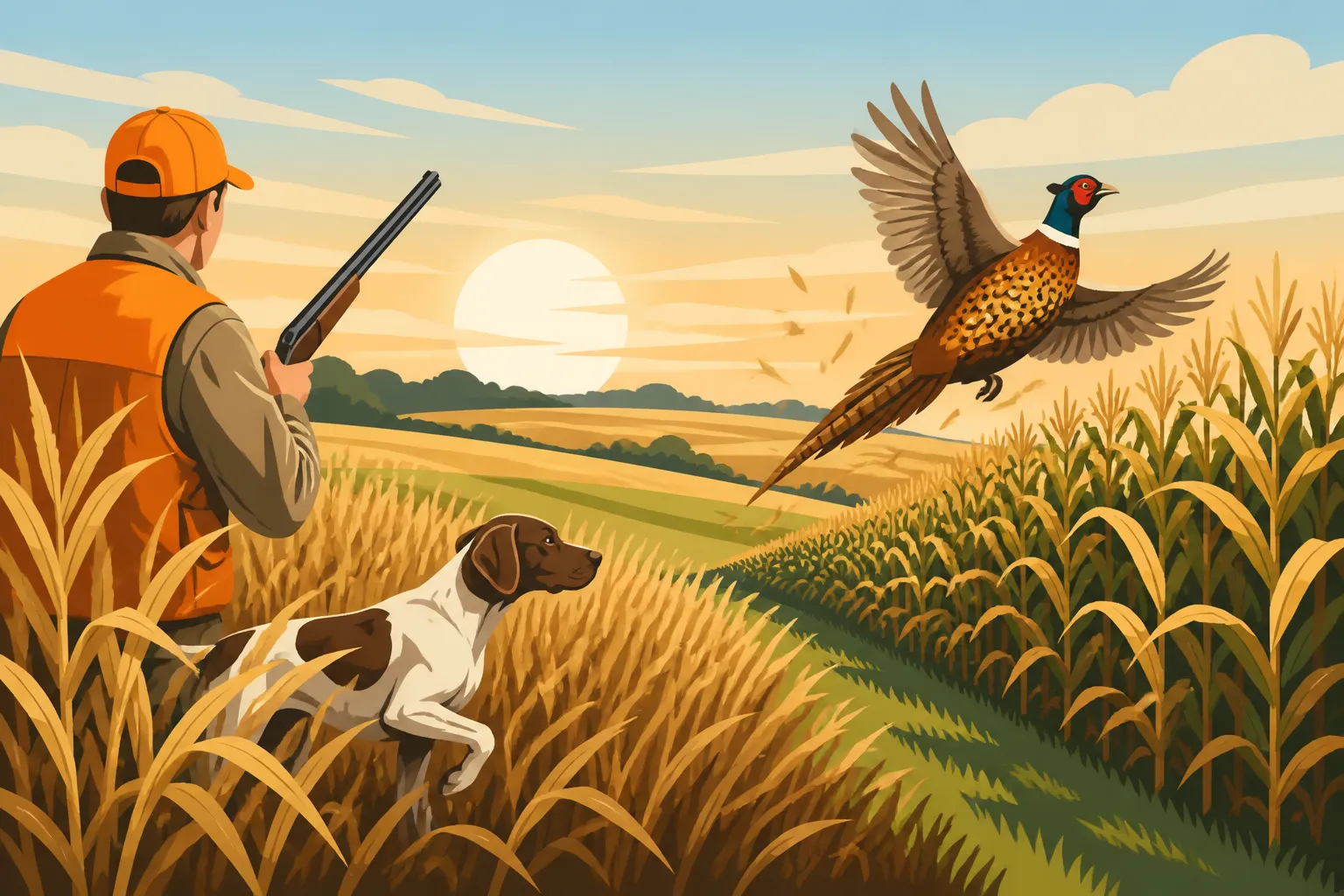
There’s nothing quite like the heart-stopping cackle of a rooster pheasant erupting from heavy cover, sending a jolt of pure adrenaline through your system. But let’s be honest, finding those elusive birds in Iowa can sometimes feel like chasing a ghost, especially if you’re new to the game or just haven't quite cracked the code of their preferred hangouts. Many hunters, myself included, have spent hours walking through what looks like prime habitat, only to kick up nothing but dust. This guide is all about cutting through that frustration, focusing on one of the most consistent and often overlooked pheasant magnets in the Hawkeye State: the grass and crop edges. We're going to dive deep into understanding these critical zones, how to scout them effectively, and the best tactics to put more Iowa roosters in your vest.
Understanding Iowa Pheasant Habitat Needs
Iowa's landscape is a mosaic of agricultural fields, interrupted by crucial strips of cover that pheasants rely on for survival. It's not just about finding any grass; it's about understanding why pheasants choose certain areas, and how they use different types of cover throughout the day and the season. Without this fundamental understanding, you're essentially just wandering around hoping for a lucky flush, and that's a recipe for tired legs and an empty game bag.
The Importance of Diverse Cover
Pheasants are masters of camouflage and opportunists when it comes to finding shelter. They don't just need one type of cover; they need a diverse array of options that meet their specific needs for roosting, nesting, loafing, and escaping danger. Think of it like a cozy, multi-room home for birds. For instance, dense, tall grass like switchgrass or native prairie is ideal for nesting and providing secure loafing cover during the day. It offers excellent thermal protection, keeping them cool in the summer and insulating them from bitter winter winds and snow. These areas are crucial for their survival, especially during crucial times like nesting season when Nesting Cover and Pheasant Broods are developing.
However, tall grass alone isn't enough. Pheasants also need access to shorter, sparser cover for dusting baths and quick escapes, as well as brushy areas or even standing crops for quick concealment from aerial predators like hawks. Iowa's agricultural dominance means that these diverse cover types are often found right alongside crop fields, creating the perfect interface. A prime pheasant area isn't just a big field of grass; it's a dynamic mix where thick thermal cover transitions into open feeding areas, and then into escape routes of brush or timber. This constant interplay of different cover types within a small radius is what makes an area truly attractive to pheasants, allowing them to fulfill all their daily needs without having to travel far or expose themselves unduly.
Reading the Landscape for Pheasant Sign
Once you understand what pheasants need, the next step is learning to see the landscape through their eyes, even if you’re just driving by. It's like being a detective, looking for subtle clues that indicate feathered residents. Keep an eye out for fence lines that have overgrown with weeds and brush, old farmsteads with dense shelterbelts, or even just wide, grassy ditches that run parallel to a corn or bean field. These are all potential highways and hideouts for pheasants. Drainage ditches, especially those with cattails or thick weeds, are often overlooked but can hold surprising numbers of birds, particularly on colder or windier days.
Beyond just identifying potential cover, look for direct evidence of pheasant activity. Fresh tracks in soft soil or snow along field edges or paths are a dead giveaway. You might also spot their distinct droppings or find shallow, circular depressions in dusty areas, which are their dust bowls where they clean their feathers. During the early season, you might even spot pheasants themselves, either running across a road or feeding openly in picked fields. Even if you don't see direct sign, consider the overall "feel" of an area. Does it have that perfect mix of food, water (even a ditch with some standing water), and diverse cover all within easy reach? If so, chances are good that pheasants are using it. Learning to interpret these subtle cues on the fly can save you countless steps in less productive areas and guide you directly to the best hunting spots.
Why Grass and Crop Edges are Pheasant Hotbeds
The intersection of grassy cover and crop fields isn't just one type of habitat; it's a dynamic zone that fulfills almost every need a pheasant has. It’s where safety meets sustenance, where they can feed, loaf, and escape predators all in one convenient, often linear, location. Neglecting these transitional zones means overlooking some of the most consistent pheasant hunting in Iowa.
The Food-Cover-Water Nexus
Think about what a pheasant needs to thrive: food, water, and cover. Grass and crop edges magically combine all three, often in a concentrated strip that pheasants instinctively gravitate towards. The crop fields, whether corn or soybeans, provide an abundant and readily available food source in the form of waste grain, seeds, and insects. Even after harvest, those kernels of corn or scattered beans left behind are a feast for pheasants. During the growing season, the standing crops themselves offer tremendous security cover, but once picked, the birds shift their focus to the remaining dense cover along the field edges.
Right alongside these food-rich fields, you have the crucial grassy cover – whether it's a CRP strip, a wide drainage ditch, a fenceline grown up with weeds, or a shelterbelt. This dense vegetation provides immediate security from predators, a place to loaf during the day, and warmth in colder weather. Many of these edges also have some form of water access, be it dewdrops on grass, small puddles in depressions, or even moisture from melting snow. This "food-cover-water nexus" is precisely why pheasants don't need to travel far. They can grab a bite from the field, then melt back into the thick grass just a few feet away. This predictable daily pattern makes these edges prime locations for hunters who understand how to approach them.
Thermal Regulation and Escape Routes
Iowa weather can be a roller coaster, from warm, sunny fall days to brutal winter blizzards. Pheasants, like all wildlife, need to regulate their body temperature to survive. The dense grass and brush found along crop edges are absolutely vital for this. In the biting cold of December, thick stands of switchgrass or cattails act as insulation, creating a microclimate that’s several degrees warmer and significantly less windy than the open field. This thermal protection allows them to conserve energy, which is especially critical during the lean months. Conversely, on a surprisingly warm late-season day, the shade and cool ground within dense cover can prevent overheating.
Beyond thermal regulation, these edges are critical escape routes. When a pheasant is flushed, its first instinct is often to run, not fly, especially if it feels it can stay hidden. A long, linear strip of grass bordering a field provides a perfect running corridor. They’ll often run the length of the cover, using its density to shield them, before finally taking flight if pushed hard enough. This behavior is a huge advantage for hunters, as it makes their movement more predictable. Knowing that a pheasant is likely to run along the edge before breaking cover allows you to position yourself or your hunting partners strategically. It’s also why these edges are so popular with predators, making the cover even more essential for the pheasants to survive.
Scouting Strategies for Iowa Pheasant Edges
You wouldn't head into a deer stand without some idea of where the deer are moving, right? The same principle applies to pheasant hunting. Randomly walking fields is a great way to get exercise, but not necessarily to fill your game bag. Effective scouting, whether from your kitchen table or with boots on the ground, significantly increases your odds of finding those wily roosters.
E-Scouting Before You Go
Before you even lace up your boots, modern technology offers an incredible advantage for pheasant hunters. Using online mapping tools is absolutely essential, and platforms like GoHunt, OnX Hunt, or even Google Earth can be game-changers. Start by focusing on areas in counties known for good pheasant populations, then zoom in. You’re looking for those critical intersections: where dense, blocky fields of CRP (Conservation Reserve Program) grass meet crop fields. Pay close attention to the often-overlooked features like drainage ditches that meander through fields, brushy fencelines, and shelterbelts that break up large agricultural expanses.
Oddly shaped corners, narrow strips of timber or brush, and even small, unharvested patches of crops adjacent to cover are all prime candidates. These are the places that often get less pressure because they might be harder to access or seem insignificant. Use the satellite imagery to identify changes in vegetation texture – that’s often your cue for thicker cover. Mark potential access points, note property lines (especially crucial for public land hunting), and mentally map out how you would approach a particular area. E-scouting helps you pinpoint the most promising spots, avoiding wasted time and effort on less productive ground. For Iowa, specifically, using the Scouting Iowa IHAP Tracts on Foot feature on the Iowa DNR’s online hunting atlas is invaluable for identifying walk-in public access areas that might hold pheasants along their edges.
Boots-on-the-Ground Reconnaissance
As helpful as e-scouting is, nothing beats putting boots on the ground for a real understanding of the terrain. Ideally, you’d do this before the season opens, but even a walk-through a day or two before your hunt can reveal invaluable information. When you’re out there, you’re confirming what you saw on the map and adding crucial, real-time details. Look for tracks in the mud or dust along field edges – the more recent, the better. Check for dusting areas, droppings, and even shed feathers, all indicating recent pheasant activity.
Pay attention to natural travel corridors. Are there worn paths through the grass that lead from a picked cornfield into a thicket? These are pheasant highways. Also, identify areas of dense escape cover within the edges. Where would a pheasant run if flushed? What’s the thickest part of that ditch or fenceline? Understanding these escape routes will help you position hunters effectively. While scouting, try to be as non-disruptive as possible. Avoid stomping through the exact cover you plan to hunt if you're close to the season, as you don't want to "burn out" an area before you even hunt it. A quick walk along the outside of the cover, observing, is often enough to confirm your suspicions and solidify your hunting plan.
Effective Hunting Tactics for Edges
Hunting pheasants along Iowa's grass and crop edges isn't always about walking aimlessly. It's about strategic approaches that capitalize on pheasant behavior in these specific habitats. Whether you're hunting solo, with a buddy, or as part of a larger group, having a plan tailored to the terrain will dramatically improve your success rate.
Working Cover Without a Dog
Let's face it, not everyone has a well-trained bird dog, and that's perfectly okay. You can still be incredibly successful pheasant hunting in Iowa without one, especially when focusing on those prime grass and crop edges. The key is to be methodical and play to the pheasant's natural tendencies. Since pheasants prefer to run before flying, you need to either cut off their escape route or push them to the end of the cover strip.
One effective technique for a solo hunter is to walk slowly and deliberately, pausing frequently for 10-20 seconds. Pheasants often hold tight, especially if they think you haven't seen them. Those pauses can make them nervous and encourage them to flush. Zigzagging slightly through the cover, rather than walking a straight line, can also help cover more ground and push birds that might be holding just outside your direct path. Focus on narrow strips of cover, such as a ditch, a fenceline, or the inside corner of a field. These "bottlenecks" concentrate birds and make them more predictable. For more detailed strategies on hunting solo, check out Working Pheasant Cover Without a Dog. You’ll find that being a bit sneaky and unpredictable yourself can make up for the lack of a four-legged companion.
Utilizing Dogs for Maximum Efficiency
If you’re fortunate enough to hunt with a well-trained bird dog, you already know the immense advantage they provide. Dogs, especially flushers like Springer Spaniels or Labs, or pointers like German Shorthairs, elevate the pheasant hunting experience and significantly increase your success. The dog’s superior nose allows it to locate birds that you would undoubtedly walk right past.
When hunting edges with a dog, always try to work into the wind. This allows the dog to pick up scent more effectively and helps the scent carry back to you, signaling a bird's presence. Direct your dog to systematically cover the width of the grass strip. A flusher should work back and forth in front of you, staying within gun range, pushing birds forward. A pointer, on the other hand, will "lock up" when it finds a bird, allowing you to move in for the flush. Communication with your dog is paramount. Hand signals and verbal commands keep the dog focused and efficient. Pay close attention to your dog's body language – a sudden change in tail wag, a stiffening posture, or an intense focus on a particular spot are all signs that a rooster is nearby, getting ready to bust.
Strategic Pushing and Blocking
When you have two or more hunters, you can really maximize the potential of those linear grass and crop edges. Strategic pushing and blocking is a tried-and-true method that forces pheasants to either hold tight, run into blockers, or flush within gun range. The basic idea is to have one or more "pushers" walk through the cover, driving the birds forward, while "blockers" are positioned at the end of the cover strip to intercept birds that run out.
For a typical ditch or grass strip bordering a field, have one or two pushers walk slowly and deliberately through the cover. They should maintain a straight line and communicate constantly. At the far end, one or two blockers should position themselves quietly and out of sight, if possible, where the cover ends or turns. These blockers are crucial for catching running birds. If the cover strip is long, you might even have a "flanker" walk the open field side, just outside the cover, to push any birds that try to sneak out sideways back into the main line of cover. This coordination is critical. Remember, the birds will usually try to run out the end or bust out the sides. By covering both, you greatly increase your chances. For more insights on this method, refer to Blocking and Driving Iowa Grass Strips.
Here's a simple table illustrating common hunting formations for grass and crop edges:
| Hunting Formation | Number of Hunters | Description | Best For |
|---|---|---|---|
| Solo Walk | 1 | Hunter walks slowly, often zigzagging, pausing frequently, through narrow strips of cover (ditches, fencelines). Focus on working into the wind. | Narrow cover strips, scouting, low-pressure areas. |
| Pusher/Blocker | 2-3 | 1-2 hunters walk through cover (pushers), driving birds forward. 1 hunter (blocker) positioned quietly at the end of the cover to intercept running birds or flushes. | Linear cover strips, ditches, shelterbelts, field edges. |
| Flushing Line | 3+ | Hunters walk abreast in a straight line, sweeping through wider sections of cover (CRP fields, large grass buffers). Maintain spacing and move slowly. Can include flankers on edges. | Wider fields of grass, large CRP blocks, when trying to cover maximum ground. |
| "V" Formation | 3+ | Hunters form a 'V' shape, with the point of the V (or a lead dog) at the front. The V gradually narrows, pushing birds into the apex. Can be adjusted for the shape of the cover. | Large, irregularly shaped cover blocks, where birds might try to escape out the sides. |
Timing Your Hunts for Success
Beyond scouting and tactics, the timing of your hunt can profoundly impact your success. Pheasant behavior changes dramatically depending on the time of day and prevailing weather conditions. Understanding these nuances allows you to be in the right place at the right time.
Generally, the best times to hunt pheasants are early morning, shortly after sunup, and late afternoon, about two hours before sunset. In the morning, pheasants are typically moving from their roosting cover to feeding areas in the crop fields. This movement makes them more vulnerable to flushing as they traverse the edges. Conversely, in the late afternoon, they’re moving back from feeding areas to secure roosting cover, often along the same edges. Midday hunts can be productive if you focus on dense loafing cover or areas with good thermal protection, especially on colder days.
Weather is another critical factor. A crisp, cool, calm morning after a light frost can be fantastic, as birds are out feeding. However, pheasants tend to hold much tighter on cold, windy, or snowy days, making them harder to flush but also more predictable in their chosen cover. They'll burrow deep into the thickest thermal cover they can find – think cattails in a ditch, heavy switchgrass, or dense brush. If there's fresh snow, tracks will be easy to spot, guiding you to their current locations. Conversely, on warmer days, they might spread out more and be harder to pin down. For insights into how late-season conditions affect birds, definitely check out Late-Season Pheasants in Heavy Cover. Knowing how to adapt your timing to what Mother Nature throws at you is a hallmark of a successful pheasant hunter.
Gear and Safety for Iowa Pheasant Hunting
Pheasant hunting isn't necessarily a gear-intensive pursuit, but having the right equipment can make your experience more comfortable, safer, and ultimately more successful. Trudging through dense cover for miles can be exhausting, and being unprepared for the elements or unforeseen situations can quickly turn a fun day into a miserable one.
Essential Clothing and Footwear
Your clothing choices are paramount for both comfort and safety in the Iowa pheasant fields. First and foremost, blaze orange is not just a recommendation; it's a legal requirement and a critical safety measure during Iowa's shotgun seasons, especially when hunting with others. Ensure you wear enough blaze orange to be clearly visible from all directions. This means a blaze orange hat and a vest or jacket. For a complete overview, review the Blaze Orange Rules During Iowa Gun Season.
Beyond safety, consider the terrain. Iowa pheasant cover can be brutally tough – think multiflora rose, thorny locust thickets, and dense, abrasive grass. Investing in durable, briar-resistant pants or chaps is a game-changer. They’ll protect your legs from scratches and thorns, allowing you to push through cover that others might avoid. For footwear, waterproof, ankle-supporting boots are a must. You’ll be walking through dew-soaked grass, potentially muddy ditches, and even shallow water. Keeping your feet dry and comfortable is key to an enjoyable and long-lasting hunt. Layering your clothing is also smart, as Iowa weather can change quickly. Start with a moisture-wicking base layer, add insulating layers, and top it with a windproof/waterproof outer shell.
Shotgun and Ammunition Choices
When it comes to firearms, a 12-gauge or 20-gauge shotgun is the standard choice for pheasants. Both are highly effective, with the 12-gauge offering a bit more payload and reach, while the 20-gauge is lighter and can be easier to carry for long walks. The key is to choose a shotgun that fits you well and that you can swing comfortably and accurately. Semi-automatics and pump-action shotguns are popular for their fast follow-up shots, but over/unders and side-by-sides are also perfectly capable.
For ammunition, shot sizes #4, #5, or #6 are generally recommended for pheasants. #5 shot is often considered the sweet spot, offering a good balance of pellet count and penetration. Make sure you use high-quality game loads. As for chokes, a modified choke is a versatile choice, providing a good pattern for flushing birds at typical ranges. If you anticipate closer shots in very dense cover, an improved cylinder might be better. If you know you’ll have longer shots in more open areas, a full choke could be beneficial. However, for general all-around hunting, modified is usually the best bet. Always carry a few different shell types and sizes if you're unsure, and make sure to zero your shotgun effectively for consistent performance.
Navigational Tools and Field Care
Modern technology has made navigating vast Iowa fields and public hunting grounds much easier. A reliable GPS unit or a hunting app on your smartphone (like GoHunt's mapping features) can be invaluable. These tools allow you to track your movement, mark flushed birds, find property boundaries, and ensure you don’t get disoriented in unfamiliar territory. Many apps also offer offline map capabilities, which is crucial in areas with spotty cell service. Always carry a portable power bank for your phone, as cold weather and constant use can drain batteries quickly.
Once you’ve successfully harvested a bird, proper field care is essential to ensure quality meat. Carry a sharp, small fixed-blade knife for basic field dressing, if that’s your preference. Many hunters simply place pheasants in a game vest or a dedicated game bag to allow them to cool down, especially on warmer days. Avoid piling birds in a vehicle trunk or cooler without proper ventilation or ice, as the meat can spoil quickly. For detailed advice on how to properly handle and prepare your harvest, check out Pheasant and Quail Meat Handling. Good field care ensures that the delicious wild game makes it to your dinner plate in prime condition.
Navigating Public and Private Land
Hunting pheasants in Iowa can be done successfully on both public and private land, but each comes with its own set of considerations. Understanding where you can hunt and how to gain access is as important as any hunting tactic. Iowa has a good mix of options, but you need to know how to utilize them.
Finding Public Access Areas
For many hunters, public land offers the most accessible opportunities. Iowa has a robust network of public hunting grounds managed by the Department of Natural Resources (DNR) and County Conservation Boards. These include Wildlife Management Areas (WMAs), State Forests, and the increasingly popular Habitat and Access Program (IHAP) lands. The absolute best tool for finding these areas is the Iowa DNR Hunting Atlas, which is available online and usually as a printable map. This atlas clearly delineates public boundaries, IHAP tracts, and other areas open to hunting. While public land can sometimes see more pressure, particularly on opening weekend, there are still plenty of fantastic opportunities, especially if you're willing to walk a bit further or hunt during weekdays.
Look for WMAs that specifically mention pheasant habitat management, such as large blocks of CRP, grasslands, and marshes. IHAP tracts, often marked with yellow signs, are private lands enrolled in a program that opens them to public walk-in hunting for specific seasons. Many of these offer excellent grass and crop edge hunting. While many public land hunting principles apply universally, it's always good to remember that even large tracts like the Yellow River State Forest primarily known for deer can hold pockets of pheasants in their edges. For general knowledge about public land opportunities, you can also look into Public Land Deer Hunting in Iowa and adapt the principles to pheasants, focusing on where cover meets food sources. For IHAP specific scouting, a deeper dive can be found in Scouting Iowa IHAP Tracts on Foot, which highlights how to identify and navigate these invaluable areas.
Securing Private Land Permission
While public land is a great resource, some of the best pheasant hunting in Iowa is still found on private land. This often requires building relationships and, most importantly, asking for permission respectfully. Many landowners are receptive to hunters who are courteous, responsible, and show respect for their property. The key is to ask well in advance of the season, not on opening day. Introduce yourself, explain what you’re hoping to hunt, and offer to share some of your harvest.
When you ask, dress neatly, be polite, and make it clear you understand and will abide by all their rules. Offer to leave your contact information and ask if there are any specific areas they’d prefer you avoid or any gates you should close. Building a reputation as a trustworthy and respectful hunter can open many doors. Always respect "No Trespassing" signs and never assume permission. Iowa law dictates that hunting on private land requires the landowner's permission. For comprehensive advice on this topic, consult Asking an Iowa Landowner for Permission. Remember, a positive relationship with a landowner is a privilege, not a right, and it’s one that should be carefully nurtured.
Challenges and Considerations for Iowa Pheasant Hunters
Even with the best scouting and tactics, pheasant hunting in Iowa comes with its own unique set of challenges. These birds are tough, intelligent, and often face significant pressure. Being aware of these hurdles and adapting your approach can mean the difference between a successful hunt and a frustrating one.
Adapting to Hunting Pressure
Pheasants are acutely aware of hunting pressure, and their behavior changes dramatically as the season progresses and more hunters hit the fields. On opening weekend, birds might be relatively naïve, holding tight in cover and flushing readily. However, after a few days or weeks of intense hunting, they become "wiser." They'll start running much sooner and farther, flushing wilder, and utilizing the thickest, nastiest cover imaginable. This can be incredibly frustrating when you know birds are in an area but just can't get them to fly. For a deeper understanding of how this pressure affects game, look at Hunting Pressure Patterns on Iowa Public Land.
To counter this, consider adjusting your hunting strategy. Instead of walking wide-open fields, focus intensely on those tight, dense grass and crop edges. Birds will often seek refuge in these overlooked spots. Hunting during weekdays, when pressure is significantly lighter, can yield much better results than battling the crowds on a weekend. Also, don't be afraid to walk a little further into remote areas of public land. The spots that are harder to access often hold birds that haven't been pushed as hard. Consider hunting later in the season; while cover might be reduced, the remaining birds are often concentrated in prime thermal cover, making them more predictable if you can find those spots.
Weather's Impact on Pheasant Behavior
Iowa's weather is notoriously unpredictable, and it plays a huge role in pheasant behavior. A cold front, a fresh blanket of snow, or a warm, sunny day can completely change where pheasants are located and how they react to hunters. Understanding these environmental cues allows you to adjust your focus and tactics for better results.
On cold, windy days, pheasants will burrow deep into the thickest, most protective cover they can find. Think cattail sloughs, dense switchgrass, or heavy timber edges with thick underbrush. These areas provide crucial thermal protection from the elements. This is when those deep, wide ditches bordering crop fields can be goldmines. Your best bet is to push these dense areas thoroughly and methodically. After a fresh snowfall, tracks will be easy to spot, guiding you directly to their current hangouts. Conversely, on warmer fall days, birds might spread out more into lighter cover, making them harder to pin down. They might also be found feeding in picked fields longer into the morning. Extremely wet conditions can also push birds into higher, drier cover. For an in-depth look at how winter conditions specifically affect pheasants, check out Winter Severity and Iowa Pheasant Numbers. By paying attention to the forecast and adapting your plan, you can significantly increase your odds of success.
Disclaimer
Hunting is an inherently dangerous activity. Always prioritize safety, understand and follow all Iowa hunting regulations, and ensure you have the proper licenses and permits. The information provided here is for educational purposes and should not replace official safety courses or regulations set forth by the Iowa Department of Natural Resources. Stay safe, hunt ethically, and enjoy the great outdoors.