Lake Icaria and Southwest Iowa Ground
It’s a common scenario: you’re staring at a map, perhaps a paper one with worn creases, or a digital overlay on your phone, and you see a name like "Lake Icaria." Immediately, you wonder, "What's the real story there? Is it actually huntable, or just another recreation spot packed with jet skis and picnickers?" The truth is, hunting in specific areas like Lake Icaria, and the broader southwest Iowa region, requires a nuanced understanding of the landscape, the local game, and how to navigate both the visible and invisible challenges. This guide will cut through the guesswork, offering an in-depth look at what to expect when you venture into the public and accessible grounds around Lake Icaria and throughout southwest Iowa, helping you turn those map points into real-world hunting success.
Understanding Lake Icaria's Unique Hunting Landscape
Lake Icaria, nestled in Adams County, isn't just a body of water; it's a hub that influences the movement of deer, waterfowl, and upland birds for miles around. When you think about hunting here, you can't just consider the timber; you have to factor in the water, the recreational use, and the surrounding agricultural patchwork that defines much of southwest Iowa. It's a complex ecosystem where different species thrive in their own unique niches, and understanding these interconnections is key to unlocking its potential.
The Mix of Timber, Water, and Farmland
The landscape around Lake Icaria is a classic Iowa blend, but with a significant central feature: the lake itself. This large body of water draws in migrating waterfowl, creates distinct thermal patterns, and acts as a barrier or funnel for deer movement. Surrounding the lake, you'll find substantial blocks of timber, often winding through creek drainages and transitioning into rolling hills. These timbered areas provide crucial bedding, cover, and travel corridors for whitetail deer. Interspersed with the timber are expansive crop fields – corn and soybeans dominating the scene – which serve as primary food sources for deer and provide nesting and foraging habitat for upland birds when left unharvested or during certain stages of their growth.
The challenge, and the opportunity, lies in this mix. Public ground around the lake often abuts private farmland, meaning deer frequently move between the two. Recreational pressure on the lake, especially during warmer months, might push game into quieter areas, but once boating and swimming slow down with colder weather, those lake edges can become prime hunting spots. You have to think about how human activity, even non-hunting related, influences where deer feel safe. Looking at aerial maps on onX Hunt can quickly reveal these patterns, showing you where timber pockets connect to the water, where crop fields are harvested or standing, and how access points might funnel other hunters.
Primary Game Species Around Lake Icaria
When you consider Lake Icaria, a few species immediately come to mind due to the habitat mix.
Whitetail Deer: Adapting to Water and Timber Edges
Whitetail deer are the undisputed kings of the Iowa hunting scene, and the Lake Icaria area is no exception. While perhaps not as renowned as some of the state's more timber-heavy counties, Adams County and its neighbors consistently produce solid deer. The lake's presence means deer often use the timbered fingers and draws that extend right down to the water's edge as bedding and travel routes. During the rut, bucks will cruise these edges, checking for does that might be moving between cover and water sources. Iowa Whitetail Hunting Tactics Through the Rut
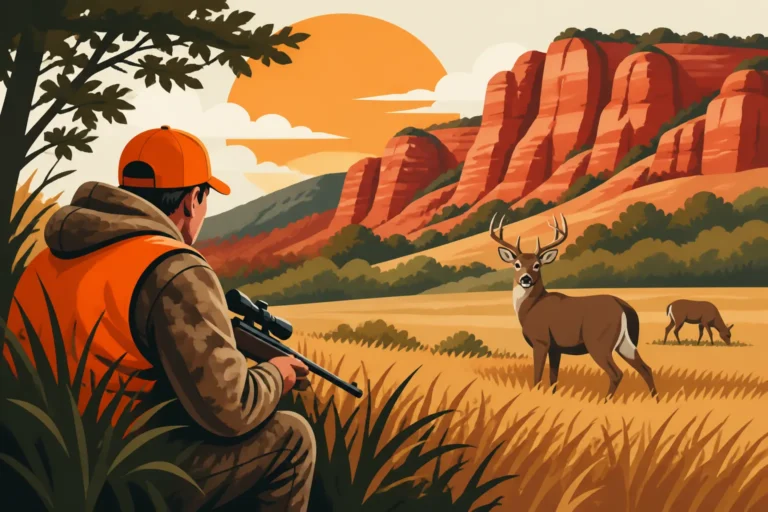
Hunting these areas often means focusing on pinch points where terrain funnels deer, or on the transition zones where timber meets standing crops or CRP fields. Look for scrapes and rubs along these natural travel corridors. Early season bowhunters might find success setting up near established water sources away from the lake itself, especially during dry spells, or identifying Early-Season Bowhunting Over Water if smaller ponds are present on public ground. Later in the season, after crops are out, the remaining timber and any standing food plots or overlooked agricultural corners become magnets for deer.
Waterfowl: Ducks and Geese on the Reservoir
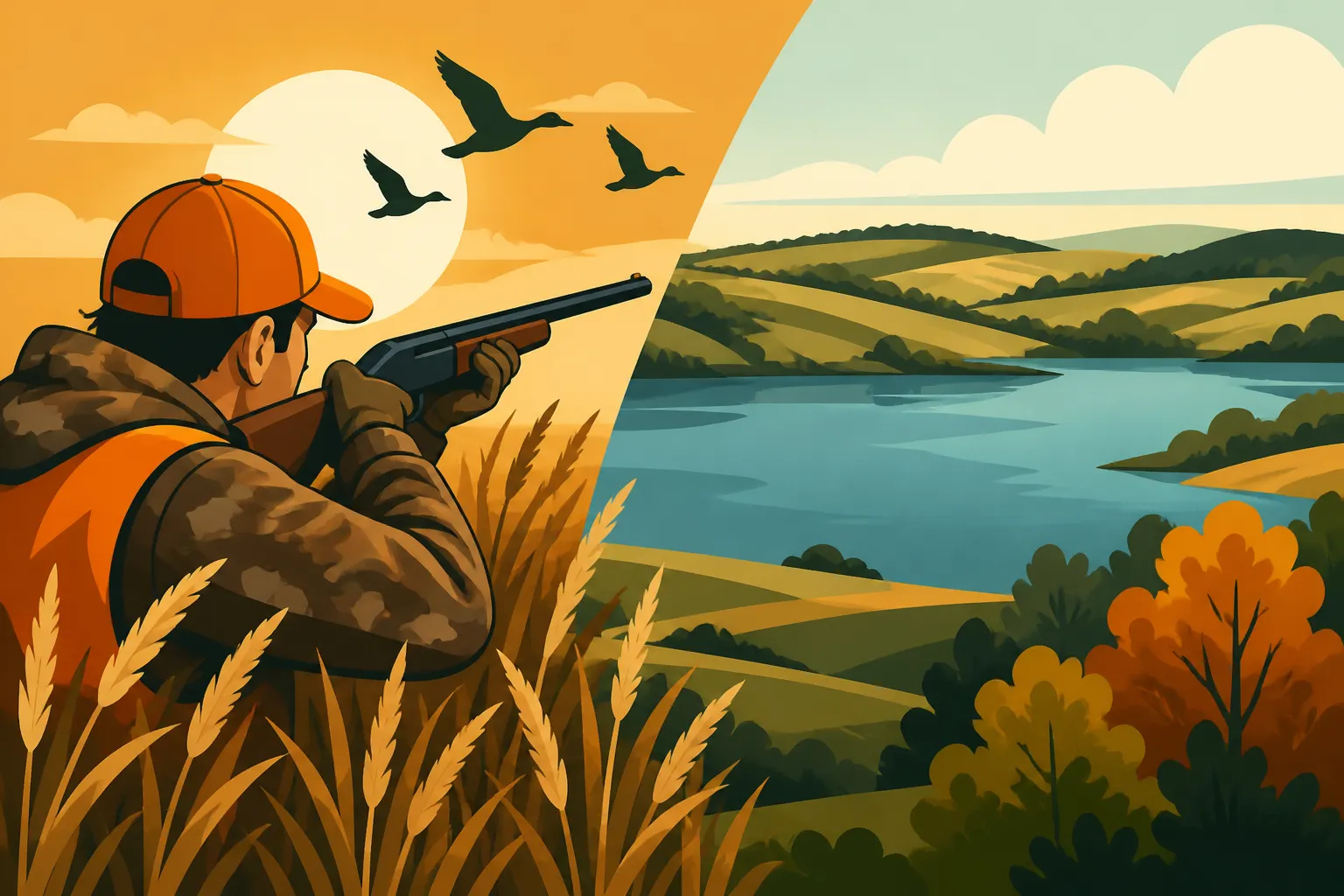
For waterfowl hunters, Lake Icaria offers a unique opportunity in southwest Iowa. While not a traditional river bottom system, the large body of water, along with smaller associated ponds and marshy areas, can attract significant numbers of ducks and geese during migration. Mallards, wood ducks, and various diving ducks are common visitors. Success often hinges on understanding flight patterns, setting up decoys effectively, and being mindful of other users on the lake. Access can be a challenge on some larger reservoirs, so identifying boat ramps or walkable shorelines with good cover is paramount. The lake can act as a major staging area, particularly during colder fronts, drawing in birds that might otherwise bypass the region.
Upland Birds: Opportunities in Transition Zones
While water and deer dominate the conversation, don't overlook upland bird potential. Pheasants and quail, though often thought of in terms of vast CRP fields, can thrive in the transition zones around Lake Icaria. Think about grassy ditches, fencelines, and small pockets of brushy cover that might be less disturbed by recreational traffic. These areas provide excellent thermal and escape cover, especially where they border crop fields. Hunters willing to put in the legwork and walk these often-overlooked edges might be surprised by the flushes they find. Pheasant Hunting Iowa Grass and Crop Edges and Bobwhite Quail in Southern Iowa can certainly be found here.
Navigating the Broader Southwest Iowa Public Hunting Grounds
Stepping beyond the immediate vicinity of Lake Icaria, the entire southwest Iowa region presents a distinct hunting character. It's often defined by its rolling topography, rich agricultural heritage, and a surprising amount of quality wildlife habitat tucked away in various forms of public access. This isn't the vast, unbroken timber of northern Wisconsin, nor the sprawling prairie of the Dakotas; it's a nuanced landscape demanding specific strategies.
Characteristics of Southwest Iowa Habitat
Southwest Iowa is characterized by its distinct loess hills in the westernmost counties, transitioning into more gently rolling agricultural plains further east. Across the region, however, the common thread is the patchwork of timbered draws, river breaks, and expansive crop fields. The timber typically consists of mature oak and hickory stands, which are critical food sources for deer, particularly during the fall acorn drop. These draws often lead down to intermittent streams or small creeks, creating natural travel corridors for wildlife.
Beyond the major timber blocks, smaller woodlots, brushy fencelines, and substantial tracts of CRP (Conservation Reserve Program) grassland play a vital role. CRP fields provide invaluable nesting cover for pheasants and quail, as well as bedding areas for deer. They are often less disturbed than timber, making them prime spots for mature bucks to hide out, especially as hunting pressure increases elsewhere. Understanding how these diverse habitats connect and interact is crucial for planning your hunt. Timber Points Between Two Fields can be especially productive when they offer bedding close to food.
Identifying Key Public Land Types
Southwest Iowa offers several types of public hunting ground, each with its own characteristics and rules. Knowing the difference can save you time and maximize your hunting opportunities.
-
County Conservation Board Areas (CCB): These are often smaller, locally managed parcels. They can vary wildly in size, from small timbered creek bottoms to larger parks with designated hunting zones. Rules regarding stands, vehicles, and species allowed can differ significantly between counties, so always check the specific county's regulations. Many CCB areas are managed for multiple uses, so be prepared for hikers, birdwatchers, or other recreational users. However, these can be hidden gems for deer and small game, especially if you scout thoroughly. Iowa County Conservation Board Hunting Rules are essential reading.
-
State Wildlife Management Areas (WMAs): Managed by the Iowa Department of Natural Resources (DNR), WMAs are typically larger and specifically managed for wildlife habitat and public hunting. You'll find a greater diversity of habitat types here, from timber and grasslands to wetlands. WMAs are usually well-marked, and maps are often available. These areas are excellent for deer, turkey, pheasants, and quail, and some may have specific waterfowl potential. They often see more hunting pressure than smaller CCB tracts, especially on opening weekends. Iowa Wildlife Management Areas are generally your best bet for consistent public land opportunities.
-
Iowa Habitat and Access Program (IHAP): This innovative program provides public hunting access on private land, typically for specific periods. IHAP tracts are marked with distinctive yellow signs. They often consist of crop field edges, CRP fields, or small timbered draws. While the access is temporary and varies year to year, IHAP lands can offer fantastic hunting for deer, pheasants, and quail, often relieving pressure from larger WMAs. The key is to verify current IHAP locations through the Iowa DNR hunting atlas or using an app like
onX Huntwhich updates these boundaries. Iowa IHAP Acres and Counties are always changing, so stay current.
Understanding the nuances of these public land designations is critical. For instance, onX Hunt layers clearly delineate property boundaries and public land types, allowing you to instantly see if a prime piece of habitat you spotted from the road is huntable or private. This tool is invaluable for planning routes and confirming access.
Game Species Beyond Lake Icaria in Southwest Iowa
While whitetail deer are the consistent draw, southwest Iowa’s diverse habitat supports a vibrant population of other game animals.
High-Quality Whitetail Deer in Smaller Pockets
The whitetail deer in southwest Iowa continue to uphold the state's reputation for producing impressive animals. While not always in vast, sprawling timber, the deer here thrive on the rich agricultural diet and the protective cover offered by the region's draws and CRP. Hunters will find that deer patterns often revolve around food sources, with bedding in timbered hillsides, cedar thickets, or tall grass. Success often means being very precise with stand placement, playing the wind perfectly, and understanding how deer use smaller, isolated pockets of cover to avoid detection. Why Iowa Grows Trophy Whitetails certainly applies to this region.
Strong Upland Bird Potential: Quail and Pheasants
Southwest Iowa is arguably one of the best regions in the state for both pheasants and bobwhite quail. The combination of agricultural fields, brushy draws, and significant CRP acreage creates ideal conditions. Quail, in particular, prefer dense, brushy cover, fencelines, and multiflora rose thickets, which are abundant in parts of southern Iowa. Pheasants will utilize crop fields, tall grass, and drainage ditches. Hunting these birds often involves walking cover thoroughly, possibly with a dog, or coordinating with a small group for Blocking and Driving Iowa Grass Strips. Quail Coveys in Southern Iowa Brush are a real possibility here.
Eastern Turkeys in the Timber
Eastern wild turkeys are also prevalent throughout the timbered areas of southwest Iowa. As the spring season arrives, their gobbling can echo through the draws. Fall turkey hunting offers different challenges, as birds are often in larger flocks and more nomadic. Whether it's spring or fall, focusing on the larger timber blocks, especially those with mature roost trees and access to open fields for foraging, will be your best bet. Iowa Wild Turkeys Across the State are healthy in this region.
Strategies for Scouting and Hunting Southwest Iowa
Hunting effectively in southwest Iowa, particularly around areas like Lake Icaria, means combining modern scouting techniques with good old-fashioned woodsman skills. It's about being efficient with your time and smart about your approach.
E-Scouting and Boots-on-the-Ground Reconnaissance
Modern technology has revolutionized how we prepare for a hunt. Before you ever set foot on the ground, tools like onX Hunt can be invaluable. You can virtually explore public land boundaries, identify property lines, locate potential bedding areas, food sources, and travel corridors. Look for those often-overlooked timber fingers, ditch crossings in row crop country, or isolated CRP fields that might not be visible from the road. The ability to mark waypoints for potential stand locations, parking areas, and access routes before you go is a massive time-saver.
However, e-scouting is only the first step. Nothing replaces boots-on-the-ground reconnaissance. Walking the actual terrain allows you to confirm what you saw on the map, identify fresh deer sign (tracks, rubs, scrapes), check for prevailing wind directions in specific setups, and note access points that avoid bumping deer. Scouting Iowa Public Land Before the Opener is critical. Pay attention to how deer are actually using the landscape; a trail camera deployed strategically can confirm daytime movement patterns. Consider the timing of your scouting trips – early spring before leaf-out makes it easier to see the lay of the land, while late summer/early fall will show you current deer activity.
Adapting Tactics to the Terrain and Pressure
Southwest Iowa’s hunting success often comes down to adapting to the specific terrain and, crucially, to hunting pressure. Public lands, especially WMAs, can see significant traffic, particularly during firearms seasons.
One of the most effective strategies is to focus on edges. Deer love edges – where timber meets crops, where a CRP field meets a creek bottom, or where heavy cover tapers into more open terrain. These are natural transition points where deer feel safe moving between bedding and feeding. Setting up on an Hunting Inside Corners of Crop Fields where two distinct cover types converge can be deadly.
Dealing with pressure is another major component. Many hunters stick close to parking areas or easy access points. To find unpressured deer, you often need to go deeper into public ground, where others aren't willing to walk. This might mean longer walks in, or finding less obvious access routes that don't immediately broadcast your presence. Hunters who are willing to Hunting Pressure Patterns on Iowa Public Land learn to think like a deer and find areas that offer sanctuary. Sometimes, simply hunting during weekdays instead of weekends can make a huge difference in the amount of pressure you encounter.
Finally, understanding wind and thermals in rolling terrain is paramount. In river breaks and rolling hills, thermals can be tricky, often rising in the morning and falling in the evening. Combining this knowledge with prevailing winds is crucial for selecting a stand location that keeps your scent out of a deer's nose. Wind and Thermals in River Breaks offers some excellent advice for these conditions. Mobile hunting tactics, like saddle hunting, can be incredibly effective here, allowing you to quickly adapt your setup based on real-time conditions and deer movement. Mobile Saddle Hunting in Iowa allows for flexibility.
Key Considerations for a Successful Hunt
Beyond scouting and tactics, a successful hunt in southwest Iowa hinges on understanding the legal framework and being a responsible hunter. These foundational elements ensure a smooth and enjoyable experience.
Season Dates and Tag Availability
Before you even think about where to hunt, you need to know when and what you can hunt. Iowa has specific seasons for various game, each with its own regulations. For deer, you'll find archery, early muzzleloader, two shotgun seasons, late muzzleloader, and the January antlerless season. Iowa Deer Season Dates by Weapon outlines all of these. Nonresidents will need to navigate the Iowa Nonresident Deer Draw Explained process, which involves applying for specific zones and seasons.
For species like pheasants and quail, seasons typically run from late October through early January. Turkey seasons are split between spring (typically April-May) and fall (October-December). Always consult the current Iowa Hunting and Trapping Regulations booklet for precise dates, bag limits, and specific rules for each season and species. This information is available digitally through the Iowa DNR website. Pay particular attention to Iowa Antlerless Tags and Quotas, as these can vary significantly by county and often sell out quickly in popular zones.
Respecting Private Land and Public Access
Iowa is primarily a private land state, so respecting property boundaries is non-negotiable. Even when hunting public ground, it’s common to find private land bordering it, sometimes in complex patterns. This is where a mapping app like onX Hunt becomes indispensable, allowing you to instantly see where public land ends and private land begins, preventing accidental trespassing. You can also use it to ensure your access routes are entirely on public easements.
If you are hunting near private land, make sure you know the rules regarding retrieving game that crosses a boundary. In many cases, you'll need to gain permission from the landowner before stepping foot on their property, even if it's just to retrieve a downed animal. Being a respectful and ethical hunter goes a long way. Building positive relationships with local landowners can sometimes open up new opportunities or at least prevent issues down the road. Iowa Landowner Permission Basics are vital to learn. Never assume access or permission; always verify.
By focusing on these practical elements, from understanding the unique habitat of Lake Icaria to employing smart scouting and hunting strategies across southwest Iowa, you can significantly increase your chances of a rewarding hunting experience in this productive corner of the state.
| Public Land Type | Typical Size | Primary Habitat Focus | Main Game Species | Key Considerations |
|---|---|---|---|---|
| Wildlife Management Areas | Medium to Large | Diverse (timber, grass, wetlands) | Deer, Turkey, Waterfowl, Pheasant, Quail | Managed for wildlife; can see significant pressure. |
| County Conservation Areas | Small to Medium | Parks, timbered draws, lake access | Deer, Small Game, Fishing, local Turkey/Upland | Rules vary by county; check local ordinances carefully. |
| IHAP (Walk-In Access) | Small to Medium | Crop edges, CRP, timber pockets | Deer, Pheasant, Quail | Private land access, often seasonal; verify maps annually. |
Disclaimer
This article is for general informational purposes only and does not constitute professional advice. Laws, prices and regulations vary by location and change over time. Consult a qualified professional for guidance on your specific situation.