Climbing Stands in Iowa Timber
Finding that perfect ambush spot for an Iowa whitetail often means venturing deep into dense timber, far from easily accessible trails. For many hunters, the thought of hanging a permanent stand or wrestling with climbing sticks and a hang-on every single time can be a real deterrent, especially when deer patterns are constantly shifting. This guide is all about demystifying the climbing stand, helping you understand when and where this versatile piece of gear shines in the Iowa woods, and how to use it safely and effectively to boost your hunting success.
The Versatility of Climbing Stands in Iowa Timber
Climbing stands offer a level of adaptability that can be a game-changer for deer hunters in Iowa, where deer patterns can be incredibly dynamic. Imagine scouting a new area just a few days before your hunt, only to find a fresh rub line or a sudden shift in preferred browse. With a climbing stand, you're not locked into a pre-set location; you can pick up and move with the deer.
Mobility and Flexibility for Dynamic Hunts
Iowa deer are constantly on the move, influenced by food sources, changing weather, and increasing pressure as the seasons progress. A cornfield that was a hotspot last week might be picked clean this week, sending deer scrambling to new bedding and feeding areas. This is where the mobility of a climbing stand truly shines. Instead of committing to a fixed stand that might become obsolete overnight, you can adapt. You might scout a new Timber Points Between Two Fields after a significant rain or a strong cold front, find fresh sign, and be hunting it from a comfortable perch within the hour. This ability to be fluid with your approach means you're always hunting the most current deer sign, which is a massive advantage, especially on public land where deer might get bumped around a bit.
Think about those late-season hunts in December. One week, the deer are hammering leftover beans; the next, a fresh snowfall pushes them into dense thermal cover in a creek bottom. Trying to anticipate these shifts weeks in advance with permanent stands is nearly impossible. A climbing stand allows you to observe, adapt, and set up in the hottest new spot, giving you a renewed sense of confidence. This flexibility can be the difference between a frustrating blank slate and a memorable encounter with a mature Iowa buck.
Stealth and Reduced Scent Footprint
When hunting wary Iowa whitetails, minimizing your impact on their environment is paramount. Every time you cut shooting lanes, screw in steps, or leave a hang-on stand in place for weeks, you're leaving a significant scent and visual footprint. This disturbance can educate deer to your presence, making them much harder to hunt. Climbing stands drastically reduce this intrusion.
With a climbing stand, you typically walk in, climb a suitable tree, hunt, and then descend, packing everything out with you. There are no permanent fixtures left behind to alert deer, no long-term scent deposits from constant visits to maintain stands. This "leave no trace" approach is particularly valuable when you're targeting specific bucks or hunting high-pressure areas like many Public Land Deer Hunting in Iowa tracts. The less evidence you leave, the more natural the area remains, and the less likely a keen-nosed deer is to alter its travel patterns because of human interference. This stealth factor plays a crucial role in getting close to those mature Iowa deer that have seen it all.
Versatility Across Diverse Iowa Timber Types (Where Applicable)
Iowa's timber isn't uniform. From the oak-hickory ridges of southern Iowa to the scattered woodlots of the north, and the river bottom stands of cottonwood and silver maple, you encounter a variety of tree species. While climbing stands aren't suitable for every tree, they are incredibly versatile within specific timber types commonly found across the state.
They excel in areas dominated by straight, limbless trees like oaks, hickories, maples, and sometimes even smaller elms or ash trees before disease took its toll. These are the kinds of trees you'll find throughout many state forests like Stephens or Shimek, or along the timbered edges of crop fields in central Iowa. Being able to quickly assess a woodlot and pick the prime tree for a setup – whether it's an old oak dropping acorns or a strategic choke point along a deer trail – gives you a significant edge. Using scouting tools, like the mapping features found on GoHunt, can help you identify these timber types from afar, giving you a head start on finding suitable climbing trees before you even step foot in the woods.
Navigating the Challenges of Climbing Stands in Iowa
While climbing stands offer incredible advantages, they aren't a silver bullet. Iowa's unique landscape and hunting conditions present specific challenges that every hunter considering a climber needs to understand and respect. Ignoring these can lead to frustration or, worse, dangerous situations.
Tree Selection: Not Every Tree is a Climber Tree
This is perhaps the biggest hurdle for new climbing stand users in Iowa: not every tree is suitable for climbing. You need a tree that is relatively straight, free of limbs and knots on the climbing side for at least 20-25 feet, and has consistent taper (or no taper at all).
- The Frustration of the "Wrong" Tree: You've meticulously scouted a promising funnel, a hot new food source, or a fresh bedding area, and you're hyped to set up. You get there, and every single tree is either too crooked, too branchy, or has bark that simply won't cooperate with your stand's cables. This can be incredibly frustrating and lead to wasted time or, if you try to force it, a dangerous climb.
- Common Iowa Trees to Consider:
- Good Candidates: Many Oaks (Red, White), Hickory, Hard Maple, sometimes younger, straighter Ash (though many are gone), or even larger Sassafras trees. These often have relatively smooth bark and a consistent trunk.
- Poor Candidates: Cottonwoods (soft, flaky bark, often too many low limbs, irregular shape), Multi-trunked trees (impossible to climb safely), Pines/Cedars (too many limbs, sticky sap, soft wood), Sycamores (flaky bark, often very wide and irregular). Trees with heavy vines growing on them are also a no-go.
- The Importance of Scouting Ahead: Before you commit to a spot, it’s worth a walk-through to visually inspect the trees. Don't rely solely on aerial maps, though tools like GoHunt can give you a good idea of timber density and type, which is a great starting point. Confirming a suitable tree on the ground eliminates a huge headache on hunt day.
Safety First: Understanding the Risks
Hunting from any elevated position carries inherent risks, and climbing stands are no exception. In fact, the dynamic nature of climbing and descending adds layers of specific considerations that must be respected.
- Proper Technique is Non-Negotiable: Never try to "wing it" with a climbing stand. Always follow the manufacturer's instructions for assembly and use. Practice climbing a safe tree in your backyard or a designated practice area before heading into the field. This builds muscle memory and confidence.
- Always Be Connected: This cannot be stressed enough: always wear a full-body safety harness and remain attached to the tree from the moment your feet leave the ground until they return. Many climbing stands now come with a tether system that allows you to remain connected during the climb. This is non-negotiable. A momentary lapse, a wet patch of bark, or a loose foot cable can send you tumbling. Read up on Safety Harnesses and Lifelines for more detailed information.
- Environmental Factors: Iowa weather can be unpredictable. Wet bark from rain or morning dew can make a tree slick and treacherous. Ice or freezing rain is an absolute no-go for climbing. Always assess the conditions carefully. A little frost on the bark might not seem like much, but it can dramatically reduce your stand's grip.
The Weight and Bulk Factor
Compared to lightweight hang-on stands with climbing sticks or the minimalist gear of Mobile Saddle Hunting in Iowa, climbing stands can feel a bit bulky and heavy, especially if you're venturing deep into a Hunting Iowa Walk-In Ground Without Burning It Out tract.
- Long Walks Become Harder: If your chosen hunting spot is a mile or more from the truck, every pound matters. Many climbing stands, especially those made of steel, can weigh upwards of 20-25 pounds. Add in your bow or gun, backpack, and cold-weather gear, and you're carrying a substantial load. This can make those early morning treks more physically demanding and noisy if your gear isn't secured properly.
- Navigating Thick Cover: Iowa timber can be dense, with thick undergrowth, fallen logs, and multiflora rose. Carrying a wide, somewhat awkward climbing stand through this kind of terrain can be a challenge. It can snag on branches, make noise, and generally slow you down. This is where a good set of comfortable, padded backpack straps for your stand becomes invaluable, along with a quiet way to secure the two sections of the stand together.
- Consider Your Physical Fitness: Be realistic about your physical condition. Hauling a heavier stand long distances and then performing the physical act of climbing requires a certain level of fitness. Don't push yourself beyond your limits, especially in the dark or during extreme weather.
Selecting the Right Climber for Iowa's Diverse Woods
Choosing a climbing stand isn't a one-size-fits-all decision. The best stand for you will depend on your hunting style, the type of timber you frequent, and your personal preferences for comfort and features.
Stand Type and Features for Iowa Terrain
There are two primary styles of climbing stands, each with its own advantages and disadvantages for Iowa hunting:
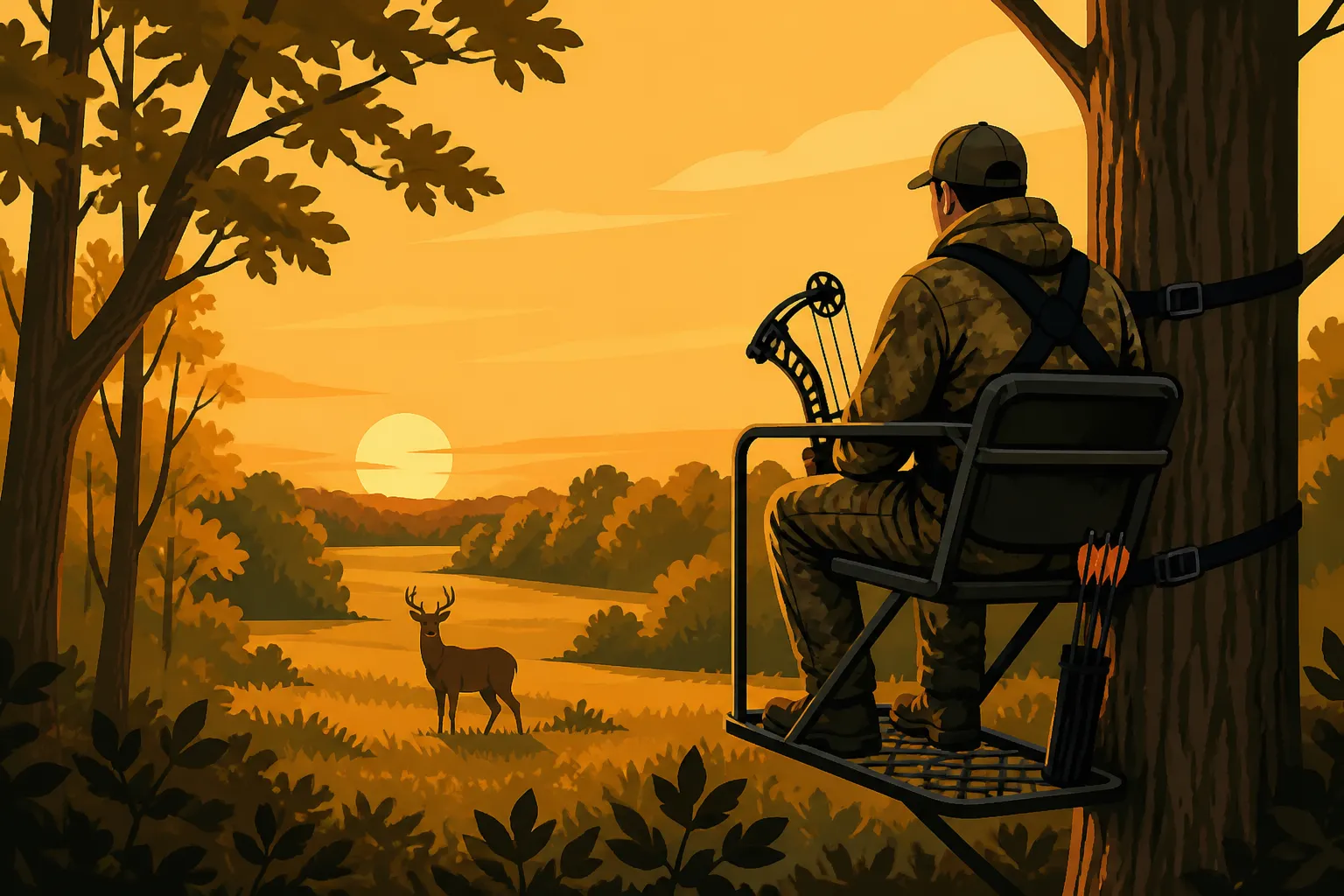
- Sit-and-Climb Stands: These stands feature a seat that doubles as your "climber" when you're ascending or descending. They are generally very stable and offer a comfortable seated position for long waits. The downside is that the front bar can sometimes get in the way for bowhunters needing a clear shot, especially if you're shooting quartering away. They are excellent for gun hunters who primarily sit, or bowhunters who primarily shoot in front of them. Many popular brands offer incredibly quiet and stable options in this style.
- Open-Front Stands: These stands have a separate hand climber section that you manipulate to ascend, leaving the platform open for standing or for easier bowhunting maneuvers. They offer an unobstructed shooting lane, which many bowhunters prefer. However, the climbing motion can be a bit more strenuous and requires good arm strength. They might also feel a little less secure to some hunters during the climb. If you anticipate needing to turn and shoot in any direction with a bow, an open-front model is often the way to go.
- Platform Size and Comfort: Consider the size of the platform. A larger platform offers more room to maneuver, stretch, and get comfortable during a long sit, which is crucial during cold Iowa November and December hunts. However, a larger platform also means more weight and bulk. Balance comfort with portability. A good padded seat and backrest are also critical for enduring those all-day rut sits.
Material and Noise Considerations
The material your climbing stand is made from has a direct impact on its weight and, critically, its noise level.
- Aluminum vs. Steel:
- Aluminum stands are typically lighter, making those longer walks into Iowa Timber and River Bottoms much more manageable. They tend to be quieter in terms of how they handle temperature changes (less "creaking" than steel), but they can be more expensive.
- Steel stands are generally more affordable but considerably heavier. The main drawback for hunting is that steel can be very noisy in cold weather, sometimes groaning or popping as it expands and contracts, a sound that carries far in quiet timber. If you're hunting in late fall or winter, an aluminum stand is often the preferred choice for stealth.
- Quiet Design is Key: Beyond the material, look for stands designed with silence in mind. This means cam-lock systems instead of noisy pins, rubber-coated cables instead of bare metal that scrapes bark, and sturdy construction that doesn't creak or wobble when you shift your weight. Even a tiny squeak can blow your hunt when a mature buck is easing by at twenty yards. Test the stand for noise before you buy it, and consider adding aftermarket silencers to cables and contact points.
Essential Accessories and Upgrades
To maximize safety, comfort, and effectiveness, a few accessories are almost mandatory for Iowa climbing stand hunting.
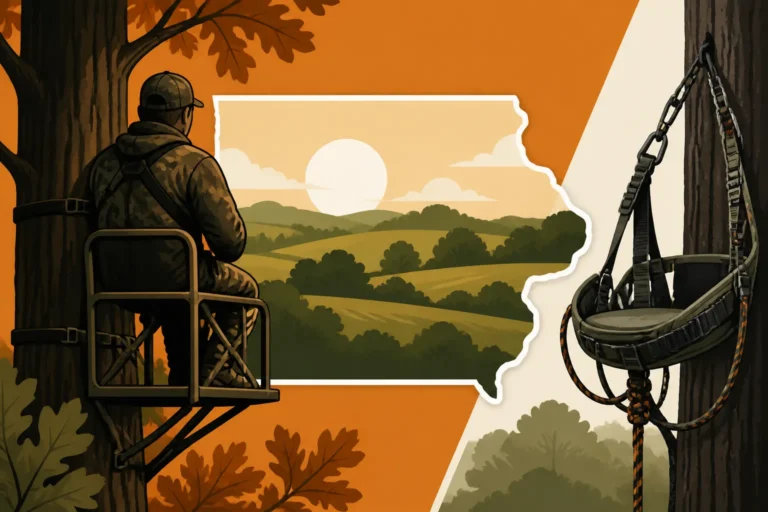
- Full-Body Safety Harness: We mentioned it earlier, but it bears repeating. Get a comfortable, well-fitting full-body safety harness and always use it. Many stands come with a basic harness, but investing in a higher-quality one can greatly improve comfort and ease of use. Ensure it comes with a lifeline or a system that keeps you attached during the climb, like the ones discussed in Safety Harnesses and Lifelines.
- Comfortable Backpack Straps: The factory straps on many climbing stands are basic and uncomfortable. Upgrading to padded, ergonomic backpack straps will make those long walks to and from your stand exponentially better. This is especially true if you’re covering significant ground on Public Land Deer Hunting in Iowa.
- Bow Holder/Gun Rest: A built-in or aftermarket bow holder keeps your weapon secure and ready, freeing up your hands, which is vital for safety and comfort. A padded gun rest is also a nice feature for steadying your aim during a shotgun season sit.
- Seat Cushion and Backrest: Many stock seats are bare-bones. An aftermarket gel or foam cushion, perhaps with a heated option for cold days, makes a huge difference in comfort for those all-day sits during Iowa Whitetail Hunting Tactics Through the Rut.
Here's a quick look at suitability:
| Tree Type | Climbing Stand Suitability | Pros for Climber | Cons for Climber |
|---|---|---|---|
| Oak (Red/White) | Excellent | Straight trunks, consistent taper, strong bark | Can have lower limbs, especially older trees |
| Hickory | Excellent | Very strong, straight, often limbless for height | Bark can be somewhat rough, but generally good grip |
| Hard Maple | Good | Smooth bark, straight growth | Can have inconsistent taper in older trees |
| Ash (healthy) | Good | Straight, smooth bark | Many infected/dead, becoming rare as a good option |
| Cottonwood | Poor | Often large diameter | Flaky, soft bark; irregular shape; numerous low limbs |
| Sycamore | Poor | Can be very large diameter | Very flaky bark, unreliable grip; irregular growth |
| Pine/Cedar | Poor | Dense cover | Sticky sap, numerous close limbs, soft wood |
| Multi-trunked trees | Not Suitable | None | Impossible to climb safely, severe instability risks |
| Leaning Trees | Not Suitable | None | Dangerous to climb, high risk of falling |
Mastering the Climb and Setup for Success
Knowing how to choose a stand and a tree is one thing; actually executing a safe and stealthy climb is another. This is where practice, precision, and an understanding of deer behavior come together.
Pre-Season Practice and Familiarization
This might sound obvious, but you'd be surprised how many hunters try out their climbing stand for the very first time on opening day, in the dark, miles from help. That's a recipe for disaster and frustration.
- Start in Your Backyard: Find a suitable tree at home and practice climbing it repeatedly. Get comfortable with the motion, the feel of the stand, and the rhythm of ascending and descending. Practice connecting and disconnecting your safety harness components. The goal is to make the process second nature.
- Simulate Hunting Conditions: Practice in the clothes you'll actually hunt in, including your backpack. This will help you identify any noisy buckles, snags, or awkward movements before they ruin a hunt. Practice in low light conditions (early morning or late evening) to get a feel for how challenging it can be.
- Identify Your Strengths and Weaknesses: Are your arms getting tired too quickly? Is the stand slipping on certain bark types? Does your harness get tangled? Addressing these issues in a safe, controlled environment will build confidence and ensure smoother, quieter operations when it counts. It will also help you figure out how many Climbing Sticks Versus a Climber might be a better option for certain trees.
Identifying Ideal Trees with Confidence
When you're out in the timber, particularly on public land or a new spot, you need to be able to quickly and confidently identify a good climbing tree. This skill comes from practice and knowing what to look for.
- Visual Cues from the Ground: Scan the tree from base to crown. Is it straight for at least 20-25 feet? Are there any significant limbs or knots on the side you intend to climb? Pay attention to the bark; is it smooth enough for your stand's cables to grip without slipping, but not so smooth that it won't hold? Avoid trees with excessive moss, loose bark (like shagbark hickory, which can be tricky), or heavy ivy growth.
- Wind Direction and Approach: Always pick a tree that allows you to approach, climb, and hunt with the wind in your favor. Even with a climbing stand's flexibility, you need to consider your entry and exit routes. Use mapping tools like GoHunt to study topographical features and prevailing winds, then identify potential timbered funnels or ridges that align with optimal wind directions. This also helps with Access Routes That Do Not Bump Deer.
- The "Goldilocks" Tree: The ideal tree is not too big (making it hard for cables to reach or for the stand to grip securely) and not too small (making it unstable or uncomfortable). Generally, trees between 10-20 inches in diameter at chest height are excellent candidates for most climbing stands.
Smooth Ascent and Secure Platform Setup
A jerky, noisy climb will spook every deer in the zip code. The key is smooth, controlled movements and a secure setup at your desired hunting height.
- The Climbing Rhythm: Once you've secured the bottom section of your stand to the tree, engage your safety harness lifeline. Then, carefully lift the top section a few inches, push it up the tree, and reset the cables. Then, step onto the bottom platform, lift it a few inches with your feet, and reset its cables. Alternate between the two sections, taking small, controlled "steps" up the tree. Keep your body close to the tree to maintain balance and leverage.
- Leveling Your Stand: As you climb, the tree's diameter will likely decrease. This means your stand will naturally angle upward. Most climbing stands have a way to adjust the angle of the platform and seat. You want to reach your desired height, then level out the stand so both the seat and platform are perfectly horizontal. This ensures comfort and safety. Take your time with this step; a comfortable, level platform is essential for long, patient waits.
- Final Checks: Once at hunting height and leveled, test the stand's stability. Wiggle it gently, ensure all cables are securely engaged, and that your harness is properly tethered. Stash your backpack and bow/gun in a convenient and quiet location on the stand or with a hoist rope if you pulled it up after climbing. Being deliberate and thorough here prevents mishaps later.
Maintenance and Ethical Considerations for Iowa Hunters
Just like any piece of hunting gear, your climbing stand requires proper care to ensure its longevity and, more importantly, your safety. Furthermore, using it ethically and responsibly, especially on public land, is part of being a good steward of Iowa's hunting resources.
Regular Inspection and Care
Before and after every season, and periodically throughout, give your climbing stand a thorough once-over. This routine maintenance is quick and can prevent major issues.
- Cable and Strap Integrity: Inspect all cables (steel or coated) for fraying, kinks, or signs of wear. Check all straps, buckles, and cam-lock systems for cracks, tears, or damage. These are your primary points of contact with the tree and crucial for your safety. If anything looks suspect, replace it immediately. Never try to "make do" with compromised equipment.
- Hardware and Joints: Check all bolts, nuts, and welds for tightness and integrity. Over time, vibrations from transport or repeated use can loosen components. A bit of thread locker can help. Lubricate moving parts (like pivot points) with a silent, scent-free lubricant to prevent squeaks and ensure smooth operation.
- Cleaning and Storage: After a hunt, especially in wet or muddy conditions, clean your stand to remove dirt, debris, and any blood. Store it in a dry place to prevent rust (for steel stands) or corrosion. This simple step will significantly extend the life of your stand and keep it ready for your next adventure in Iowa Whitetail Hunting Tactics Through the Rut.
Ethical Use and Leave No Trace Principles
Using a climbing stand inherently aligns well with "leave no trace" principles, but it still requires mindful execution, particularly on public land.
- Pack It In, Pack It Out: The most fundamental rule. Everything you bring into the woods, including your stand, trash, and any personal items, must leave with you. This preserves the natural beauty of the area and respects other users. This concept is vital for Leaving No Trace on Iowa Walk-In Ground.
- Minimizing Tree Damage: While climbers don't require screw-in steps, some models can still cause bark damage, especially on softer-barked trees. Be mindful of this. If your stand has sharp teeth or cables that dig in deeply, try to choose trees that are more resilient. The goal is to leave the tree as undisturbed as possible.
- Respecting Other Hunters: On public land, you're sharing the resource. Avoid setting up too close to another hunter's location (if you know it) or disturbing areas that clearly show signs of another hunter's presence. The beauty of a climbing stand is its mobility, allowing you to easily find another suitable spot if you encounter someone else. Scouting tools like GoHunt can also help you identify less pressured areas or access points where you might have more solitude.
By understanding the benefits and challenges, selecting the right equipment, practicing safe techniques, and maintaining your gear, a climbing stand can become an invaluable tool in your Iowa hunting arsenal. It offers unparalleled flexibility and stealth, allowing you to chase those elusive whitetails wherever they may roam in Iowa's diverse timberlands.
Disclaimer
This article is for general informational purposes only and does not constitute professional advice. Laws, prices and regulations vary by location and change over time. Consult a qualified professional for guidance on your specific situation.