Headlamps for Walking Out After Dark
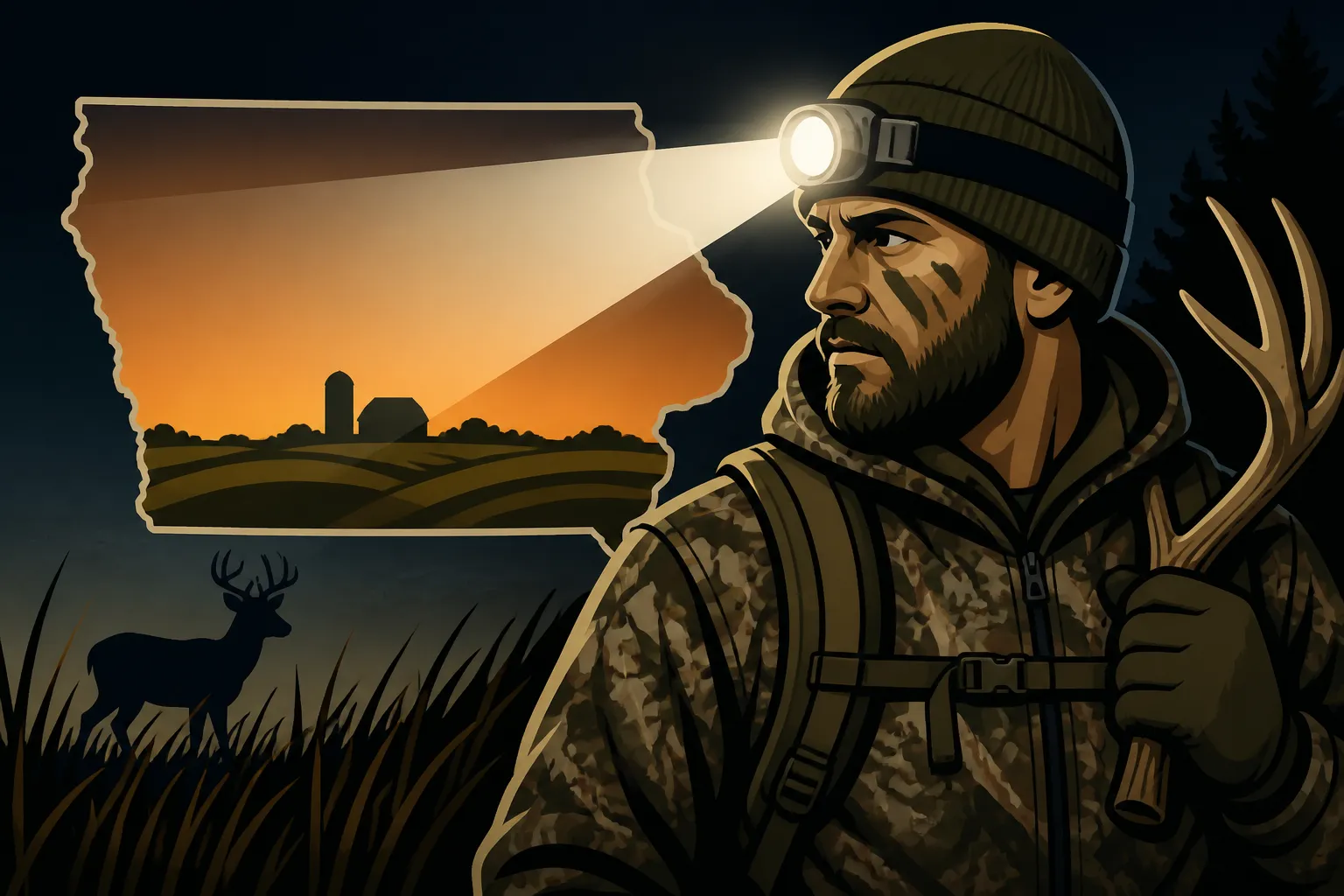
There’s nothing quite like the feeling of accomplishment after a long day in the Iowa timber or hunkered down in a field edge, especially when that day stretches into the last legal shooting light. But as the sun dips below the horizon and the landscape fades into shadows, the challenge of getting back to your vehicle safely and quietly becomes very real. Tripping over a downed log, stumbling into a creek, or even just getting turned around in the dark is a frustrating, and potentially dangerous, reality for many hunters. This guide is all about illuminating that path, literally, by diving deep into how to choose and effectively use a headlamp for walking out after dark, ensuring your hunt ends as safely as it began.
The Non-Negotiable Necessity of a Quality Headlamp
Let’s be honest: relying on your phone's flashlight for walking out of the woods after dark is a rookie mistake that can put you in a bind. Iowa's hunting grounds are beautiful but unforgiving once the light is gone, filled with hidden obstacles, slick creek banks, and dense undergrowth. A quality headlamp isn't just a convenience; it's a critical piece of safety gear that should be as essential as your blaze orange or your first-aid kit. It frees up your hands, keeps your eyes focused where they need to be, and provides a consistent, reliable beam of light that a phone simply can't match.
Staying Safe and Avoiding Injuries
Imagine trudging through a picked cornfield, the stubble sharp and uneven, or navigating a dense cedar thicket after sunset. Without proper hands-free illumination, a twisted ankle, a nasty fall, or a poke in the eye from an unseen branch is a very real possibility. Iowa's public and private hunting lands often involve significant walks, sometimes through challenging terrain like river bottoms with slippery mud and hidden holes. A good headlamp ensures you can clearly see every step, every root, and every rock, drastically reducing your risk of injury. It allows you to maintain situational awareness, noticing changes in the trail or potential hazards before they become a problem. When you're carrying your weapon, a pack, or even a harvested animal, having both hands free to balance yourself or push aside brush is absolutely invaluable.
Navigational Assistance in the Dark
Even with a well-planned route and Offline Maps for Iowa Public Ground loaded onto your device, navigating in absolute darkness can be disorienting. Familiar landmarks disappear, and trails that seemed obvious in daylight can become invisible. A headlamp throws a steady beam forward, helping you pick out those subtle turns in a two-track, follow a faint deer trail, or locate a specific tree you marked on your map. It’s not just about seeing the ground directly in front of you, but also about being able to scan the immediate area to confirm your direction. If you're on a multi-day hunt and have hiked deep into a sprawling WMA like Yellow River State Forest, finding your way back to camp or your vehicle in the pitch black without adequate light would be incredibly difficult and stressful. For precise navigation, especially when pairing with a GPS unit or a mapping app like those from GoHunt, a headlamp lets you confidently check your device without fumbling.
Minimizing Disturbance to Wildlife and Fellow Hunters
Using a headlamp wisely also plays a role in ethical hunting and respecting others. While you might need a powerful beam for safety, knowing when to dim it or switch to a red light setting is key. A bright white beam can spook nocturnal animals and alert other hunters to your presence, potentially disrupting their hunt or creating unnecessary suspicion. By having the right headlamp, you can illuminate your path without being a beacon. This consideration is particularly important if you're returning to a vehicle parked near a known deer crossing or an area where other hunters might be. Minimizing your footprint, even after dark, is part of being a responsible hunter.
Key Features to Look for in an Iowa Hunting Headlamp
When you're outfitting yourself for an Iowa hunt, a headlamp isn't a place to cut corners. The market is flooded with options, but for hunting, you need specific features that prioritize reliability, performance, and discreet operation.
Brightness and Beam Patterns: Lumens for Every Task
The "brightness" of a headlamp is typically measured in lumens. While more lumens generally mean a brighter light, it's not the only factor. For general walking out, a headlamp with 150-300 lumens is often sufficient to see clearly without being overpowering. However, if you find yourself needing to Blood Trailing in Tall CRP after a late shot, or if you're Getting a Deer Out of an Iowa Creek Bottom where the terrain is treacherous, you'll appreciate a lamp that can kick up to 500-1000 lumens for short bursts.
Most good hunting headlamps offer multiple brightness settings and different beam patterns:
- Spotlight (Narrow Beam): This concentrates light into a focused beam, great for scanning further down a trail, identifying distant landmarks, or shining into dense timber. It gives you range.
- Floodlight (Wide Beam): This diffuses light over a broader area directly in front of you. It's excellent for walking, setting up camp, or performing tasks where you need a wider field of view without a blinding hot spot.
- Combination Beam: Many premium headlamps combine both, allowing you to use them simultaneously or switch between them, offering the best of both worlds.
Battery Life and Cold Weather Performance
Iowa weather is famously fickle. An early October bowhunt can feel like summer, but late muzzleloader season or the Iowa January Antlerless Hunts will often plunge you into bitter cold. Cold weather dramatically impacts battery performance, especially standard alkaline batteries.
Here's what to consider:
- Battery Type:
- Alkaline (AAA/AA): Common, affordable, but lose efficiency quickly in cold temperatures and drain over time even when not in use. Always carry Spare Batteries Worth Carrying.
- Lithium (AAA/AA): More expensive but perform far better in cold, are lighter, and have a longer shelf life. A great choice for serious hunters.
- Rechargeable (Integrated or 18650/21700): Often offer excellent performance and can save money in the long run. Many now use USB-C charging. The downside is if you forget to charge them or if power isn't available for multi-day trips. However, external battery banks can extend their life.
- Battery Life Indicator: A helpful feature that tells you how much juice is left, preventing unexpected blackouts.
- Cold Weather Strategy: Regardless of battery type, keeping spare batteries warm in an inner pocket can significantly extend their useful life when you need them. Remember, just like your phone, Phone Battery Management in Cold is crucial for all your electronics.
Red Light Mode: Preserving Night Vision and Stealth
This feature is arguably the most important for a hunting headlamp. Red light doesn't constrict your pupils as much as white light, meaning it preserves your natural night vision. When you switch off the red light, your eyes re-adapt to the darkness much faster.
Beyond preserving your own night vision, red light is less likely to spook game animals, especially deer, which don't perceive the red spectrum as well as humans. If you're walking through an active bedding area or near a food plot and stumble upon deer, a red light is far less alarming to them than a sudden blast of white light. It's also less jarring for other hunters who might be in the area, allowing them to maintain their night vision as well. This subtle illumination is perfect for checking your gear, looking at a map, or quietly moving through the woods without broadcasting your presence.
Durability and Weather Resistance
Hunting gear takes a beating, and headlamps are no exception. They get dropped, bumped, and exposed to the elements. Look for headlamps with:
- Robust Construction: High-quality plastics or aluminum bodies that can withstand impacts.
- IP Rating: This indicates its resistance to dust and water. An IPX4 rating means it can handle splashes from any direction, which is good for light rain. An IPX7 rating means it can be submerged in water up to 1 meter for 30 minutes, ideal for those unexpected dips in a shallow creek while carrying out a deer. Iowa's spring and fall rains can be relentless, so good weatherproofing is vital.
Comfort and Fit
You might be wearing this headlamp for an hour or more during your walk out, potentially over a hat or under a hood. Comfort is key.
- Adjustable Strap: Ensure it's easily adjustable to fit different head sizes or over various layers of Cold Weather Stand Clothing.
- Padded Forehead Plate: Prevents rubbing and discomfort over long periods.
- Balanced Design: If the battery pack is on the back, it helps distribute the weight evenly, preventing the lamp from bouncing or feeling heavy on your forehead.
| Feature | Description | Why it matters for Iowa Hunting |
|---|---|---|
| Lumens (Brightness) | Range from 50 to 1000+; multiple settings ideal. | Enough light for walking, powerful bursts for blood trailing or difficult terrain like Ditch Crossings in Row Crop Country. |
| Battery Life | Measured in hours; influenced by brightness setting and battery type. | Ensures you won't be left in the dark on long walks; consider extra batteries or rechargeable with power bank for longer hunts. |
| Red Light Mode | Preserves night vision, less visible to game animals. | Crucial for stealth, not spooking deer, and maintaining your own low-light vision for situational awareness. |
| Water Resistance | IPX ratings (e.g., IPX4 for splash, IPX7 for submersion). | Protects against rain, snow, and accidental dips in muddy creek bottoms that are common in Iowa's diverse terrain. |
| Durability | Robust casing, impact resistance. | Withstands drops, bumps, and general rugged use that comes with hunting in dense timber or rough fields. |
| Comfort | Adjustable strap, balanced weight, padded forehead. | Essential for long walks back to the vehicle, especially when wearing hats or multiple layers of gear. |
| Beam Patterns | Spot (narrow, far-reaching) and Flood (wide, close-range) options. | Versatility for scanning ahead on trails versus illuminating immediate foot placement and surrounding brush. |
Practical Considerations for Using Your Headlamp in Iowa's Diverse Terrain
Iowa isn't just flat cornfields. It boasts everything from dense timber to rolling hills, steep river breaks, and expansive CRP fields. Your headlamp strategy needs to adapt to these varied environments.
Navigating Timber and River Bottoms
When you're deep in the hardwoods, especially in areas like those described in Scouting Iowa Timber and River Bottoms, the canopy can be thick, blocking even ambient moonlight. Fallen trees, root systems, and thorny brush can make walking treacherous. Here, a headlamp with a strong floodlight beam is invaluable for seeing your immediate footing, while a spot beam helps you pick out wider lanes through the timber or identify your route.
River bottoms, common along the Des Moines or Skunk Rivers, add another layer of complexity. They can be muddy, have hidden water-filled depressions, and are often riddled with thick multiflora rose or grapevines that can snag you. A reliable, bright headlamp is crucial here to safely traverse these challenging areas. Consider a model that's highly water-resistant in case you slip on a muddy bank or wade through a shallow area.
Open Fields and Tall Grass
Walking out of a picked bean or cornfield, or a vast stretch of CRP Grass and Where Bucks Bed, presents different challenges. While the terrain might seem less dense, unseen ruts, irrigation ditches, or even sharp stubble can be a hazard. In these open areas, a headlamp with a good throw (spot beam) can help you identify distant landmarks or your parked vehicle, while a wide flood beam is still essential for avoiding those immediate trip hazards.
If you've had to track a deer into these areas after dark, the difference between a weak phone light and a powerful headlamp for Blood Trailing in Tall CRP is night and day. A strong, even beam allows you to pick up faint blood sign that would otherwise be missed, making a successful recovery much more likely.
Public Versus Private Land: Awareness and Respect
Whether you're hunting public access through Iowa's Habitat and Access Program (IHAP) or have secured permission on private ground, awareness of your surroundings is paramount when using a headlamp.
On public land, especially areas known for high Hunting Pressure Patterns on Iowa Public Land, a bright white light can be easily mistaken for someone else, or even perceived as aggressive if shined directly at another hunter. Using your red light for general walking and only engaging the brighter white light when absolutely necessary (e.g., confirming a map coordinate, or dealing with an immediate obstacle) shows respect for your fellow hunters. It's also vital to plan Access Routes That Do Not Bump Deer or disturb potential bedding areas that other hunters might be approaching in the morning.
On private land, even if you have permission, it's good practice to be mindful of nearby residences or livestock. A powerful white beam sweeping across a farmer's property late at night can be alarming. Communicate with the landowner about your typical hunting hours and exit strategies. Sometimes, dimming your light or using only red mode when near property lines is a thoughtful gesture. The GoHunt app can be a great tool for identifying property boundaries, helping you manage your light usage more strategically.
Integrating Your Headlamp into Your Hunting Strategy
A headlamp isn't just something you grab on your way out the door; it's a tool that should be integrated into your overall hunting plan, especially when anticipating late exits.
Pre-Hunt Checks and Battery Management
Before every hunt, especially those extending into twilight, perform a quick headlamp check.
- Test Functionality: Turn it on, cycle through modes, ensure all settings work.
- Check Batteries: If using disposables, swap them out for fresh ones or carry a spare set. For rechargeable units, ensure they're fully charged. Always include Spare Batteries Worth Carrying in your pack – whether for your headlamp or other devices.
- Positioning: Adjust the strap for comfort over your hat or hood. Make sure the beam angle is set appropriately for walking.
Thinking about GPS Units Versus Phone Apps for navigation, remember that both consume battery. Many hunters carry a small power bank that can charge their phone, GPS, and even some rechargeable headlamps. This multi-purpose approach to battery management is crucial for all-day or multi-day hunts.
Ethical Use and Minimizing Disturbance
The ethical use of your headlamp extends beyond just not disturbing other hunters or game. It’s about being thoughtful.
- Approach and Exit: When walking into your stand or blind before legal light, use the lowest white light setting or, preferably, the red light. The goal is to be as stealthy as possible, minimizing your impact on the deer you're trying to hunt. The same goes for your exit.
- Scanning vs. Staring: If you need to use a brighter white light, avoid sweeping it wildly across the landscape. Focus the beam on your immediate path or a specific area of interest.
- Post-Shot Recovery: In the event of a late shot, your headlamp becomes a critical tool. Use the brightest settings for Shot Placement on a Whitetail at Twenty Yards recovery and blood trailing, but be mindful of your surroundings if you believe other hunters are still in the woods. Coordinate with your hunting partners, if applicable, to ensure everyone knows your plan.
Emergency Preparedness
What if your headlamp fails? It happens. Batteries die unexpectedly, or the unit could be damaged from a fall. This is why redundancy is a golden rule in hunting.
- Backup Light Source: Always carry a small, powerful flashlight in your pack as a backup. Even a tiny keychain light is better than nothing.
- Know Your Route: While technology helps, having a general sense of your Access Routes That Avoid Bedding Areas and landmarks (even vague ones like "follow the creek until it bends east") can be a lifesaver if all your electronics fail. Resources like GoHunt often have features to save routes or waypoints that could still be accessed on a dead phone if you printed a paper map or used another device.
- Trip Plan: Let someone know where you're hunting and when you expect to return. This simple step is invaluable in an emergency, especially if you're hunting alone on remote public land. Leaving a Trip Plan for a Public Hunt should be standard practice.
Combining with Mapping Tools
Modern hunting is increasingly integrated with technology. Your headlamp works hand-in-hand with mapping applications like those from GoHunt or onX Layers for Iowa Land Status.
- Pre-Scouting Exit Routes: Before you even leave home, use your mapping app to scout potential exit routes. Look for natural breaks in cover, old logging roads, or contours that will make for easier walking in the dark. Mark these as waypoints.
- Real-time Navigation: While walking out, use your headlamp to illuminate your phone or GPS device. This allows you to check your progress against your pre-planned route, ensuring you stay on track. Even in low-light conditions, reading your map accurately is critical, and a focused beam from your headlamp makes it possible.
- Marking the Harvest: If you're fortunate enough to harvest an animal late, use your headlamp to illuminate your GPS or phone as you mark the exact spot. This ensures you can return precisely to the location if you need to leave the animal overnight or retrieve additional gear.
A good headlamp isn't just about light; it's about confidence, safety, and efficiency when navigating the Iowa wilderness after dark. By choosing wisely and integrating it into your hunting routine, you can ensure that every walk out is as smooth and stress-free as possible.
Disclaimer
This article is for general informational purposes only and does not constitute professional advice. Laws, prices and regulations vary by location and change over time. Consult a qualified professional for guidance on your specific situation.