Gear to Skip on Your First Iowa Hunt
It’s easy to get swept up in the excitement of planning your first Iowa hunt, but that enthusiasm can quickly turn into a mountain of expensive gear you might not actually need. Many new hunters feel a tremendous pressure to buy every gadget and high-tech piece of equipment they see advertised, only to find themselves with an empty wallet and gear that's either overkill or just plain useless for the specific challenges of hunting in the Hawkeye State. This guide is here to help you navigate the often overwhelming world of hunting gear, showing you what you can confidently skip on your initial outing, saving you money and mental clutter, so you can focus on what truly matters: the experience itself.
The Common Traps: Why Hunters Overbuy Gear
Stepping into the world of hunting, especially for a state like Iowa known for its incredible whitetails and diverse upland opportunities, can feel like you've walked into a high-stakes competition. Every magazine, YouTube video, and social media post seems to showcase hunters with the latest, most advanced, and often most expensive gear. It’s no wonder so many of us fall into the trap of thinking we need it all to be successful.
Marketing Hype and Shiny Objects
Let's be real, the hunting industry is a massive beast, and like any industry, it thrives on convincing you that you need the newest, most innovative product to gain an edge. You see advertisements for thermal scopes that can spot a mouse in a blizzard, scent elimination systems that promise to make you invisible to a buck's nose, or custom-built treestands that look like they belong on a special ops mission. For a newcomer, this onslaught of "must-have" items can be incredibly seductive.
The reality is that much of this gear, while certainly capable and useful in specific, advanced scenarios, is far from essential for a first-time hunter. Imagine someone buying a top-of-the-line competitive cycling road bike for their very first casual ride around the neighborhood. It's an extreme example, but it illustrates the point. You don't need a carbon fiber bow with every attachment known to man to harvest your first Iowa deer. What you truly need are reliable basics, practical knowledge, and a good understanding of your hunting environment. The money saved by resisting the shiny object syndrome can be better spent on things like quality boots, proper licensing, or even a local guide for a day if you're really struggling to get started.
Misunderstanding Iowa's Unique Hunting Conditions
Iowa isn't the Yukon, nor is it the vast mountain ranges of the West. Our hunting here, especially for deer, is often characterized by thick timber draws, rolling hills, vast agricultural fields, and river bottoms. The distances aren't usually extreme, and stealth is often more about managing wind and cover than it is about pinpointing an animal from miles away. Many gear recommendations you find online are generalized for all hunting scenarios, or worse, specifically for extreme conditions that rarely apply to a typical Iowa hunt.
For instance, while a high-magnification spotting scope is invaluable for sheep hunting in the Rockies, trying to glass across a sprawling soybean field in Iowa, you'll quickly realize that anything beyond a good set of 8x or 10x binoculars is just extra weight. Similarly, specialized extreme-cold weather gear, while crucial for a late-season muzzleloader hunt in January, might be completely unnecessary, and even a hindrance, during a warm October bow season. Understanding the terrain and typical weather patterns for your chosen season in Iowa is key to avoiding unnecessary purchases. Iowa Deer Season Dates by Weapon can give you a good starting point for understanding what conditions to expect.
Essential Versus "Nice-to-Have": Stripping Down Your Pack
When you're first getting started, distinguishing between what's absolutely necessary and what's merely a luxury can be tough. Many items touted as "game changers" are really just incremental improvements that an experienced hunter might appreciate, but a novice won't benefit from, or even notice. Let's strip down your pack and focus on what truly helps.
Optics: Where Less Can Be More
It's easy to think that if 10x magnification is good, then 12x or 15x must be better, right? Not necessarily, especially in Iowa's typical hunting environments. While powerful binoculars or spotting scopes have their place, for much of Iowa's timber and field edge hunting, an overly powerful optic can be more of a hinderance than a help.
For scanning timber, creek bottoms, or the edges of cornfields, a good quality 8×42 or 10×42 binocular is usually perfect. Anything more powerful starts to become shaky without a tripod, and the field of view narrows significantly, making it harder to pick up movement in dense cover. For your first hunt, investing in a mid-range, reliable set of 8x or 10x binoculars from a reputable brand will serve you far better than blowing your budget on a top-tier 12x or 15x that you'll struggle to hold steady or use effectively in the timber. Likewise, while rangefinders are incredibly useful, especially for bowhunting, you don't need the most advanced model with angle compensation and ballistic calculations for your first few trips. A basic, reliable rangefinder that gives you accurate distance out to 200-300 yards will cover almost every shot you'll consider in Iowa's typical deer seasons. Rangefinding in Timber explains more about practical rangefinding.
Specialized Stands and Blinds
Treestands and ground blinds are integral tools for many Iowa hunters, but there's a vast array of options out there, some of which are highly specialized and not ideal for a beginner or a first hunt. You'll see things like extreme lightweight carbon fiber stands designed for deep backcountry hikes, or massive, elaborate ground blinds with multiple shooting windows and a built-in kitchen sink, practically.
For a first hunt, especially on public land or a new private property, versatility is key. Instead of a super-specialized, ultralight saddle system (which has a steep learning curve) or a huge, permanent ladder stand, consider a simple, robust hang-on stand with a few climbing sticks, or a more compact, portable ground blind. The goal is to get yourself safely off the ground or concealed, not to break speed records or host a party. Overly complex setups can be frustrating to learn and deploy, especially when you're already trying to manage scent, noise, and navigation. Focus on safety and simplicity; you can always upgrade to more specialized gear once you understand your personal hunting style and needs. If you're considering public land, check out Portable Stand Rules on Iowa Public Land before investing in anything.
Scent Control and Ozone Generators
This is a hot-button topic in the hunting community, and honestly, it's where a lot of new hunters get suckered into spending a small fortune on products that offer debatable returns. Scent control sprays, soaps, detergents, and especially expensive ozone generators claim to make you invisible to a deer's nose.
While minimizing human odor is undoubtedly important, particularly when Bowhunting Iowa Deer From October to January, the effectiveness of many of these high-tech solutions is often overstated for a beginner. The absolute best scent control is always playing the wind. Period. No amount of spray or ozone will fully mask your scent if a deer walks directly downwind of you. For your first hunt, focus on basic, effective strategies: washing your hunting clothes in scent-free detergent, storing them in airtight containers, showering with scent-free soap before a hunt, and most importantly, meticulous attention to wind direction. The hundreds, or even thousands, of dollars you could spend on an ozone generator or a year's supply of specialized sprays would be better put towards quality waterproof boots or a more robust safety harness. Learn the basics first, then consider the advanced (and often debated) tools.
Holding Off on the High-End Tech: Save Your Pennies
Technology has revolutionized hunting in many ways, offering incredible advantages in scouting, navigation, and even recovery. However, like other categories, there's a strong push for the latest and greatest, often at prices that will make a first-timer's eyes water. It’s perfectly fine to start with more budget-friendly and simpler tech, or even analog methods.
High-Dollar Trail Cameras and Cellular Systems
Trail cameras are incredibly useful tools for scouting and understanding deer movement. But do you need a fleet of cellular cameras that upload photos to your phone in real-time for your first hunt? Probably not. These high-end cameras come with a significant upfront cost, monthly data plans, and can sometimes lead to an over-reliance on technology rather than developing fundamental scouting skills. Trail Camera Placement on Iowa Public Land emphasizes smart placement regardless of camera type.
For a new hunter, a few basic, reliable trail cameras that record photos or videos to an SD card are more than sufficient. You learn the invaluable skill of checking cameras, reading sign, and interpreting patterns. This forces you to get out into the woods, which is exactly what a new hunter needs. The simple act of retrieving an SD card and looking at the pictures later encourages patience and a more hands-on approach to scouting, which builds a stronger connection to the land and the animals. Plus, you avoid the frustration of troubleshooting cellular signals in remote areas, or the potential ethical debates around real-time intelligence gathering, especially on public land.
Advanced GPS Units and Mapping Subscriptions
Dedicated handheld GPS units, particularly the most advanced models with high-resolution satellite imagery and custom mapping capabilities, can be a major investment. The same goes for premium subscriptions to mapping apps that offer a dizzying array of layers and features. While these tools are fantastic for experienced hunters who need highly specific data, they can be overkill for your initial ventures.
Your smartphone, coupled with a free or low-cost mapping app, is often more than enough to get you started. Apps like those offered by GoHunt or similar providers can give you basic topo maps, satellite imagery, and the ability to mark waypoints, which is generally all you need for navigation and understanding property lines. Learning to read a simple paper map and compass is also an invaluable skill that complements any digital tool and offers a reliable backup when batteries die or signals drop. Before diving into the deep end with expensive mapping subscriptions, get comfortable with the basics. Many county conservation boards also offer free PDF maps of their hunting areas that you can download. E-Scouting Iowa Farm Country From Home can be done effectively with basic tools.
Custom Calls and Decoys
Turkey hunting, waterfowl hunting, and even deer hunting can involve an array of calls and decoys, each promising to lure in that trophy animal. From custom-made pot calls for turkeys to full-body motion decoys for waterfowl, the options are endless and can quickly drain your wallet.
For your first spring turkey hunt, you don't need a custom slate call, a box call, and three different diaphragm calls. A simple box call or a basic slate call that you practice with regularly will be far more effective than an arsenal of calls you haven't mastered. The same goes for decoys: a single hen decoy for turkeys, or a few basic duck or goose decoys for waterfowl, is a great starting point. Turkey Decoy Spreads That Work can show you effective but simple setups. For deer, a basic grunt tube and a rattling bag (or shed antlers) are plenty for testing the waters during the rut. Developing your calling cadence and understanding how animals respond is far more important than owning the most expensive, realistic-looking call or decoy. Start simple, learn the fundamentals, and then expand your collection as your skills and confidence grow.
The Bottom Line: What You Really Need to Start
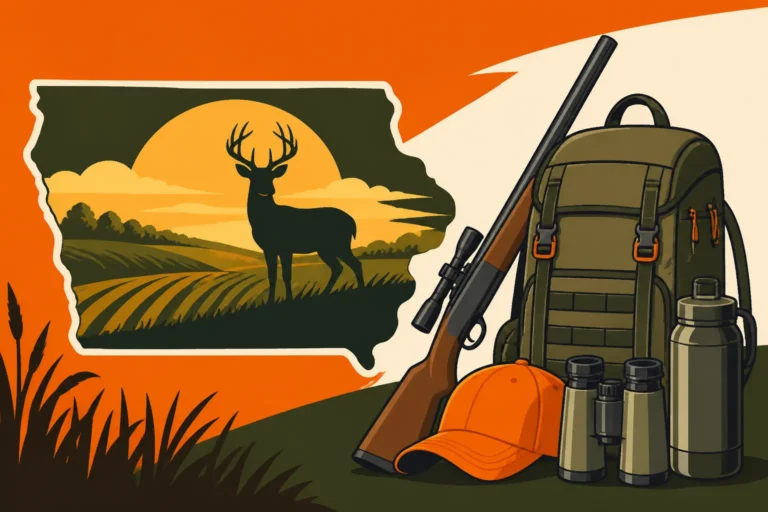
So, if you're skipping all that fancy stuff, what do you actually need? The answer is foundational, reliable gear that prioritizes safety, function, and comfort. Don't cheap out on these core items, as they are truly what will make or break your first hunting experiences in Iowa.
Prioritizing Safety Gear
This is non-negotiable. Whether you're bowhunting from a treestand or participating in a shotgun deer drive, safety comes first. No amount of money saved on other gear is worth risking your life or the lives of others.
If you're hunting from an elevated position, a full-body safety harness is absolutely essential. Don't even think about climbing into a stand without one. Learn how to properly wear it and use a lifeline or safety rope when ascending and descending. If you're hunting with a firearm, understand and practice proper gun safety, and always wear blaze orange during gun seasons as required by Iowa law. Ear and eye protection at the range and in the field are also crucial. While the cost of quality safety gear might seem like an upfront expense, it’s an investment in your well-being and longevity as a hunter. This is one area where you absolutely should not skimp or try to use questionable hand-me-downs. Check out Safety Harnesses and Lifelines for more detailed information.
Core Weapon and Ammunition
You need a legal, safe, and effective weapon for the season you're hunting, along with appropriate ammunition. For a first-timer, this means a reliable shotgun and slugs for Iowa First and Second Shotgun Seasons, a legal straight-wall cartridge rifle for applicable seasons, or a compound bow that fits you properly.
You don't need the latest, greatest, most expensive model. A used but well-maintained shotgun, for example, can be just as effective as a brand-new one. What's paramount is that the weapon fits you, you're comfortable and proficient with it, and it's sighted in accurately. Spend your money on quality ammunition for practice and hunting, not on a rifle with features you'll never use. Consistency and familiarity with your chosen weapon will contribute far more to success than any high-tech gadget or custom engraving. Iowa's Legal Deer Hunting Equipment by Season details what is allowed.
Layered Clothing and Reliable Boots
Iowa weather can be fickle. A warm October morning can turn into a chilly, windy afternoon, and December hunts can be downright frigid. The key to staying comfortable and focused is a versatile layering system and a pair of waterproof, comfortable boots. You don't need expensive, camouflage patterns designed for specific foliage types from a boutique brand, though a company like GoHunt might offer some good tips for layering on their blogs.
Invest in good base layers that wick moisture, insulating layers like fleece or down (or synthetic alternatives), and a quiet, waterproof outer shell. Focus on warmth, moisture management, and silence, not just how cool the camo pattern looks. As for boots, this is another area not to compromise. Mud, standing water, and long walks are common in Iowa. A pair of well-fitting, waterproof, insulated boots (with appropriate insulation for the season you're hunting) will save you from frozen or blistered feet and allow you to stay in the field longer. Proper clothing and footwear are foundational to comfort, and comfort is foundational to patience and success. Cold Weather Stand Clothing and Boots for Wet Iowa Timber offer more insights.
Here’s a quick overview of where you can often scale back versus what you should prioritize:
| Gear Category | Gear to Consider Skipping (Initially) | What to Prioritize Instead (Initially) |
|---|---|---|
| Optics | High-magnification spotting scopes (12x+, 15x+), expensive rangefinders with ballistic calculators | Quality 8x-10x binoculars, basic reliable rangefinder (100-300 yd) |
| Treestands/Blinds | Ultralight saddle systems (complex for beginners), oversized permanent ladder stands, luxury ground blinds | Simple, robust hang-on stands with basic climbing sticks, portable pop-up ground blinds |
| Scent Control | Ozone generators, endless array of specialized scent elimination sprays, high-tech scent suits | Scent-free laundry detergent, showering with scent-free soap, meticulous wind management, clean storage for gear |
| Trail Cameras | Cellular trail cameras with real-time uploads | Basic, reliable SD card trail cameras, learning to read natural sign |
| Mapping/GPS | High-end dedicated GPS units, premium multi-layer app subscriptions | Smartphone with free/low-cost mapping apps (e.g., GoHunt basic features), paper maps, compass |
| Calls/Decoys | Full arsenal of custom calls for every scenario, elaborate motion decoys | One or two simple, effective calls (e.g., box call for turkey, grunt tube for deer), basic hen/buck decoy (if applicable) |
| Clothing | Ultra-specific camo patterns, expensive single-purpose garments | Layered clothing system (base, mid, outer layers) focusing on warmth, moisture-wicking, quietness |
| Footwear | Uninsulated fashion boots, ill-fitting cheap boots | Comfortable, waterproof, insulated boots appropriate for season |
| Safety | Nothing! (Never skip safety gear) | Full-body safety harness, lifeline, blaze orange, ear/eye protection, weapon safety training |
When you're starting out, remember that the most successful hunters aren't necessarily those with the most expensive gear; they're the ones who are safe, patient, persistent, and understand the animals and their environment. Focus on building those core skills and equipping yourself with dependable, foundational gear. You can always add to your collection later, once you've honed your preferences and truly understand what tools will genuinely enhance your Iowa hunting adventure. Planning your hunt, whether for whitetails or upland birds, is part of the fun, and managing your gear effectively is a huge part of that. Knowing what to leave behind is just as important as knowing what to pack, and services like GoHunt can help you strategize your trips, but don't feel pressured to buy every piece of gear they review.
Disclaimer
This article is for general informational purposes only and does not constitute professional advice. Laws, prices and regulations vary by location and change over time. Consult a qualified professional for guidance on your specific situation.