Safe Zones in a Deer Drive
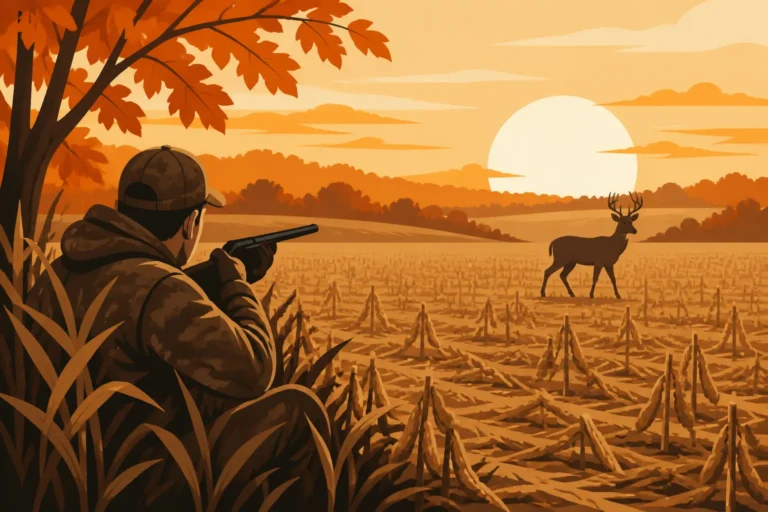
There's nothing quite like the adrenaline rush and camaraderie of an Iowa deer drive, but let's be honest, it can also be one of the most nerve-wracking ways to hunt. The sheer unpredictability of deer, combined with the movement of multiple hunters through dense cover, creates a dynamic environment where safety must be the absolute top priority. This guide dives deep into establishing and maintaining critical safe zones, ensuring everyone involved returns home with smiles, not close calls.
Understanding the Dynamics of a Deer Drive
Deer drives, when executed safely and strategically, can be incredibly effective, especially during the Iowa shotgun seasons or late muzzleloader. It's a method where a group of hunters (the "drivers") pushes deer from known bedding or staging areas towards another group of hunters (the "standers") positioned along anticipated escape routes. The challenge lies in managing the variables: the terrain, the deer's unpredictable behavior, and most critically, the movements and actions of every hunter involved. Many of us have been in drives where a deer breaks exactly where you don't expect it, or a driver emerges from the timber in a spot you thought was clear. These moments are why a solid understanding of safe zones is non-negotiable.
Roles and Responsibilities of Participants
Every person in a deer drive has a crucial role, and understanding these responsibilities is the bedrock of safety. It's not just about who shoots or who walks; it's about clear communication and mutual trust.
- The Standers: These hunters are positioned strategically on the perimeter of the drive, often overlooking escape routes or natural funnels. Their primary responsibility is to remain stationary and vigilant, identify potential shooting lanes, and, most importantly, know their zone of fire. Standers must assume that drivers or other standers could be in any area not explicitly designated as safe to shoot. Before the drive even begins, standers should use an app like GoHunt to mark their exact location and potential shooting zones, which can then be shared with the entire group. This helps avoid the common frustration of feeling unsure about where fellow hunters are. When planning a drive, it’s always wise to remember the principles outlined in Iowa Shotgun Season Tactics for Party Hunting.
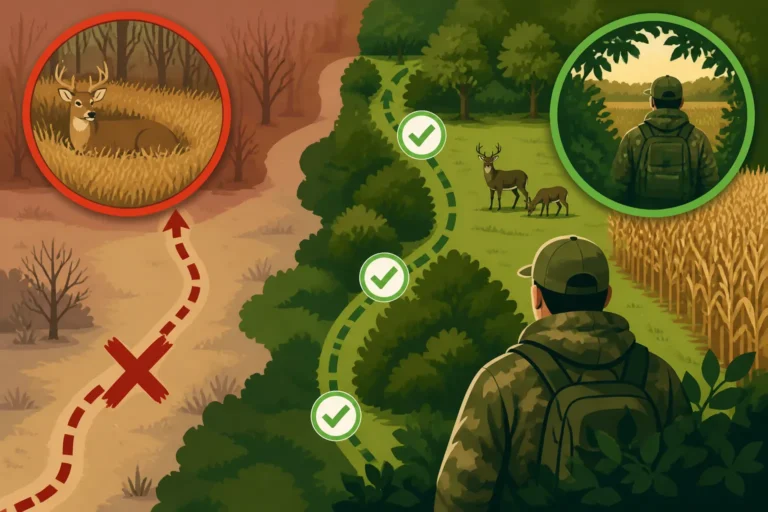
- The Drivers: Drivers are the ones actively moving through the cover, pushing deer towards the standers. Their main task is to move methodically, making enough noise or creating enough disturbance to encourage deer to move. Drivers must be acutely aware of their own position relative to the standers and other drivers at all times. They should never carry a loaded firearm in a manner that could result in an unsafe shot towards a stander or another driver. Their focus is on pushing game safely and effectively, not on taking shots themselves, though opportunities can arise if carefully managed. Understanding Access Routes That Do Not Bump Deer can also be critical for drivers to position themselves effectively without alerting deer too early.
Unpredictability of Deer Movement
Deer are wild animals, and their reactions to pressure can be incredibly diverse and often defy expectations. You might expect deer to follow a specific travel corridor, but instead, they might break out the side, double back, or even lie tight until the drivers pass.
- Breaking the Pattern: We've all seen it – a magnificent buck that was supposed to funnel through a narrow timber pinch point suddenly bursts out into an open field, completely ignoring the planned route. This unpredictability means that safe zones can't be rigidly drawn based on ideal deer movement; they must account for the worst-case scenario. Standers need to understand that their target might not be where the map says it should be, and drivers need to anticipate deer attempting to slip past them in unexpected ways.
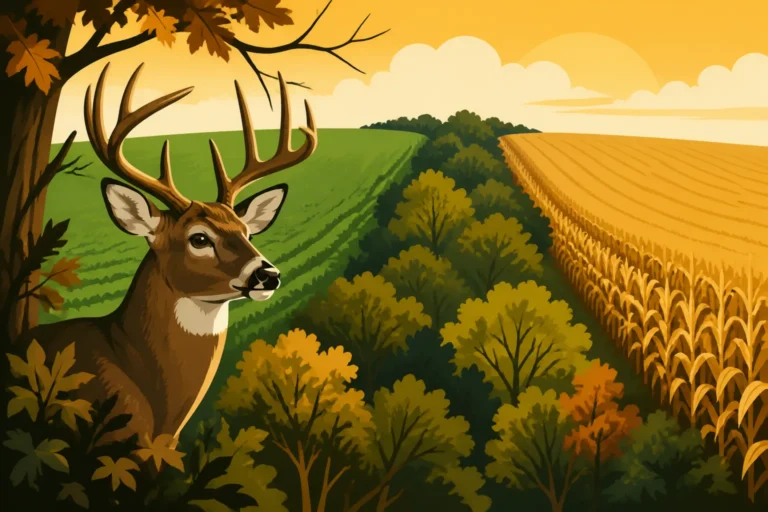
- Terrain Influence: Iowa's diverse landscape, from rolling timber to dense CRP and river bottoms, significantly impacts how deer move under pressure. A deer might hug a creek bank for cover, or use a cedar thicket to circle back. Knowing how deer use these features, as detailed in articles like Reading an Iowa Timber Draw for Deer Sign, is crucial for anticipating their likely escape routes and, by extension, where to place standers and establish safe zones. Without accounting for these nuances, what seems like a safe shooting lane can quickly become unsafe if a deer takes an unexpected turn.
Key Principles for Establishing Safe Zones
The core of a safe deer drive lies in a few fundamental principles that every participant must internalize. These aren't just suggestions; they are rules that, if broken, can lead to serious consequences. The frustrations often come when one person isn't on the same page, leading to uncertainty and potential danger.
Defining Zones of Fire and No-Fire
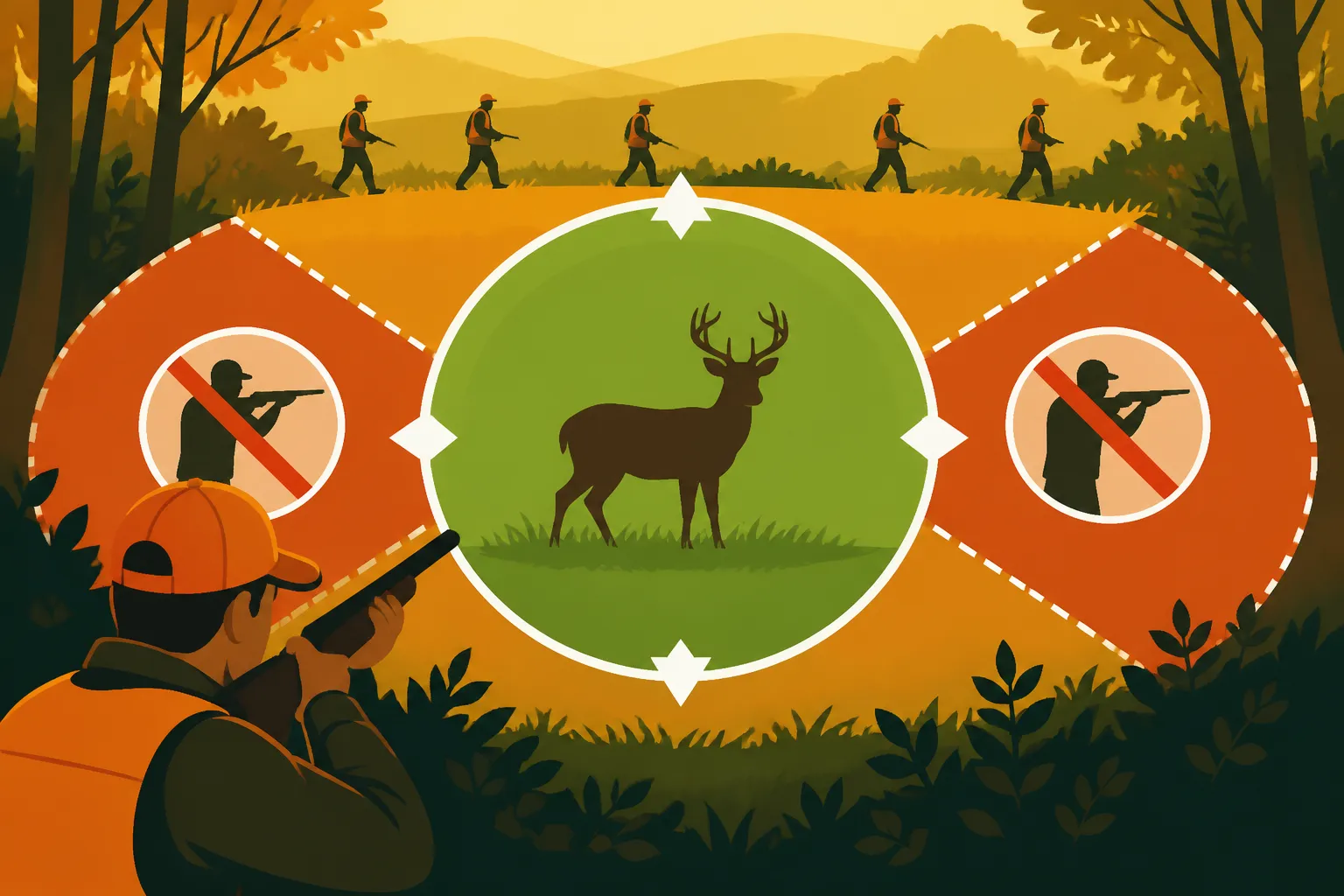
This is perhaps the single most critical aspect of setting up a safe deer drive. Every stander must have a clearly defined zone of fire and, by exclusion, a no-fire zone.
- Clear Shooting Lanes and Backstops: Before a drive starts, standers need to carefully assess their surroundings. What's in front of them? What's behind the potential target? Are there natural backstops like hills, embankments, or dense timber that will safely absorb a missed shot or a pass-through? In flat Iowa farm country, a good backstop might be a far distant treeline, but in other areas, it could be a small rise or a dense brush pile. The cardinal rule of always knowing what's beyond your target cannot be overstated, especially when other hunters are moving. This is where topics like Shot Placement on a Whitetail at Twenty Yards become incredibly relevant, as poor shot placement not only risks a wounded animal but also potentially sends a projectile in an unintended direction.
- Restricting Shot Angles: A common guideline in deer drives is to only take shots that are quartering away or broadside, and never shots directly at the drivers, even if you see a deer running directly towards them. Shots should generally be taken at a 90-degree angle or more away from the line of drivers. This means if you're a stander, you're essentially shooting parallel to the drive line, or slightly angled away from it. This dramatically reduces the risk of hitting a driver who might emerge unexpectedly or a bullet traveling beyond its intended path. This also means understanding your maximum effective range with your chosen weapon and sticking to it. Using a rangefinder, even in timber, to confirm distances, as covered in Rangefinding in Timber, is a wise habit.
Communication and Visual Identification
You can have the best plan in the world, but without constant, clear communication and positive identification, safe zones are meaningless. This is where modern tools and old-school discipline truly shine.
- Two-Way Radios and Hand Signals: In most deer drives, two-way radios are indispensable. They allow drivers and standers to update each other on their positions, report deer sightings, and call out potential hazards. Clear, concise communication is vital. Establish a common language and specific codes if necessary. If radios aren't an option or fail, pre-arranged hand signals or even whistles can serve as backups. The frustration of static or dead batteries is real, so always check equipment beforehand.
- Blaze Orange and Positive ID: Every hunter in a deer drive during Iowa's gun seasons must wear blaze orange. This isn't just a legal requirement; it's a life-saving measure. But beyond simply wearing it, every hunter needs to actively look for and positively identify other hunters, especially before taking a shot. Never assume a patch of orange is your fellow hunter or a deer. Always wait for a clear, unobstructed view of the animal and ensure no human is in the line of fire. Details on Blaze Orange Rules During Iowa Gun Season are crucial for compliance and safety. Using an app like GoHunt to share live locations can also significantly reduce uncertainty, letting everyone see where their hunting partners are in real-time.
Practical Application: Setting Up Safe Zones in Different Iowa Terrains
Iowa's hunting landscape is incredibly varied, and a safe zone strategy that works perfectly in a vast cornfield won't necessarily translate to a timbered river bottom. Tailoring your approach to the specific terrain is key to maximizing both safety and success.
Timber and River Bottoms
These areas, common throughout much of Iowa, offer great cover for deer but pose significant visibility challenges for hunters. Shots are often quick, close, and the terrain can be uneven.
- Utilizing Natural Backstops and Elevation: In timbered areas, steep hillsides, large stands of mature trees, or the banks of a creek or river can serve as excellent natural backstops. Position standers so their potential shots are aimed into these features. Hunters should be mindful of cresting hills, as a shot over the top could carry a significant distance. If you're hunting along a river bottom, consider placing standers on higher ground overlooking the floodplain, allowing them to shoot down into the thicker cover with the opposite bank or hillside acting as a backstop. This also helps in understanding how deer use these corridors, as discussed in Hunting a Narrow Creek Corridor.
- Managing Limited Visibility: The dense undergrowth and tree trunks in timber severely limit visibility. Standers should clear small shooting lanes if possible, but never cut branches that reveal their position too much or create unsafe sightlines. Shots in thick timber often need to be taken at very close range. Drivers must move slowly and deliberately, announcing their presence frequently with voice calls. Standers must wait for a clear shot at the vitals and verify what's beyond the deer, even if it's just a few yards away. The frustration of deer "ghosting" through the timber is real, but taking a risky shot isn't worth it.
Crop Fields and Open Grasslands
Many Iowa deer drives happen adjacent to or through standing crops or vast CRP fields. These present different challenges than timber, primarily due to wide-open spaces and potentially long sightlines.
- Defined Boundaries and No-Shoot Zones: In open areas, it’s even more critical to define the absolute boundaries of the drive and establish clear no-shoot zones. This might mean designating specific field edges as safe zones where drivers will emerge, or marking a distant treeline as the absolute limit for shots. The use of GPS units with pre-marked waypoints for all stander and driver positions, perhaps with the GoHunt app, is invaluable here. Everyone needs to know exactly where the drive ends and where fellow hunters will be.
- Considering Long-Range Shots and Horizons: In open fields, shots can be much longer, increasing the importance of knowing your equipment's limitations and understanding bullet trajectory. The horizon can often appear as a "backstop," but a missed shot can travel for a mile or more. Standers must be positioned with a clear understanding of the terrain beyond the field. If a public road or private residences are over the horizon, then that area is an automatic no-shoot zone. The concept of Standing Corn and Bean Field Deer Patterns becomes essential not only for predicting deer movement but also for understanding potential lines of fire if a drive is conducted through standing crops.
Here's a quick look at how terrain impacts safe zone planning:
| Terrain Type | Visibility Challenge | Backstop Considerations | Communication Needs | GoHunt Application |
|---|---|---|---|---|
| Heavy Timber | Low, broken | Steep hills, dense groves | Constant radio checks, audible calls | Marking driver/stander positions, escape routes, overhead maps |
| River Bottoms/Creek B | Varied, often dense | Banks, heavy brush, elevation changes | More frequent updates, awareness of water hazards | Identifying natural funnels, potential bottlenecks, elevation tools |
| Crop Fields/Grassland | High, open | Horizons, distant tree lines | Visual confirmation, clear line of sight, range use | Defining hard boundaries, no-shoot zones, property lines, shared pins |
Communication, Equipment, and Emergency Preparedness
Beyond the specific placement of hunters and zones, the overarching framework for any safe deer drive involves excellent preparation, the right tools, and a clear plan for when things go wrong. Even with the best intentions, things can happen, and being ready is crucial. This is particularly true when you are working on public land with other groups, as explored in Party Hunting Rules and Safe Drives.
Essential Gear for Safe Drives
Having the right equipment isn't just about harvesting a deer; it's about making sure the hunt is safe and enjoyable for everyone.
- Radios and GPS Devices: As mentioned, reliable two-way radios are crucial. Invest in quality radios with decent range and battery life. Beyond radios, a GPS device or a smartphone app with GPS capabilities, like GoHunt, is invaluable. Hunters can mark their starting positions, intended routes, and final stand locations. This is particularly helpful when planning a large drive, or if someone gets disoriented in unfamiliar terrain. This also helps with issues like Getting a Deer Out of an Iowa Creek Bottom later.
- Blaze Orange and Signaling Devices: Ensure everyone has enough blaze orange to be highly visible from all directions. A blaze orange vest, hat, and possibly even a backpack cover are recommended. Beyond this, consider carrying a loud whistle or even a small air horn for emergency signaling. These can cut through wind and thick cover far better than a voice. The frustration of not being seen or heard in a critical moment can be eliminated with proper gear.
Pre-Drive Briefing and Post-Drive Debriefing
The planning stages of a drive are just as important as the execution. A thorough briefing minimizes confusion and ensures everyone is on the same page.
- Comprehensive Briefing: Before anyone steps foot in the woods, gather everyone for a detailed briefing. This should cover:
- The exact boundaries of the drive.
- The planned routes for drivers and precise locations for standers (marked on a map or GoHunt).
- Designated safe zones and no-shoot zones.
- Communication protocols and radio channels.
- Emergency procedures (who to call, rendezvous points).
- Any specific terrain hazards (ditches, fences, private property lines).
- Expected deer movement and potential break points.
- The "all clear" signal when the drive is complete. This pre-drive talk is your chance to address any potential confusion and build confidence among the group.
- Review and Feedback: After the drive, take a few minutes to debrief. What went well? What could have been better? Were there any close calls or areas of confusion regarding safe zones? Learning from each drive, both successes and near misses, helps refine your strategy and improve safety for future hunts. This is also a good time to discuss things like Field Dressing in Warm October Weather if a harvest occurred.
Emergency Protocols
Even with meticulous planning, accidents can happen. Having a clear emergency plan is a responsible and necessary step for any hunting group.
- First Aid and Trauma Kits: At least one person in the group should carry a comprehensive first-aid kit, and ideally, have some basic first aid or wilderness first aid training. Knowing how to handle common injuries, especially severe bleeding, is crucial. Ensure everyone knows where the kit is and who is designated to use it.
- Emergency Contact Information and Rendezvous Points: Every hunter should carry a list of emergency contacts, including local emergency services (911), and a designated non-hunting contact person. Before the drive, establish clear rendezvous points that are easily accessible and known to everyone. In case of an emergency, the priority is to get to one of these points, especially if communication is lost or a more serious injury occurs. Remember, cell service isn't always reliable in remote Iowa hunting areas, so pre-planning for communication gaps is critical. This kind of preparation ensures that even in the chaos of a drive, everyone knows what to do if the worst-case scenario unfolds.
Disclaimer
Hunting is an inherently risky activity. This guide provides general safety information and recommendations for deer drives in Iowa. Always consult the current Iowa Department of Natural Resources regulations and local laws before hunting. Adherence to all safety protocols, proper training, and responsible firearm handling are paramount. The author and publisher assume no liability for accidents or injuries.