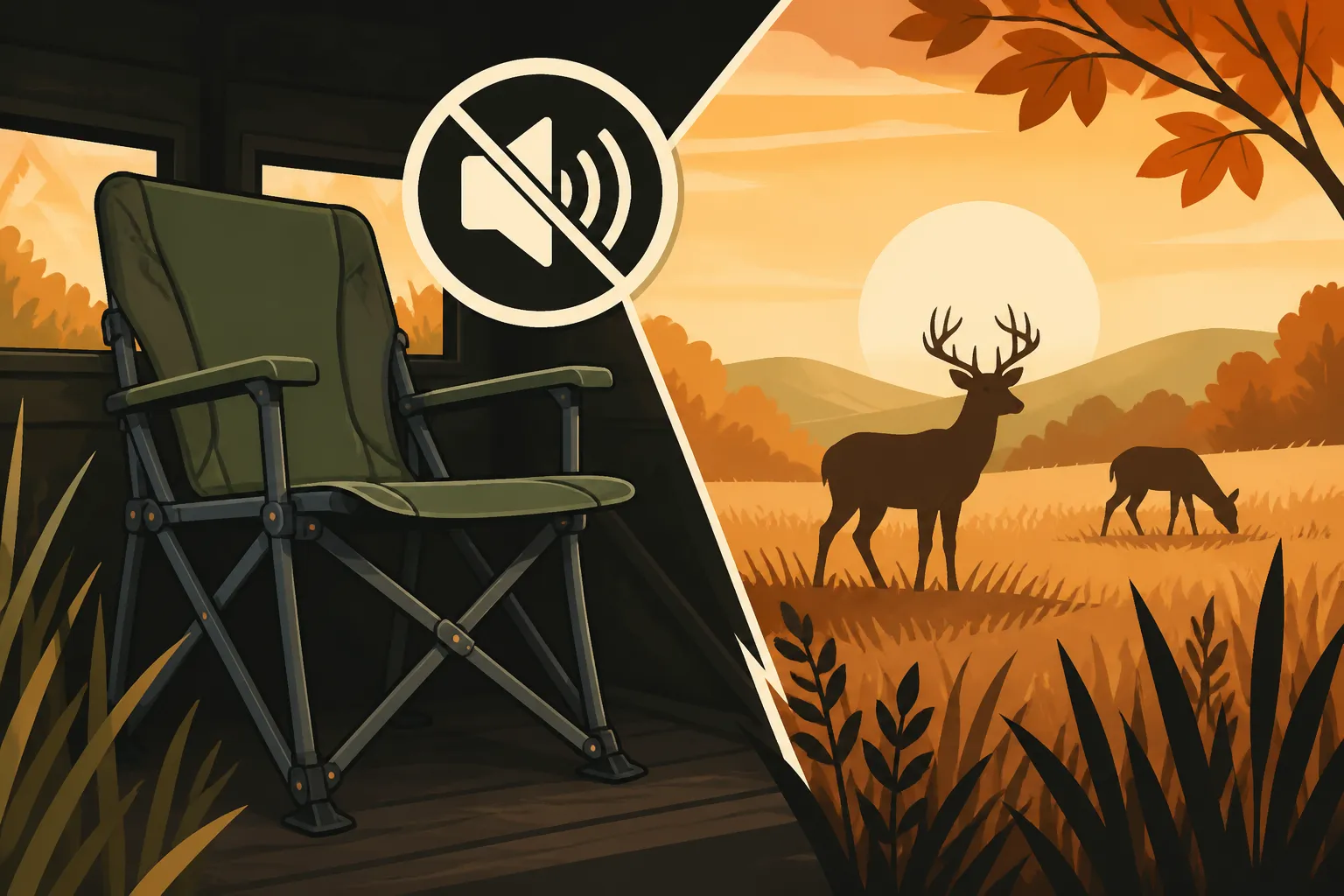
Blind Chairs That Do Not Squeak
There’s almost nothing more frustrating when you’re settled into your ground blind, bow in hand, feeling completely concealed and ready for that trophy buck to step out, only to have a subtle shift in weight trigger an obnoxious squeak or groan from your chair. That heart-stopping moment when the deer you were watching suddenly snaps its head up, ears swiveling in your direction, is enough to make any hunter want to throw their chair into the nearest creek. This guide is all about helping you avoid that agony by diving deep into the world of silent blind chairs, ensuring your next hunt is quiet, comfortable, and successful.
The Silent Killer of Blind Hunts: Why Noise Matters So Much
We spend so much time and effort on scent control, camouflage, and finding the perfect ambush spot, only to often overlook one of the biggest betrayers in the blind: a noisy chair. It's not just about startling game; it's about maintaining that crucial element of surprise that can make or break a hunt, especially in high-pressure environments like many of Iowa's public hunting areas.
The Unseen Impact of Small Sounds in the Blind
Imagine being out in the timber on a crisp October morning. The woods are starting to wake up, a few birds chirp, maybe a squirrel scampers through the leaves. Suddenly, a metallic groan from your chair cuts through the air. To a deer, whose senses are far more acute than ours, that sound isn't just a minor annoyance; it's a direct alarm. Deer have incredible hearing, capable of picking up subtle frequencies and pinpointing the direction of a sound with surprising accuracy. A human-made noise in an otherwise natural environment immediately signals danger.
Even a soft creak can travel much further than you'd think, especially on quiet, still mornings or evenings. It's not always about a deer bolting immediately; sometimes, it's just enough to make them alter their path, decide against coming into shooting range, or simply put them on high alert, making any future movement you make even riskier. This is particularly true if you're trying to execute a draw with your bow or slowly bring your shotgun up. That moment of truth, the culmination of hours of waiting, can be shattered by a cheap hinge or a stressed piece of fabric. If you're hunting thick CRP edges or timber points where deer might be passing close by, every fraction of a second and every tiny sound counts.
From Creaks to Groans: Identifying Common Chair Noises
It's easy to dismiss a chair as just "a chair," but when it comes to hunting, the devil is truly in the details of its construction. Most chair noises stem from a few common culprits. The most prevalent are metal-on-metal friction points, often found at hinges where the legs fold, or where the backrest attaches to the seat. These areas, especially after exposure to moisture and dirt, can rust, collect grime, and develop that signature "squeak." Another major offender is frame flex. If a chair's frame isn't rigid enough, or if the welds are weak, the entire structure can shift and groan under your weight as you adjust, particularly problematic for larger hunters or those carrying heavy gear.
Fabric rub is also a sneaky source of noise. Some chairs use materials that, while durable, are stiff or have a plastic-like coating that crinkles loudly when you shift your weight or when your hunting clothes rub against them. Even seemingly minor details, like loose bolts, plastic caps on leg ends, or a cheap swivel mechanism, can contribute to a cacophony of small sounds that radiate through the blind. Paying attention to these often-overlooked design elements is the first step toward finding a truly silent setup, and it's definitely something to consider before heading out to Ground Blinds in Iowa Farm Country.
Essential Design Elements for a Truly Quiet Chair
When you're shopping for a blind chair, it's not enough to just sit in it for a moment in the store. You need to consider how it will perform under real-world hunting conditions. A truly quiet chair incorporates specific design choices that anticipate and mitigate common noise sources.
Frame Materials and Construction That Don't Betray You
The foundation of a quiet chair is its frame. Cheaper chairs often use thin, hollow tubing that flexes easily and allows for more movement in its joints, leading to noise. Look for frames made from sturdy, heavy-gauge steel or thick-walled aluminum. Steel is generally heavier but provides superior rigidity and dampens vibrations better. Aluminum, while lighter for packing in, needs to be of substantial thickness to prevent unwanted flex. Welded joints are almost always superior to riveted or bolted connections in terms of long-term quietness, as they create a more solid, unified structure.
Furthermore, a quality powder coat finish on the frame isn't just for durability; it can also help to reduce metal-on-metal rubbing noises by providing a smoother, more consistent surface at pivot points. When you're inspecting a chair, try to apply pressure in various directions and listen for any groans or creaks. A well-constructed frame should feel solid and exhibit minimal flex, even under dynamic weight shifts. This peace of mind is invaluable when you need to stay still for hours, waiting for an opportunity.
Fabric and Padding: More Than Just Comfort
While comfort is undoubtedly important for those long sits, especially during Iowa's colder seasons, the fabric and padding of your chair play a critical role in noise reduction. Avoid chairs with slick, crinkly nylon or waterproof coatings that make a rustling sound every time you move. Instead, opt for durable, brushed fabrics like heavy-duty polyester or canvas that have a softer hand and absorb sound rather than amplifying it. These materials also tend to offer better grip, preventing you from sliding around and creating noise.
The padding itself should be dense and firm, designed to provide support without compressing completely and allowing the frame to shift underneath you. Thin, cheap foam can quickly flatten out, leading to your weight being directly on the frame, which then leads to noise. Some higher-end chairs even incorporate silent "closed-cell foam" or layered padding designed specifically to prevent shifting and rubbing. Remember, your clothing will also interact with the chair's fabric, so consider how your outer layers will sound against the chair material when testing. It all contributes to how well you can execute Hunting From a Blind Without Movement.
Swivel Mechanisms and Adjustment Points: The Devil in the Details
These are arguably the most notorious noise producers in any blind chair. A silent swivel mechanism is worth its weight in gold. Look for chairs that feature sealed bearings, composite bushings, or smooth, heavy-duty sleeves rather than simple metal-on-metal pivot points. Many quality chairs now advertise "silent swivel" systems, and these are often a good investment. You want a swivel that glides smoothly and silently, without any grinding or popping, even when turning 360 degrees.
Adjustment points, such as those for leg height or backrest angle, also need to be robust and designed for quiet operation. Tight, secure locking mechanisms are essential. Loose adjustment knobs or pins can rattle and vibrate, creating subtle but detectable noise. Even the feet of the chair matter: wide, non-slip rubber or plastic feet provide stability and prevent the chair from digging into the ground or scraping against a hard blind floor, which can generate surprising amounts of noise. Some hunters even add felt or rubber pads to the bottom of their chair feet for extra sound dampening. When you're doing your research, checking out detailed product reviews on sites like GoHunt can give you insights into how these critical components perform in the field.
Top Chair Types for Stealthy Blind Hunting in Iowa
Different hunting situations call for different gear, and blind chairs are no exception. What works perfectly for a long-term setup in a comfortable box blind might not be suitable for a run-and-gun portable ground blind. Understanding the strengths and weaknesses of each type can help you choose wisely.
Lightweight Folding Chairs: Simplicity and Portability
For many hunters, a simple folding chair is the go-to option. These chairs excel in portability and ease of setup, making them ideal for situations where you might be packing your blind in and out, or moving between locations, perhaps when you're Scouting Iowa Public Land Before the Opener. The key to finding a quiet folding chair lies in its construction. Avoid designs with numerous flimsy rivets or thin, tubular frames. Instead, look for models that use thicker, heavier-gauge steel or aluminum and robust, oversized pivot points.
Some manufacturers have designed folding chairs specifically with hunting in mind, incorporating silent hinge mechanisms or even bungee-corded frames to minimize metal-on-metal contact. The fabric seat and backrest should be taut but quiet, and the legs should lock securely into place without any wobble. While they might not offer the plush comfort of a deluxe chair, a well-chosen lightweight folder can provide a silent, stable base without adding excessive weight to your pack, which is crucial when covering ground to check for good Timber Points Between Two Fields.
Swivel Stools and Tripods: Minimalist, Yet Effective
When space is at a premium in a small pop-up blind or when you need maximum maneuverability for shots in any direction, a swivel stool or tripod chair can be an excellent choice. Their minimalist design often means fewer potential noise points compared to a full-sized chair with a backrest and armrests. The primary focus here is on the swivel mechanism – it must be silent. Many high-quality stools feature durable, maintenance-free swivels that operate on sealed bearings or composite bushings.
The main pitfalls with stools are stability and comfort over long periods. A wobbly stool is a noisy stool, so ensure the legs spread wide for a stable base, and ideally, have adjustable feet for uneven ground. While they lack back support, some hunters prefer them for the freedom of movement they offer, which can be beneficial when trying to get an ethical shot on a whitetail that is moving through thick cover. When using a stool, consider bringing a small, firm cushion for added comfort and height adjustment. This setup can be incredibly effective when you're hunting smaller areas where stealth is paramount and you need to keep a low profile.
Deluxe Blind Chairs: Comfort Meets Concealment
For those who spend extended hours in a permanent or semi-permanent blind, or who prioritize comfort above all else, a deluxe blind chair is the ultimate solution. These chairs often feature generous padding, full backrests, and sometimes even armrests, resembling office chairs more than traditional hunting seats. The challenge with deluxe chairs is ensuring that their increased complexity doesn't lead to increased noise. Top-tier models are specifically engineered for silence, utilizing heavy-duty, overbuilt frames, silent swivel mechanisms, and premium, non-crinkly fabrics.
Many of these chairs incorporate independent suspension systems or strategically placed dampening materials to absorb movement and prevent creaks. While they tend to be heavier and bulkier, making them less suitable for long walks in, their superior comfort can be a game-changer for those all-day sits in December when you need to stay warm and still. The ability to sit comfortably for hours without fidgeting or causing noise allows you to focus purely on the hunt, maximizing your chances, especially when targeting Late-Season Food Source Hunting in Iowa. Just be mindful of their footprint, ensuring they fit well within your blind without rubbing against the walls.
| Chair Type | Portability | Noise Potential | Comfort Level | Typical Cost Range | Key Feature for Silence |
|---|---|---|---|---|---|
| Lightweight Folder | High | Moderate | Low to Medium | Low to Medium | Robust hinges, quiet fabric |
| Swivel Stool/Tripod | Medium-High | Low | Low | Low to Medium | Silent swivel, stable base |
| Deluxe Blind Chair | Low | Low | High | Medium to High | Oversized frame, cushioned swivel, quiet fabric |
Field-Testing and Maintenance: Keeping Your Chair Covert
Even the best-designed chair can develop a squeak over time if not properly maintained, or if you don't take the time to set it up correctly in the field. Proactive measures are key to ensuring your investment in a quiet chair pays off when it matters most.
Pre-Season Checks and Lubrication Tips
Before the hunting season kicks off, or even before each major hunt, take a few minutes to inspect your blind chair thoroughly. Start by unfolding and folding it several times, listening intently for any new sounds. Pay close attention to all pivot points, hinges, and where the legs meet the ground. If you hear a creak, identify its source. Sometimes, a simple tightening of a bolt is all that's needed. For persistent metal-on-metal squeaks, a small amount of dry lubricant like graphite or a silicone spray can work wonders. Avoid greasy lubricants that can attract dirt, dust, and animal hair, which will only exacerbate the problem over time.
You might also consider applying a small amount of non-adhesive, quiet fabric tape or a piece of moleskin to areas where fabric or metal parts might rub against each other during use. This extra layer of dampening can make a huge difference. Don't forget the feet – ensure they are intact and securely attached. If they're worn, consider replacing them or adding rubber pads. A silent deployment is crucial, so practice setting up your chair smoothly and quietly in your yard before you hit the field. This attention to detail is as important as checking your broadheads before Bowhunting Iowa Deer From October to January.
Real-World Testing in Your Blind Before the Hunt
The true test of a silent chair happens in the environment it will be used in. Set up your ground blind and chair in your backyard or a secluded area that mimics your hunting spot. Sit in the chair and simulate all the movements you'd make during a hunt: slowly shifting your weight, reaching for your bow or gun, turning to look out different windows, and even standing up and sitting down. Listen for any noise. This is also a great time to ensure your chair height is optimal for your blind's windows and your shooting lanes.
If you find any new noise, try to pinpoint it. Sometimes, it's not the chair itself, but something rubbing against it, like your pack, a blind wall, or even your own hunting clothing. Adding a small piece of carpet or an old mat under your chair can help dampen sounds if your blind is on hard, uneven ground. Think about how you’ll set up your Ground Blinds in Iowa Farm Country and how the chair will fit. When you're researching potential chairs, a resource like GoHunt can provide user reviews and forum discussions where hunters share their experiences with different chairs in real-world scenarios, offering valuable insights into their long-term quietness.
Smart Placement and Blind Setup for Optimal Quiet
Beyond the chair itself, how you place it within your blind and how you set up your blind can significantly impact overall noise. Always strive for level ground to prevent the chair from rocking or wobbling, which inevitably leads to noise. Clear away any debris, sticks, or rocks from under and around the chair's footprint before you sit down. Even small items can cause uncomfortable pressure points and subsequent noise as you shift to relieve them.
Ensure there's adequate clearance between your chair and the blind walls, windows, and any internal supports. If your chair is constantly bumping against the fabric of the blind, it will create noise. If possible, brush in your ground blind heavily, not just for concealment, but also because dense cover around the blind can help absorb and muffle any internal sounds that might escape. A well-brushed blind, much like the advice in Brushing In a Ground Blind, offers both visual and acoustic benefits, making your entire setup more covert and effective.
Disclaimer
This article is for general informational purposes only and does not constitute professional advice. Laws, prices and regulations vary by location and change over time. Consult a qualified professional for guidance on your specific situation.