Iowa Party Hunting and Group Tagging
There’s nothing quite like the camaraderie of hunting with friends and family, especially when the crisp Iowa air signals peak deer season. But let's be honest, navigating the ins and outs of party hunting and group tagging can feel like trying to decipher a secret code written in legal jargon. Many hunters, new and seasoned alike, grapple with confusing regulations, wondering if they can legally share a tag or if their buddy can claim a deer they helped put down. This guide will cut through the confusion, explaining Iowa's rules for party hunting and group tagging so you can enjoy the hunt with confidence and stay on the right side of the law.
Understanding Iowa's Party Hunting Rules
Party hunting in Iowa isn't just about sharing a blind or walking through a field together; it’s specifically defined by how tags can be used within a group. It's a fantastic way to maximize success, especially when you're hunting challenging areas or trying to fill multiple tags, but understanding the precise legal framework is absolutely critical. Without that clarity, you could easily find yourself in a situation that, while well-intentioned, could lead to trouble.
What Exactly is Party Hunting?
In Iowa, "party hunting" generally refers to a group of licensed hunters working together to harvest game. The key distinction here, especially for deer, revolves around who can tag a deer that has been legally shot by another member of the group. It’s not a free-for-all where one person shoots and anyone can slap their tag on it. The Iowa Department of Natural Resources (DNR) has specific provisions that allow for this, primarily to facilitate successful hunts and to acknowledge the cooperative nature of deer drives or group stand hunts. For instance, if you're participating in a Shotgun Season Drives in Small Timber with a group, the rules allow for a deer harvested by one hunter to be tagged by another hunter within that immediate hunting party, provided certain conditions are met. This is particularly useful in situations where the shooter might have already filled their tags or has a specific tag type that doesn't match the deer harvested, while another member still possesses a valid, appropriate tag.
However, it's crucial to distinguish this from simply hunting in the same area. Party hunting implies a coordinated effort with the intent to harvest game where any member could potentially tag an animal harvested by another. This cooperative spirit is often seen in group activities like Iowa Shotgun Season Tactics for Party Hunting where multiple hunters work together to push deer through cover or strategically position themselves to intercept moving animals. The rules are designed to allow for this efficiency but always within the bounds of fair chase and proper licensure.
The Importance of a Valid License
Before any thought of party hunting or group tagging even enters the picture, every individual hunter involved must possess the appropriate and valid Iowa hunting license and deer tag for the season and zone they are hunting. This isn't just a recommendation; it's the absolute foundation of legal hunting. If you're out there, even just driving deer, without the correct license, you're not a legal participant, and any deer associated with your efforts could be jeopardized. This means having your general hunting license, your habitat fee, and the specific deer tag (e.g., Any-Deer, Antlerless, Youth) that corresponds to the animal you intend to harvest, or that you might be tagging for another group member.
The type of tag also matters immensely. An "Any-Deer" tag typically allows for either an antlered or antlerless deer, while an "Antlerless" tag, as its name suggests, is only for does or fawns. If a group member shoots an antlered buck, but the only unused tags remaining in the group are antlerless-only tags, then that buck cannot be legally group-tagged. The tag must match the sex and antler criteria of the harvested animal. It sounds basic, but in the excitement of a successful hunt, these details can sometimes get overlooked. Always double-check everyone’s tags before the hunt, especially when planning for specific deer like antlerless animals during the Iowa January Antlerless Hunts. Utilizing tools like GoHunt can help you keep track of license requirements and season dates across different areas.
When Group Tagging Becomes an Option
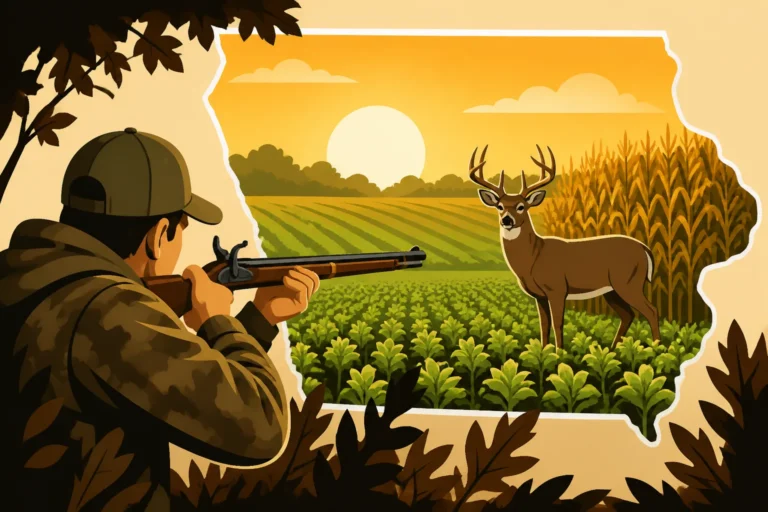
Group tagging is not a universal right in Iowa; it's a specific provision primarily applicable during certain shotgun seasons, and sometimes during muzzleloader seasons, depending on the specific regulations for that year. It's designed to facilitate deer drives and coordinated hunting efforts. The general rule allows a deer to be tagged by any member of an immediate hunting party who possesses a valid, unused tag for the type of deer harvested. The critical phrase here is "immediate hunting party." This implies a group actively hunting together, in close proximity, and communicating their movements and intentions. It's not for a buddy across town to come and tag your deer an hour later.
This rule is a huge advantage for groups performing Party Hunting Rules and Safe Drives. Imagine a scenario where a hunter pushes a deer past another member of the party, who then harvests it. If the shooter has already filled their tags or only has antlerless tags, but a different member of the same immediate party has an unused Any-Deer tag, that second hunter can legally tag the buck. This ensures the deer is properly accounted for and prevents tags from being wasted due to circumstances within a cooperative hunt. However, this flexibility also comes with responsibility. The group must be aware of each other's tag status and ensure that the deer is tagged immediately and legally reported.
How Group Tagging Works in Practice
Understanding the concept of group tagging is one thing, but actually putting it into practice in the field, when adrenaline is pumping, is another entirely. This section aims to demystify the practical steps and common pitfalls that hunters often encounter. Remember, proper execution of the rules ensures a smooth experience and respects the resource.
The Process of Tagging a Shared Deer
When a deer is harvested by a member of an immediate hunting party, and another member is going to tag it, the process is quite straightforward but requires attention to detail. First and foremost, the deer must be tagged immediately at the point of kill before it's moved from the place of harvest. This means the hunter whose tag will be used must be present or arrive promptly. The tag needs to be securely attached to the deer, typically through the hock or antler, and the date and time of kill must be properly notched or recorded as specified on the tag. The hunter whose tag is used is then legally responsible for that deer.
After the physical tag is affixed, the deer must be reported. Iowa has a mandatory Iowa Deer Harvest Reporting Rules system, usually accessible online or via phone. The hunter who tagged the deer is responsible for reporting it, regardless of who actually pulled the trigger. This ensures accurate harvest data collection for the DNR. Failure to report a deer can lead to fines and penalties. Think of it like this: the shooter provides the opportunity, but the tagger takes full ownership and responsibility for the animal from that moment on. This includes ensuring proper Field Dressing in Warm October Weather and transport, adhering to rules about Getting a Deer Cooled in October.
Eligibility and Restrictions for Group Tags
While group tagging offers flexibility, it's not without its limits. The primary restriction, as mentioned, is that it typically applies to deer taken by an immediate hunting party and usually during Iowa's shotgun and muzzleloader seasons. Archery season rules generally dictate that the hunter who shoots the deer must tag it with their own valid tag. Always consult the current Iowa hunting regulations booklet, which the Iowa DNR usually releases around July, to confirm specific season allowances. You can often find this information via helpful platforms like GoHunt, which can streamline your research.
Another crucial eligibility factor is the type of tag. If you shoot a massive antlered buck, but everyone else in your party only has antlerless tags, you cannot use their tags. The tag must be valid for the specific deer harvested (e.g., an Any-Deer tag for a buck, or an antlerless tag for a doe). There are no exceptions to this rule. Additionally, a hunter cannot exceed their personal bag limit, even if they are tagging deer for others. For instance, if a hunter has two Any-Deer tags and has already filled one, they can only tag one more deer, whether it's one they shot or one a party member shot. Understanding these nuances is critical to avoiding violations.
Real-World Scenarios and Common Misconceptions
Let's run through a couple of common scenarios to illustrate how this works:
Scenario 1: The Successful Drive
You and three friends are doing a classic Shotgun Season Opening Day Strategy drive. Hunter A pushes a doe out, and Hunter B shoots it. Hunter B has already filled their antlerless tag. Hunter C, who is part of the immediate party, has a valid, unused antlerless tag. Hunter C can legally tag the doe shot by Hunter B. Hunter C is then responsible for reporting the deer. This is a perfectly legal use of party hunting provisions.
Scenario 2: The Separated Stand Hunters
You're hunting public land, sitting in your stand, and your buddy is a quarter-mile away in his. You shoot a nice buck. Your buddy calls and says he's on his way over to help you drag it out. He suggests he'll tag it because he has an Any-Deer tag, and you only have an antlerless tag left. This would likely not qualify as an "immediate hunting party" in the eyes of the law, as you weren't actively cooperating in the same immediate area to harvest that specific deer. You were essentially hunting independently. The best practice here would be for the hunter who shot the deer to ensure they have the correct tag or to let the deer pass if they do not. This scenario highlights why proximity and active cooperation are so important.
A common misconception is that if you "help" a hunter track or field dress a deer, you then become part of an "immediate hunting party" and can tag it. This is generally not the case. The immediate hunting party concept applies to the act of harvesting the animal, not the recovery or processing afterward. The spirit of the law is to allow flexibility in the moment of the hunt, not as a workaround for tags after the fact.
| Scenario | Hunter A's Action | Hunter B's Tag Status | Legal to Party Tag? | Tagger's Responsibility |
|---|---|---|---|---|
| Deer Drive | Shoots Doe | Has filled Doe Tag | YES | Hunter B (with valid tag) |
| Adjacent Stands | Shoots Buck | Has valid Buck Tag | NO (Not a party tag) | Hunter A |
| Independent Hunters | Shoots Buck, no Buck Tag | Has valid Buck Tag | NO | Hunter who shot must have tag |
| Youth Hunter | Shoots Deer | Parent has Youth Tag | YES | Parent (with Youth Tag) |
Legalities, Ethics, and Best Practices
Party hunting, while convenient and effective, carries a significant weight of legal and ethical responsibility. It's not just about what you can do, but also about what you should do to uphold the integrity of the hunt and ensure a positive experience for everyone involved. The line between legal flexibility and unlawful activity can be thin, so a clear understanding and commitment to best practices are essential.
Avoiding Common Violations and Misunderstandings
The easiest way to avoid violations is to be intimately familiar with the current Iowa hunting regulations booklet, which you can usually find through the Iowa DNR website or at local Iowa Licence Vendors Near Hunting Areas. Don't rely on hearsay or what someone did five years ago. Rules can and do change. A key area for misunderstanding is the "immediate hunting party" definition. As discussed, this isn't just anyone who shows up to help drag. It implies active, coordinated participation in the hunt itself. If you weren't actively involved in the pursuit and harvest of that specific animal as part of a group effort, you generally shouldn't be party tagging it.
Another common violation stems from tag misuse. Never use an antlerless tag on an antlered buck, or vice-versa, even if you are party hunting. The tag must match the deer. Similarly, ensure that the tag is immediately attached and dated correctly. Delaying the tagging process or moving the deer before it's tagged can also lead to issues. Be transparent within your group about who has what tags and what their status is. This proactive communication can prevent last-minute confusion and ensure everyone knows their roles and responsibilities.
Ethical Considerations in Party Hunting
Beyond the letter of the law, there are ethical considerations when party hunting. The principle of fair chase is paramount. Party hunting should enhance your hunting experience and success, not enable unfair advantages or practices that disrespect the animal. For example, while pushing deer during a drive is legal and effective, cornering an animal in a small, inescapable patch of cover without any escape routes could border on unethical, even if technically legal.
Consider the optics of party hunting. When the public sees hunters cooperating, it should look like a responsible, organized effort, not a chaotic free-for-all. Hunters who tag a deer shot by another should still feel a sense of responsibility and connection to that animal, not just view it as a way to fill a tag. This means participating in the recovery, field dressing, and processing of the deer. This shared effort reinforces the bond among hunters and the respect for the harvested animal. It's also important to be mindful of how your group's actions impact other hunters, especially on Hunting Pressure Patterns on Iowa Public Land. Being respectful, communicating, and moving efficiently can help everyone have a good experience.
Planning Your Party Hunt Successfully
Successful party hunting starts long before you ever step foot in the woods. Communication is key. Before the hunt, gather your party and discuss:
- Everyone’s License and Tag Status: Who has what type of tag (Any-Deer, Antlerless)? How many tags does each person have left?
- Specific Goals: Are you targeting antlerless deer for population management, or hoping for a buck? This helps dictate who can tag what.
- Roles and Responsibilities: Who will be the drivers, and who will be the standers? Who is responsible for tracking, field dressing, and hauling?
- Communication Protocol: How will you communicate in the field? Radios, cell phones (if service allows), or hand signals? This is especially important for safety during a Party Hunting Rules and Safe Drives.
- Tagging Plan: Pre-determine who will tag what type of deer if the opportunity arises and the primary shooter cannot.
- Safety: Review Iowa Blaze Orange Requirements and discuss safe zones of fire and movement, especially during drives.
Utilizing mapping apps like those found on GoHunt can be invaluable for planning. You can mark stand locations, drive routes, and identify property lines, ensuring everyone is on the same page and avoiding any accidental trespass. By meticulously planning, you not only increase your chances of success but also significantly reduce the risk of legal issues or ethical dilemmas.
Common Questions and Expert Tips
Even with a solid understanding of the rules, specific questions often pop up in the field. Let's tackle some of the most frequently asked questions about party hunting and group tagging in Iowa, along with some practical tips to make your hunt smoother and more enjoyable.
Who Can Possess the Deer After Tagging?
Once a deer has been legally tagged by a member of the hunting party, that person is considered the legal possessor of the animal. This means they are responsible for ensuring the deer is transported legally and reported correctly. Even if another hunter shot the deer, the person whose tag is attached owns it from a legal standpoint. This is an important distinction, especially when it comes to transporting the deer from the field to a locker plant or home.
While the tagger is the legal possessor, it's perfectly acceptable, and common, for other members of the hunting party to assist in the physical tasks of recovery. This might involve helping to Getting a Deer Out of an Iowa Creek Bottom, loading it onto a deer cart, or helping to field dress it. The cooperative effort extends beyond the shot itself. However, the tag should always remain attached to the deer, and the tagger should ideally be present during transport or have given explicit permission and instructions for another party member to move it on their behalf. Clear communication here prevents any potential misunderstanding if you encounter a conservation officer.
Record Keeping and Reporting Responsibilities
As touched upon earlier, mandatory Iowa Deer Harvest Reporting Rules apply to every harvested deer, including those taken through party hunting. The hunter whose tag is affixed to the deer is the one responsible for completing this report. This needs to happen before midnight on the day the deer is killed, or before the deer is transported out of Iowa. The reporting system, usually through the Go Outdoors Iowa online portal, requires specific information like the county of harvest, species, sex, and whether it was an antlered or antlerless deer.
Keeping good personal records can also be helpful. While not legally required, noting down the details of each hunt – who shot what, who tagged what, and the location – can be useful for your own tracking and for reviewing season success. This data, especially if you're using a platform like GoHunt to track your hunts, can inform future hunting strategies, helping you understand How Harvest Timing Changes Deer Movement or Best Stand Locations in Rolling Timber. Always double-check the harvest reporting guidelines in the annual regulations, as changes can occur.
Using Technology for Group Coordination
In today's hunting world, technology can be a huge asset for party hunting. GPS mapping apps, like those often integrated into platforms such as GoHunt, allow you to precisely mark stand locations, define drive paths, track movement, and identify property boundaries. This enhances safety, efficiency, and adherence to regulations. Imagine being able to share a map with your entire party, showing everyone's position in real-time during a deer drive, ensuring safe lanes of fire and preventing hunters from inadvertently pushing deer onto private land where you don't have permission.
Two-way radios are another excellent tool for communication, especially in areas with poor cell service. They allow for instant, clear communication about deer movement, safe shot opportunities, and coordinating drives. For safety, it’s advisable to have a pre-determined channel and to communicate clearly and concisely. However, remember to keep your phone charged, as offline maps can be a lifesaver even without cell service. Don't rely solely on technology, though; traditional scouting and understanding game movement through areas like Reading an Iowa Timber Draw for Deer Sign are still paramount. Technology is a powerful supplement, not a replacement, for solid hunting skills and knowledge.
Disclaimer
Please remember that hunting regulations can change annually. While this guide provides a comprehensive overview of Iowa's party hunting and group tagging rules based on current understanding, it is always your responsibility to consult the official Iowa Department of Natural Resources (DNR) hunting regulations booklet for the most up-to-date and complete information before heading afield. Always prioritize safety and legal compliance.