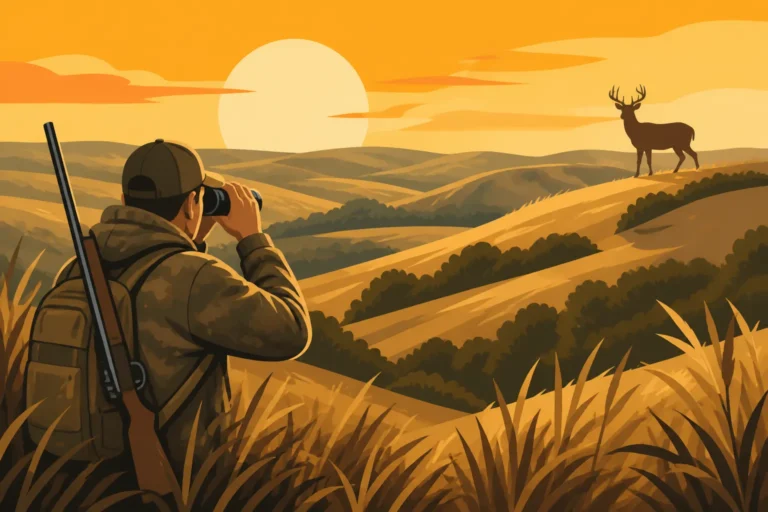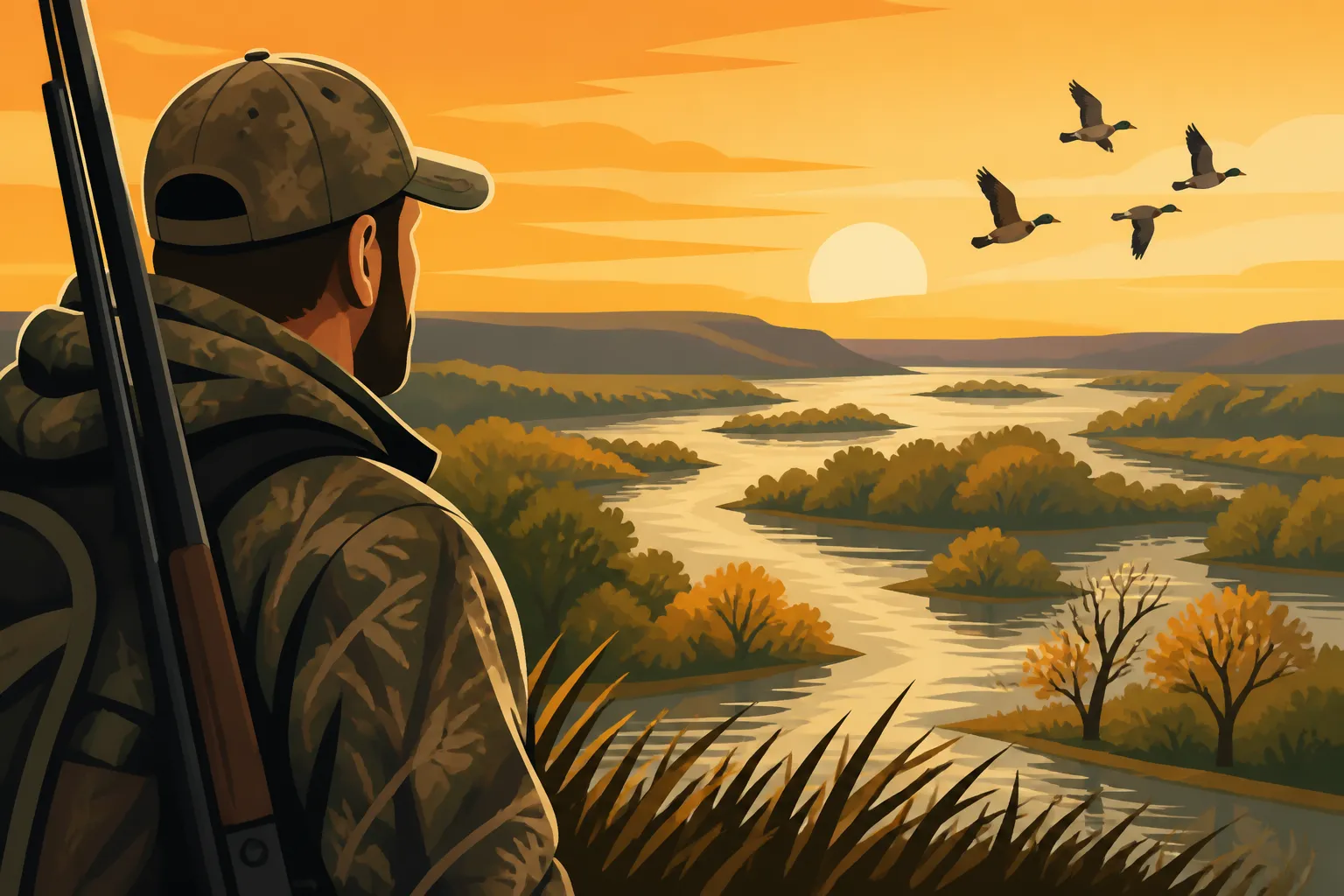
Missouri River Bottoms Near Sioux City
The thought of hunting the Missouri River bottoms near Sioux City can feel a bit daunting, can't it? It's a vast, ever-changing landscape where the river itself dictates so much, and trying to figure out where to go, what to expect, and how to even get there often stops folks before they even start. But don't let that overwhelm you, because these unique riverine environments hold incredible potential for a variety of game. This guide is going to break down the mysteries of hunting these dynamic areas, offering you clear insights into the terrain, the wildlife, and how to successfully navigate the challenges to find your next adventure.
Understanding the Unique Landscape of the Missouri River Bottoms
The Missouri River, especially as it winds its way past Sioux City, isn't just a river; it's an entire ecosystem, a constantly evolving tapestry of water, timber, and sand. Unlike the more stable upland agricultural fields or dense, rolling timber blocks found elsewhere in Iowa, this area presents a dynamic challenge and a rewarding opportunity for hunters who understand its rhythms. It truly feels like a different world sometimes, a wilder, less predictable place where the river's power is always evident.
The Dynamic Nature of the River Environment
One of the biggest things to wrap your head around when you're looking at the Missouri River bottoms is just how much it changes. The river itself is constantly shaping the landscape. Flooding is a regular occurrence, especially in spring and early summer, which means areas you scouted one year might look completely different the next. New sandbars emerge, old ones erode, and the river channel can even shift over time. This constant flux creates a mosaic of habitats that are incredibly attractive to wildlife, but it also means your hunting plans need to be flexible.
Think about it: a low-lying timber block that was accessible last year might be inundated this year, or a dry slough could become a shallow wetland attracting waterfowl. This constant change means that successful hunting in these bottoms often starts with recent scouting, understanding current conditions, and being ready to adapt on the fly. It's not about finding one perfect spot and returning year after year without adjustment; it's about learning to read the river's story each season. This dynamic environment can feel like a riddle, but once you start to piece together how water levels impact deer movement or where ducks will feed after a rain, it becomes incredibly exciting.
Habitat Breakdown: Timber, Sloughs, Agricultural Edges
The habitat mix in the Missouri River bottoms is what makes it so rich for hunting. You've got this incredible combination of elements, all influenced by the river. First, there's the timber, primarily cottonwood, silver maple, and willow, often growing in thick stands that provide excellent cover for deer. These river-bottom woods can be surprisingly dense, creating natural travel corridors and bedding areas. You'll also find old oxbows and sloughs, some holding permanent water, others drying up to become muddy, game-rich depressions. These wetlands are magnets for waterfowl and provide important water sources for other game.
Then there are the agricultural edges. Even in the wilder river bottoms, Iowa's farming heritage is evident. Corn and soybean fields often butt right up against the timber and wetlands, creating ideal food sources for deer, turkeys, and even pheasants and quail along the brushy margins. The interface where these diverse habitats meet is where you'll often find the most action. A buck might bed in the thick timber, then slip out into a standing cornfield to feed. Ducks will trade between a river backwater and a flooded bean field. Understanding these transitions is key to unlocking the potential of these areas.
Key Game Species: What You Can Expect to Find Here
The Missouri River bottoms near Sioux City are a treasure trove for hunters interested in a variety of species. Whitetail deer are certainly a primary draw. The combination of thick cover, abundant water, and proximity to agricultural fields provides everything a deer needs to thrive, often growing to impressive sizes. It's not uncommon to find signs of substantial bucks working these river corridors.
But it's not just deer. Waterfowl hunting can be absolutely phenomenal here, especially for ducks and geese utilizing the main river channel, its backwaters, sloughs, and adjacent flooded fields. The Mississippi Flyway might get a lot of press, but the Missouri River is a major migration corridor, too. You'll also find good numbers of wild turkeys, especially the Eastern subspecies, roosting in the big river bottom timber and feeding along the edges. Don't forget about upland birds either; pheasants and quail can be found in the thicker grass and brushy edges where the timber transitions to agricultural fields, providing a bonus for those walking some of the smaller public tracts. Small game like rabbits and squirrels also call these woods home. The diversity of game truly makes this area stand out.
| Game Species | Typical River Bottom Habitat | Hunting Season Relevance |
|---|---|---|
| Whitetail Deer | Thick cottonwood/willow timber, slough edges, agricultural field borders | Archery, Shotgun, Muzzleloader, Late Antlerless |
| Wild Turkey | Mature timber for roosting, open field edges for feeding, brushy draws | Spring Gobbler, Fall Turkey |
| Ducks & Geese | River backwaters, oxbows, sloughs, flooded fields, main channel | Early Fall to Late Season Waterfowl (check zone dates) |
| Ring-Necked Pheasant | Tall grass, brushy field edges, CRP plots adjacent to timber | Fall Upland Bird Season |
| Bobwhite Quail | Dense brush thickets, timber edges, plum patches, old farmsteads | Fall Upland Bird Season (primarily southern Iowa, but some here) |
| Cottontail Rabbit | Brush piles, thickets, timber edges, tall grass | Fall to Winter Small Game Season |
| Squirrel (Fox & Gray) | Mature oak/hickory timber, particularly where nuts are abundant | Early Fall to Winter Small Game Season |
Key Public Hunting Opportunities Near Sioux City
Finding public hunting ground in Iowa can sometimes feel like searching for a needle in a haystack, especially in areas with high agricultural value. However, the Missouri River bottoms near Sioux City offer some excellent opportunities, thanks largely to state and federal agencies working to conserve these unique habitats. The key is knowing where to look and how to identify these tracts. Many hunters overlook the potential here because it doesn't fit the typical "timber block" mold.
State and Federal Lands: Corps of Engineers, WMAs
A significant portion of the public hunting access along the Missouri River near Sioux City comes from lands managed by the U.S. Army Corps of Engineers and the Iowa Department of Natural Resources (DNR) through Wildlife Management Areas (WMAs). The Corps of Engineers often controls land along the riverbanks, associated floodplains, and areas around federal reservoirs. These tracts can be diverse, ranging from large timber blocks to open grasslands and wetlands. It's crucial to understand that Corps land often has specific regulations, so always check their local rules in addition to state regulations. Access might be limited to specific points, and certain activities could be restricted.
Iowa DNR Wildlife Management Areas in the region are managed specifically for wildlife habitat and public recreation, including hunting. These WMAs are typically well-marked and offer excellent opportunities for deer, waterfowl, upland birds, and more. They are often mosaics of timber, wetlands, and restored prairies, designed to maximize habitat diversity. When planning your hunt, looking for specific WMAs in the counties bordering the Missouri River, such as Woodbury, Monona, and Harrison, is a great starting point. Remember that Iowa Wildlife Management Areas often see significant hunting pressure, especially on opening weekends, so consider weekday hunts or deeper penetration into larger tracts.
County Conservation Areas: Local Gems
Beyond state and federal properties, many County Conservation Boards in Iowa manage smaller, but often very productive, parcels of land that are open to public hunting. These areas can be real hidden gems, sometimes less frequented than the larger state or federal grounds. Near Sioux City, the Woodbury County Conservation Board, for example, might have river-adjacent properties that offer fantastic hunting. These areas are typically managed for multiple uses, so be mindful of other users like hikers or bird watchers.
County areas can provide unique hunting experiences, sometimes focusing on specific habitat types like small timber stands, brushy draws, or restored prairies. They are perfect for a quick evening hunt or for those looking to explore a variety of smaller spots. Always check the specific county's regulations, as they can sometimes differ slightly from statewide rules, especially regarding permitted weapons or specific access points. The beauty of these smaller tracts is often the challenge of finding them and then decoding their unique characteristics. They can be great spots for Hunting Iowa Walk-In Ground Without Burning It Out.
Utilizing Online Mapping Tools (onX Hunt, GoHunt)
In a landscape as complex and dynamic as the Missouri River bottoms, trying to rely solely on paper maps or general knowledge is a recipe for frustration. This is where modern online mapping tools like onX Hunt and GoHunt become absolutely indispensable. These apps allow you to view detailed aerial imagery, overlay public and private land boundaries, and even identify specific habitat features right from your phone or computer. I can't stress enough how much these tools have revolutionized hunting, especially in areas where property lines can be confusing or access points are not immediately obvious.
With onX Hunt, for example, you can see exactly where federal, state, and county public lands begin and end, which is crucial for staying legal and avoiding trespass. You can also mark waypoints for potential stand locations, scouting finds, or access routes. GoHunt offers similar robust mapping capabilities, often with additional data relevant to hunt planning. For river bottom hunting, being able to see current satellite imagery can help you identify recent changes in the river's course, locate new sandbars, or spot flooded timber that might hold ducks. Using these tools to E-Scouting Iowa Farm Country From Home is not only efficient but can prevent a lot of wasted time and frustration when you're on the ground. They are your digital eyes in the sky and on the ground, empowering you to navigate these complex areas with confidence.
Strategies for Hunting the River Bottoms
Hunting the Missouri River bottoms requires a slightly different approach than hunting a typical Iowa timber tract or field edge. The unique combination of dense cover, water, and agricultural influence means understanding how game uses this specific environment is paramount. Success here often comes down to adaptability and a keen eye for subtle details that other hunters might miss.
Deer Hunting Tactics in Riverine Habitat
Deer in the Missouri River bottoms are creatures of habit, but their habits are often dictated by the river itself. They thrive in the thick, often impenetrable cover of the cottonwood and willow stands that line the river. These areas provide excellent bedding, especially near water sources. When you're scouting for deer sign here, pay close attention to the transitions: where the dense cover thins out, where timber meets a slough, or where it borders an agricultural field. These interfaces are natural travel corridors.
Look for rubs and scrapes along old river terraces or elevated sections within the timber that provide good visibility. Deer will often utilize subtle elevation changes, even just a few feet, to gain an advantage. Also, consider the wind and thermals, which can be highly variable near large bodies of water. Wind and Thermals in River Breaks can be tricky, often swirling more than in open country, so setting up strategically is key. Funnels created by sloughs, thick timber, or even old fences can be absolute goldmines. During the rut, bucks will often cruise these river corridors, scent-checking for does, making it an ideal time for calling tactics. Remember, these deer have plenty of cover, so thinking about Access Routes That Do Not Bump Deer is vital. Approach from downwind, move slowly, and consider using the river itself (if accessible) for stealthy entry or exit.
Waterfowl Hunting the Backwaters and Sloughs
For waterfowl hunters, the Missouri River bottoms near Sioux City offer prime opportunities. The sheer amount of water—from the main river channel to countless backwaters, oxbows, and sloughs—makes it a natural magnet for migrating ducks and geese. Early in the season, teal and wood ducks might be abundant, moving into mallards and geese as the weather cools.
The most effective strategy often involves identifying key feeding and resting areas. Look for shallow water with submerged vegetation in sloughs and backwaters, or sheet water in flooded crop fields adjacent to the river. Setting up decoys in these locations can be incredibly productive. Consider using a spread of different decoy types (mallards, pintails, geese) to represent a natural flock. Building or finding a natural blind along the bank is usually necessary, as open water offers little cover. Be prepared for early morning setups and understand that birds will often move between feeding and resting areas throughout the day. Calling effectively can make all the difference, drawing in curious birds. When you're hunting these areas, remember that mobility can be your friend. Sometimes, a quick move to another slough as birds shift can turn a slow morning into a successful one. Don't be afraid to try Decoying Ducks on a Backwater Slough or jump shooting smaller pockets of water if the conditions are right.
Upland and Small Game in the Edges
While deer and waterfowl often get most of the attention in the river bottoms, there are excellent opportunities for upland and small game as well. Ring-necked pheasants and bobwhite quail can be found in the brushy edges, tall grass, and CRP fields that often border the river timber and agricultural lands. These areas provide the necessary cover for nesting and escape from predators. Working these edges with a dog, or systematically blocking and driving if you have a group, can yield good results.
For small game like rabbits and squirrels, the river bottom timber is ideal. Rabbits will hold tight in brush piles, dense thickets, and downed timber, while squirrels will be found in the mature trees, especially oak and hickory stands if they are present. These hunts can be a fantastic way to introduce new hunters to the sport or to simply enjoy a more relaxed outing. Keep an eye out for Rabbit Hunting Brush Piles or Squirrel Hunting Iowa Oak Timber. You might even encounter coyotes, which thrive in these diverse habitats, offering an exciting bonus opportunity for predator callers. Coyote Calling in Iowa Farm Country can be very effective in these river-bottom landscapes.
Navigating Access and Regulations in the Missouri River Bottoms
Hunting in the Missouri River bottoms near Sioux City, while rewarding, comes with its own set of access challenges and specific regulations that every hunter needs to be aware of. The dynamic nature of the river and the mosaic of land ownership can create complexities that aren't always present in more straightforward hunting locales. Getting this right is about respect for the land, for other users, and for the law.
Understanding Property Boundaries and Easements
One of the biggest hurdles in river bottom hunting is accurately identifying and respecting property boundaries. With a mix of federal Corps of Engineers land, state WMAs, county parks, and private farmland, property lines can zigzag in confusing ways. What looks like one contiguous block of timber might actually be split by several different ownership types. This is where those mapping tools we discussed earlier become non-negotiable. Using apps like onX Hunt to clearly see public/private distinctions is critical.
Beyond simply knowing the boundary, it's also important to understand easements. Some private lands might have public access easements for specific purposes, or public lands might have private inholdings that are not open to hunting. Never assume. If in doubt, stay out. Trespassing, even unintentional, can lead to serious consequences and damage the reputation of all hunters. Always double-check your location, especially if you're pursuing a wounded animal or simply trying to get to a preferred hunting spot. Knowing how to Finding Property Lines in Iowa and respecting them is paramount.
Water Access and Boat Regulations
Given that we're talking about river bottoms, access via water is often a viable, and sometimes preferred, option. Using a boat, canoe, or kayak can open up sections of public land that are difficult or impossible to reach on foot, effectively reducing Hunting Pressure Patterns on Iowa Public Land. This can be particularly useful for waterfowl hunting in backwaters or reaching isolated timber blocks for deer. However, using watercraft comes with its own set of regulations.
Always adhere to state boating laws, including required safety equipment, registration, and proper navigation lights if operating in low light. Be mindful of fluctuating water levels, sandbars, and submerged debris that can pose hazards. The Missouri River can be a powerful force, so always prioritize safety. Access points for launching boats on public land will usually be designated, so plan your entry and exit points carefully. Remember that while you might be accessing public land via a navigable waterway, you cannot trespass on private land from the water. Always confirm your target area is public and accessible.
Checking Local Regulations and Closures
Finally, always, always, always check for specific local regulations and any temporary closures before heading out. While statewide Iowa hunting regulations provide the general framework, individual public land areas, especially those managed by the Corps of Engineers or County Conservation Boards, may have additional rules. These could include restrictions on motorized vehicles, stand placement, designated hunting zones, or even temporary closures due to flooding, prescribed burns, or other management activities.
Before your hunt, visit the Iowa DNR website, the local County Conservation Board website, or contact the managing agency for the specific public land you intend to hunt. This is especially important for waterfowl seasons, as zones and dates can vary. Being informed prevents disappointment and ensures you're hunting legally and safely. A quick call or website check can save you a lot of trouble. This diligence is crucial, as Iowa Regulation Booklet Release Date can shift, and rules can be updated.
Disclaimer
This article is for general informational purposes only and does not constitute professional advice. Laws, prices and regulations vary by location and change over time. Consult a qualified professional for guidance on your specific situation.