Climbing Sticks and Platforms
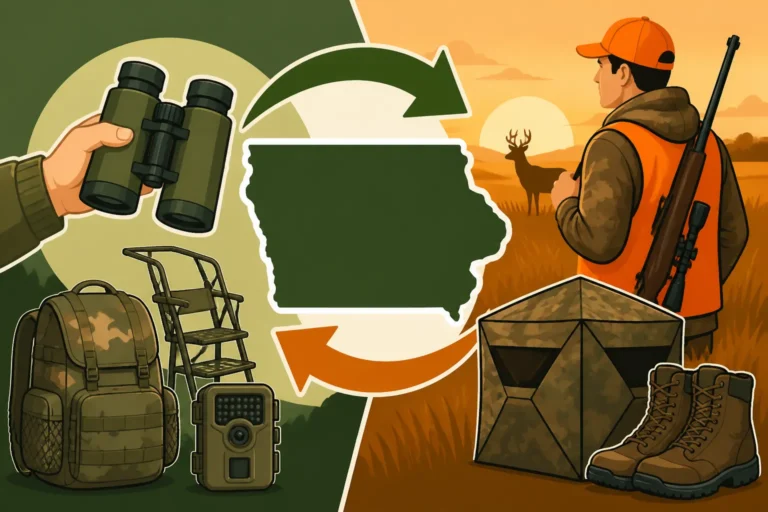
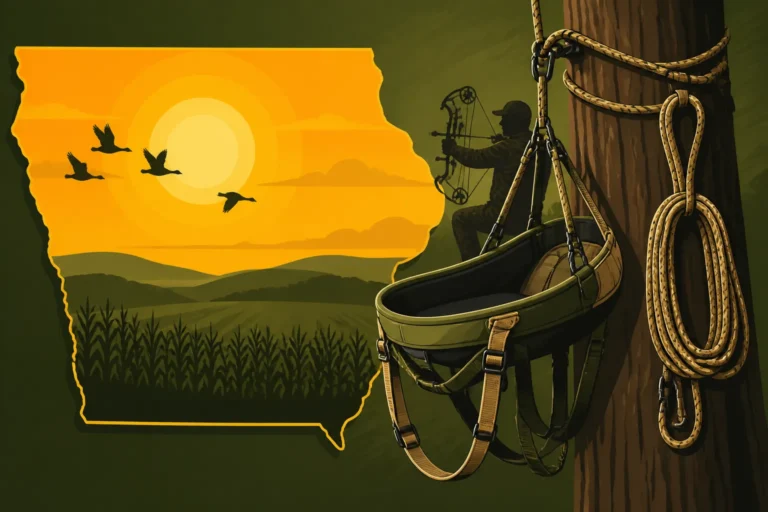
Getting into an elevated hunting position effectively and safely can be a real headache for hunters, especially when you're trying to adapt to ever-changing deer patterns in Iowa's diverse landscape. Gone are the days when a heavy, bulky ladder stand was your only option. This guide will walk you through everything you need to know about climbing sticks and platforms, from choosing the right gear to deploying it safely and strategically across Iowa's varied terrain, ensuring you can get up a tree confidently and quietly.
Understanding Climbing Sticks: Your Ladder to the Canopy
Climbing sticks are the backbone of any mobile or versatile elevated hunting setup. They allow you to scale a tree quickly and quietly, giving you the height advantage without the bulk of a permanent ladder stand. For anyone looking to stay agile and responsive to deer movement, especially on public land, understanding the different types and their applications is crucial.
Single-Piece vs. Sectional Sticks
When you're looking at climbing sticks, you'll quickly notice two main design philosophies: single-piece sticks and sectional sticks. Both have their place, but your hunting style, the terrain you navigate, and how far you're willing to walk will largely dictate which is right for you.
Single-piece sticks, as the name suggests, are typically one long piece of aluminum or steel with multiple steps integrated into their design. They're often seen as more robust and quicker to deploy for hunters who don't have far to carry them or are setting up a semi-permanent stand they might leave for a few days. The lack of joints means fewer potential points of failure or noise. However, their significant length can be a real hindrance when navigating dense timber, deep creek bottoms, or when you have a long hike into your chosen spot. Imagine trying to weave a five-foot stick through a thick multiflora rose patch – it's a battle, and you're likely to get hung up and make noise. For hunters focusing on quick, easy access without much trekking, they can be a decent option, but they definitely limit your mobility in Iowa's often brushy and broken landscape.
Sectional sticks, on the other hand, are the undisputed champions of portability and adaptability for the mobile hunter. These sticks break down into shorter, stackable sections, usually two or three feet long. This design allows them to be easily packed onto a backpack, minimizing their profile and making it far easier to slip through thick cover or carry over long distances. Once you reach your tree, you simply connect the sections, often with a simple push-button or interlocking mechanism, and secure them one by one. This modularity means you can choose exactly how much height you need; if a ten-foot set is enough for a particular tree, you don't carry fifteen feet of extra stick. Many hunters use them in conjunction with a Mobile Saddle Hunting in Iowa setup, where every ounce and every inch of packability counts. While they might take a minute or two longer to assemble on the tree, the benefits of quiet, unhindered access to remote hunting spots far outweigh that small investment of time for many.
Different Step Designs and Materials
Beyond their overall construction, the devil is often in the details when it comes to climbing sticks, particularly the step design and the materials used. These elements directly impact your comfort, safety, and how quietly you can ascend and descend.
Most modern climbing sticks are made from either aluminum or steel. Aluminum sticks are lighter, making them ideal for hunters who prioritize weight savings for long walks or multiple stand changes throughout the day. They tend to be a bit more expensive, but the reduction in pack weight is often worth the investment. Steel sticks are generally more affordable and incredibly durable, often feeling more rigid underfoot. However, that durability comes with a significant weight penalty. If you're setting up a stand relatively close to your vehicle and plan to leave it for a period (always check local regulations on public land for this!), the extra weight might be less of a concern. But for anyone serious about run-and-gun tactics or covering significant ground on a walk-in area, aluminum is usually the preferred choice.
Step design varies widely and can affect both safety and comfort. Some sticks feature single steps, where you place one foot per step, staggering your climb. Others boast double steps, allowing both feet to occupy the same step or giving you more purchase for bigger boots. Double steps can feel more secure and comfortable for longer waits on the stick or for hunters with larger feet. Many steps also incorporate an aggressive texture or pattern to maximize traction, especially when wet, muddy, or icy conditions are present, which is often the case during late-season Iowa hunts. Some manufacturers even offer steps that pivot or fold, further enhancing packability and reducing snag points when carrying them through brush. Ultimately, the best step design is one that feels stable and comfortable for your specific boots and climbing style, allowing you to focus on the deer, not your footing.
The Importance of a Secure Platform
Once you've ascended the tree using your climbing sticks, you need a solid, stable place to stand, turn, and shoot from. This is where your platform comes in. Whether it's integrated into a traditional treestand or a dedicated platform for saddle hunting, its security and design are paramount for both safety and effective hunting. A wobbly, noisy, or cramped platform can ruin your hunt before you even get a shot off.
Platform Options: Integrated vs. Standalone
The world of elevated hunting offers two primary approaches to your final perch: platforms integrated into a complete treestand unit or standalone platforms used in conjunction with climbing sticks, often favored by mobile hunters and saddle users. Each has distinct advantages and disadvantages depending on your hunting style.
Integrated platforms are part and parcel of traditional hang-on treestands or ladder stands. With these setups, the platform, seat, and often the treestand sticks are all designed as a single unit or a cohesive system. This approach offers simplicity in setup; once the stand is secured, your platform is ready. There's usually a sense of inherent stability because all components are engineered to work together. Many hang-on stands offer spacious platforms, providing ample room to turn, shift your weight, and find comfortable shooting positions, which is particularly beneficial during long, cold sits or when trying to get a tricky shot at a quartering-away buck. However, the downside is often weight and bulk. These integrated units can be heavy and cumbersome to pack in, especially if you're hiking deep into a Public Land Deer Hunting in Iowa tract. Their fixed nature also means less customization; you're stuck with the platform size and shape the manufacturer designed, which might not always be ideal for every tree or every hunting scenario.
Standalone platforms, on the other hand, are gaining immense popularity, especially among mobile hunters and those who use a saddle system. These platforms are separate from your climbing sticks and are attached to the tree at your desired hunting height. Their primary advantage is unparalleled versatility and customization. You can choose a platform size and design that perfectly suits your needs, whether it's a minimalist, lightweight option for ultimate mobility or a slightly larger platform for more comfort and gear management. Since they're separate, you can use any brand or type of climbing stick to get up the tree, then attach your chosen platform. This modularity allows for incredibly lightweight setups, making them ideal for the truly run-and-gun hunter who might move their setup multiple times a day. When combined with a saddle, these platforms provide a stable base for standing, leaning, and executing shots from various angles, truly revolutionizing how many hunters approach elevated hunting. The key, however, is ensuring both the platform and your sticks are securely attached to the tree independently.
Setup and Stability: Securing Your Perch
The stability of your platform isn't just about comfort; it's a critical safety factor. A wobbly or noisy platform can lead to a dangerous fall or alert deer to your presence. Properly securing your platform to the tree is an art that comes with practice and understanding the nuances of tree selection and attachment mechanisms prevalent in Iowa's timber.
Most standalone platforms and hang-on stands utilize a cam-buckle strap system for attachment. This typically involves wrapping a heavy-duty strap around the tree and tightening it down with a cam buckle or ratchet mechanism. The crucial step here is to ensure the strap is incredibly tight, pulling the platform firmly into the tree. Any slack will result in movement and potential noise. When placing the platform, try to angle it slightly downwards towards the tree; as you put weight on it, it will cam into the tree even more securely. Many platforms also have a "receiver" or a "v-bracket" that digs into the tree, further preventing slippage. For the best stability, look for trees that are straight and free of large limbs at your desired attachment point. Trees found in Reading an Iowa Timber Draw for Deer Sign or along river bottoms often offer ideal stand trees, but you'll encounter a wide variety, from sturdy oaks to softer maples.
The type of tree bark also plays a role. Rough-barked trees like mature oaks or shagbark hickories provide excellent grip for straps and biting receivers, often leading to a rock-solid setup. Smoother barked trees, such as some maples or cottonwoods, require extra attention to strap tightness and might be more prone to minor shifts, though a well-designed platform will still hold securely. Always check for dead limbs or hollow spots in the trunk before committing to a tree, as these can compromise stability or even lead to structural failure. When using climbing sticks, ensure each stick section is individually and tightly secured before you ascend to the next one. Many hunters use a lineman's belt to stay connected to the tree throughout the entire setup process, even when attaching their sticks. A little extra time spent ensuring absolute stability before you climb fully and settle in can save you a world of discomfort, noise, and potential danger.
Mobile vs. Semi-Permanent Setups with Sticks and Platforms
The beauty of climbing sticks and platforms lies in their versatility. They empower hunters to be as mobile or as stationary as their hunting strategy demands. Understanding the nuances of each approach can help you maximize your success, whether you're chasing the rut or targeting a late-season food source.
The Mobile Hunter's Advantage
For many modern deer hunters, mobility is the name of the game. Iowa's deer, particularly mature bucks, are notoriously adept at evading predictable human pressure. The ability to quickly and quietly move your entire setup to a new location gives you a significant edge, and climbing sticks paired with a lightweight platform are the tools that make this possible.
Think about a crisp October morning when you're targeting a funnel between two bedding areas. You've scouted the area, maybe even used an app like GoHunt to mark potential pinch points, but a sudden wind shift or a fresh rub line appearing overnight throws a wrench in your plans. With a mobile setup, you're not locked into a single location. You can quickly descend, pack up your lightweight sticks and platform, and move silently to a new tree that offers a better wind advantage or puts you closer to fresh sign. This approach is particularly effective on public lands, where deer patterns can change rapidly due to hunting pressure. A hunter using a fixed, heavy stand might be stuck, but you, with your portable setup, can adapt on the fly. Many mobile hunters utilize a minimalist approach, carrying just three or four stick sections and a small platform, aiming for a height of 15-20 feet. This allows for rapid deployment and retrieval, enabling them to hunt different spots in the morning and evening, or even move mid-day if the action isn't panning out. One-Stick Method for Mobile Hunting is an advanced technique that further streamlines this process for the truly minimalist hunter. This adaptability means you can chase the deer, rather than waiting for them to come to your one static setup.
Semi-Permanent Stands and Seasonal Use
While ultimate mobility is a powerful strategy, there are also scenarios where leaving a stand setup for a few days or even a season makes perfect sense, especially on private land or specific public land tracts where regulations allow it. Climbing sticks and platforms can facilitate these semi-permanent setups with significant advantages over traditional, heavier stands.
On private land, for instance, you might have a honey hole that consistently produces deer activity. Rather than packing in a stand every time, you can leave a set of climbing sticks and your platform attached to a prime tree. This saves you time and effort on each hunt, reduces the amount of gear you need to carry in, and minimizes noise and disturbance during entry. Just remember to use reliable, heavy-duty straps and potentially security measures if you're concerned about theft. Similarly, during specific seasons like the peak of the When the Iowa Rut Peaks, you might identify a cruising corridor that bucks are using daily. Setting up a stand and sticks in a strategic location and leaving it for a week can capitalize on this consistent movement without the daily grind of setting up and tearing down. This is also a common practice when setting up for Iowa Shotgun Season Tactics for Party Hunting, where you might want a reliable, quiet entry and exit point for several hunters over a few days.
It's absolutely critical, however, to be intimately familiar with the rules and regulations regarding leaving stands on public land in Iowa. Some areas allow stands to be left for a short period, often with specific tagging requirements, while others strictly prohibit it, requiring all gear to be removed at the end of each hunting day. Failure to comply can result in fines and loss of equipment. Always consult the current Iowa DNR regulations before leaving any equipment unattended on public property. For instance, Portable Stand Rules on Iowa Public Ground specifies regulations regarding stands left overnight. Even with semi-permanent setups, the modular nature of sticks means if a spot suddenly goes cold, or pressure shifts the deer, you can still dismantle and move your setup relatively easily compared to a much heavier, bulkier ladder stand.
Safety Protocols and Best Practices
Safety should always be your top priority when using climbing sticks and platforms. Working at heights carries inherent risks, and a momentary lapse in judgment or a piece of faulty equipment can lead to serious injury. Adhering to strict safety protocols isn't just a recommendation; it's a non-negotiable aspect of elevated hunting.
Harnessing Up and Lifelines
The most critical safety rule when hunting from any elevated position is to always, always, always be connected to the tree from the moment your feet leave the ground until they return. This is where a full-body harness and a lifeline come into play.
A good quality full-body harness is designed to distribute the forces of a fall across your entire body, preventing single-point impacts that can cause severe injury. Before each season, inspect your harness for any signs of wear, fraying, or degradation. Check all buckles, straps, and stitching. It's also important to practice putting on your harness correctly, ensuring a snug but comfortable fit, and understanding how to use the suspension relief strap in case of a fall. Most harnesses come with a tree strap (also called a tree tether or tree belt) that attaches to your harness and wraps around the tree. This is what keeps you connected while hunting from your platform. However, the game-changer for safety when ascending and descending is the use of a lifeline. A lifeline is a rope with a Prusik knot or a similar sliding knot that attaches to your harness. You install the lifeline from your stand height down to the base of the tree. As you climb, you slide the Prusik knot up the rope, ensuring you are constantly tethered. If you slip at any point on your climbing sticks, the Prusik knot instantly cinches, preventing a free fall. This system literally keeps you connected every step of the way, eliminating the dangerous moments of being untethered between climbing sticks or when transitioning to your platform. Remember to check out Safety Harnesses and Lifelines for more in-depth information on proper use and selection.
When using climbing sticks, a lineman's belt is another essential piece of safety gear. This is a separate belt that wraps around the tree and clips into D-rings on either side of your full-body harness, allowing you to have both hands free to attach sticks or your platform while remaining securely connected. This is invaluable when you're high in the air, trying to maneuver equipment around a tree. Never compromise on these safety measures, regardless of how experienced you are or how "easy" the climb seems. The consequences of a fall are simply too severe to take shortcuts.
Pre-Season Checks and Maintenance
Just like you wouldn't head into the woods with an un-sighted rifle or dull broadheads, you shouldn't trust your life to climbing sticks and platforms that haven't been thoroughly inspected. Pre-season checks and regular maintenance are crucial for the longevity and, more importantly, the safety of your elevated hunting gear.
Before the first hunt of the season, give every component of your climbing sticks and platform a meticulous inspection. Start with the straps: look for any cuts, abrasions, fraying, or sun damage. UV exposure can degrade webbing over time, making it brittle and prone to failure. If a strap looks suspicious, replace it immediately. Next, examine all metal components – the stick sections, steps, platform frame, and attachment hardware. Look for any cracks in welds, bent metal, loose bolts, or excessive corrosion. Even hairline cracks can indicate a structural weakness that could lead to catastrophic failure under your weight. Pay close attention to any moving parts, like folding steps or pivot points, ensuring they operate smoothly and quietly. If your sticks use ropes or cable systems for attachment, inspect these for fraying or kinking. Some hunters even apply a light coat of lubricant to pivot points or threads to prevent rust and ensure quiet operation, but always ensure it's a non-scented, deer-friendly product.
Throughout the hunting season, especially if your gear is subjected to harsh weather or heavy use, perform mini-inspections before each hunt. A quick visual check of straps and connections can catch an issue before it becomes a problem. After the season ends, clean your climbing sticks and platform thoroughly, removing all mud, dirt, and debris. Store them in a dry place, ideally out of direct sunlight and extreme temperatures. Proper storage will prevent premature degradation of materials and ensure your gear is ready and safe for many seasons to come. Remember, your life literally depends on the integrity of your equipment.
Strategic Deployment in Iowa's Diverse Terrain
Iowa's hunting landscape is a tapestry of timber, rolling hills, vast crop fields, and winding river bottoms. Successfully deploying climbing sticks and platforms means understanding how to use them effectively in these varied environments to gain an advantage over wary whitetails.
Timber and River Bottoms
Iowa's timber, especially along river bottoms and creek corridors, can be incredibly challenging to hunt from the ground. Dense undergrowth, fallen trees, and uneven terrain often limit visibility and shooting lanes. This is where climbing sticks and platforms truly shine.
In these environments, getting above the immediate ground clutter is paramount. Imagine hunting a brushy creek bottom where deer routinely travel. From the ground, your visibility might be limited to 30-40 yards, and any movement you make is likely to be screened. By using climbing sticks to get 18-25 feet up a sturdy oak or cottonwood, you suddenly gain a bird's-eye view. You can see over thick multiflora rose bushes, spot deer moving through a subtle ditch, and identify faint deer trails that were invisible from below. The elevated position also helps your scent blow over the deer's nose, especially crucial in areas with swirling winds, common in river breaks. When scouting these areas, look for large, healthy trees positioned along known travel routes, funnels, or within sight of bedding areas. Use your sticks to get high enough to clear the canopy below, but not so high that you silhouette yourself against the sky. A good mapping app like GoHunt can help you identify these timber patches and potential travel corridors when you're e-scouting from home. The goal is to be able to see the deer coming, have clear shooting lanes through the timber, and remain undetected.
Field Edges and Transition Areas
Iowa is synonymous with agriculture, and deer often spend significant time on field edges, feeding in corn and bean fields, or transitioning between them and nearby cover. Setting up elevated stands along these edges is a classic, effective strategy, and climbing sticks make it possible even when large, perfectly positioned trees are scarce.
Often, the best field edges might only have a few suitable trees, or the trees are spaced awkwardly, making a traditional ladder stand setup impractical. With climbing sticks and a platform, you can pick a single, strategic tree, even if it's not massive, and get up it quickly and quietly. The key here is maximizing your vantage point over the field without being silhouetted. Sometimes, 15 feet is enough to see over standing crops or low brush, giving you a clear view of deer entering and exiting the field. Other times, 20-25 feet might be necessary if you're overlooking a particularly large field or if the surrounding terrain is slightly elevated. Hunting Inside Corners of Crop Fields is a prime example of where elevated positioning is critical, allowing you to cover multiple entry points and maximize your shooting windows.
When setting up on a field edge, consider the sun's position and prevailing winds. You want the sun at your back in the morning or evening to avoid glaring into it, and your scent blowing away from the field. Position your tree so that the trunk provides some cover, breaking up your outline. The quiet nature of ascending with climbing sticks is a massive advantage here; deer are incredibly sensitive to noise on open field edges, and a rattling ladder stand will blow your cover immediately. Using your sticks to get into a prime tree along a transition line or a Timber Point Between Two Fields allows you to quietly access the location and set up without alarming the deer that are already moving through the area.
Public Land Considerations
Hunting Iowa's public land presents unique challenges, not least of which is navigating increased hunting pressure and often less-than-ideal terrain. Climbing sticks and platforms are arguably the essential gear for the serious public land hunter.
The ability to be completely mobile means you can access those hard-to-reach pockets of public land that other hunters might overlook or simply can't get a heavy stand into. You can hike in further, cross creeks, and navigate dense timber or tall CRP grass to find areas with less pressure. Using mapping tools like GoHunt, you can identify remote timber islands, hidden creek bends, or isolated blocks of cover that might hold undisturbed deer. Once you've identified a promising area through e-scouting or on-foot reconnaissance, your lightweight sticks and platform allow you to quickly establish an elevated position without leaving a heavy footprint. This aligns perfectly with the philosophy of Leaving No Trace on Iowa Walk-In Ground.
Furthermore, public land regulations regarding stands can be strict. Often, all stands and equipment must be removed at the end of each day. This makes lightweight, easily deployable, and packable climbing sticks and platforms absolutely essential. You simply cannot afford to haul a heavy, bulky stand in and out daily. By mastering the use of these tools, you can hunt a different section of a WMA every day, adapt to changing conditions, and stay one step ahead of both the deer and other hunters. Consider planning your Access Routes That Do Not Bump Deer carefully, using your GoHunt app to mark parking, trails, and your specific tree. This combination of mobility and strategic planning is what sets successful public land hunters apart in Iowa.
Climbing Stick and Platform Comparison Table
To help illustrate some of the differences we've discussed, here's a quick comparison of common climbing stick and platform setups:
| Feature | Lightweight Sectional Sticks (e.g., Aluminum) | Durable Sectional Sticks (e.g., Steel) | Integrated Hang-On Stand with Platform | Mobile Saddle Platform (Standalone) |
|---|---|---|---|---|
| Material | Aluminum alloys | Steel | Aluminum/Steel frame, mesh/foam seat | Aluminum, sometimes carbon fiber |
| Typical Weight | Very Light (1-2 lbs per section) | Moderate (2-3 lbs per section) | Heavy (15-30+ lbs) | Very Light (3-6 lbs) |
| Portability | Excellent (packs small, easy for long hikes) | Good (packs small, but heavier) | Poor (bulky, heavy for long hikes) | Excellent (packs very small) |
| Setup Time | Moderate (assemble sections, attach) | Moderate (assemble sections, attach) | Fast (once stand is in place) | Moderate (attach to tree) |
| Noise Profile | Low (if secured correctly) | Low (if secured correctly) | Moderate (can squeak if not tight) | Low (if secured correctly) |
| Max Height | Limited by number of sections carried | Limited by number of sections carried | Usually fixed (15-20ft) | Limited by climbing sticks used |
| Best Use | Mobile hunting, deep woods, public land | Semi-permanent, budget-friendly | Dedicated private land sets | Mobile saddle hunting, versatility |
Disclaimer
This article is for general informational purposes only and does not constitute professional advice. Laws, prices and regulations vary by location and change over time. Consult a qualified professional for guidance on your specific situation.